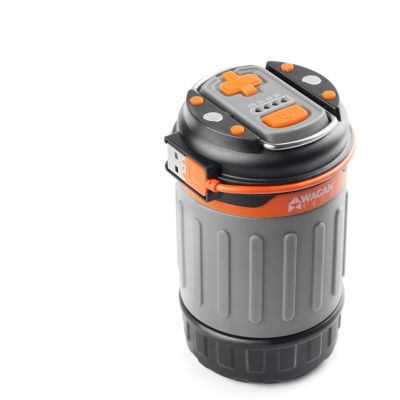
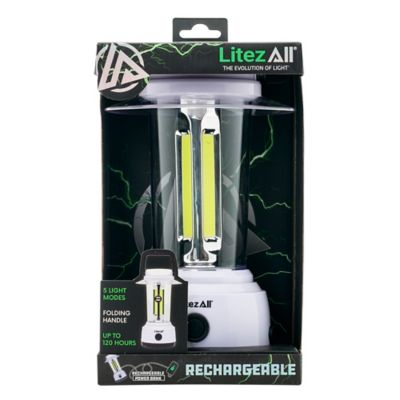
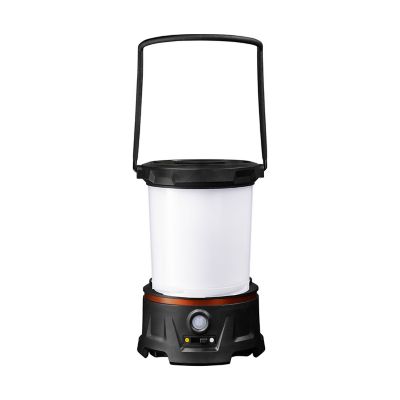
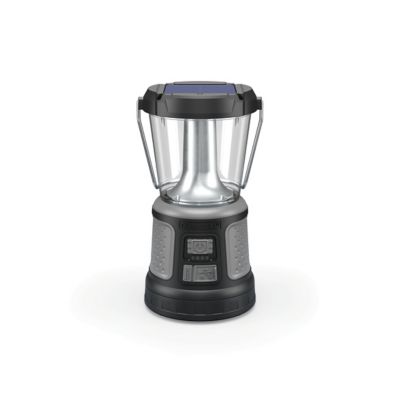
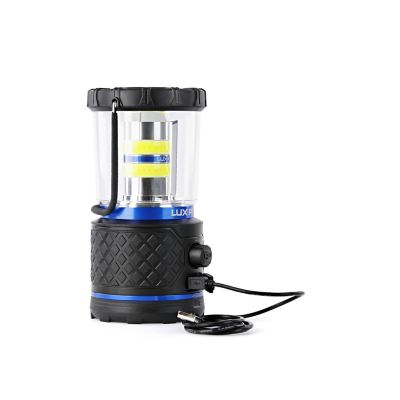
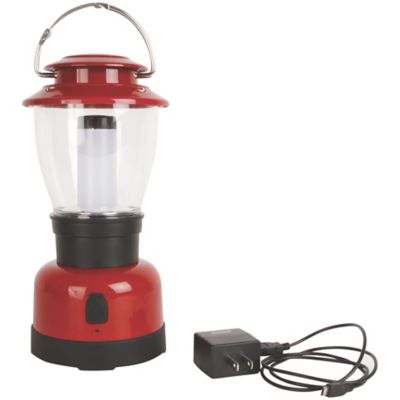
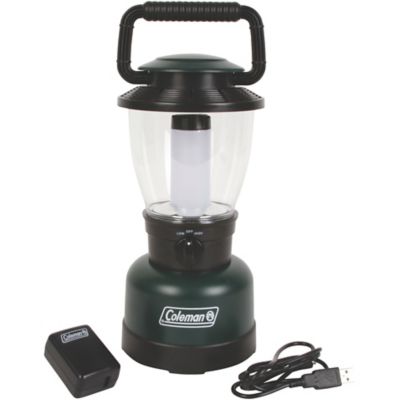
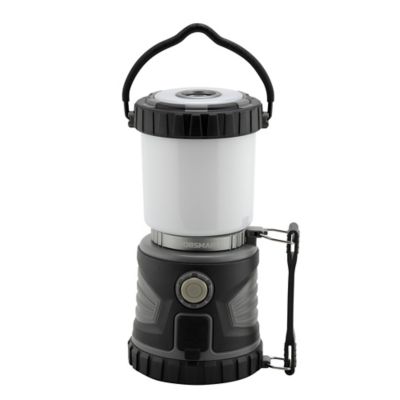
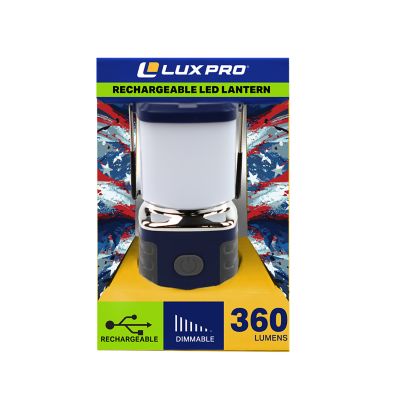
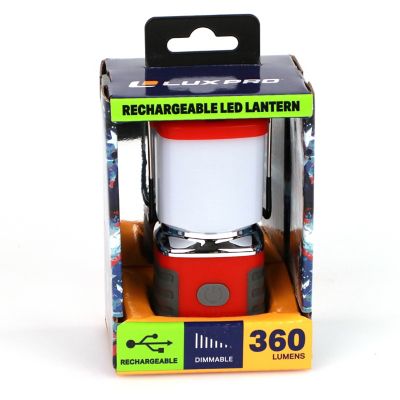
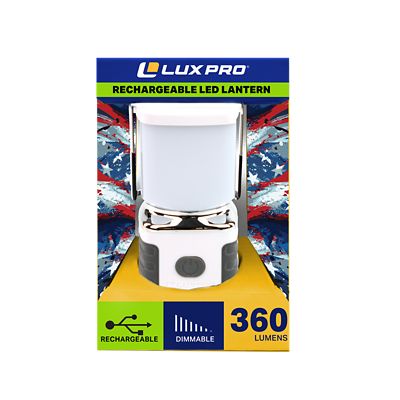
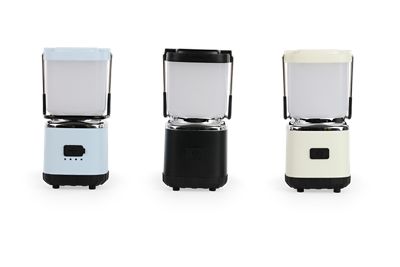
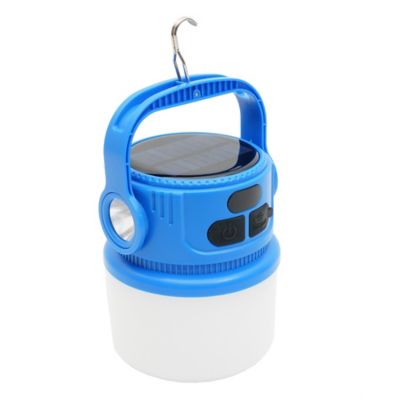
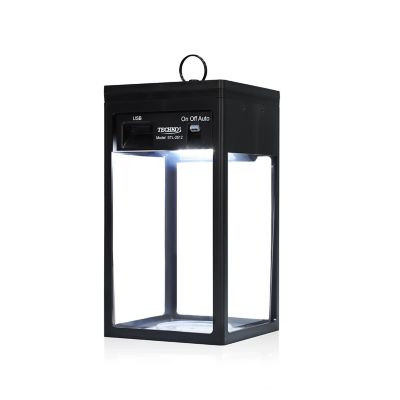
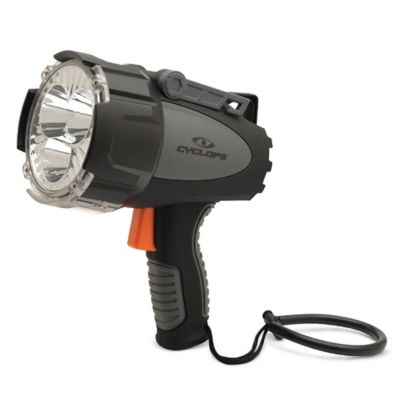
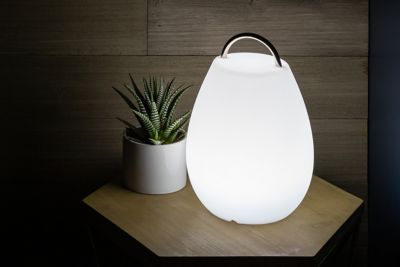
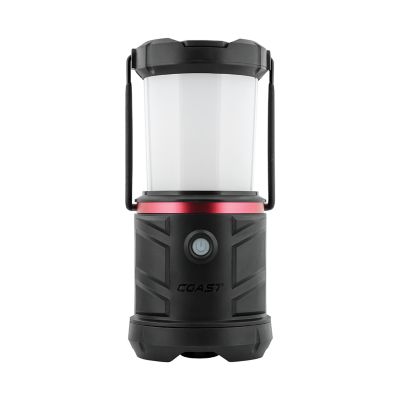
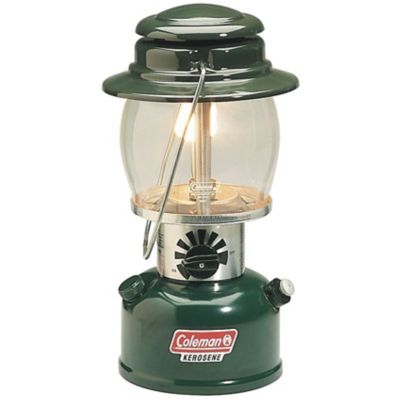
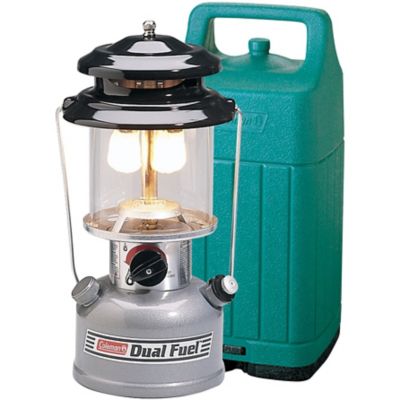
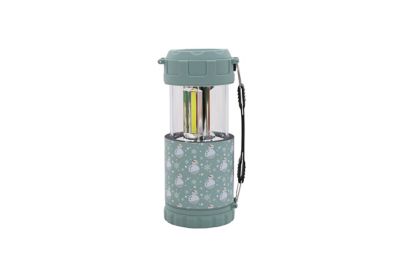
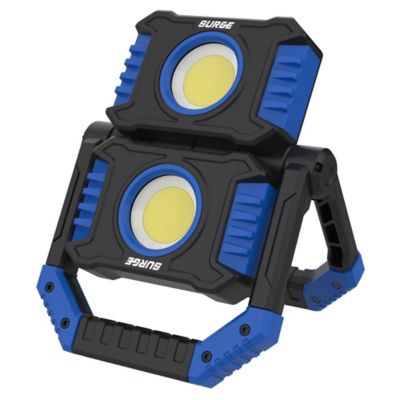
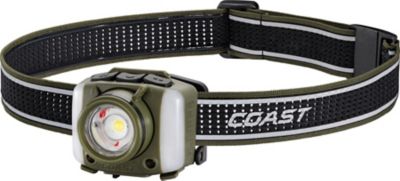
A rechargeable lantern flashlight combines broad area lighting with a focused beam in one portable light. Lantern mode spreads illumination around a table, room or work area, while flashlight mode directs light toward a gate latch, trail marker or something farther down the fence line. Many designs provide light around most or all of the lantern body, though the coverage depends on the lens and housing. That two-in-one setup makes sense for camping, chores, roadside stops and household power outages, especially when carrying separate lights would take up extra space. Set one on a camp table while sorting gear, then switch to the handheld beam for the walk back to the truck. Around a barn or shed, area lighting can help illuminate a feed scoop and nearby supplies, while a narrower beam makes it easier to see into a storage corner. The right shape matters as much as the list of features. A compact body slips into a daypack or vehicle storage compartment, while a larger lantern may offer a wider base, a bigger handle or more battery capacity. Plastic housings can keep weight manageable, metal housings add rigidity, and rubberized sections can improve grip and cushion everyday bumps. A handle with enough clearance for a gloved hand is handy for chores, and controls that are easy to find by touch save fumbling when the lights go out. Weight and balance affect how comfortably the flashlight carries during a longer walk. Lens placement also matters: an exposed lantern panel spreads light differently from a recessed flashlight lens, and a diffuser softens the harsh appearance of bare LEDs. For campers, folks tending animals, homeowners and anyone who keeps a roadside kit, this type of light fills several roles without taking over the gear bag. It can also make a practical gift for someone who spends plenty of time at a campsite, in a workshop or checking on things after dark.
Brightness, beam shape and run time help tell the rest of the story. Lumens describe the total amount of visible light a device produces; they do not, by themselves, tell how far the flashlight beam reaches or how evenly lantern mode lights a space. A focused beam concentrates light for distance, while a flood pattern spreads it across nearby surroundings. Separate ratings for lantern and flashlight modes are worth noting because the two functions may have very different outputs. High brightness helps with a wider work area, but it also draws more power. A low setting often makes more sense beside a sleeping bag, on a small table or during a household outage when keeping light going matters more than lighting every corner. Advertised run time belongs to a particular setting and test method, and some lights reduce output as the battery drains or to manage heat. Dimming controls let the light match the task rather than leaving it at full output. White light handles most everyday needs; some designs also include a dim red mode for less disruption to night-adjusted eyes or a flashing mode for added visibility. Those features vary, and a flashing light is not a replacement for required roadside warning equipment. Charging connections deserve just as much attention. USB-C is common on rechargeable lighting, but other charging ports and dedicated charging bases also exist. The port type, required power source and charging time should match the setup at home, in the truck or at camp. A battery-level display or indicator makes it easier to spot a low charge before heading out. Some rechargeable lantern flashlights provide a power-bank output for a phone or another small device, but a charging input alone does not mean the light can supply power outward. Sharing that battery with a phone leaves less energy for illumination. Designs with replaceable rechargeable batteries or an alternate battery option offer different ways to keep the light going, while sealed battery designs put more emphasis on access to a charging source. Battery capacity is useful context, but run-time ratings for the mode that matters most give a clearer picture of everyday use.
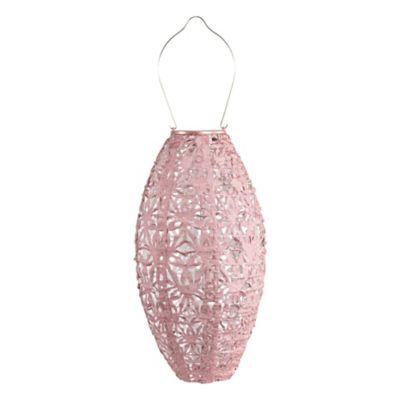
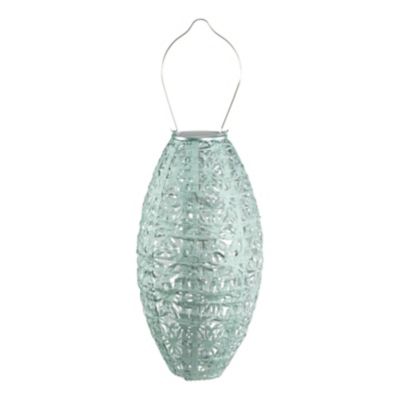
Hands-free placement can turn a portable light into a much more useful companion for work and camp. A hanging hook keeps a lantern above the table instead of beside a plate, and a folding handle can provide a convenient spot to suspend it from a suitable support. A magnetic base can hold the light against a compatible steel surface while both hands work on a latch or inspect a tool; it will not grip aluminum, wood or every type of stainless steel. Tripod fittings and adjustable stands offer other placement options where included. A broad, steady base helps on a bench or picnic table, while a pivoting head lets the beam point toward the job without balancing the whole light at an awkward angle. Mounts still need a sound surface, and a light should stay clear of moving machinery, livestock reach and walkways. For life around dusty sheds, gravel paths and packed gear bags, housing construction, lens protection and port covers all matter. An impact-resistance rating provides more useful information than appearance alone, and a stated water-resistance rating describes protection under particular test conditions, not permission to leave every light submerged. Rubber seals and covered charging ports help protect vulnerable openings when kept properly closed. Routine care is straightforward: wipe away dirt with a soft cloth, keep the lens clear and follow the manufacturer's cleaning and charging directions. Charging connections should be clean and dry before a cable goes in, and a cracked housing, swollen battery or damaged cord calls for taking the light out of service. A designated storage spot makes the lantern easier to find during an outage, and periodic charge checks help keep an emergency kit ready. Solar charging offers another approach to portable area lighting, with related options on the
Outdoor Solar Portable Lantern page; charging performance depends on the design and access to sunlight. Whether the main job is lighting a campsite, carrying a beam across the yard or keeping a room lit without household electricity, a rechargeable lantern flashlight works best when its size, mounting options, charging setup and light modes fit the way it will travel and work.