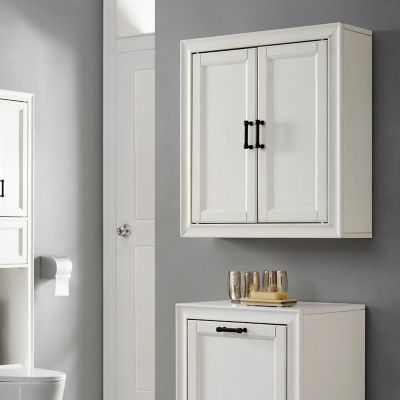
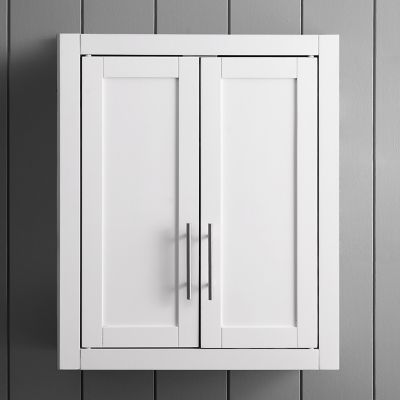
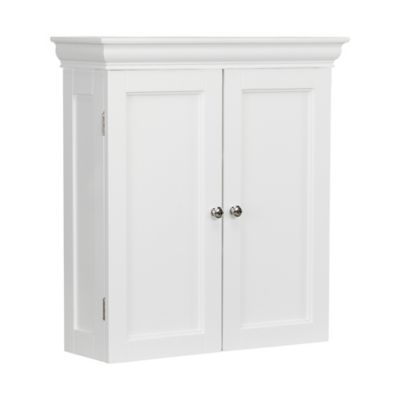
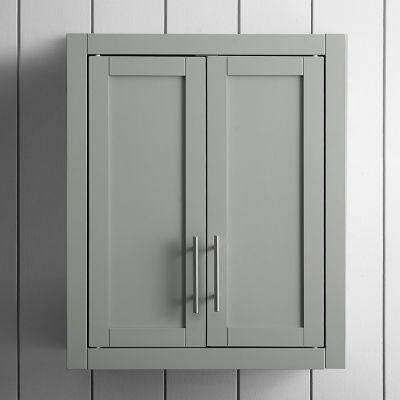
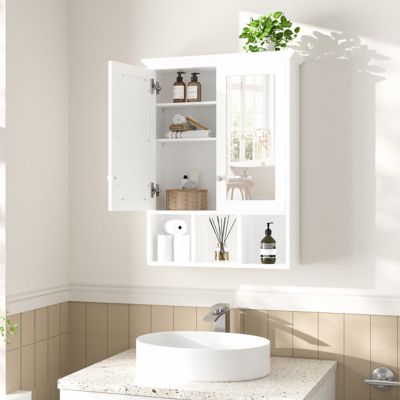
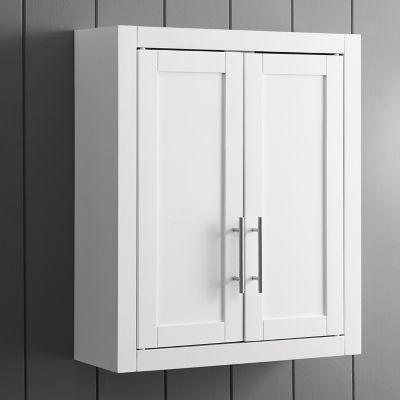
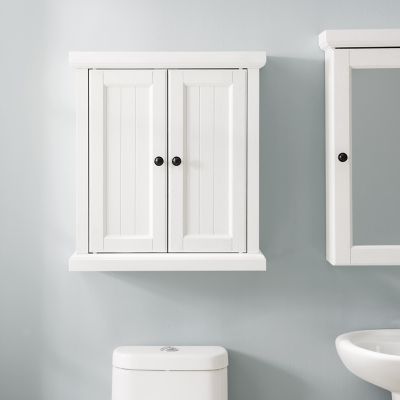
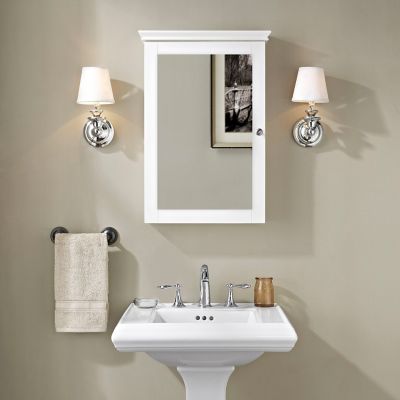
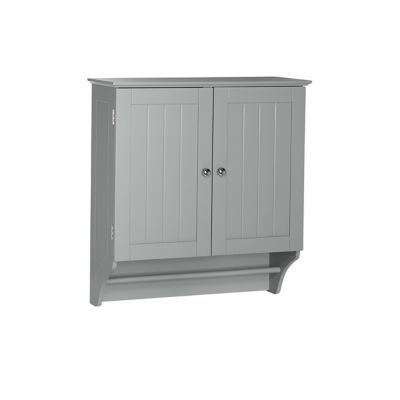
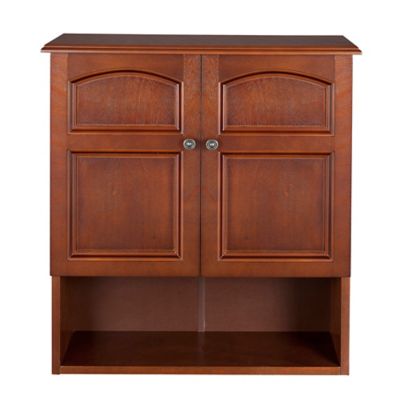
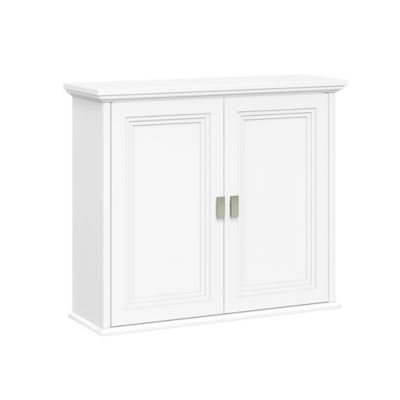
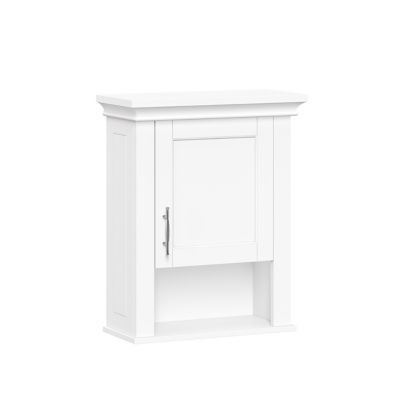
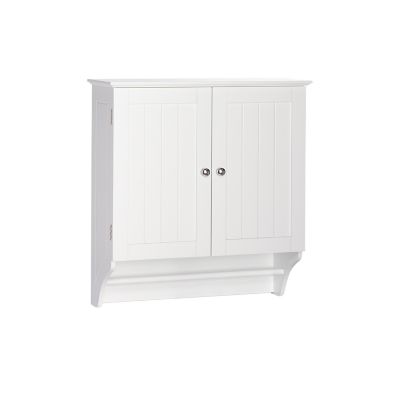
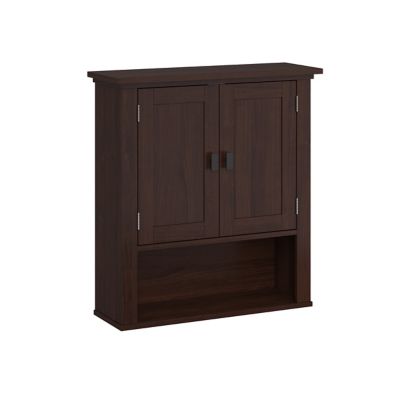
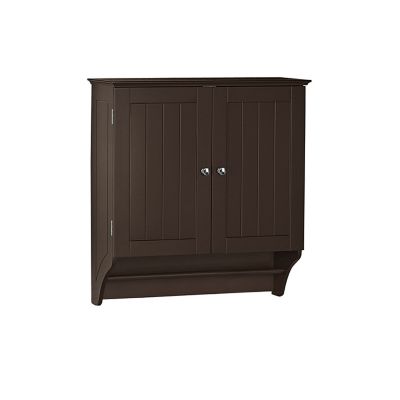
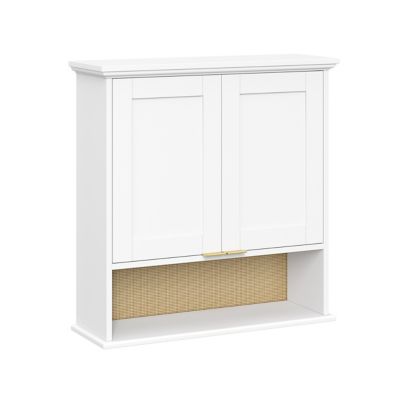
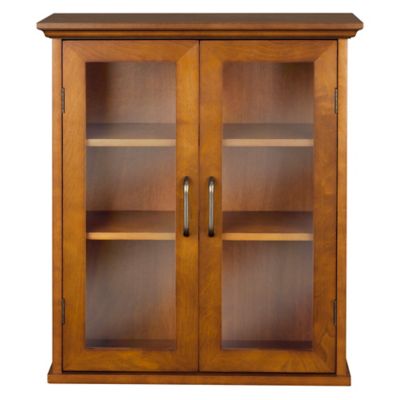
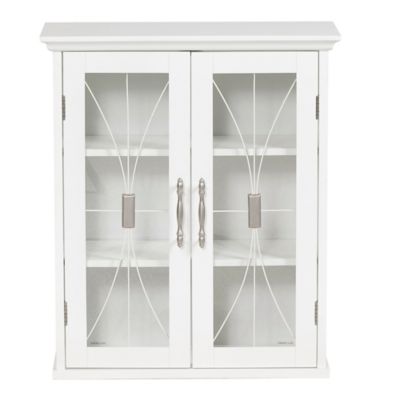
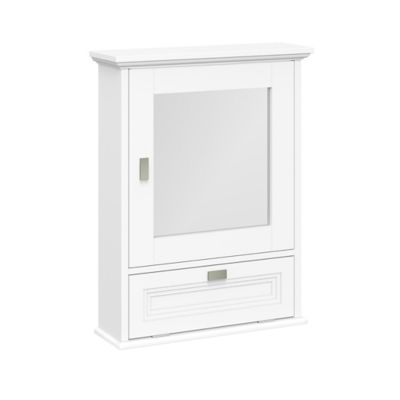
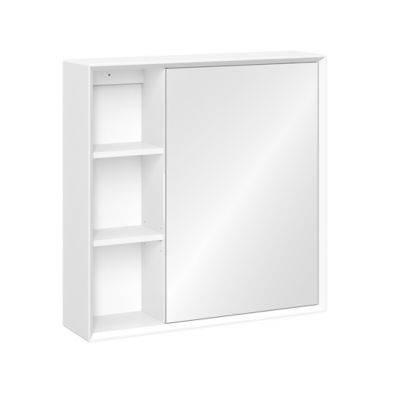
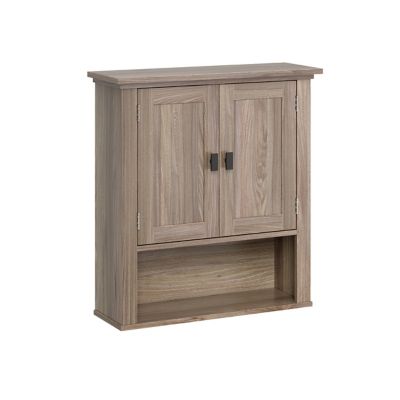
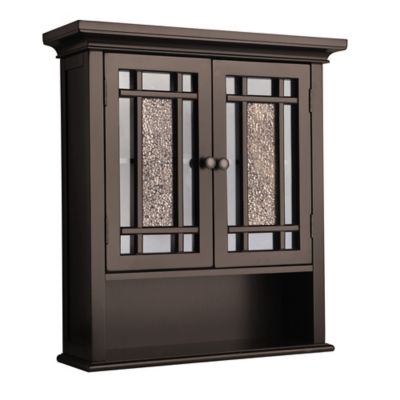
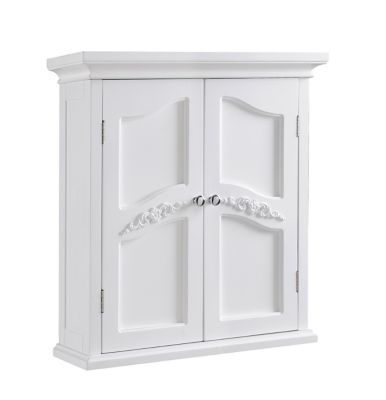
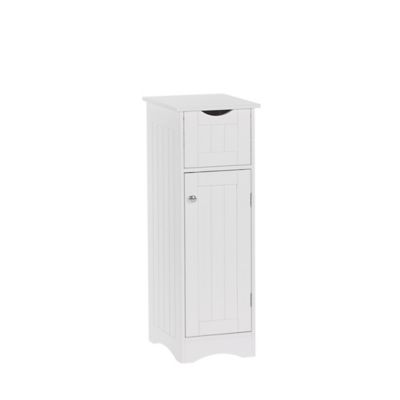
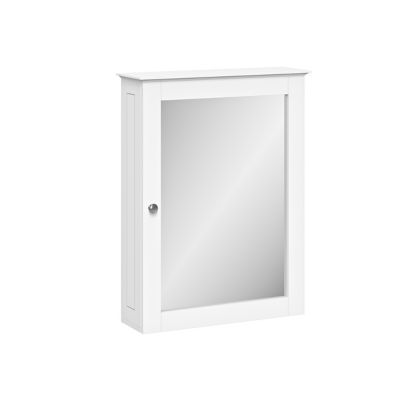
Bathroom wall cabinets with shelves make room for everyday essentials by putting vertical space to work instead of taking up more floor space. Designs with both open shelves and enclosed compartments offer two kinds of storage in one spot: easy access for frequently reached-for supplies and a place to tuck away extra toiletries. That combination fits plenty of bathrooms, from a small half bath off the mudroom to a shared family bathroom where counter space fills up fast. An open lower shelf can hold folded washcloths, a tissue box or a small basket of hair ties, while shelves behind doors keep spare soap and personal care supplies out of sight. Shelf spacing matters just as much as the number of shelves. Tall lotion bottles need more clearance than stacked hand towels, and adjustable shelves let the interior change as household needs change. Fixed shelves have set dimensions, so their spacing needs to suit whatever will go inside. Interior depth also makes a difference: a cabinet may look roomy on the wall but still be too shallow for a larger toiletry bag or a wide basket. For a guest bathroom, a shelf with a few neatly folded towels makes the basics easy to find without opening every door. In a busy household, separate baskets or clearly divided shelf space can help keep everyone’s morning routine from spilling across the vanity. Open shelves are especially handy for supplies that need to stay within reach, but they leave contents exposed to splashes and dust. Enclosed storage gives the room a tidier appearance, though a cabinet door alone does not make medications or cleaning products secure around children. Those supplies need storage suited to their safety requirements. The most useful arrangement leaves enough breathing room to grab a towel or lift out a bottle without shifting everything else around it.
Size and placement determine how comfortably a bathroom wall cabinet fits into the room. Overall width, height and depth tell only part of the story; door movement, nearby fixtures and the height of the lowest shelf all affect everyday access. Above a toilet, a cabinet needs enough clearance for the tank lid to lift off when plumbing work is needed, along with enough headroom for someone to stand comfortably. Beside a vanity, a shallow cabinet may keep supplies close without projecting too far into a narrow walkway. A deeper design offers more storage, but that extra depth can feel crowded near a sink or doorway. Measuring the wall area alongside the cabinet’s full dimensions helps account for trim, towel bars, outlets, switches and light fixtures rather than just the empty patch of wall. Hinged doors need room to open without hitting a mirror or adjacent wall, and knobs or handles add a little more projection. Shelf height deserves attention, too, especially in a bathroom shared by people of different heights. Everyday supplies belong within comfortable reach, while less frequently needed extras can occupy higher shelves. Wall construction is another important consideration because a filled cabinet weighs more than its empty frame. Mounting requirements depend on the cabinet, the wall surface and the supporting structure; fastening into studs or using suitable anchors must follow the manufacturer’s directions. Drywall, plaster, masonry and tiled walls each call for appropriate hardware and installation methods. The cabinet’s total weight limit and any separate shelf limits matter when planning storage, particularly for glass containers or several full bottles. A wide cabinet is not automatically built to carry a heavier load than a narrow one. In a bathroom with limited wall space, a compact layout with well-spaced shelves can be more practical than a larger cabinet that crowds the room. The goal is storage that feels settled into the space, with doors that open freely and essentials that stay easy to reach.
Materials, construction and finish influence how a bathroom wall cabinet handles everyday household use. Solid wood brings natural grain and variation, while engineered wood offers a range of painted and covered finishes. Metal cabinets provide another look, with performance that depends partly on the metal and its protective coating. No material should be assumed to tolerate standing water or persistent dampness simply because the cabinet belongs in a bathroom. Sealed surfaces, protected edges and care directions suited to a humid room are worth considering, especially near a sink or shower. Exposed seams and unfinished edges can be vulnerable to moisture, and even a well-finished cabinet benefits from good bathroom ventilation. Spills and splashes are easier to manage when wiped away promptly rather than left around shelf joints or door edges. Routine care generally calls for a soft cloth and a cleaner approved for the finish, with abrasive pads and harsh chemicals avoided unless the manufacturer specifically permits them. Open shelving also needs occasional clearing so dust and residue do not collect beneath baskets and bottles. Leaving a little space between stored supplies makes that upkeep less of a chore. Construction details such as secure shelf supports, firmly attached hinges and doors that sit evenly help indicate how the cabinet is put together. Adjustable shelves should rest properly on their supports, and replacement hardware compatibility may matter over time. Appearance can stay straightforward: a white finish can blend with light fixtures and trim, a wood-tone finish can bring warmth alongside painted walls, and darker finishes can tie in with faucets or cabinet pulls. For shoppers who prefer more concealed storage,
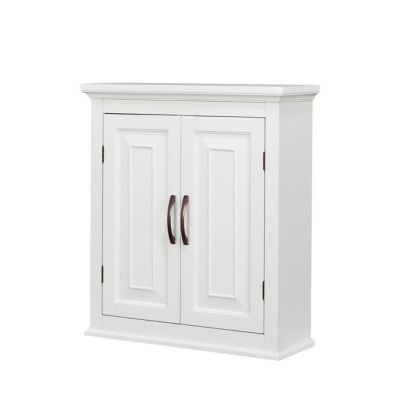
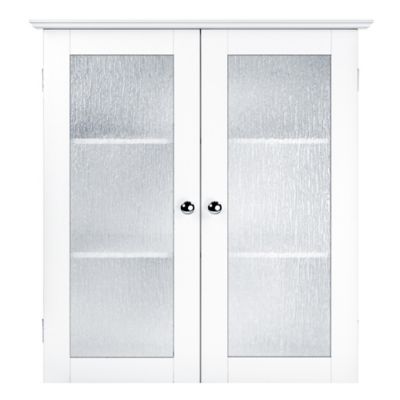
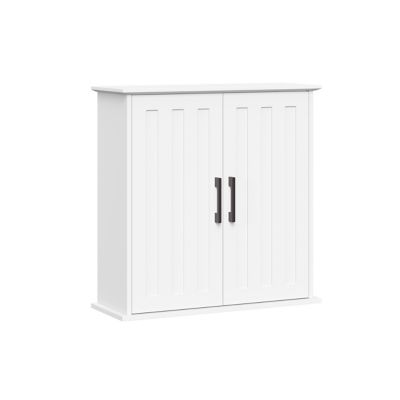
bathroom wall cabinets with doors offer another way to keep toiletries tucked away. Whether the room serves a farmhouse full of family or a small guest space, a sensible mix of shelf room, accessible storage and manageable care helps keep the bathroom ready for everyday life.