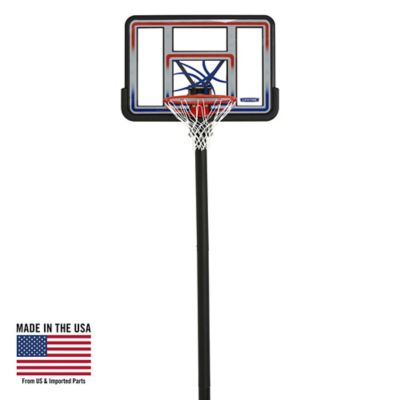
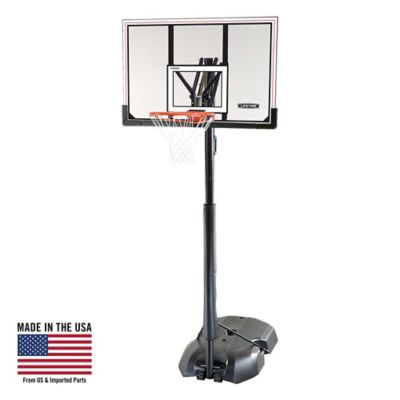
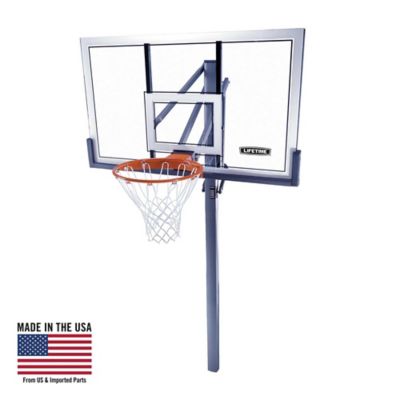
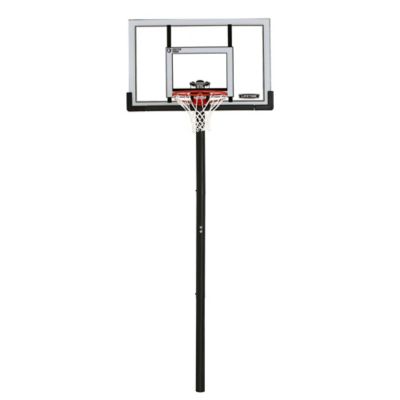
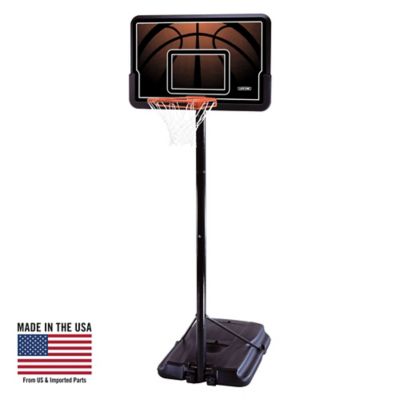
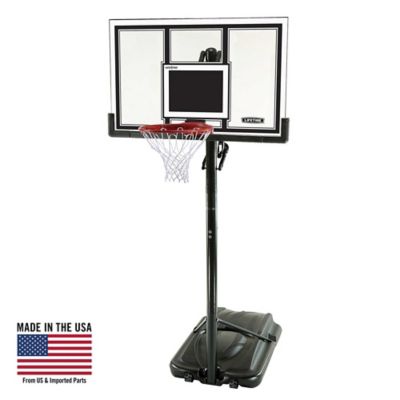
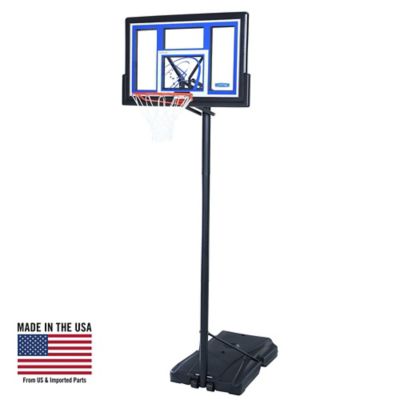
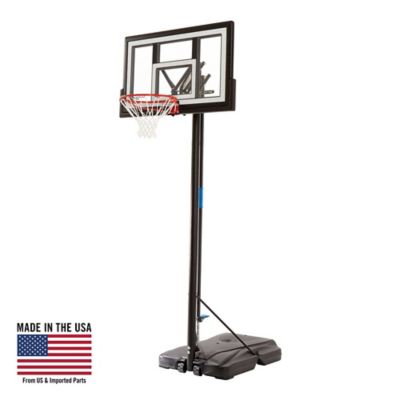
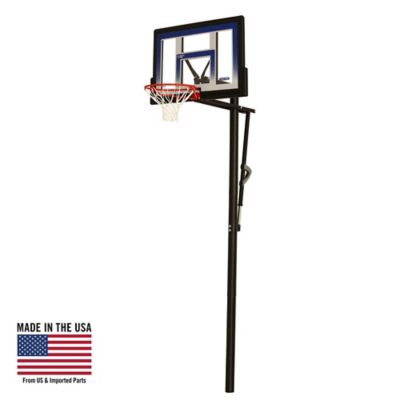
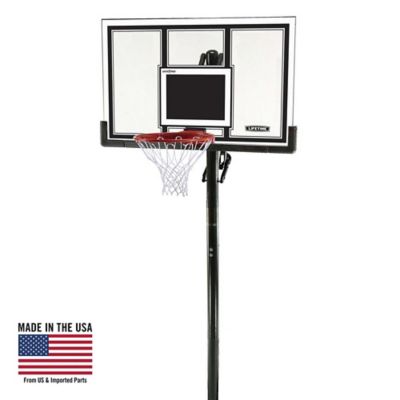
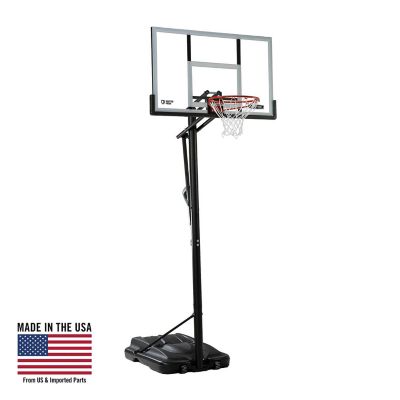
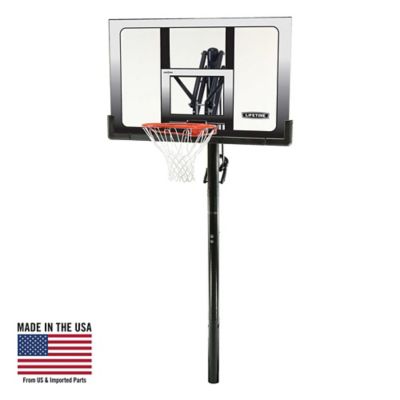
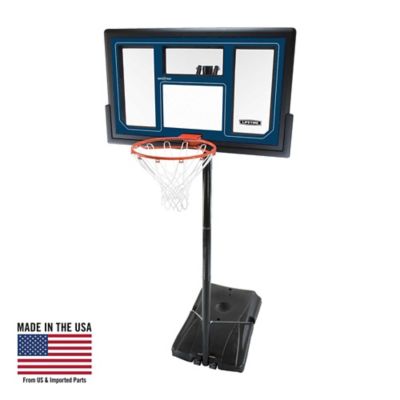
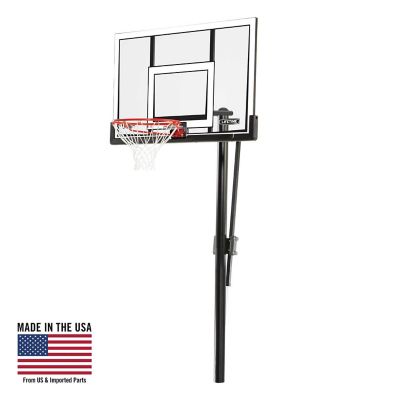
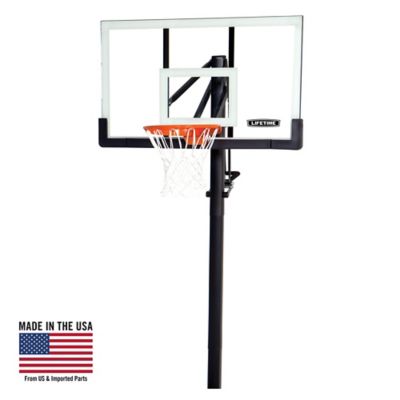
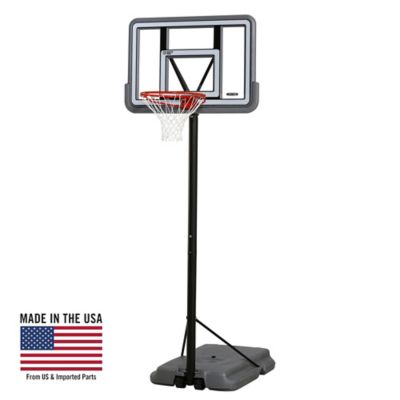
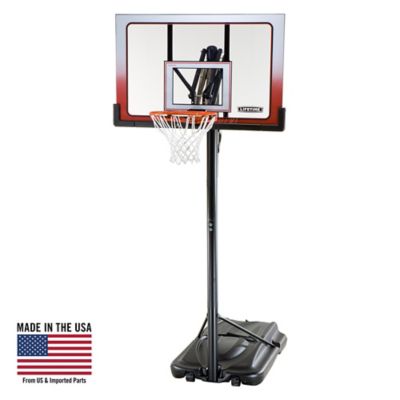
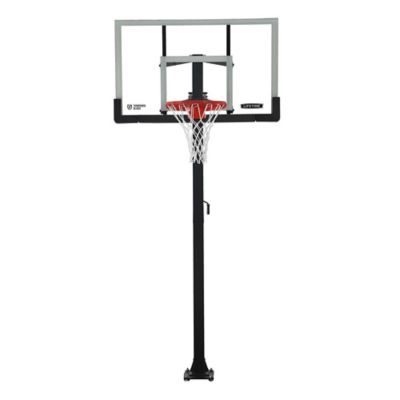
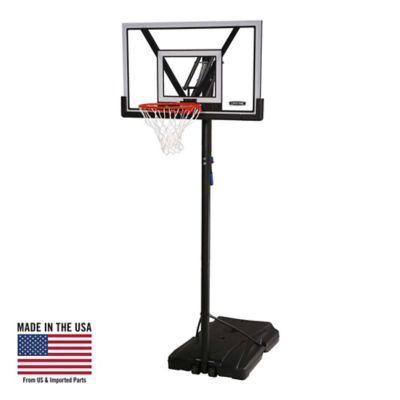
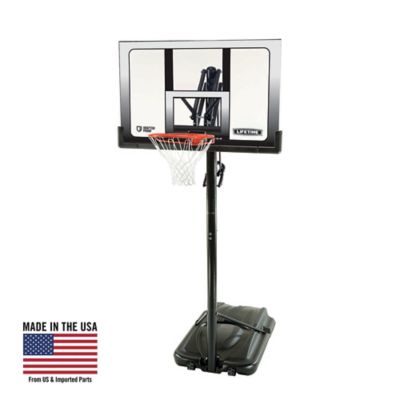
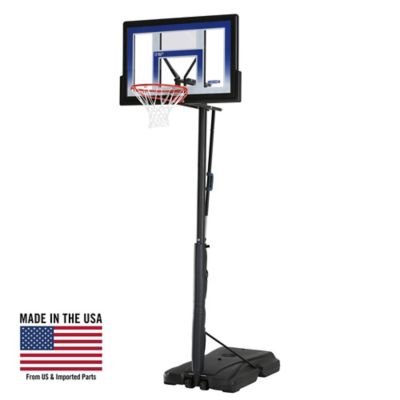
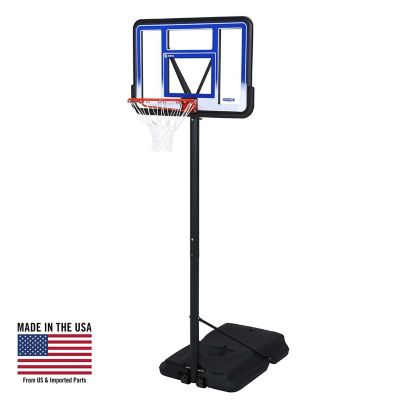
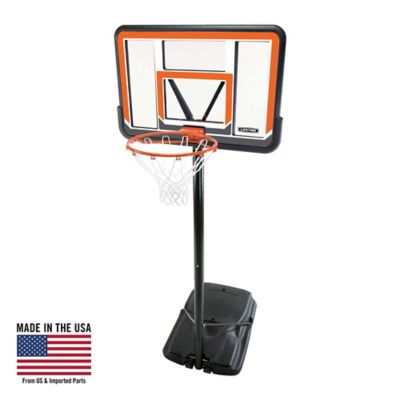
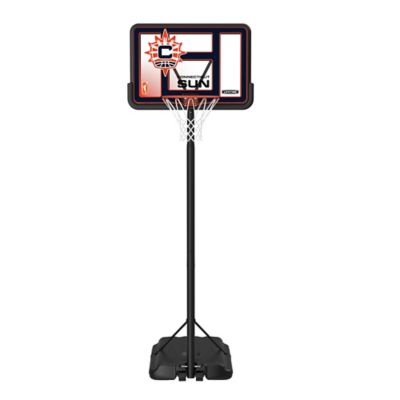
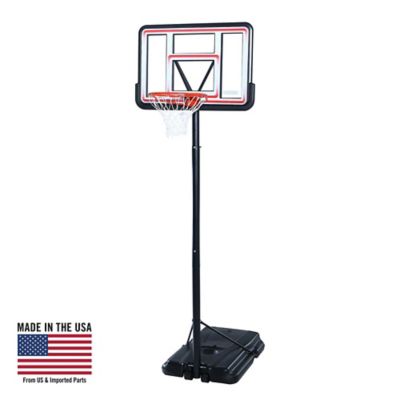
Basketball hoops turn a clear stretch of driveway or a home court into a place for free throws after chores, a quick game of HORSE or a little friendly competition with the neighbors. The right setup starts with where the game will happen and who will be shooting. Portable basketball hoops have a freestanding base that holds ballast, typically water or sand as specified by the manufacturer, along with wheels for repositioning. That makes them a practical fit for households that need some flexibility in how a paved area serves the family. A filled base is heavy, though, and moving the system takes more planning than simply rolling an empty cart across the driveway. In-ground basketball hoops put the support pole into a permanent installation, either directly in concrete or on an anchored mounting system, depending on the design. Their planted feel suits a dedicated playing area where the basket will stay in one spot. Wall-mounted basketball hoops leave the ground beneath the backboard open, but they need a supporting structure and mounting hardware suited to the load. Siding alone is not a structural mounting surface, and a garage door needs enough clearance to operate without contacting the hoop assembly. Across all three styles, the playing surface matters as much as the basket. Level concrete or asphalt gives players a firmer footing and a more consistent dribble than gravel or grass. Enough open space beneath and around the hoop lets players finish a layup, chase a rebound and slow down without running into a parked truck, fence or support post. A spot away from vehicle traffic also keeps a missed pass from turning into a trip through an active driveway. Pole placement and backboard overhang affect that layout: the distance between the backboard and support can change how much room players have under the rim. Thinking about the whole playing area, rather than just the basket’s footprint, helps a home setup fit everyday life.
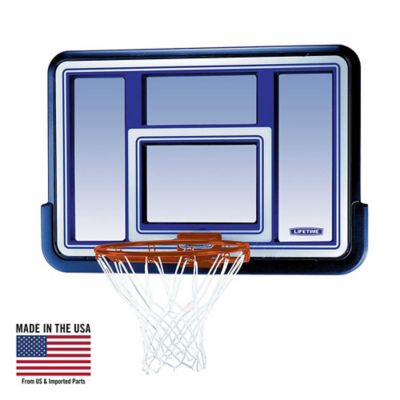
Backboard material, board size and rim construction all shape how a basketball hoop feels during play. Polycarbonate backboards resist impacts and are often paired with lighter home systems; their flexibility can produce a less lively rebound than a rigid glass board. Acrylic backboards offer a clear playing surface and can provide a responsive bounce, although performance also depends on board thickness, framing and the support behind it. Tempered glass backboards are heavier and generally provide the firm, consistent response associated with indoor courts. No material tells the whole story by itself. A larger board on a light support may move more than a smaller board with substantial bracing, especially when a hard shot catches the upper corner. Home basketball backboards commonly range from about 44 to 72 inches wide. A wider board gives players more space for bank shots and angled layups, while a narrower board can suit a smaller playing area or casual shooting. For reference, a regulation backboard measures 72 inches wide by 42 inches tall, a regulation rim has an inside diameter of 18 inches, and regulation rim height is 10 feet above the playing surface. Adjustable basketball hoops let a household bring the basket down for younger players, then raise it as their strength and shooting form develop. Many home systems adjust from roughly 7.5 feet to 10 feet, while some youth-oriented designs reach lower; the stated adjustment range is worth checking rather than assuming every hoop works the same way. A height mechanism should also fit the adults who will operate it, with clear locking positions and accessible controls. Steel rims may have a fixed connection or a spring-loaded breakaway design that yields under pressure. A breakaway rim does not automatically make a system suitable for dunking or hanging, so the manufacturer’s play restrictions still apply. For families sharing one basket, these construction details matter whether the game is a child’s first close-range shot or an older player’s steady free-throw routine.
The best fit for a household is often the basketball hoop that matches its actual habits. A younger child learning to send the ball toward the square on the backboard benefits from a reachable basket and a ball sized for smaller hands. A teen working on footwork and jump shots may appreciate a steadier support, more backboard area and enough court space to practice at different angles. Adults getting together for a pickup game need room to move just as much as they need a full-height rim. A hoop can also make a memorable family gift, but the installation belongs in the planning along with the surprise. For families considering
basketball gifts for Christmas, the recipient’s playing space, age and interest in the game help determine whether a portable, in-ground or wall-mounted setup makes sense. Permanent installations can involve concrete work, underground utility checks and more than one adult handling the backboard and pole. Portable systems need their specified ballast before play, not just a few heavy objects stacked across the base. Once the hoop is in place, routine attention helps keep it ready for the next round. Hardware, pole joints, mounting points and adjustment locks deserve regular checks according to the owner’s manual, particularly if the board develops a wobble or the rim begins to sit unevenly. A soft cloth and a cleaner approved for the backboard material help clear away dirt without scratching the shooting surface. Nets need attention when loops fray, and exposed edges or damaged padding should be addressed before another game. Protective pole padding can soften incidental contact, but it does not replace open space or sensible play. With a setup that fits the players and the property, a basketball hoop gives everyone a familiar place to take another shot, settle a friendly free-throw contest or spend a little more time together.