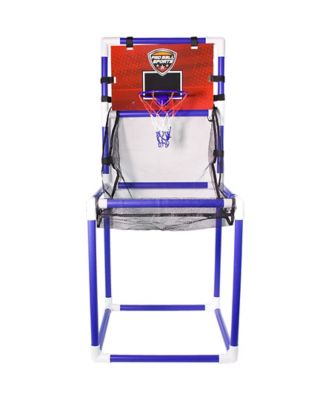
Small basketball hoops are compact basketball goals made for short-range shooting and casual games in spaces where a full-size goal would take up too much room. Often called mini basketball hoops, they come in over-the-door, wall-mounted, tabletop and freestanding designs, with each style suited to a different setup. A door-mounted hoop can turn part of a bedroom or recreation room into a spot for a quick shooting contest, while a tabletop version brings the game down to a desk or counter. A small freestanding hoop gives younger players a basket closer to their reach, provided the height and age rating match the child. These smaller goals can be a good fit for families looking for a shared activity, basketball fans who enjoy a few shots between chores and adults who want a little friendly competition during a break. Their compact size does not mean every model fits every room, though. Backboard width, rim diameter and the distance the hoop projects from its mounting surface all affect the space it needs. Room for the shooter matters just as much: a clear stretch of floor helps keep the game away from lamps, windows and the corner of the coffee table. Mini hoops also call for a ball sized to the rim, rather than a regulation basketball that may be too large or heavy for the setup. Some sets include a matching ball, while others call for a separate purchase, so package details matter when putting together a ready-to-play gift. Foam balls generally make a softer landing indoors, while inflatable mini basketballs offer a different grip and bounce. The right match comes down to the hoop’s stated ball requirements, the players’ ages and the space around the basket. For a quick game of HORSE with the family or a few bank shots before supper, a well-matched hoop and ball can keep the setup simple without taking over the whole room.
The backboard, rim and mounting hardware all play a part in how a small basketball hoop feels during play and handles everyday wear. Molded plastic backboards can keep a setup light, while clear acrylic or polycarbonate boards offer a look closer to a full-size basketball goal. Material thickness, frame support and attachment points matter alongside the material itself, especially when a backboard takes repeated bank shots. Rims may be molded plastic or metal, and some have a spring-loaded design that flexes under the kind of play described by the manufacturer. A flexing rim is not a handhold, though, and a mini hoop should never serve as a climbing aid or support a player’s weight. Over-the-door basketball hoops need brackets that fit the door’s thickness, along with enough clearance above the door for the mounting hardware. Padding behind the backboard or along the brackets can help cushion contact, but a secure fit still matters for limiting movement and rattling. The door also needs to open and close properly without interfering with an exit. Wall-mounted hoops call for hardware and a supporting surface suited to the installation instructions; drywall alone is not automatically enough to hold a basketball setup. Freestanding designs have their own footprint, with the base taking up floor space beyond the backboard and rim. Sound is another practical consideration in a busy household. The ball striking the board, the rim moving and the ball bouncing across the floor can carry into the next room, even with a smaller hoop. A softer ball may suit a shared living space better, as long as it meets the hoop’s requirements. Nets, too, vary in material and attachment style, which affects how easily they can be removed for care or replacement. Electronic scoring and sound effects can add to the game on some designs, with battery requirements, sensor placement and volume controls worth checking before setting one up near a study area or shared workspace.
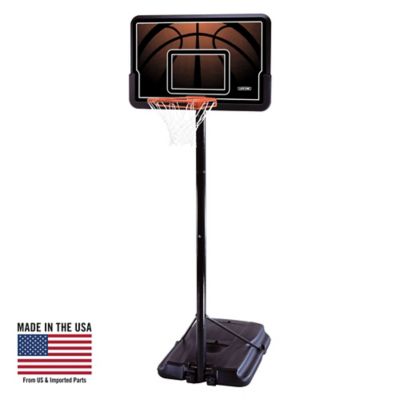
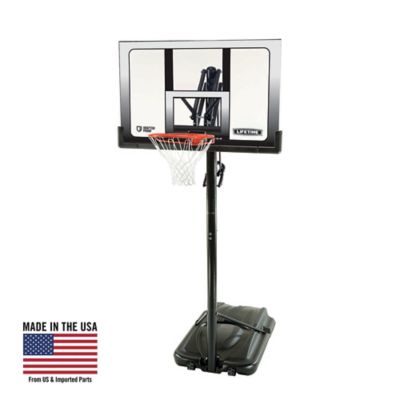
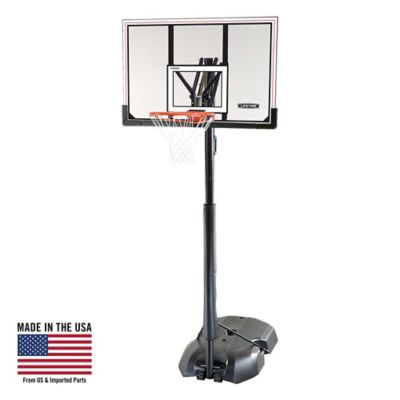
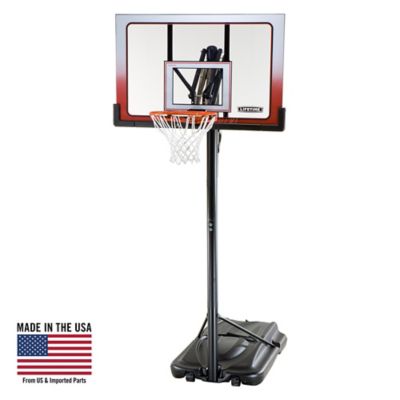
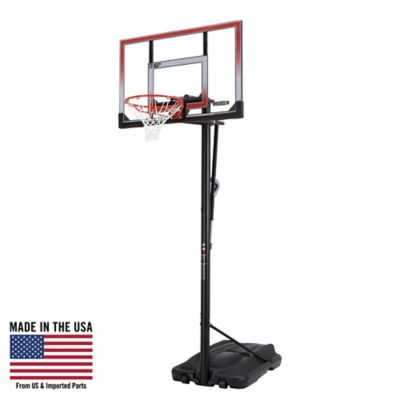
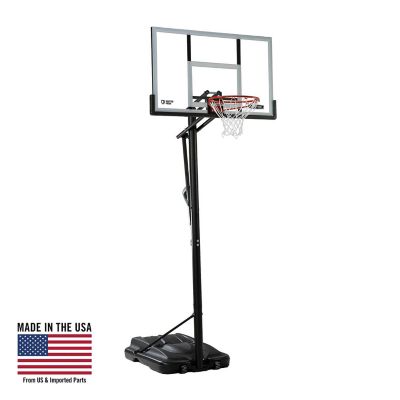
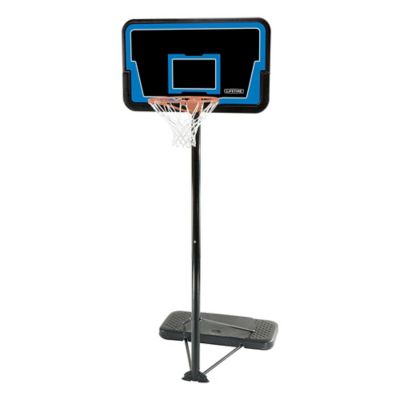
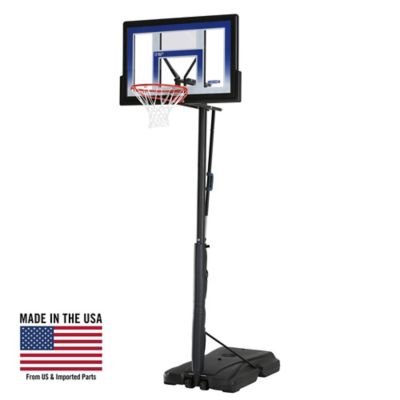
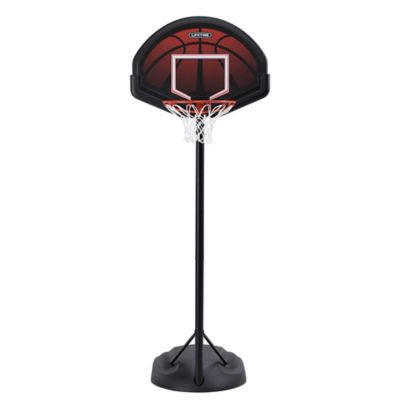
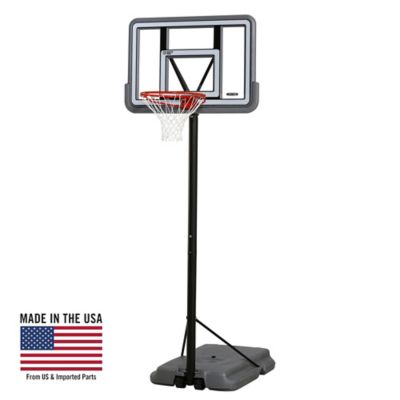
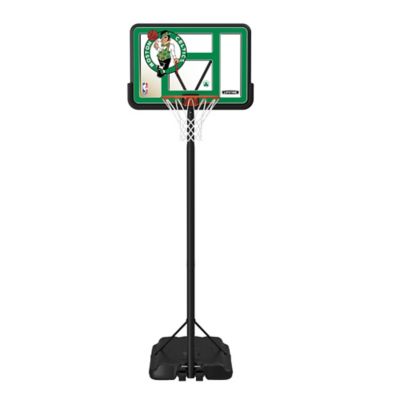
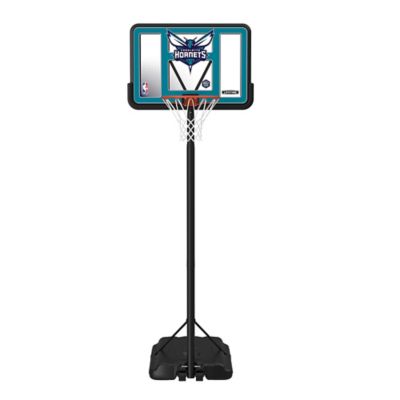
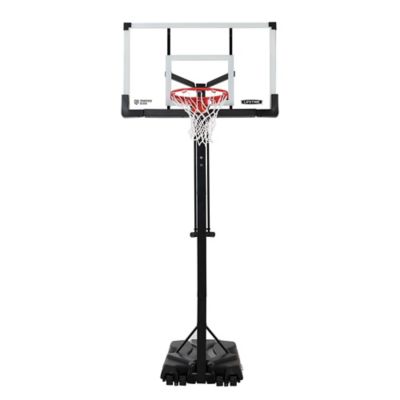
For younger children, a reachable basket and a ball that fits comfortably in small hands can make shooting feel less frustrating. Age recommendations and supervision requirements still matter, particularly with nets, mounting hardware and any small parts. Adjustable-height mini hoops can accommodate different players, but the usable height range and the way the adjustment locks in place are more helpful details than the word “adjustable” alone. Older kids and adults may prefer a door-mounted basket for short shooting games, where taking turns and choosing a few shooting spots can keep play contained. A small hoop offers a chance to practice aiming, release and coordination, though its shorter distances and smaller ball do not duplicate regulation basketball. For a larger setup with a movable base and a height-changing rim,
Portable Adjustable Basketball Hoops provide another option, with their own space, assembly and base-filling requirements. A mini hoop can also make a thoughtful birthday gift for a basketball fan, a playroom addition for siblings or a friendly challenge for a shared break room. Matching the setup to the recipient’s space helps keep that gift from becoming something with nowhere to go. Care is usually straightforward, but the instructions for the particular materials should lead the way. A soft cloth and a cleaner approved for the backboard help avoid scratches or damage to printed graphics, while electronic parts need protection from moisture. Inflatable balls need the stated air pressure rather than extra pumping to make them feel firmer. Occasional checks of brackets, fasteners, rim attachments and net connections help catch looseness before the next game. A hoop intended only for indoor play belongs indoors, and removable parts need a safe storage spot when the game is packed away. With the right fit and sensible upkeep, a small basketball hoop can stay part of everyday family fun, from a child’s first close-range basket to a grown-up’s last shot before heading back to chores.