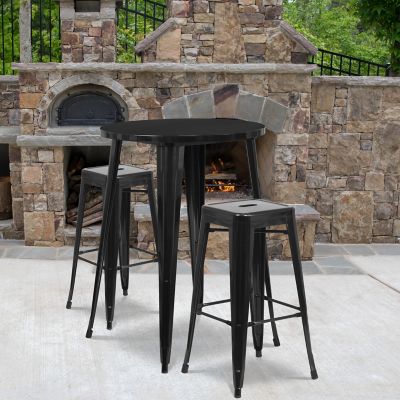
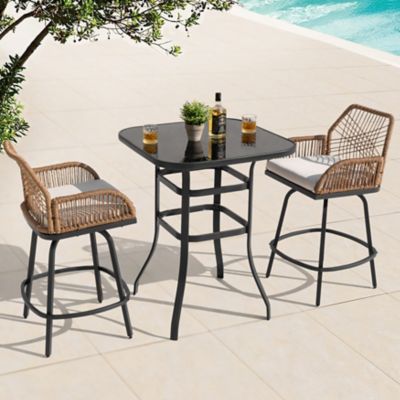
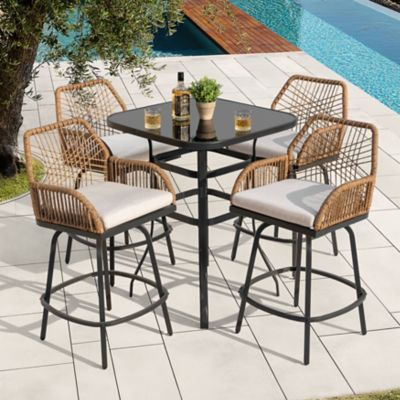
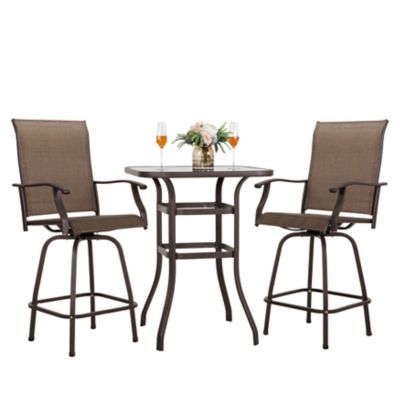
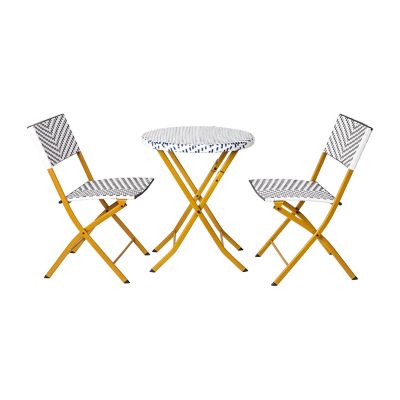
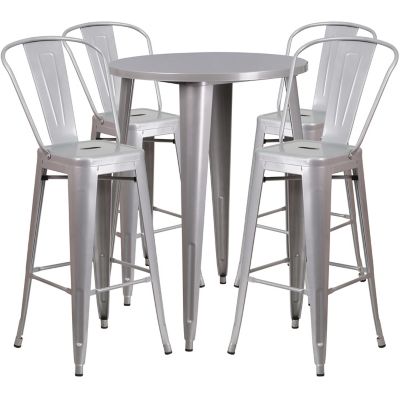
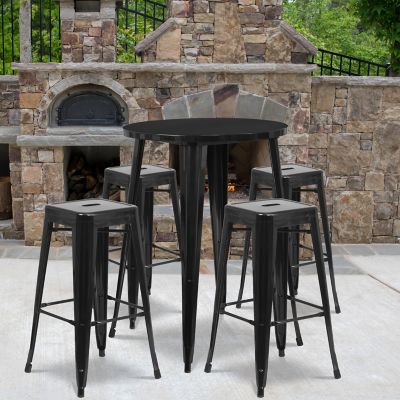
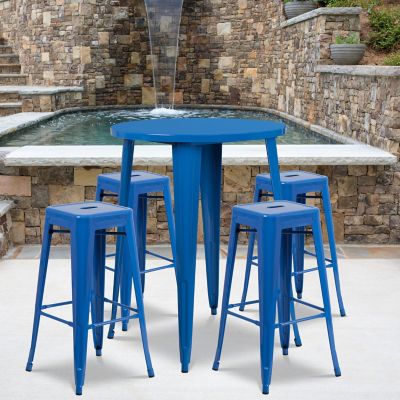
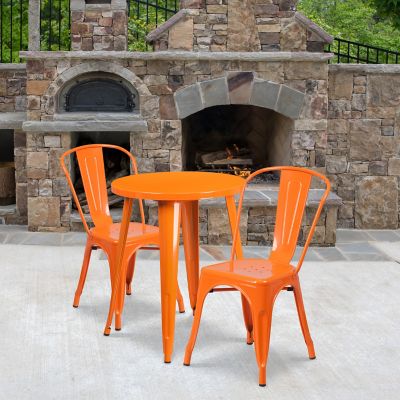
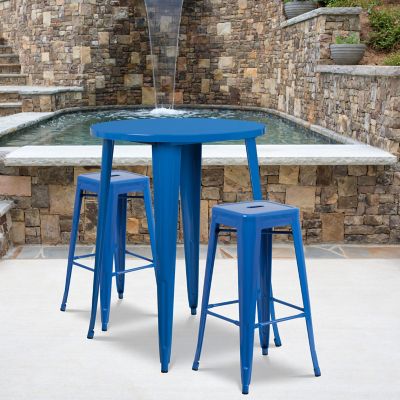
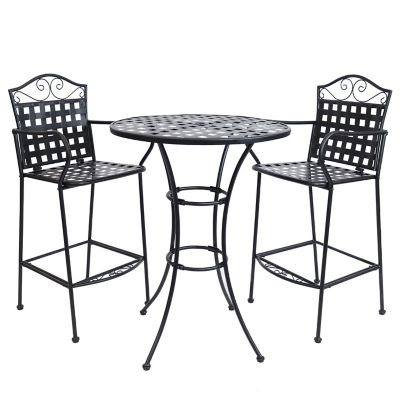
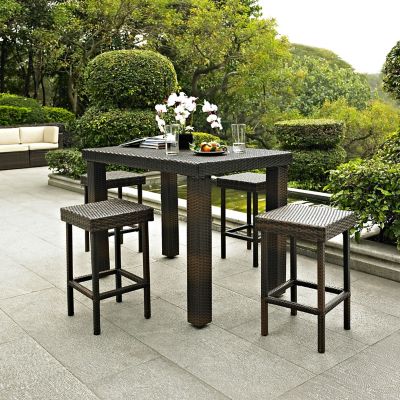
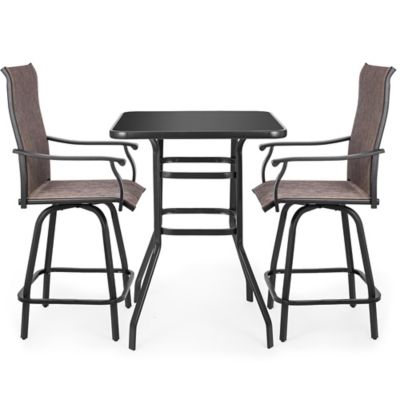
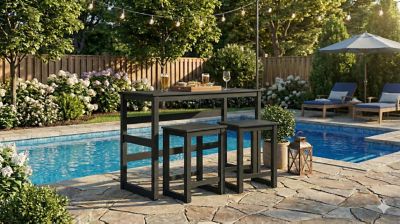
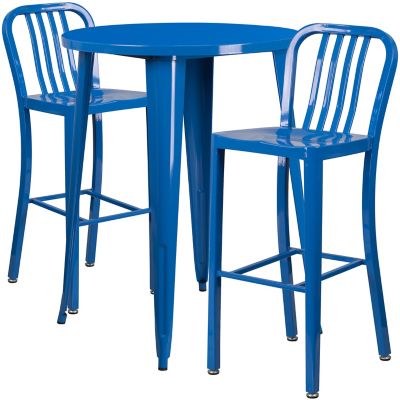
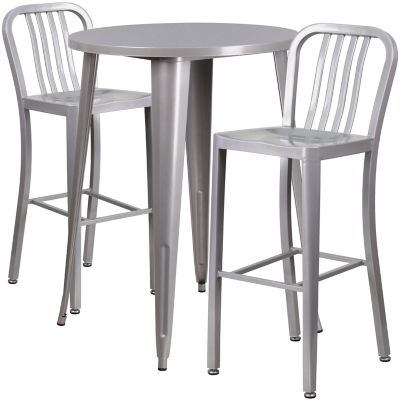
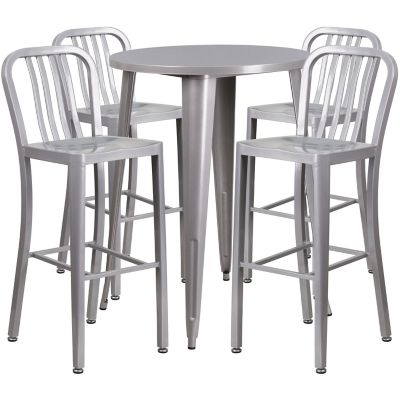
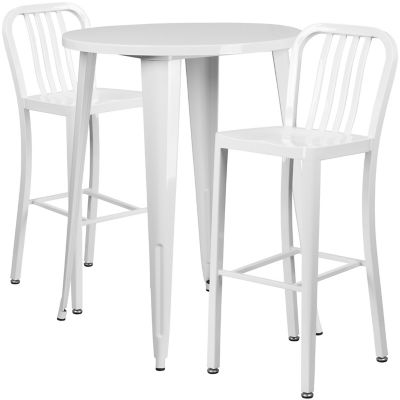
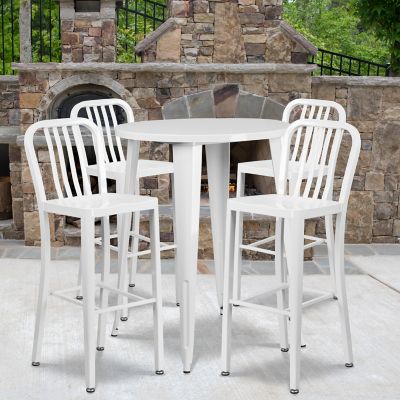
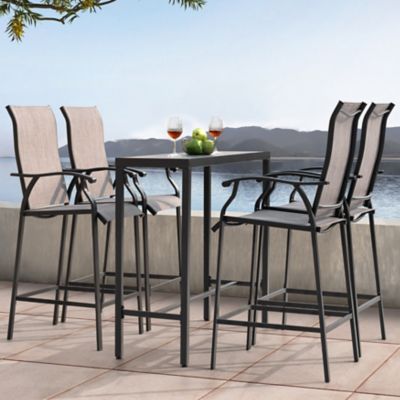
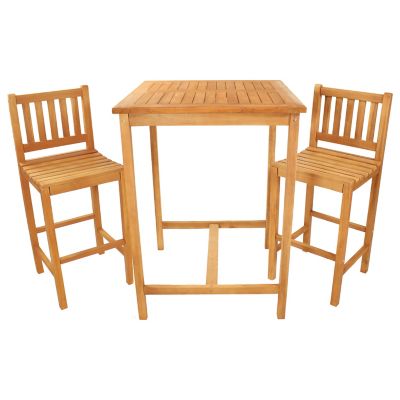
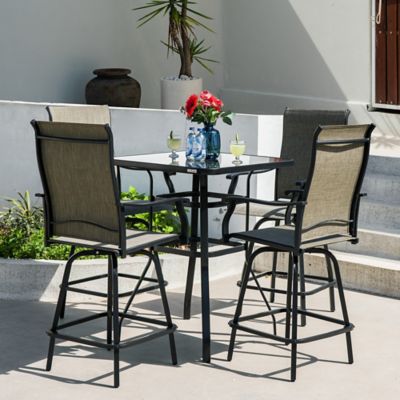
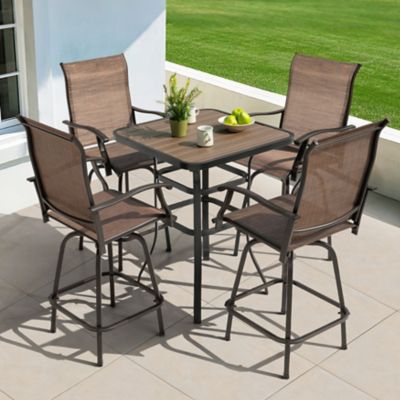
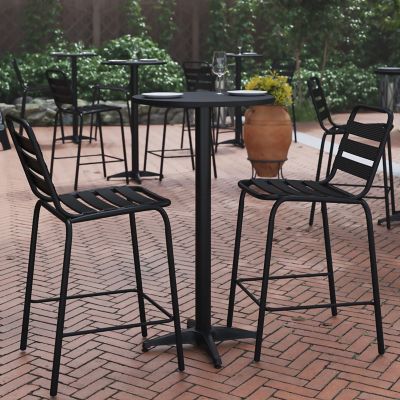
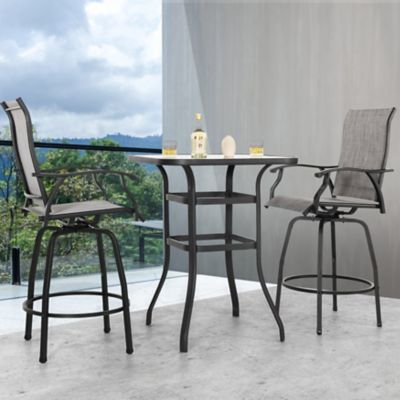
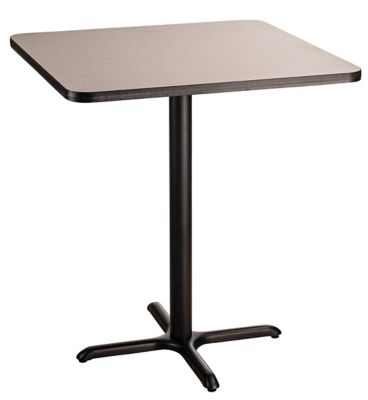
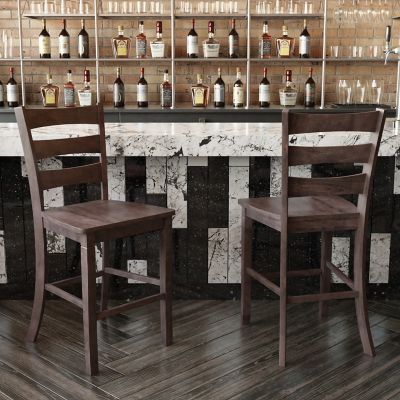
Counter height bistro sets bring a taller table and coordinated seating into a compact dining space, making room for everyday meals without the footprint of a full dining-room arrangement. A counter height bistro table generally stands about 34 to 38 inches tall, compared with roughly 28 to 30 inches for a standard dining table and about 40 to 42 inches for a bar table. Matching stools commonly have seats around 24 to 26 inches high, though exact dimensions vary by set. That difference matters when settling in with a plate of biscuits, sharing coffee before chores, or pulling up a seat for a game of cards. Three-piece bistro sets typically include one table and two seats, a practical arrangement for couples, smaller households, or an extra eating spot away from the main table. Round tops soften the outline of a tight breakfast nook, while square and rectangular tops can sit neatly beside a wall or along the edge of an open kitchen. Many compact tabletops measure roughly 24 to 36 inches across, with enough surface for a simple meal while keeping the surrounding area open. A smaller top suits two mugs and a snack; a wider surface gives dinner plates, glasses, and serving dishes more elbow room. The raised profile also puts the tabletop closer to the height of many kitchen counters, helping a small seating area feel connected to the rest of the room. It does not necessarily create extra workspace at exactly the same level, so the listed table height still deserves a look. For homes where floor space matters more than seating height,
Small Kitchen Bistro Sets offer another way to explore compact dining arrangements. Whether the setting is a farmhouse kitchen, an apartment breakfast corner, or a little spot off the family room, the best fit leaves space for both the meal and the ordinary traffic of the household.
Materials shape how a counter height bistro set looks, feels, and holds up to daily life. Solid wood brings visible grain and a warm feel to an indoor eating area, with finishes that can lean light and simple or deep and rustic. Wood benefits from coasters, placemats, and prompt attention to spills, especially around tabletop seams and joints. Engineered wood, including MDF with a veneer or laminate surface, can provide a smooth, consistent top, but its edges and fastener openings need protection from standing moisture. A laminate tabletop often makes crumbs and everyday messes easier to wipe away; hot cookware still belongs on a suitable trivet rather than directly on the surface. Metal frames can give a small set a leaner outline, leaving more open space beneath the table, while frame thickness, welded connections, and properly tightened hardware all contribute to a steady feel. A powder-coated finish adds a protective layer to metal, although scratches and chips need attention according to the maker’s care directions. For a porch, patio, or balcony, the important distinction is whether the entire set is rated for outdoor placement, not simply whether it has a metal frame. Outdoor-rated aluminum, coated steel, and poly lumber each bring different benefits and care needs. Aluminum is generally lighter and does not form iron rust, steel tends to add weight, and poly lumber does not need the same finishing routine as natural wood. Hardware, cushions, and tabletop construction matter just as much as the main frame material when assessing suitability for an outdoor setting. Cleaning directions vary by finish, but a soft cloth and a mild cleaning solution are often appropriate when the manufacturer allows them. Abrasive pads and harsh cleaners can harm protective surfaces. Tightening fasteners as directed, checking foot glides, and keeping grit off seats and tabletops help preserve both the appearance and the everyday function of the set.
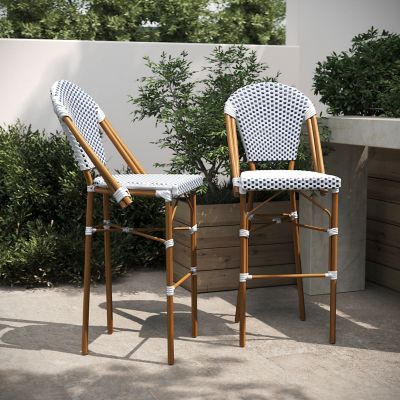
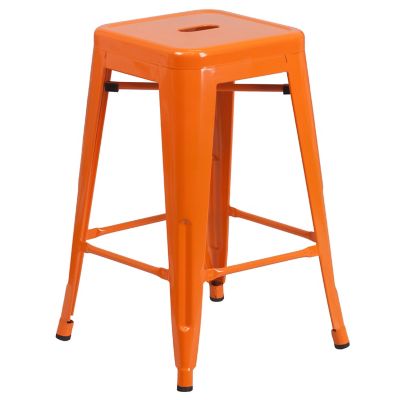
Fit goes beyond whether the table slips into an empty corner. A counter height dining set needs room for knees beneath the top, feet at the base, and chairs or stools to move out comfortably. Around 10 to 12 inches between the seat and the underside of the tabletop is a common starting point for legroom, but a deep apron or low support rail can reduce that opening. Table legs and crossbars can also keep seats from sliding fully underneath, even when the tabletop looks wide enough. In a narrow kitchen, that difference can determine whether someone can pass with a laundry basket while another person sits down to eat. Roughly 36 inches from the table edge to a wall or nearby furniture is a common starting allowance for pulling out a chair, with more space helpful wherever people need to walk behind an occupied seat. Backless stools tuck away neatly and keep sightlines open, while chairs with backs offer support for a longer breakfast or a relaxed evening conversation. Arms add another point of support but may keep a chair from fitting under the table. Footrests are especially useful at counter height because many adults cannot rest their feet flat on the floor from a raised seat. A well-placed rail supports a more settled sitting position instead of leaving legs dangling. Seat width, padding, back shape, and listed weight capacity all deserve attention alongside the overall measurements. Swivel seats can make turning toward a conversation easier, though they still need clearance from walls and neighboring furniture. Higher seating may not suit small children or anyone who finds climbing onto a stool uncomfortable, making access an important part of the choice. For everyday meals, a firm seat with an easy-clean surface may be just right; for lingering over puzzles or visiting with a neighbor, a supportive back and a little cushioning can make a noticeable difference. A thoughtfully sized bistro set earns its place by making a modest corner comfortable, useful, and ready for the routines that fill a home.