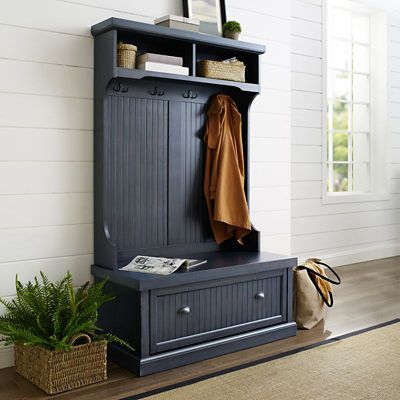
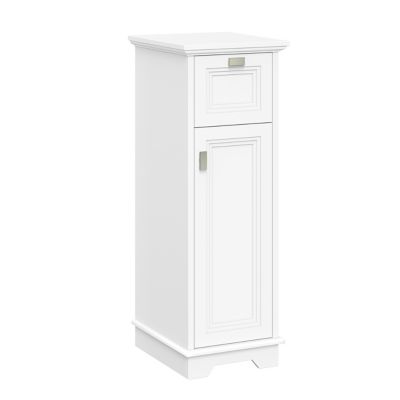
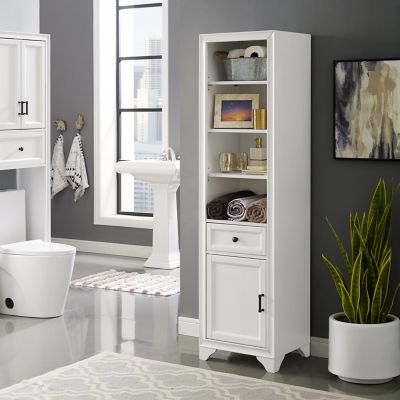
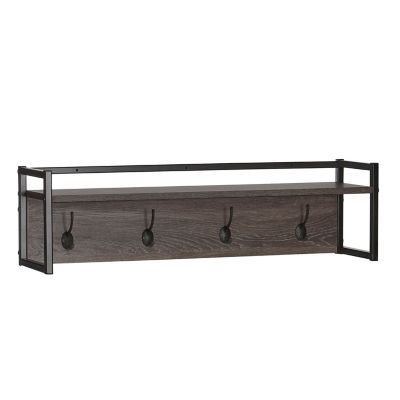
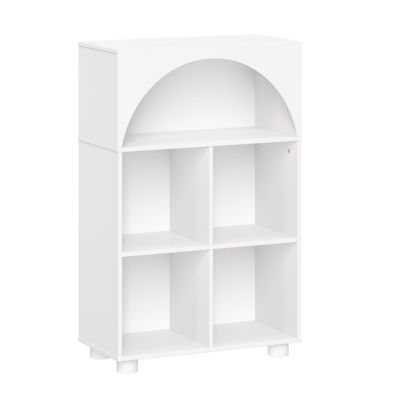
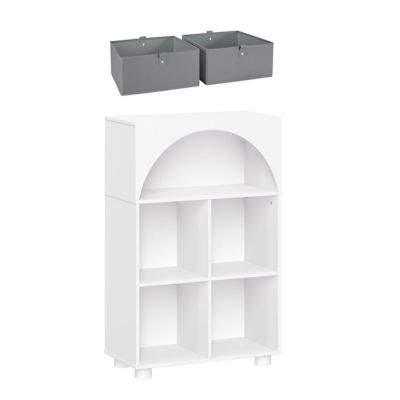
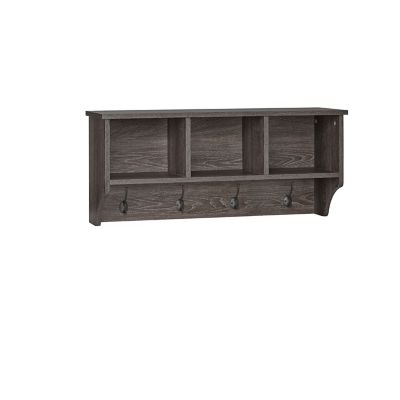
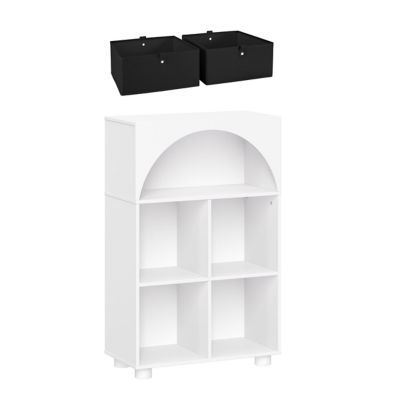
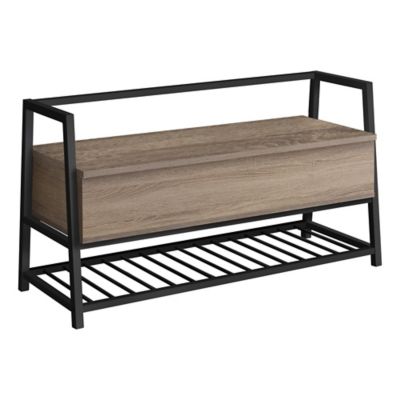
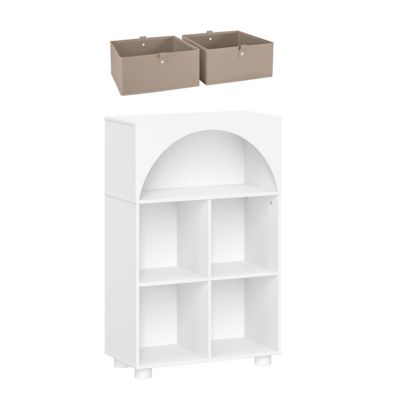
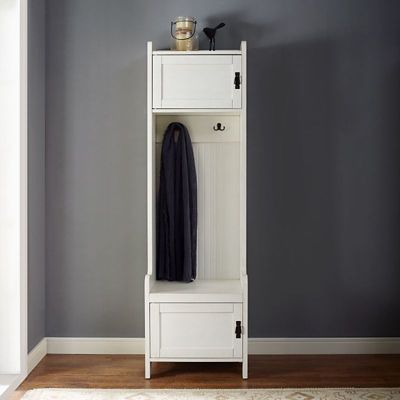
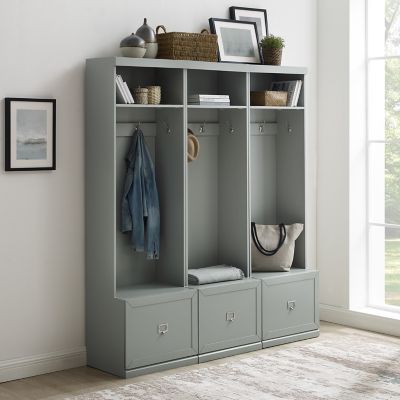
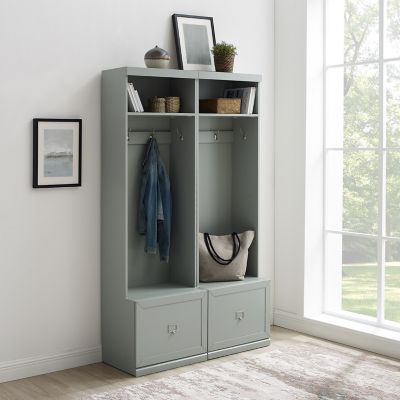
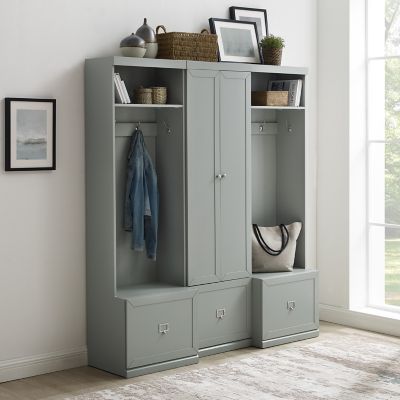
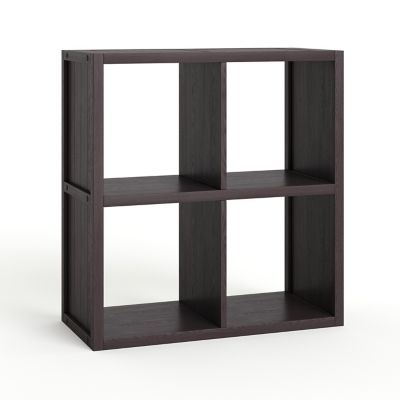
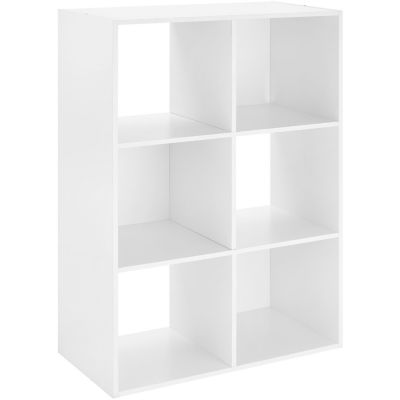
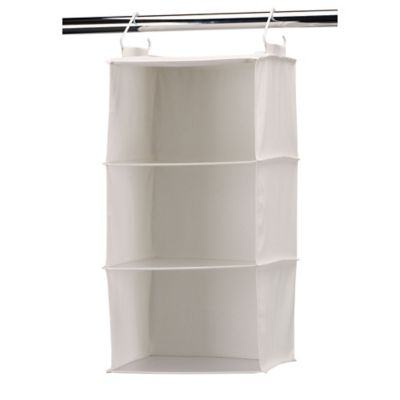
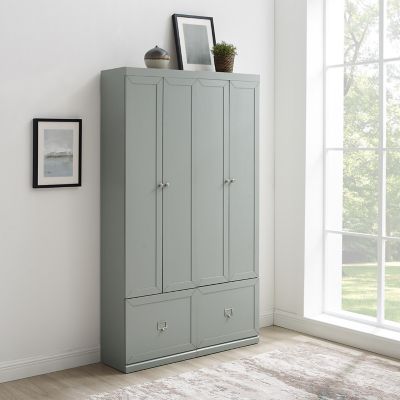
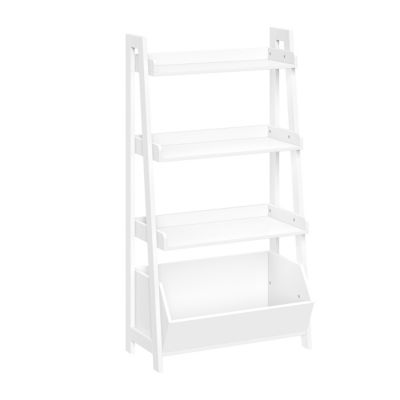
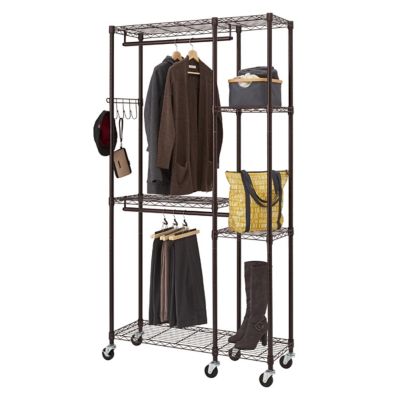
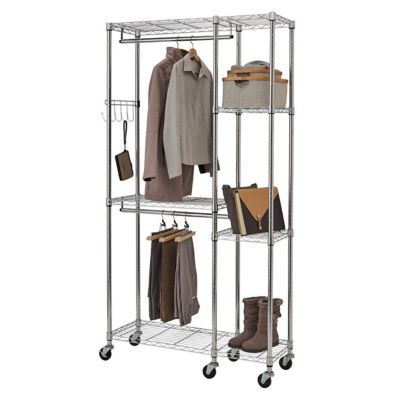
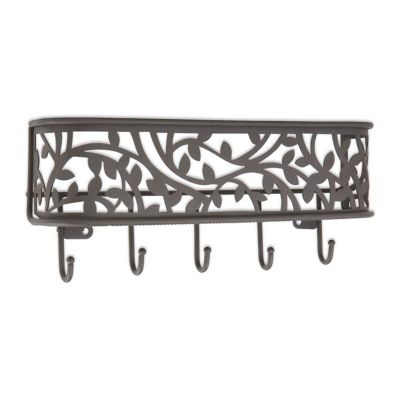
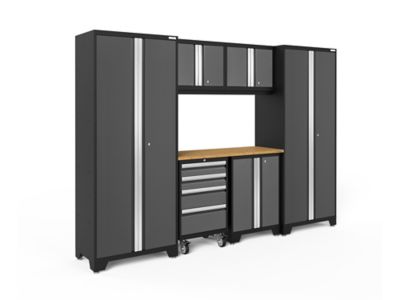
A hallway organizer brings coat hooks, shoe storage, shelves, drawers, or small-item drop zones into a setup that helps keep a busy passage clear. It gives keys a place to land, keeps bags off the floor, and puts the next pair of shoes within reach of the door. In a farmhouse entry, a narrow apartment hall, or the stretch between a garage and kitchen, that little bit of order can make coming and going less of a scramble. Hallway organizers range from simple wall-mounted racks to freestanding cabinets and bench-style storage with room underneath for footwear. Open cubbies make it easy to spot a missing sneaker, while enclosed compartments tuck away the jumble of laces, straps, and small belongings that tends to collect near an entrance. A bench adds a spot to sit while pulling on work boots, and a shelf above the hooks can hold baskets for hats or other grab-and-go necessities. The right fit depends as much on the walkway as the storage space. Depth deserves a close look in a tight hall, especially where a cabinet door, drawer, or pulled-out basket could block the path. Baseboards, nearby outlets, light switches, and the swing of the front door also affect how an organizer fits against the wall. A shallow wall-mounted arrangement leaves more floor space open, while a taller unit makes use of vertical room without spreading belongings farther down the hall. For shared entrances, separate hooks or cubbies can give each person a clear place for their things. In a smaller household, a compact combination of hooks and a landing shelf may cover the daily routine without crowding the space. Storage works best when it matches what actually comes through the door, whether that means a school backpack, a pair of chore boots, a walking leash, or the tote that goes along on trips into town. An organizer should leave those belongings easy to reach without turning the hallway into another obstacle.
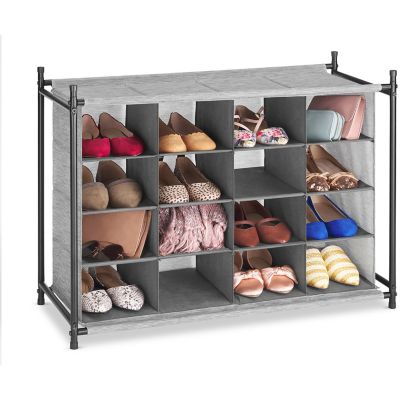
Materials influence both the look of hallway storage and how it stands up to daily traffic. Solid wood brings visible grain and a substantial feel, while painted wood and engineered wood offer a range of finishes that can blend with nearby trim, doors, and furniture. Construction details matter alongside the material: firmly joined frames, steady legs, smooth edges, and well-supported shelves help an organizer handle repeated loading and unloading. Metal frames and hooks suit hardworking spaces, though the finish and the manufacturer’s care directions determine how surfaces should be cleaned. Plastic bins are often easy to wipe out after collecting grit from shoes, and fabric baskets provide lightweight storage for scarves, caps, or reusable shopping bags. Woven baskets add texture, but small belongings may need a liner to keep them from catching or slipping through the weave. Shoe compartments deserve particular attention to height and depth. Tall work boots need more clearance than slip-on shoes, and larger footwear can extend beyond a shelf that looks roomy at first glance. Adjustable shelving offers flexibility when a household’s storage needs change, while removable bins make it easier to carry belongings to another room. Seating needs its own consideration: a storage bench intended for sitting should have a stated weight capacity, and the top should feel steady under normal use. Shelf and hook limits matter, too, especially with loaded backpacks or heavy work bags. For care, a soft cloth and the cleaner recommended for the finish help remove fingerprints and dust without leaving scratches or residue. Grit beneath shoe storage can scuff flooring, so accessible space underneath or removable trays can make regular cleanup simpler. Felt pads or suitable floor protectors may help reduce marks from freestanding furniture. Wall-mounted organizers and taller cabinets also need the fasteners or anti-tip hardware specified by their manufacturer, with attachment suited to the wall rather than guesswork about what it can hold.
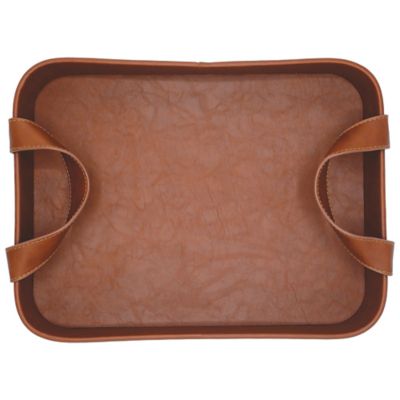
The most useful hallway storage follows the rhythm of the household rather than asking everyone to work around it. A low cubby lets a child put away shoes without help, while an easy-to-reach hook gives a backpack somewhere to hang besides the stair rail. Adults may want a higher hook for longer coats or coveralls, a tray for keys and wallets, and a separate spot for the mail that needs attention. Folks heading out for chores often need room for substantial footwear and work gear, while dog owners may appreciate a dedicated place for leashes, harnesses, and waste bags. Keeping those supplies together saves a search when the animal is already waiting at the door. In a home with frequent visitors, a few open hooks leave space for a guest’s jacket without displacing the family’s everyday belongings. Closed storage can be helpful along a hall that opens directly into the main living area, where fewer visible odds and ends can make the whole space feel calmer. Open shelves suit belongings that need to be seen and reached often, but they work better when there is enough breathing room to lift things out comfortably. Broad hooks can support straps without a tight bend, and smooth hardware is less likely to snag fabric as someone passes. Rounded corners are worth considering near a narrow turn or a doorway with plenty of foot traffic. A hallway organizer can also make a practical housewarming gift when the recipient’s measurements and storage needs are known; a good fit matters more than adding extra compartments. For homes where the entry flows into a shared sitting space,
Living Room Organizers can carry the same approach farther inside, giving books, throws, and family belongings places of their own. Whether the household needs a simple landing spot or storage for several people, the aim is a clear path through the hall and fewer things to hunt for before heading out.