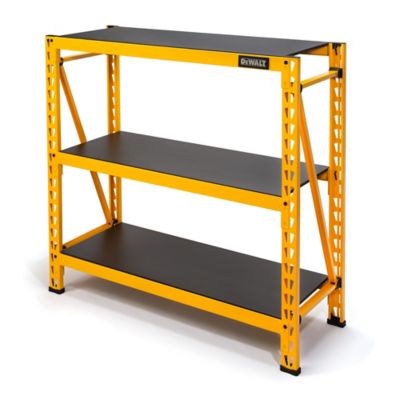
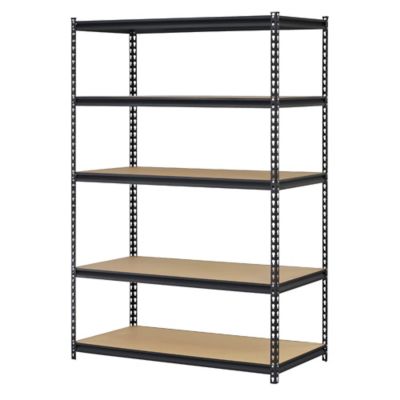
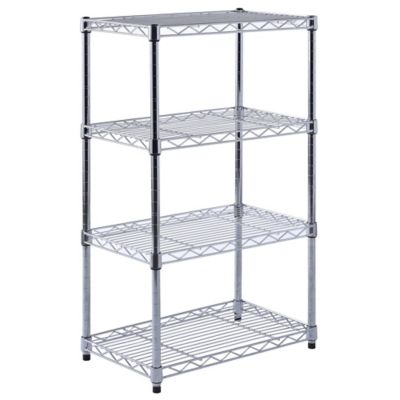
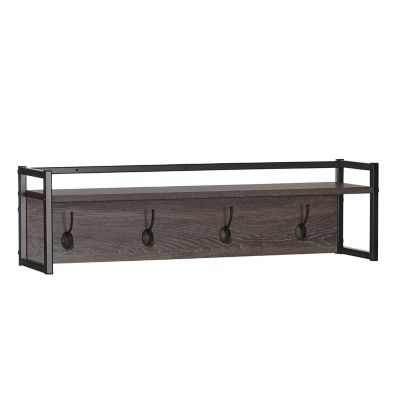
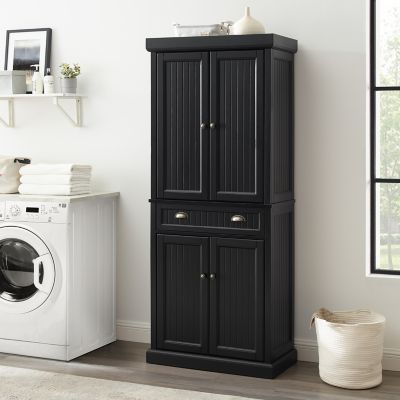
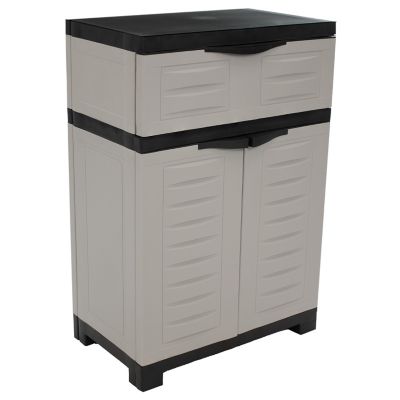
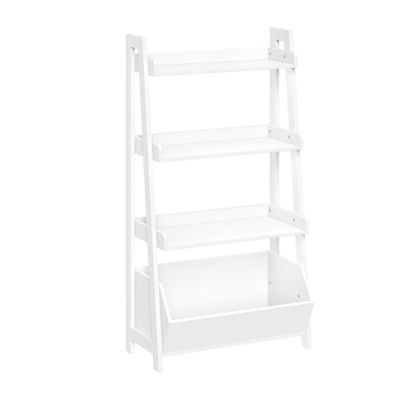
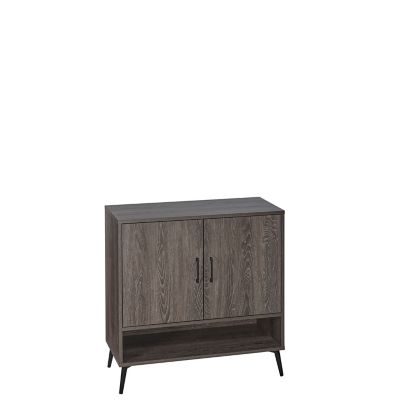
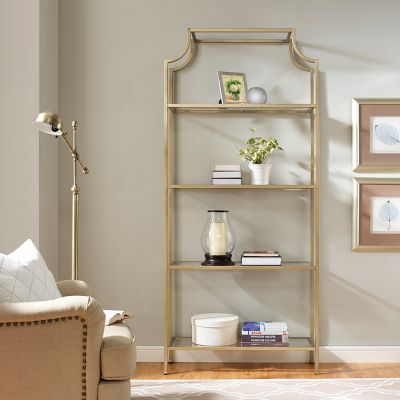
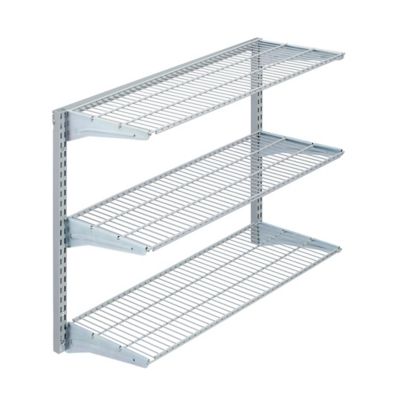
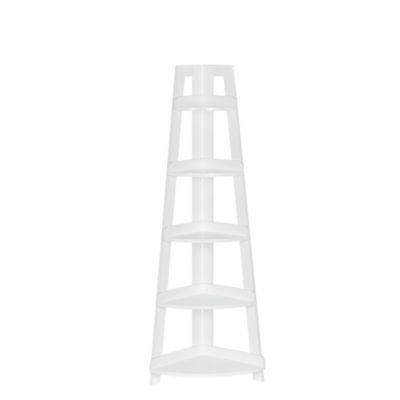
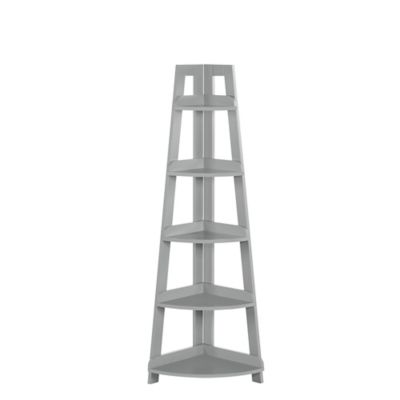
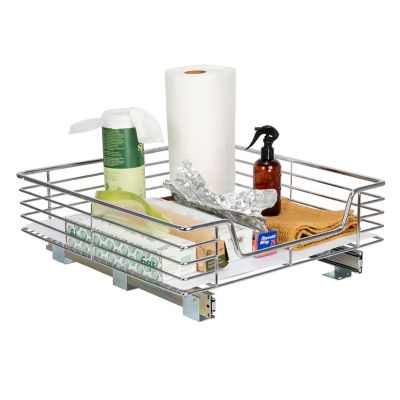
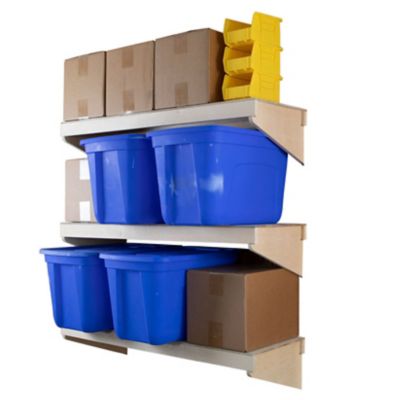
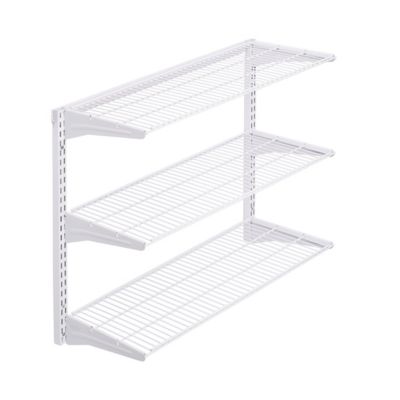
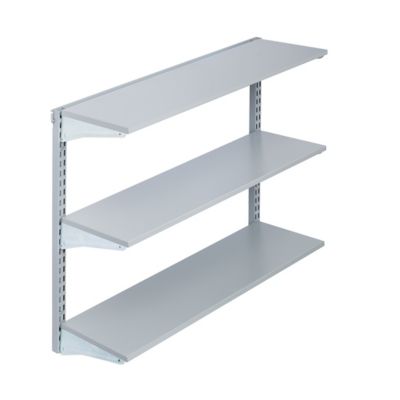
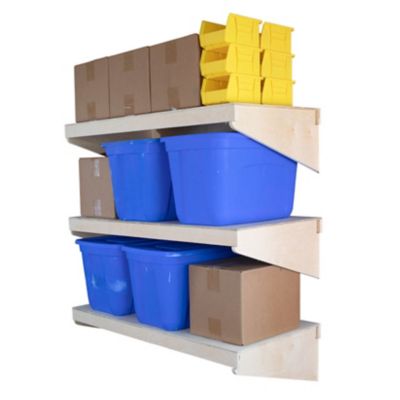
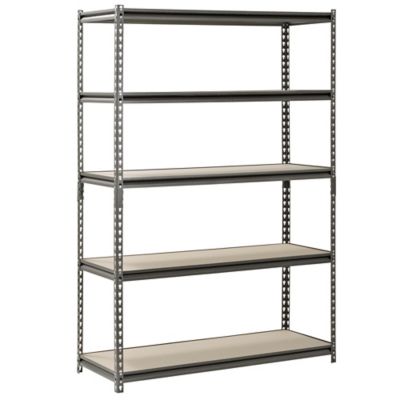
Organizer shelves make it easier to give every item a place, whether you are tidying up a busy mudroom, making better use of a spare wall, or bringing some order to a shop, barn office, laundry area or craft corner. They are a handy choice for homes and workspaces where things tend to collect in plain sight—gloves by the back door, mail on the counter, seed packets in a drawer, grooming supplies on a workbench or small tools scattered across a shelf. With the right organizer, those everyday items can stay close at hand without making a room feel crowded. Open shelving is especially useful when you need to see what you have at a glance, while divided compartments can keep smaller belongings from getting mixed together. Some shelves are made to stand on the floor, some fit neatly on a countertop and others use wall space that might otherwise go unused. When browsing options, take a careful look at the available footprint, shelf spacing and overall height. Measure the spot where the organizer will go, including door swing and walkway clearance, and think about whether the shelf will need to fit beneath a window, cabinet or work surface. A narrow design can make good use of a tight corner, while a wider shelf may be better suited to bins, baskets, folded clothing or larger household supplies. Consider the weight of the items you plan to store, too. Lightweight organizers can be a good match for office supplies, children’s belongings and decorations, while sturdier construction is helpful for books, canned goods, hardware, cleaning supplies and other heavier loads.
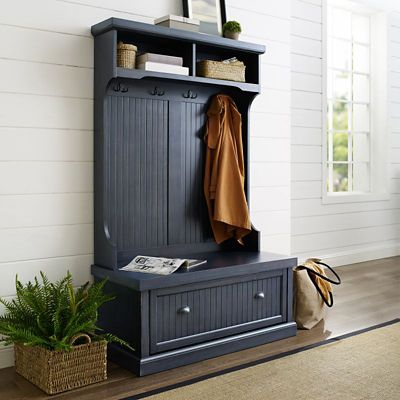
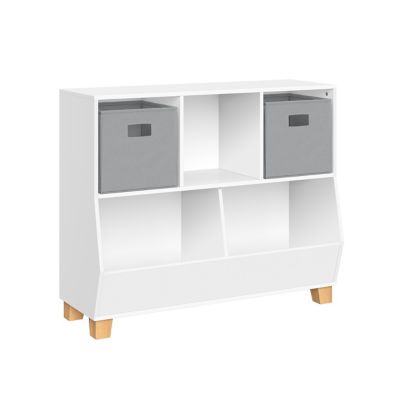
A good organizer shelf should match the way your household actually works. In a farmhouse or country home, it might hold hats, leashes and farm gloves near the entry, keeping muddy gear from spreading across the floor. In a garage or shed, it can separate fasteners, tape, work gloves, flashlights and small repair supplies so they are easier to find when a job needs finishing before the rain rolls in. In a laundry room, shelves can keep detergent, stain treatments, towels and spare linens together without taking over the folding area. A child’s room or play space may benefit from low shelves that make books, toys and art supplies simple to put away, while a home office may need compact compartments for paperwork, notebooks and charging cords. Look for features that fit your routine, such as adjustable shelves, cubbies, drawers, hooks or a finish that wipes clean with a damp cloth. If the organizer will sit in a high-traffic area, stability matters; choose a design with a solid base and follow any included instructions for securing it to the wall. In homes with pets or young children, keeping breakable, sharp or chemical items on higher shelves can add an extra measure of safety. For entryway storage, browse
Hallway Organizers to help manage the daily pileup of shoes, bags, keys and outerwear. Even a simple shelf can make a noticeable difference when it is placed where clutter naturally gathers instead of where it looks convenient on paper.
Organizer shelves can also be a thoughtful gift for someone settling into a new home, setting up a first workshop, preparing a nursery or trying to make a hardworking space more comfortable. They are useful for college students, apartment dwellers, busy parents, gardeners, hobbyists and anyone who appreciates having supplies close by but not scattered around. During the warmer part of the year, a shelf near the back door can help sort outdoor essentials as gardening, camping and yard projects pick up, while during the cooler months it can hold hats, scarves, boots and seasonal supplies. For a gift, consider the recipient’s habits and available space rather than choosing by appearance alone. A small organizer may be just right for a desk, bathroom or bedside area, while a taller unit may help someone make better use of vertical space in a pantry, mudroom or utility room. Neutral finishes can blend into many settings, and open designs make it easy to change the contents as needs shift through the seasons. Baskets and labeled bins can add another layer of order, especially for loose items such as pet toys, craft materials, rags or hardware. The most useful setup is usually the one that makes putting things away nearly as easy as leaving them out. When each shelf has a clear purpose and frequently used items stay within reach, everyday chores take less time, work areas stay safer and the whole room feels more manageable.