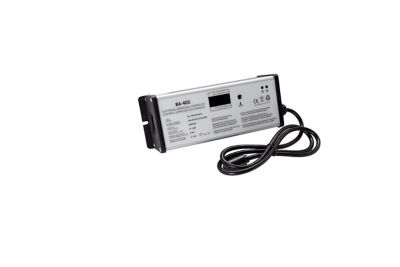
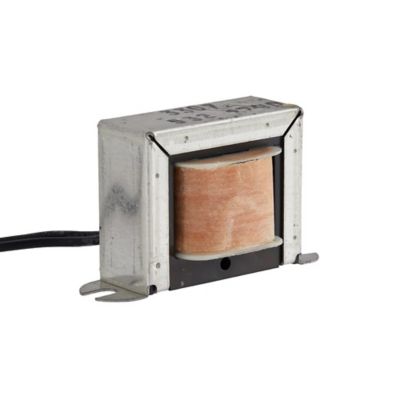
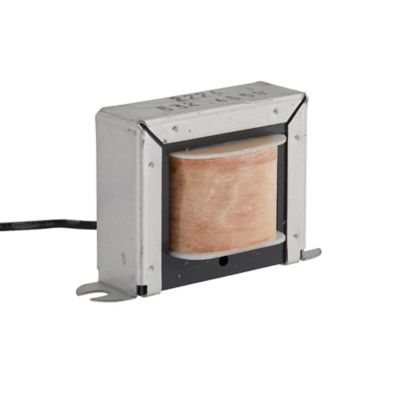
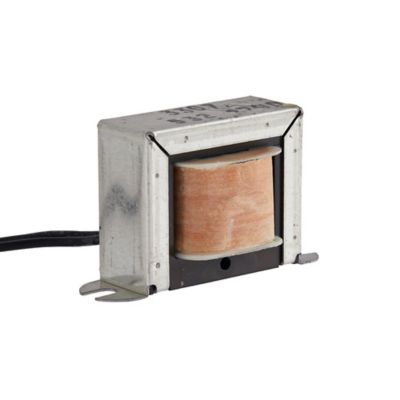
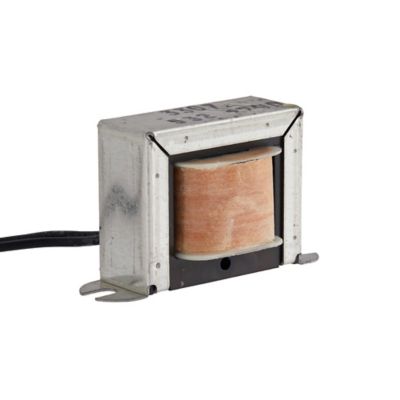
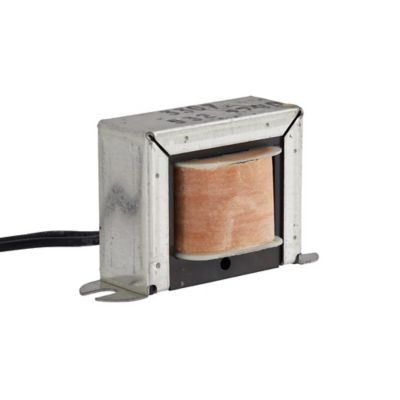
A replacement ballast helps a fluorescent or high-intensity discharge (HID) lamp start and regulates the current that flows through it once it’s on. The ballast sits inside the fixture, so it’s easy to overlook when a row of tubes over the workbench starts blinking or the light by the feed room door takes longer than usual to come on. A buzz that’s louder than usual, tubes that only glow at the ends and flickering that continues after a lamp change can all point to ballast trouble. Those signs don’t prove the ballast is bad, though. Worn sockets, a loose connection or lamps that don’t match the fixture can cause much the same trouble. An HID light that comes on and goes dark over and over may have a lamp nearing the end of its life rather than a failing ballast. In a fluorescent fixture, several lamps that share a ballast acting up at once is a different clue than a single dark tube beside one that still shines steadily. Replacing the ballast makes sense when it’s the source of the trouble and the rest of the fixture is in sound shape. That might mean keeping a long shop light that reaches from the vise to the far end of the bench, or keeping the light even down a utility room aisle instead of changing one fixture at a time. Cracked sockets, brittle wiring or scorch marks on the housing call for a closer look at the whole fixture, not just another part behind the cover. A dark lamp doesn’t mean the wiring is safe to touch, so diagnosis and replacement are jobs for someone qualified to work on the fixture. The goal is to get steady light back where it counts, whether that’s over the spot where small washers tend to disappear or above the shelf where feed tags need to be easy to read.
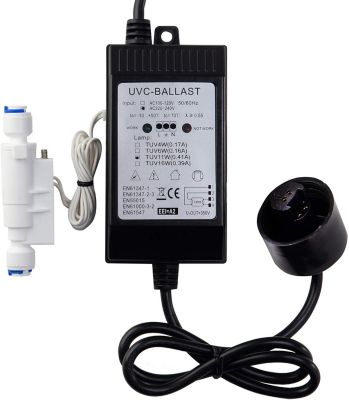
Fit comes down to more than whether the replacement ballast takes up the same space as the old one. For a fluorescent fixture, the main details are the lamp type, the number of lamps the ballast runs, the supply voltage and the starting method. T8 and T12 tubes can look much the same from the floor, and some fit the same sockets, but that doesn’t make their ballasts interchangeable. A four-lamp fixture might have one ballast for all four tubes or two ballasts that each run a pair. That’s why the lamp count on the ballast label tells more than the number of tubes under the cover. A ballast marked for 120 volts only isn’t a match for a fixture on a 277-volt circuit. A model marked for a 120–277-volt input range covers both voltages, but it still has to match the lamps and fixture. Instant-start and programmed-start ballasts can call for different sockets and wiring, and a fixture on a dimmer needs a ballast rated to work with that control. In HID lighting, both lamp technology and wattage matter. A metal halide lamp and a high-pressure sodium lamp don’t take the same ballast just because they have the same wattage on the label. The fixture documentation and ballast label are better references than the shape of the case or the colors of the wires. Case dimensions and mounting points matter, too, especially in a shallow strip fixture where the ballast has to fit under a narrow cover without pinching the wires. If the plan is to switch to LED tubes, the tube type determines whether a ballast belongs in the setup at all. Ballast-compatible LED tubes need a ballast listed as compatible by the tube maker, while direct-wire LED tubes are designed for a different wiring setup. Keeping a fluorescent fixture running and converting it to LED are separate jobs, even when the tubes look much alike.
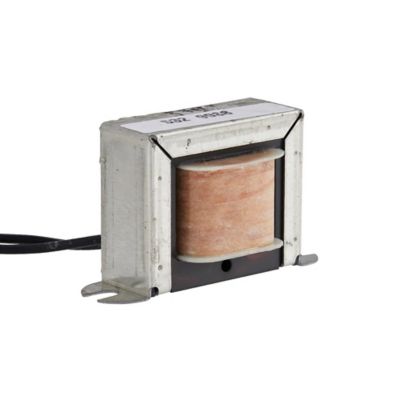
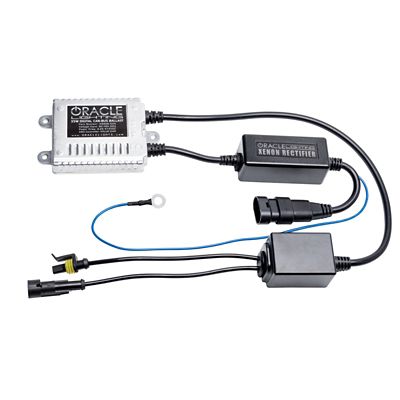
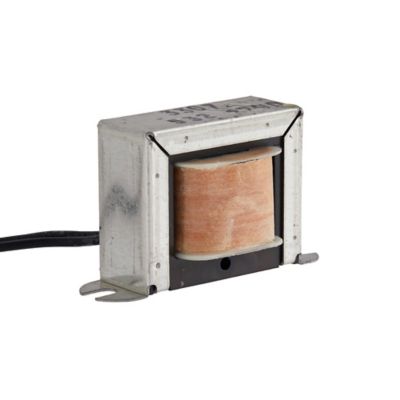
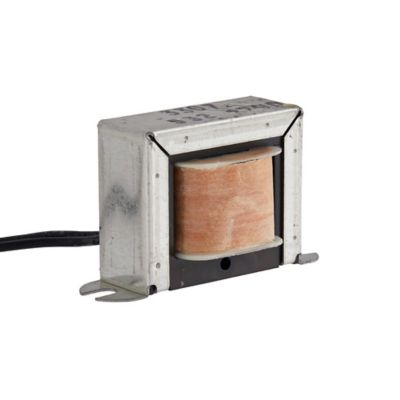
The differences between ballast designs show up in everyday work. Older magnetic ballasts generally contain a steel core and metal windings, while electronic ballasts house circuitry in a case that’s often metal. A compatible electronic ballast often runs with less hum than a magnetic one, a difference that’s easy to notice in a quiet tack room or over a bench where the light stays on for hours. In a supply closet where the switch gets flipped every time someone grabs a box of fasteners, a compatible programmed-start ballast can help limit wear on fluorescent lamps from frequent starts. Where moisture is part of the job, as in a wash area, the fixture and its components need ratings that suit that location. A metal housing alone doesn’t tell what conditions the part can handle. For day-to-day care, it helps to keep the outside of the fixture free of dust with the power off and leave any vents clear. A cracked or clouded lens can also cut down on light at the bench even when the lamps and ballast are doing their jobs. Older ballasts may have special disposal requirements, particularly if they contain PCBs, so the markings on a removed ballast and local disposal rules matter. Good overhead light makes the other jobs in a work bay easier, too, whether that means sorting small hardware or checking brake wear before browsing
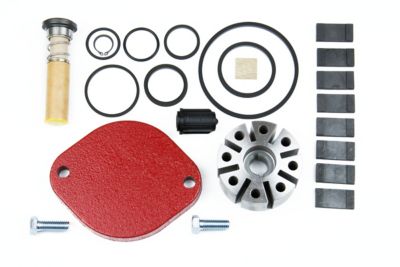
Rotor Replacements. For farmers, shop owners and anyone who looks after a building, a ballast that matches the lamps and suits how the fixture gets run can keep a sound light in service. When the fixture already puts light where it belongs, from the back of the bench to the edge of the aisle, there’s no need to start over with a different layout just because one part has worn out.