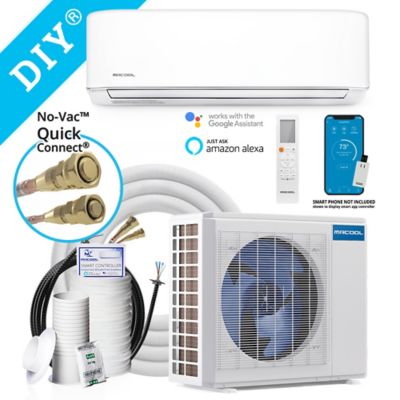
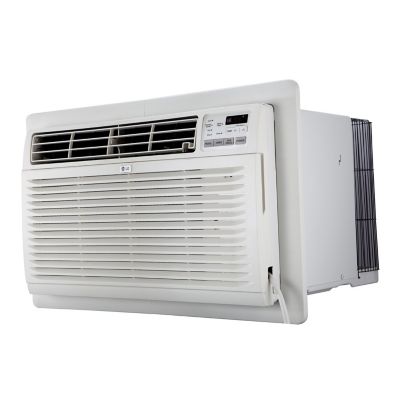
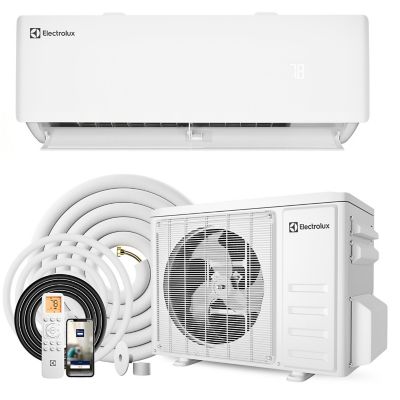
Replacing an aging air conditioning system can make a noticeable difference in comfort, energy use and peace of mind, especially when hot weather puts a steady load on the house. Older systems often lose efficiency as components wear, and units that are more than 10 to 15 years old may need repairs more often than they deliver dependable cooling. A system that struggles to keep rooms comfortable, runs for long stretches, makes unusual noises, leaks water or causes indoor humidity to climb may be nearing the end of its service life. Replacing a system before a major failure can also help avoid an uncomfortable scramble when outdoor temperatures rise and repair schedules fill up. As a general rule, compare the cost of a repair with the age and overall condition of the equipment. Some homeowners use the “$5,000 rule” as a starting point by multiplying the system’s age by the estimated repair cost; if that figure is higher than about $5,000, replacement may be worth discussing. It is only a rough guideline, since local labor rates, equipment availability, home size and the condition of the ductwork all affect the final decision. A complete replacement may include indoor and outdoor equipment, refrigerant lines, electrical connections, drainage, controls and other supporting parts, so the equipment needs to work together as a matched system. When comparing replacement options, pay close attention to cooling capacity, measured in tons or BTUs, and choose a size based on the home’s layout, insulation, windows and climate rather than square footage alone. An oversized system may cool the air quickly without removing enough humidity, while an undersized system can run constantly and still leave rooms warm. Efficiency ratings, including SEER or newer efficiency measures, can help compare expected energy performance. Higher-efficiency equipment may cost more at purchase but can reduce electricity use over time, particularly in a home that runs air conditioning through long stretches of warm weather. Single-stage systems offer straightforward operation, while two-stage and variable-speed systems can adjust output more closely to the cooling demand, helping maintain steadier temperatures and quieter operation. Homes with limited installation space, small additions, workshops or other compact areas may benefit from reviewing
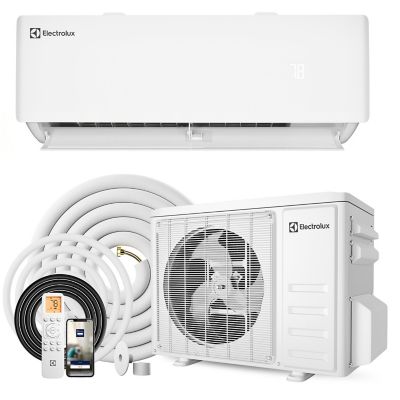
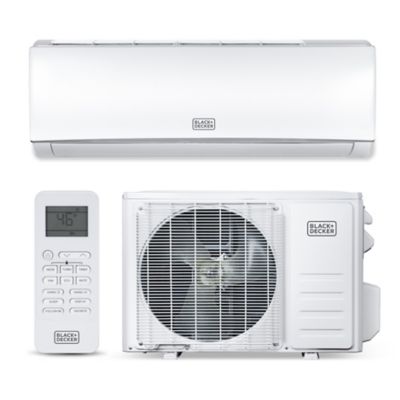
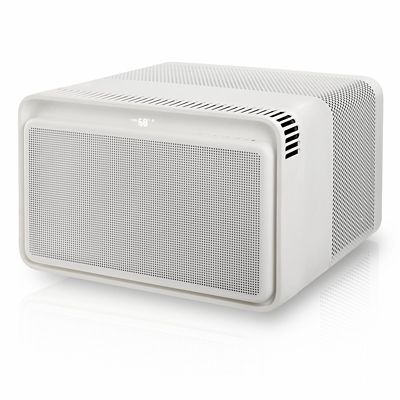
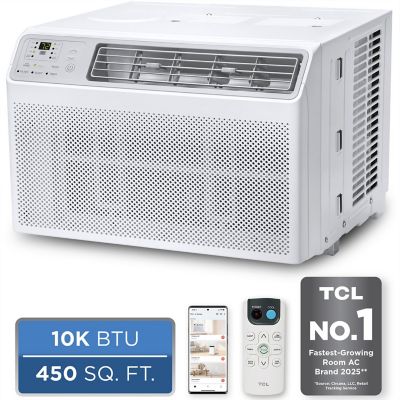
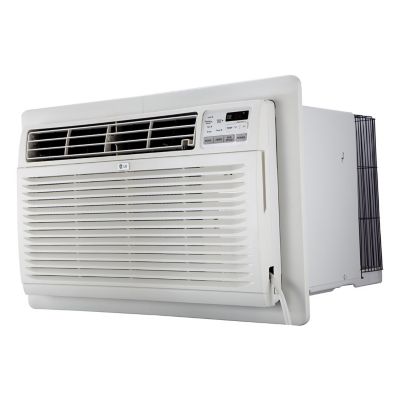
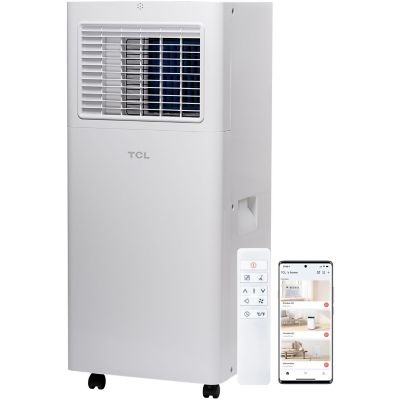
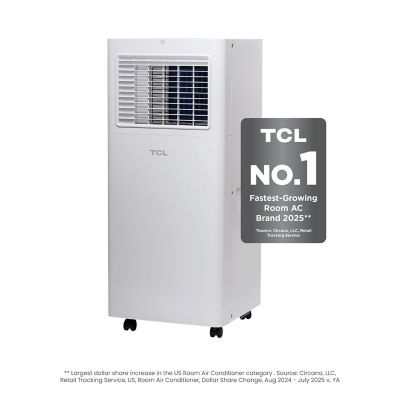
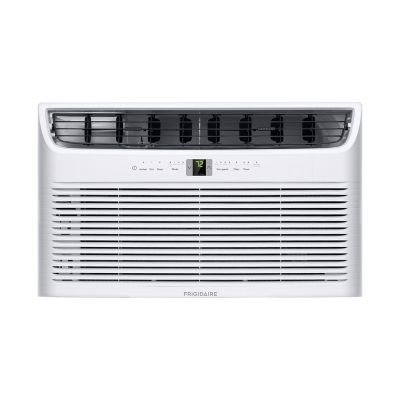
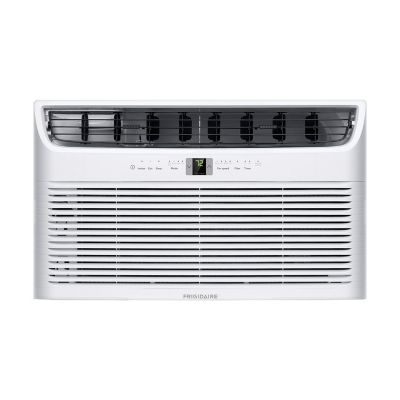
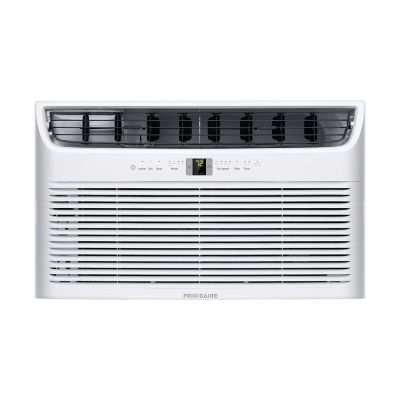
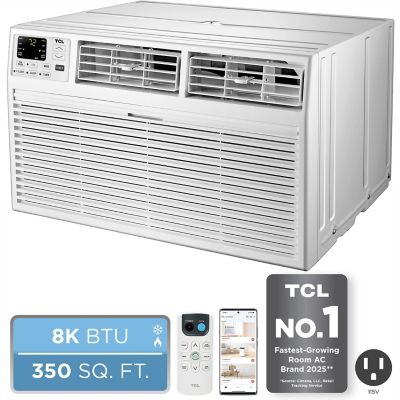
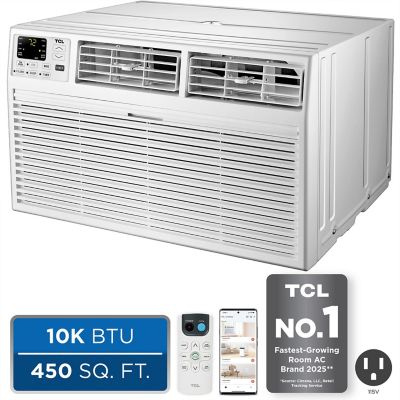
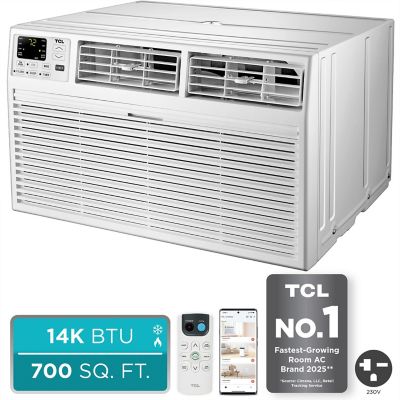
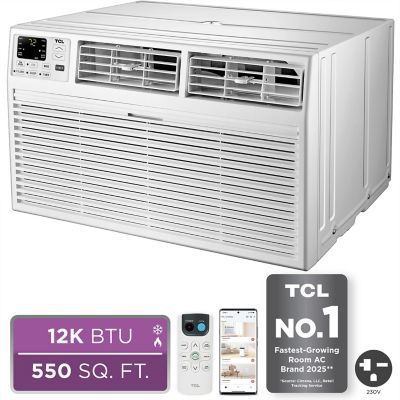
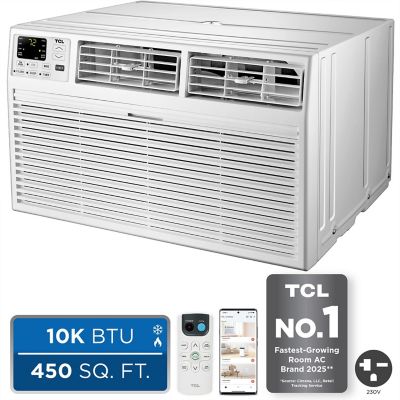
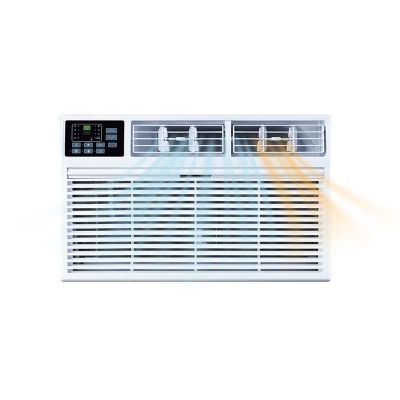
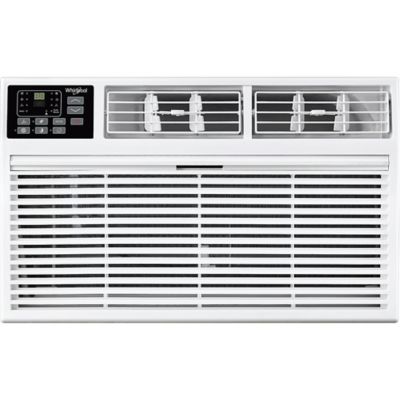
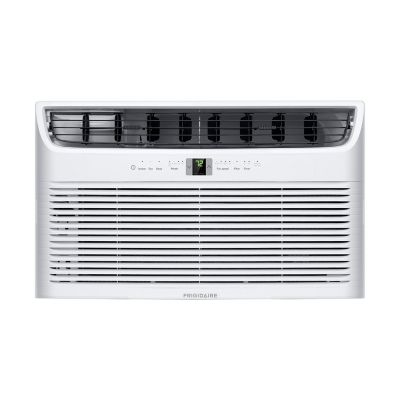
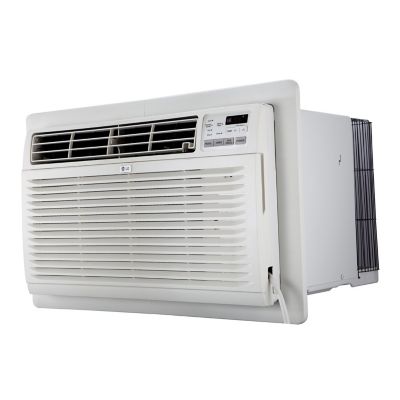
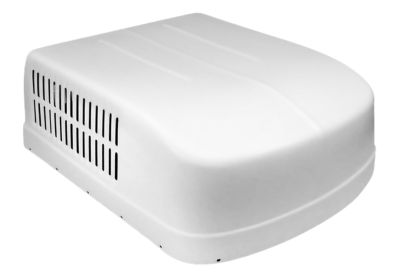
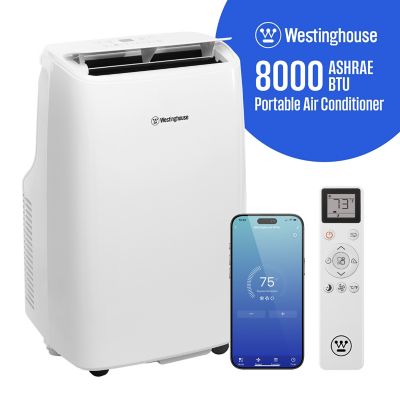
Compact AC Units as part of the replacement search. Take measurements around the existing equipment, check clearance requirements and note the location of service panels, vents, drains and line sets before choosing a replacement. These details can save time when a technician reviews the installation and can help prevent surprises caused by tight closets, low ceilings, narrow doors or equipment placed in a crawl space.
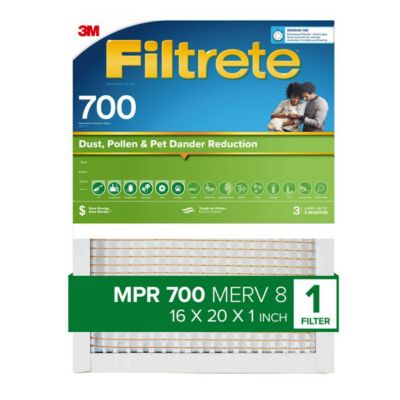
A replacement air conditioning system is best selected with the whole property in mind, not just the outdoor unit sitting beside the house. Check whether the home’s electrical service can support the new equipment, whether the ductwork is sealed and insulated, and whether registers and return vents are placed well enough to move cooled air through every room. In a farmhouse, ranch house or rural property with additions, enclosed porches and converted rooms, uneven cooling may come from duct leaks or poor airflow rather than a failing compressor alone. Ask for an assessment of those areas before installation so a new system is not expected to cover problems elsewhere. Refrigerant type is another important consideration. Older systems that use phased-out R-22 refrigerant can be more expensive to service because supplies are limited, and replacing the equipment may be a more practical long-term choice than investing in a large repair. Refrigerant recovery, charging and high-voltage electrical work should be handled by a qualified professional who follows local codes and manufacturer requirements. Safe installation includes disconnecting power, properly supporting equipment, checking refrigerant lines for leaks, confirming airflow, testing drainage and verifying that controls operate as intended. Homeowners can prepare by clearing a path to the equipment, trimming back brush around the outdoor unit, securing pets and livestock away from the work area, and gathering information about past repairs. Keep the system’s age, model information, service records and common trouble spots handy when discussing replacement options. During the cooler months, it is a good time to inspect the outdoor pad, cover nearby openings, replace the air filter and schedule routine service before the next sustained period of heat. Filters should match the system’s recommended size and airflow rating; a filter that is too restrictive or left unchanged can reduce performance and put extra strain on the blower. A clean outdoor area also matters, since grass clippings, leaves, dust and cottonwood fluff can block airflow around the coil. Replacement equipment may be useful for homeowners updating a primary residence, landlords preparing a rental, property managers maintaining cabins or shops, and families improving comfort in a guesthouse or small outbuilding. It can also be a thoughtful practical gift for someone settling into an older home, though installation and sizing should be coordinated with the property owner and a qualified technician. By weighing system age, repair history, capacity, efficiency, refrigerant requirements, electrical needs and installation conditions together, shoppers can narrow the field to an air conditioning replacement that fits the home and provides reliable comfort as outdoor temperatures shift from warm afternoons to cooler evenings.