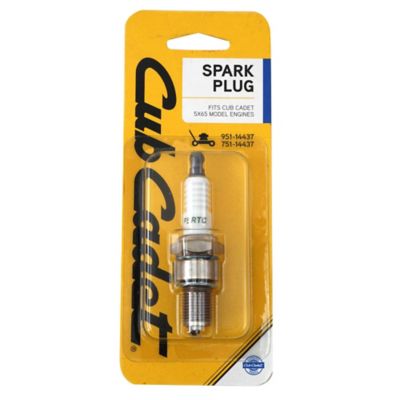
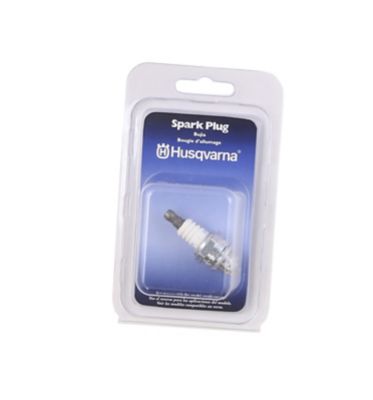
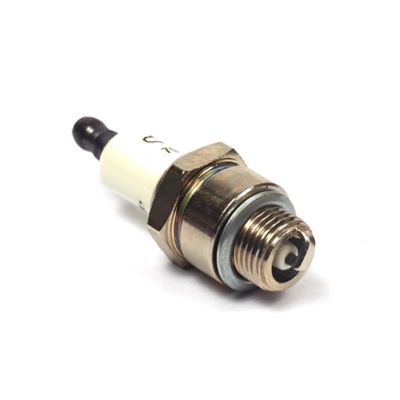
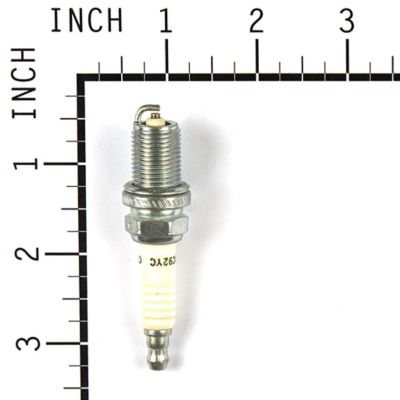
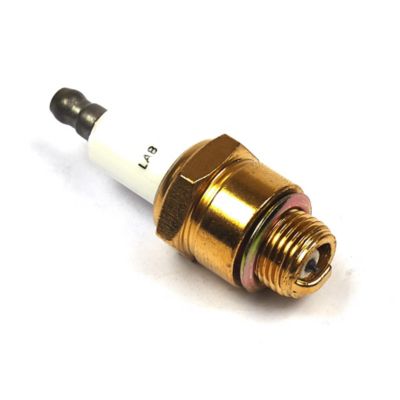
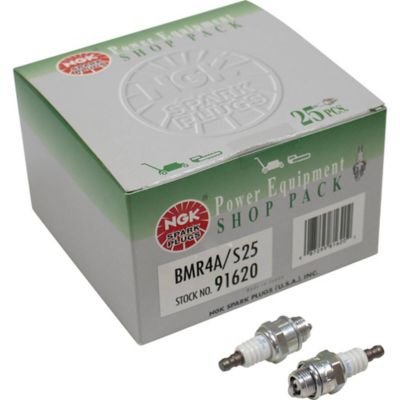
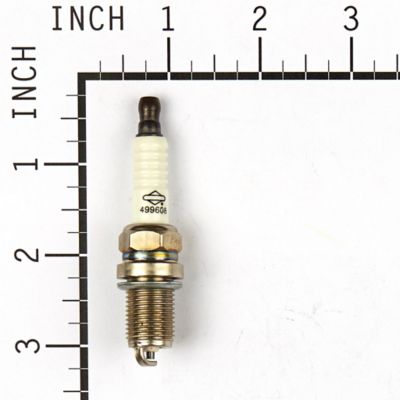
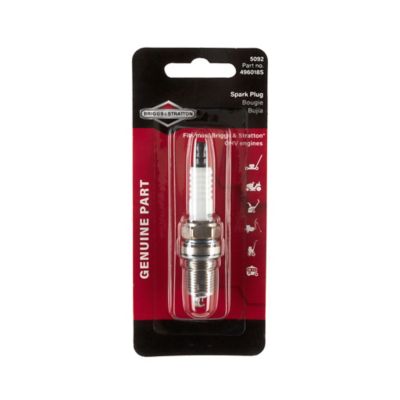
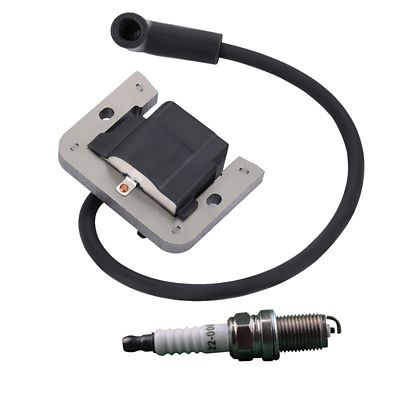
Spark plug replacements help keep gasoline engines firing the way they should, whether the job involves mowing around fence lines, hauling feed across the property or running equipment out by the shed. A spark plug carries electrical energy from the ignition system into the combustion chamber, where a spark jumps between its electrodes to ignite the air-fuel mixture. As those electrodes wear and deposits build up, the engine may become harder to start, idle unevenly or hesitate under load. Misfires, sluggish response and increased fuel consumption can also point to worn plugs, although fuel delivery problems, ignition faults and other engine troubles can produce similar symptoms. Fresh plugs can restore normal combustion when worn or fouled plugs are the problem; they are not a cure for every rough-running engine. That distinction matters when a mower struggles through thick grass or a utility vehicle stumbles on the trip back from the pasture. Replacement spark plugs belong on the shopping list for many gasoline-powered mowers, tractors, generators, utility vehicles, outdoor power tools and road vehicles, but the right choice depends on the exact engine. Diesel engines generally rely on compression ignition rather than spark plugs, and a glow plug is a different component with a different purpose. For gasoline equipment, the owner’s manual or engine manufacturer’s specifications provide the starting point for matching a replacement. The engine model and serial information may be more helpful than the equipment’s name alone, particularly when similar-looking machines have different engines. A plug that threads into an opening is not necessarily the correct fit. Thread size, reach, seat style, heat range and electrode gap all affect whether it belongs in that engine. For folks keeping several machines running around the place, checking each engine separately helps prevent a familiar-looking plug from finding its way into the wrong cylinder head.
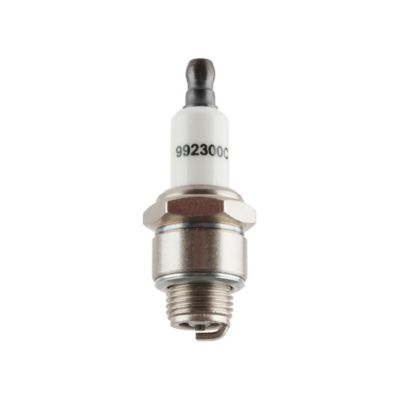
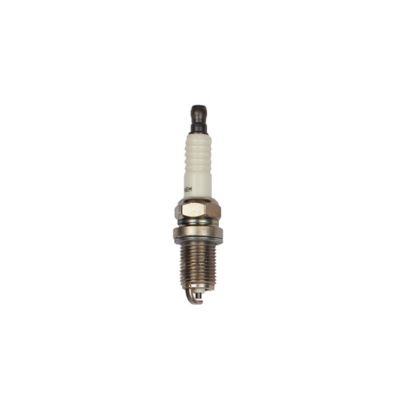
Spark plug construction helps explain the differences among replacement options. A steel shell holds the plug in the cylinder head, a ceramic insulator separates the electrical path from the shell, and the center and ground electrodes establish the spark gap. Conventional designs often combine a copper core with nickel-alloy electrode surfaces, while other designs feature platinum or iridium at the firing tip to resist electrode wear. Those materials can support different service intervals, but a longer-lasting electrode does not make a plug suitable for every engine. The specified design comes first, especially for equipment that spends hours working under steady load. Electrode layout, electrical resistance and terminal configuration also matter, and changes should follow the engine manufacturer’s recommendations rather than appearance alone. Resistor plugs help limit electrical interference where the ignition system calls for them. Heat range describes how readily a plug transfers heat away from its firing end; it does not describe how strong the spark will be. A hotter or colder heat range is not an automatic upgrade, and numbering systems can differ among manufacturers. Thread reach is just as important because it determines how far the plug extends into the combustion chamber. The seat must also match the engine, whether the specified plug seals with a gasket or a tapered surface. Spark plug gap is another small measurement with a big effect on ignition performance. Too much or too little space between the electrodes can interfere with proper firing, so the listed gap should match the engine’s requirements. Some plugs arrive with a preset gap, but that does not replace checking the application specifications and the plug manufacturer’s guidance. Fine-wire electrodes need particular care because forceful adjustment or the wrong tool can damage the firing tip. Shoppers comparing related ignition parts can also explore
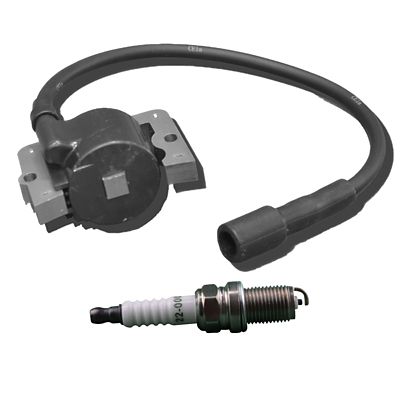
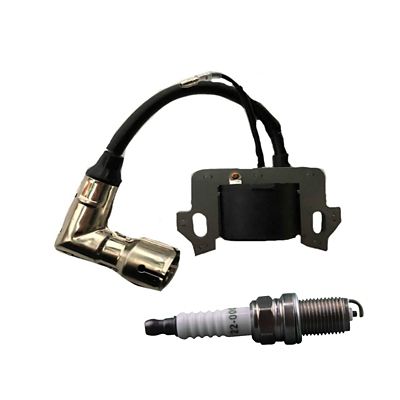
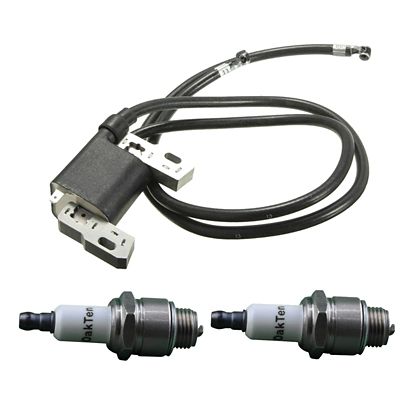
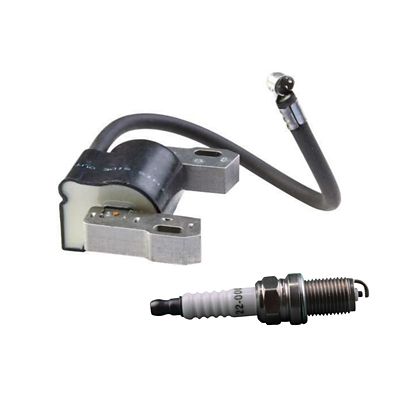
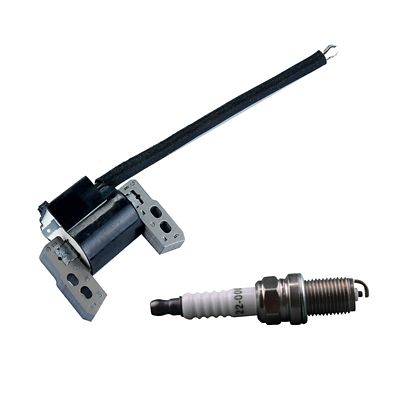
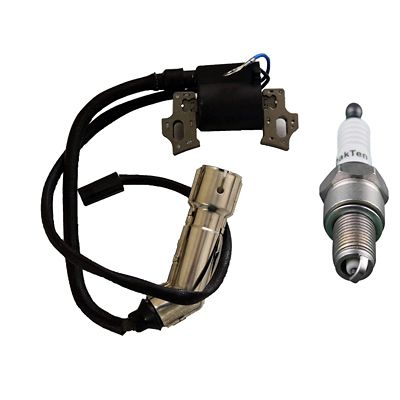
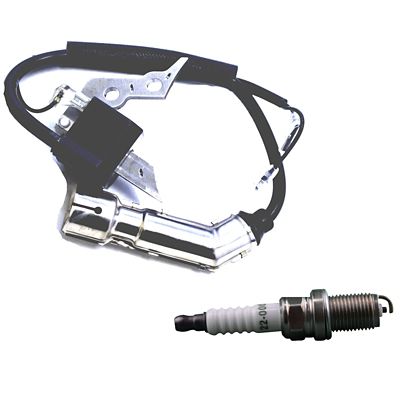
Coil Spark Plugs, keeping the engine’s listed requirements in mind rather than treating similar names or shapes as proof of compatibility.
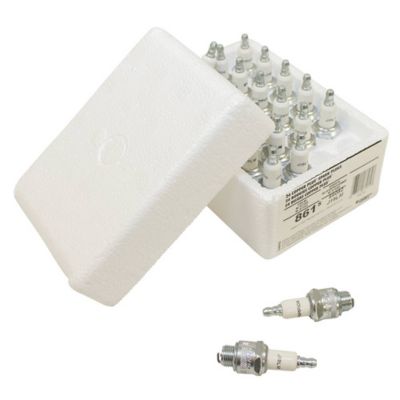
Good spark plug care starts with the conditions around the plug as much as the plug itself. A sound boot, a secure terminal connection and clean surrounding surfaces help protect the ignition connection from moisture, dirt and debris. Cracked ceramic, damaged threads or a bent electrode can make a replacement unsuitable before it ever goes into service, so careful handling matters in the shop and in the toolbox. Plugs carried as maintenance spares benefit from protective packaging that keeps the firing end from knocking against loose sockets, bolts and other hardware. For installation, the correct spark plug socket and any needed extension help support the plug without putting sideways pressure on its ceramic insulator. A torque wrench supports tightening to the engine manufacturer’s specification; overtightening can damage threads or the plug, while insufficient tightening can affect sealing and heat transfer. Work around the plug opening should follow the equipment’s safety instructions, with the engine shut down and allowed to cool before service. Thread treatments are not a universal requirement. Anti-seize can change tightening behavior, and some plug manufacturers specifically advise against it, so its use should follow the applicable instructions. Any boot lubricant should likewise follow manufacturer guidance rather than being spread onto the electrodes or firing end. Service intervals depend on the engine, plug design and operating conditions, making the maintenance schedule a better reference than a single mileage or hour figure for every machine. Oil deposits, heavy carbon buildup or repeated fouling may point to an underlying engine or fuel-system issue that another replacement alone will not fix. For property owners, small-engine mechanics and anyone responsible for a busy equipment shed, the practical goal is a properly matched plug that supports normal starting, steady running and the engine’s intended workload. Keeping a record of the specified plug and replacement interval makes the next maintenance stop easier, especially when several pieces of equipment share space but not the same ignition requirements.