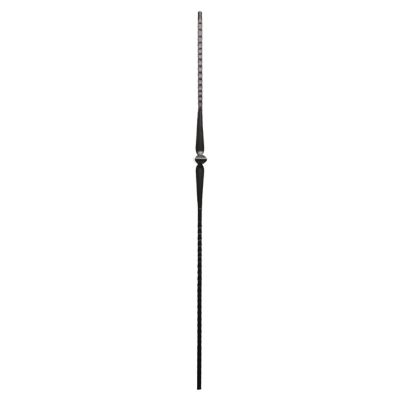
Metal spindles, also called metal balusters, are upright railing components that fill the space between a top rail and a stair tread, floor or lower rail. They help form a barrier along the open sides of staircases, porches, decks and balconies while giving the railing its overall look. The complete railing assembly—including posts, rails, connections and spindles—must work together to provide the required protection. For a farmhouse stairway, a front porch overlooking the pasture or a landing above the workshop, metal spindles can bring clean lines without making the whole space feel closed in. Steel, iron and aluminum are common material choices, with different weights, finishing needs and installation requirements. Steel offers a firm, substantial feel, while aluminum weighs less and resists the red rust associated with iron-based metals. Iron spindles often suit traditional railing styles, including shapes with twists, baskets or curved details. Straight square and round profiles fit a simpler look and can pair well with wood rails, painted trim or an all-metal railing system. Hollow and solid construction also affect weight and attachment methods, so a heavier spindle is not automatically the better match. Surface treatments matter just as much as the base metal. Powder coating, paint and galvanized finishes provide different kinds of surface protection, and their suitability depends on the particular material and application. An indoor staircase and an open porch do not place the same demands on a finish. For exterior installations, look for components specifically intended for that setting rather than assuming every metal spindle can go outdoors. Color and texture deserve a little thought, too: a dark finish can frame the view between posts, while a lighter finish may blend into nearby trim. Repeating one profile gives a railing a steady, uncluttered appearance; mixing compatible shapes can add detail without changing the basic layout. The best match balances the look of the space with the requirements of the railing system.
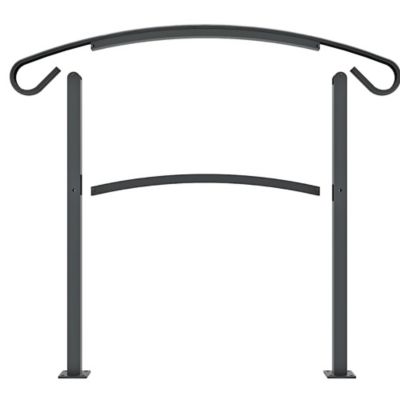
Getting the fit right starts with the railing that will hold the spindles. Straight runs, stair slopes and landings can require different lengths, end treatments and mounting arrangements, even when the visible profiles look alike. Measure the actual installation rather than relying on the length of an existing piece, especially where the rail angle changes or a tread sits slightly out of level. Square ends, round ends, mounting shoes, brackets and drilled rail openings all need to match the specified connection method. Some systems allow trimming, while others depend on factory-prepared ends or particular insertion depths; follow the manufacturer’s directions before making a cut. Check whether the stated spindle length includes the portion that fits into the rail or mounting hardware. That detail can make the difference between a snug assembly and a piece that falls short. Spacing matters for safety as well as appearance. Local building requirements govern guard height, openings and other details, and stair applications may have rules that differ from level railings. A balanced layout should account for the spaces beside posts, not just the gaps between spindles. Where children or pets spend time, checking those openings deserves particular care, though no railing replaces supervision. Existing wood rails and posts also need close inspection; fresh metal infill cannot correct a loose post, split rail or weak attachment underneath. A contractor or experienced installer can help determine whether the surrounding structure and planned connections suit the job. A larger property project may also call for
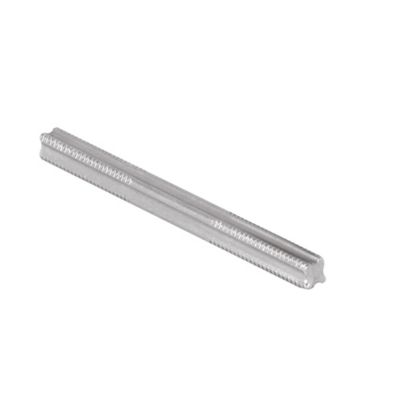
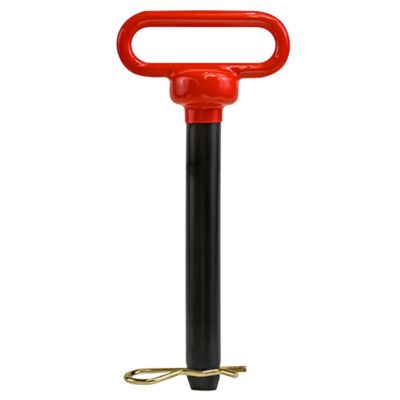
Steel Pins for compatible gate or equipment connections, but those parts serve a different purpose and should not be substituted for specified railing hardware. Keeping each connection matched to its intended task helps avoid makeshift fixes. For homeowners updating one staircase or builders finishing several railing sections, laying out the whole run before installation can prevent uneven spacing, mismatched profiles and unnecessary cuts. It also gives a chance to check that the handrail remains comfortable to grip and that mounting details do not interfere with normal travel up and down the steps.
Care for metal spindles is usually straightforward, but the right approach depends on their finish and surroundings. A soft cloth, mild soap and water are often enough for routine cleaning when the manufacturer permits them. Dust can settle around shaped sections and mounting shoes, while porch railings may collect soil and grit near the lower connections. Clearing that buildup makes it easier to spot a loose fitting or a damaged finish before the problem spreads. Abrasive pads, harsh cleaners and aggressive scraping can scratch coatings or change the sheen, so test any approved cleaning method in an out-of-the-way spot first. After cleaning, wipe away lingering moisture where practical, particularly around joints and recessed details. On steel or iron, chips and scratches can expose metal to corrosion; address those spots with the preparation and touch-up treatment recommended for the coating. Aluminum does not develop red rust, but it still benefits from cleaning and checks for surface damage or corrosion around incompatible fasteners. Metal type alone does not eliminate maintenance. Inspect the complete assembly from time to time for movement, cracked mounting pieces, missing fasteners or gaps that have changed. Pay attention to sections beside busy entryways, where carried tools, feed bags or moving furniture can bump the railing. A loose spindle should prompt a check of its connections and the surrounding rail rather than a quick dab of adhesive. For rental properties, family homes and working farmhouses alike, consistent profiles and accessible mounting details can make future repairs easier to plan. Keeping a record of the spindle dimensions, finish and installation instructions is helpful when another section needs attention later. Metal spindles can suit anything from a plain back-porch railing to a more detailed entry staircase, but their lasting usefulness comes from sensible material selection, proper installation and routine care. Choose the appearance that fits the building, then give equal attention to the less visible details that keep the whole railing working as intended.