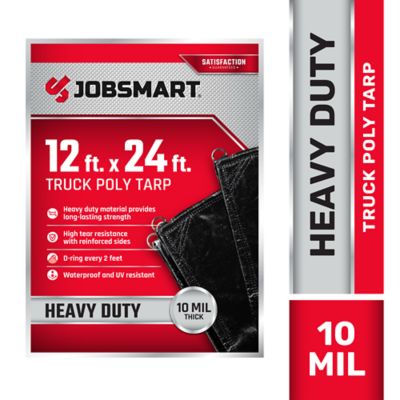
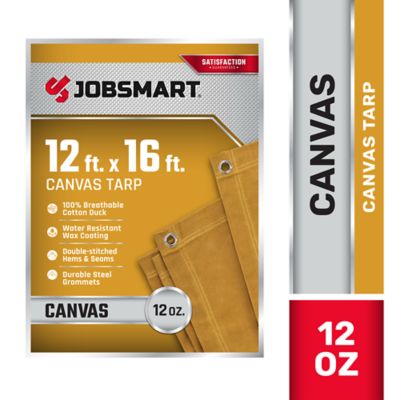
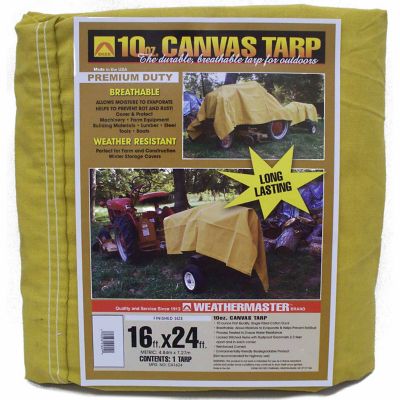
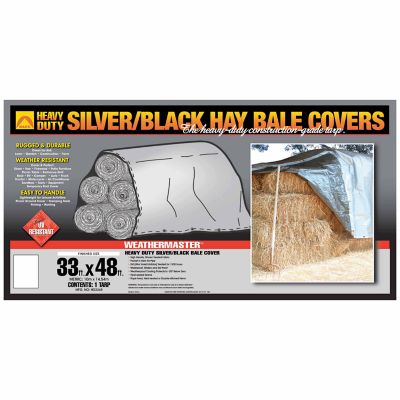
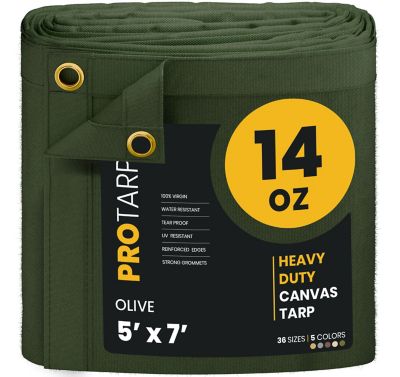
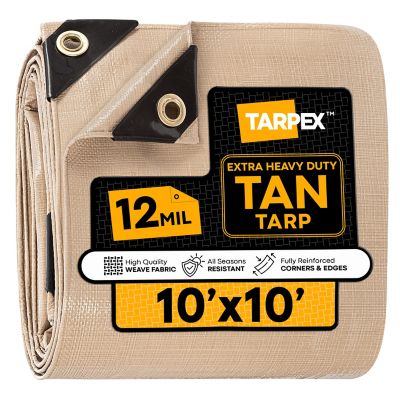
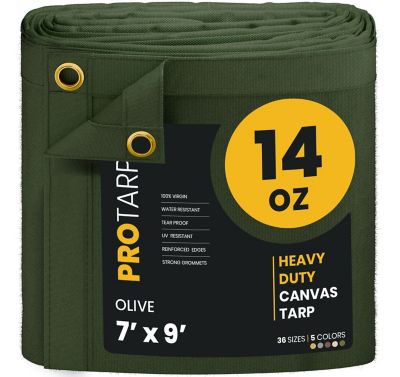
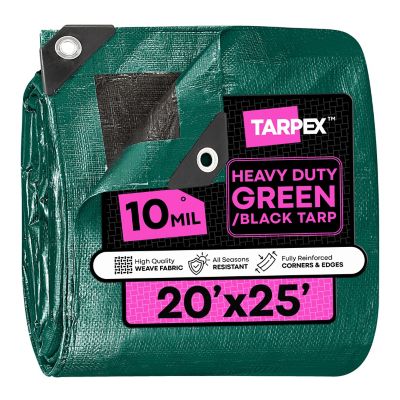
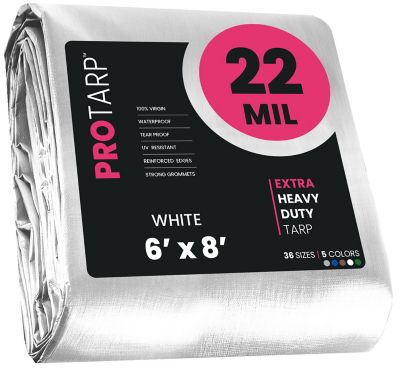
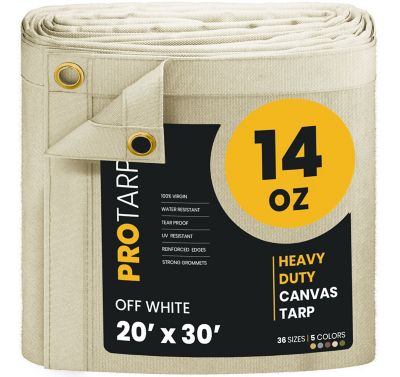
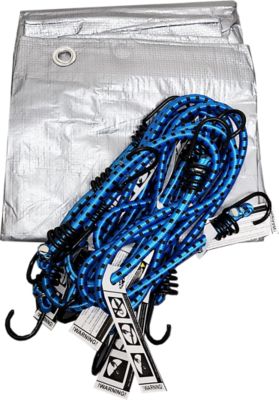
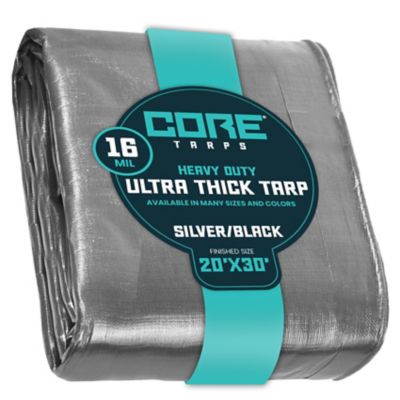
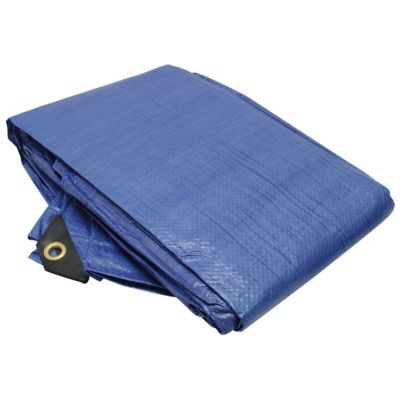
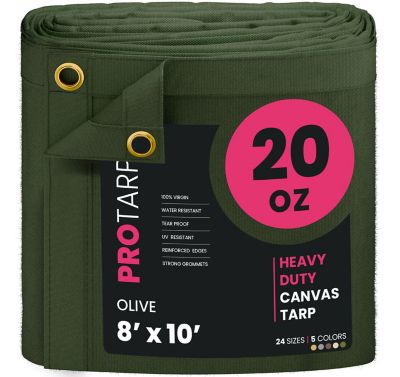
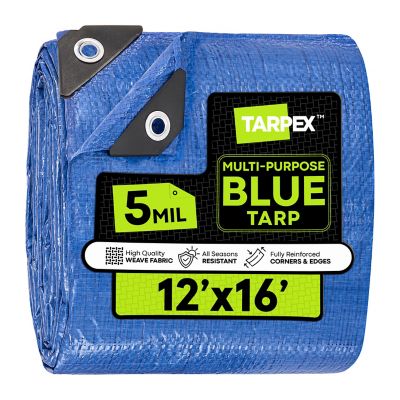
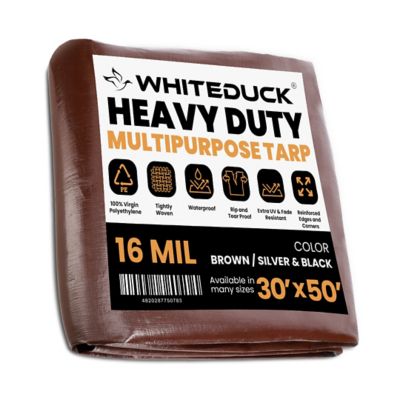
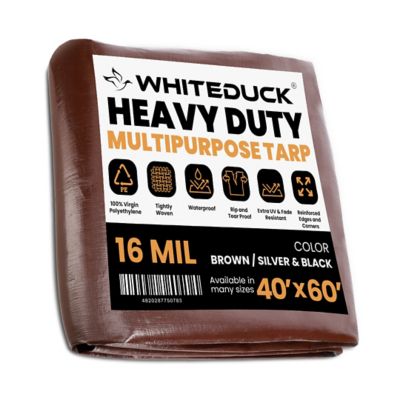
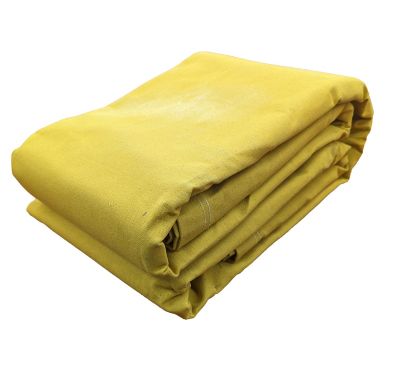
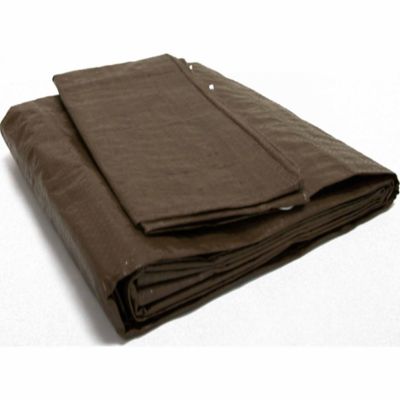
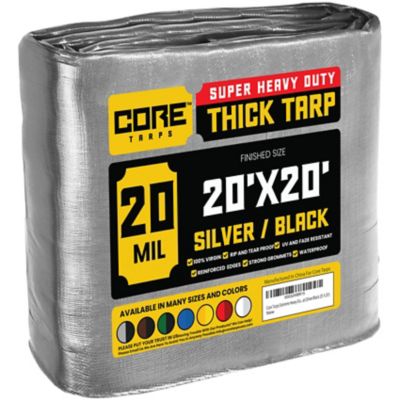
Weather-resistant tarps help shield equipment, materials, and outdoor work areas from rain, windblown debris, and sun exposure. Around a farm or acreage, that can mean covering a woodpile beside the shed, keeping rainfall off a parked utility trailer, or protecting bagged supplies while a storage space gets cleared out. The right material depends on what needs covering, how much exposure it gets, and how long the cover needs to stay in place. Polyethylene tarps commonly pair a woven plastic base with a protective coating, making them a practical choice for many everyday covering jobs. They tend to be lighter and easier to fold than heavier vinyl covers, especially when one person is handling the work. Vinyl-coated polyester tarps generally offer greater weight and abrasion resistance, which can suit equipment covers and other demanding applications when the manufacturer specifies that use. Treated canvas offers another option where breathability matters, though its water resistance depends on the fabric and treatment. Breathable does not mean moisture cannot collect underneath, and water-resistant canvas should not automatically be treated as waterproof. Across materials, weather resistance is not a single promise: protection against rainfall, ultraviolet exposure, tearing, and cold-weather handling can vary separately. A tarp that sheds a passing shower may not be intended for standing water or months of direct sunlight. Waterproof construction also depends on more than the main fabric, since seams, attachment points, and damage can create paths for leaks. These differences matter to livestock owners protecting nonperishable supplies, homeowners covering outdoor furnishings, and landowners keeping equipment out of direct exposure between jobs. For anything that must stay completely dry, an enclosed shelter remains a better safeguard than a tarp alone. As a covering layer, though, a properly matched tarp can take a good share of the exposure while keeping cleanup and handling manageable.
Size and construction shape how well a weather-resistant tarp works once it leaves the package. A cover needs enough length and width to reach over the top of a load and down its sides, with room left for secure attachment. Measuring only the footprint of a mower, stacked lumber, or a trailer load can leave the cover short because height takes up fabric, too. Product dimensions may describe the starting cut size or the finished size after hemming, so that distinction is worth checking before choosing a fit. For broader coverage,
Large Waterproof Tarps offer a related option for jobs where both span and water protection matter. More fabric is not always better, however; loose folds can catch the wind, flap against painted surfaces, and collect water. A closer fit with supported slopes helps rainfall run off rather than settle into pockets. Reinforced hems and corners help spread pulling forces, while grommet spacing affects where ropes or suitable tie-downs can attach. Grommets work best as part of an evenly secured perimeter rather than as a few isolated points taking all the strain. Thickness, often listed in mils, describes the material's gauge, but it does not tell the whole story about tear strength or service life. Fabric weight, weave, coating, seam construction, and reinforcement also play a part. A heavier cover may stand up better to rubbing yet take more effort to lift over a tall stack or fold in a small shed. Flexibility matters, too, particularly when a cover needs frequent removal or handling in cold weather. An ultraviolet-resistant coating can help slow sun-related breakdown, but no exposed tarp lasts indefinitely. Color and opacity can affect light beneath the cover and surface heating, though color alone does not establish weather protection. Those construction details make it easier to match a tarp to an occasional backyard task, a regular chore by the barn, or repeated work around a property.
Intended use matters just as much as material strength, especially when a tarp stays in place beyond a single afternoon. A firewood stack benefits from protection over the top with its sides open enough for air movement; wrapping the whole pile tightly can hold moisture where it is least welcome. Lumber and other building materials also need support off the ground, drainage around the stack, and ventilation suited to the material rather than a tight wrap that traps condensation. For equipment, a clean cover with padded contact points can reduce rubbing against sharp corners and finished surfaces. Engines and exhaust parts need to cool before covering, and a tarp should never cover running equipment or block required ventilation. Farm chemicals, animal feed, and moisture-sensitive supplies still need storage that meets their labeling requirements; a cover outdoors is not a substitute for that protection. Wind brings a different kind of wear, repeatedly tugging at hems and working loose fabric against whatever sits underneath. Even tension, sound attachment points, and periodic checks help limit that movement without pulling the fabric drum-tight. Snow and ice add weight, so a tarp should not be treated as a load-bearing roof or left spanning unsupported gaps where accumulation can stretch or tear it. Likewise, stationary covering and road transport are different jobs; a trailer load needs a cover and securement method rated for transport, with cargo tied down independently. Care between jobs helps preserve the coating and fabric. Following the manufacturer's cleaning directions, brushing away grit, and washing with an approved mild cleaner can prevent dirt from grinding into folds. Thorough drying before storage helps limit mildew and odors, particularly with canvas. Small punctures or worn areas may be repairable with a compatible patch, while brittle fabric, spreading tears, or separating seams can signal that a cover no longer suits the task. Stored dry and away from sharp tools, a weather-resistant tarp is easier to put back to work when the next load, project, or piece of equipment needs covering.