Fourth Of July Sale On Yard Outdoor Storage Box
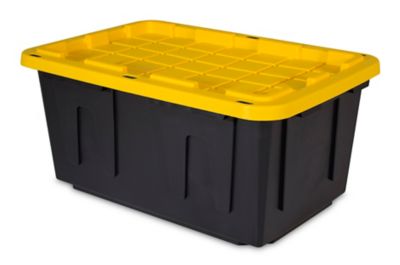
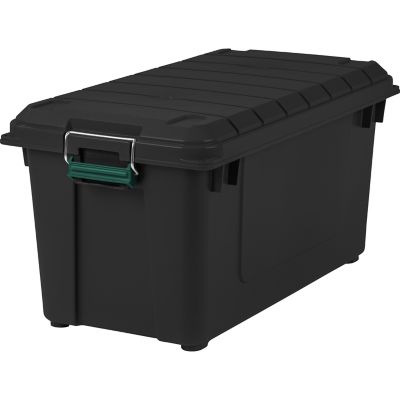
Get your space ready for summer fun with the Fourth of July sale on yard outdoor storage boxes. Whether you’re looking to tidy up your tools, stash away pool toys, or just keep your backyard organized, now’s the perfect time to save. Celebrate Independence Day with deals on storage solutions that help you make the most of your outdoor space. Enjoy more room for relaxing and entertaining while taking advantage of special holiday pricing.
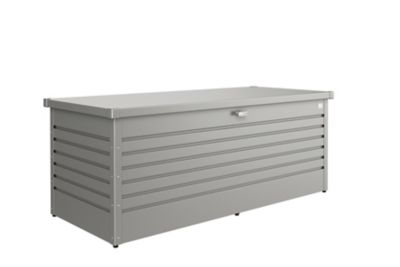
$974
.99
Sale Was $1,299.99 Save $325.00 (25%)
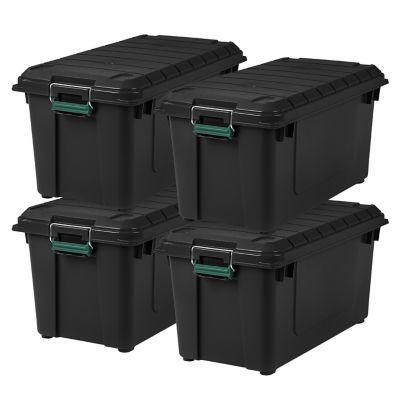
$139
.49
Sale Was $154.99 Save $15.50 (10%)
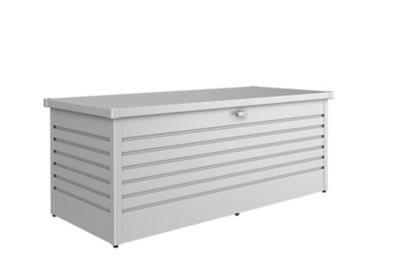
$974
.99
Sale Was $1,299.99 Save $325.00 (25%)
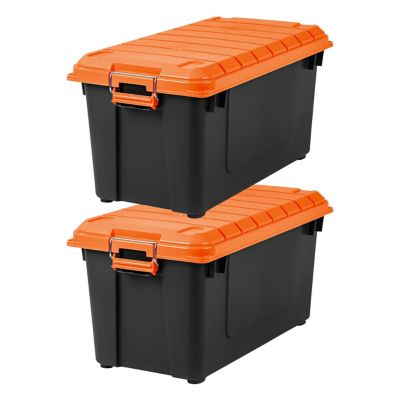
$78
.29
Sale Was $86.99 Save $8.70 (10%)
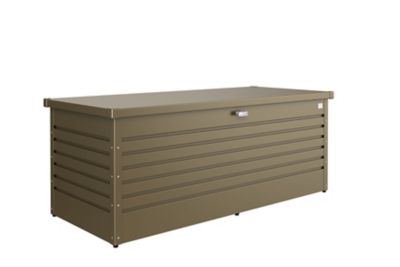
$974
.99
Sale Was $1,299.99 Save $325.00 (25%)
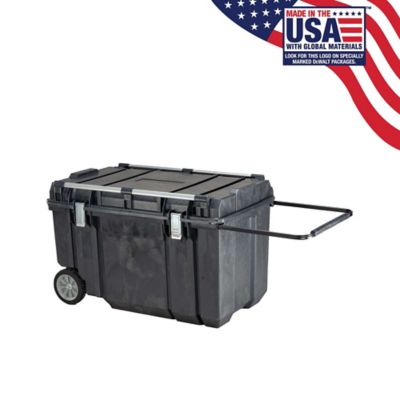
$129
.99
Sale Was $149.99 Save $20.00 (13%)
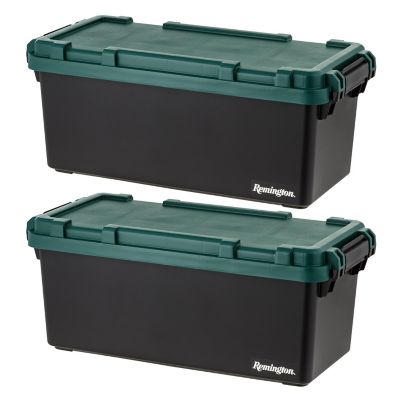
$70
.19
Sale Was $77.99 Save $7.80 (10%)
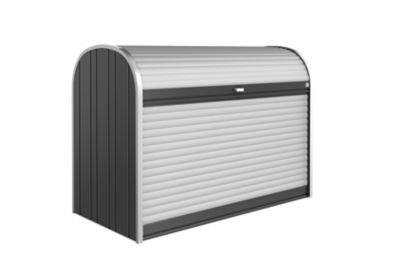
$2,896
.99
Sale Was $3,049.99 Save $153.00 (5%)
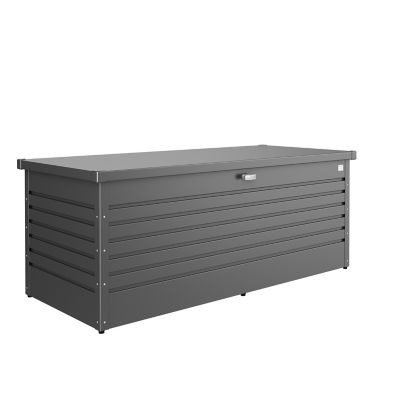
$1,169
.99
Sale Was $1,299.99 Save $130.00 (10%)
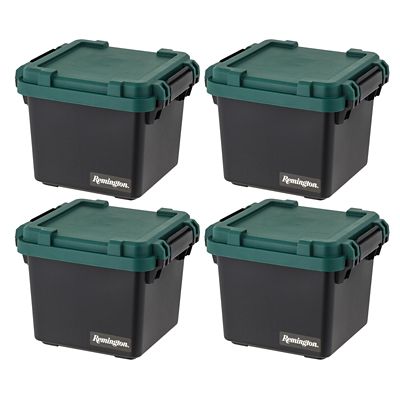
$70
.19
Sale Was $77.99 Save $7.80 (10%)
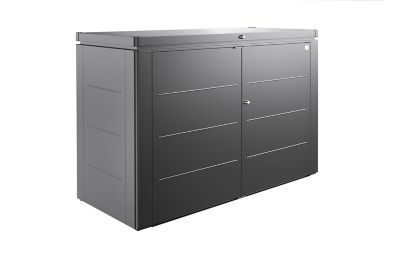
$3,799
.99
Sale Was $3,999.99 Save $200.00 (5%)
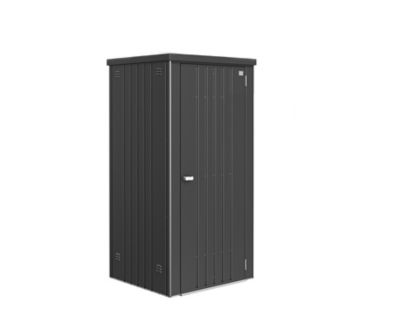
$1,251
.99
Sale Was $1,317.99 Save $66.00 (5%)
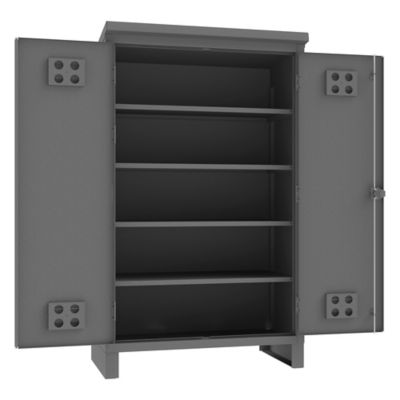
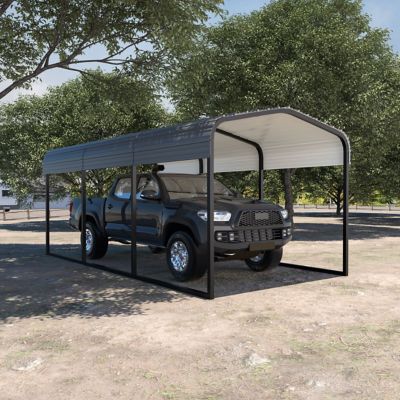
$549
.99
Sale Was $981.99 Save $432.00 (44%)
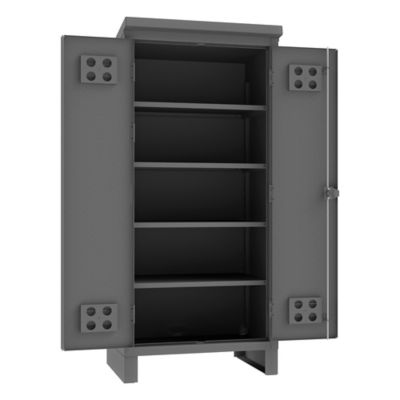
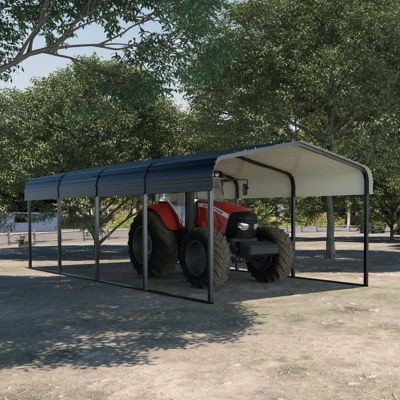
$749
.99
Sale Was $999.99 Save $250.00 (25%)
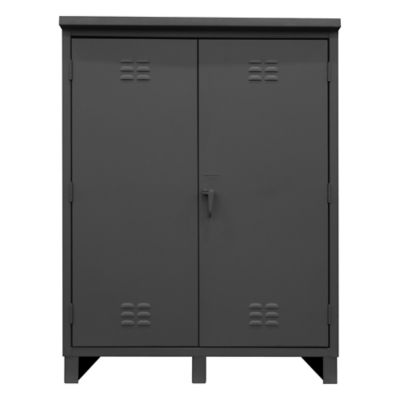
$3,509
.99
Sale Was $3,899.99 Save $390.00 (10%)
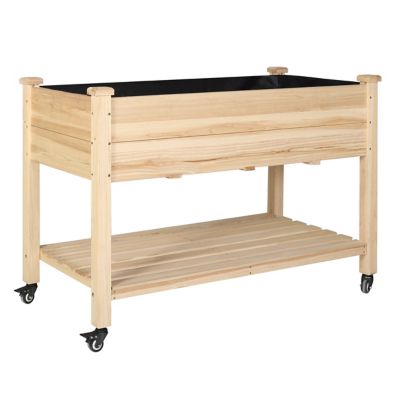
$79
.99
Sale Was $114.99 Save $35.00 (30%)
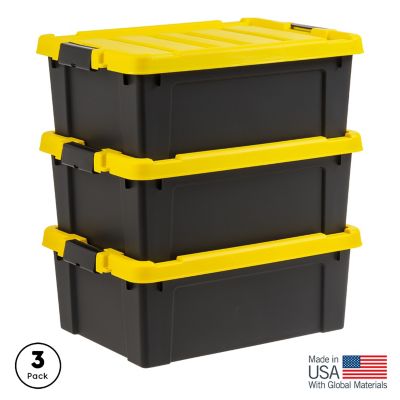
$52
.19
Sale Was $57.99 Save $5.80 (10%)
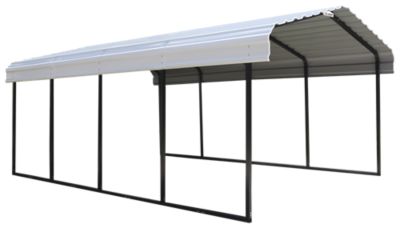
$1,199
.99
Sale Was $1,349.99 Save $150.00 (11%)
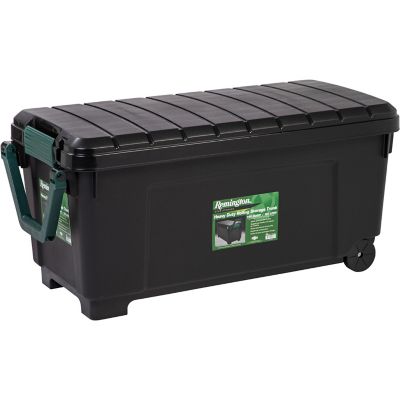
$44
.99
Sale Was $49.99 Save $5.00 (10%)
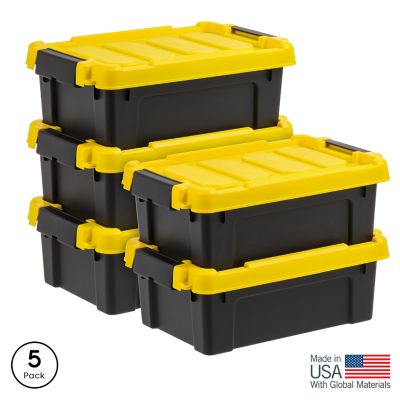
$44
.09
Sale Was $48.99 Save $4.90 (10%)
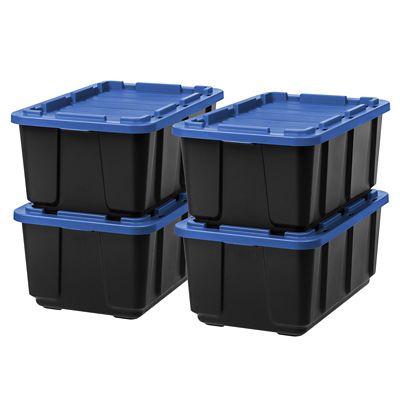
$81
.89
Sale Was $90.99 Save $9.10 (10%)
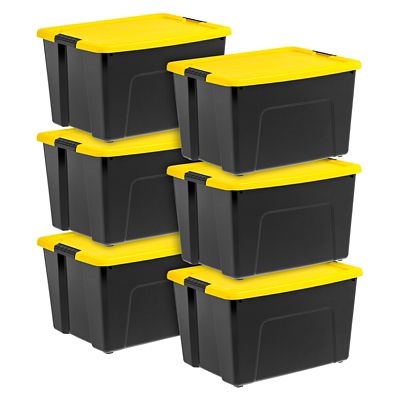
$68
.39
Sale Was $75.99 Save $7.60 (10%)
Best Of FAQ
What are the benefits of having a yard outdoor storage box?
Yard outdoor storage boxes provide a convenient and weather-resistant solution for organizing and protecting your outdoor items such as gardening tools, cushions, pool supplies, and toys. They help keep your yard tidy and your belongings easily accessible.
Can outdoor storage boxes be kept outside all year?
Yes, most outdoor storage boxes are designed to withstand various weather conditions, making them suitable for year-round use. Their sturdy materials help protect contents from rain, snow, and sun exposure.
How do I maintain and clean an outdoor storage box?
To maintain your outdoor storage box, periodically wipe it down with mild soap and water to remove dirt and debris. Ensure the lid closes securely to keep moisture out, and check for any buildup of leaves or water around the base.
Are there different styles of yard outdoor storage boxes available?
Yes, yard outdoor storage boxes come in various styles, including bench-style seating, deck boxes with flat tops, and vertical cabinets. You can choose a style that complements your outdoor décor and meets your storage needs.
What materials are commonly found in yard outdoor storage boxes?
Outdoor storage boxes are typically made from weather-resistant materials such as resin, plastic, wood, or metal. Each material offers different advantages in terms of appearance and maintenance requirements.
Best Sellers
-
"I absolutely love it! I would like to buy a cover for table and chairs"
-
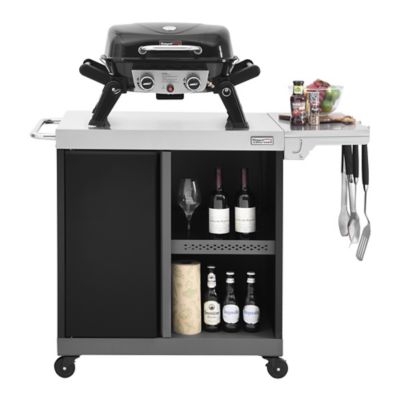
"Large workspace and the shelves are great and perfect for storing tools for grill the door on other side"
-
"Best to keep it protected from weather"
-
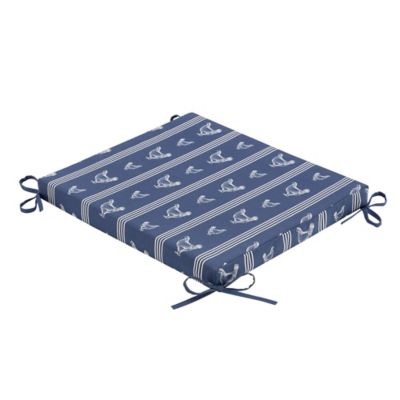
"I really love these. The colors are cute"
-
"Great sturdy product…"