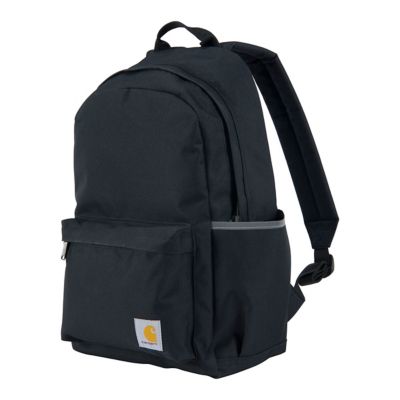
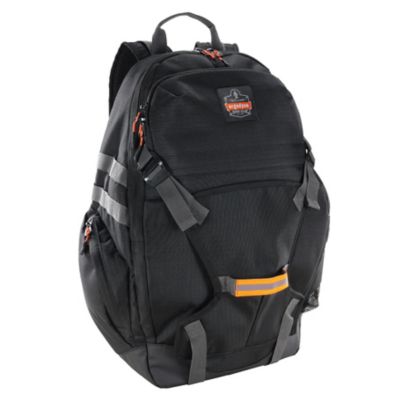
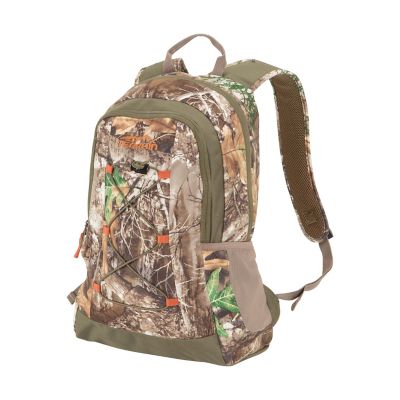
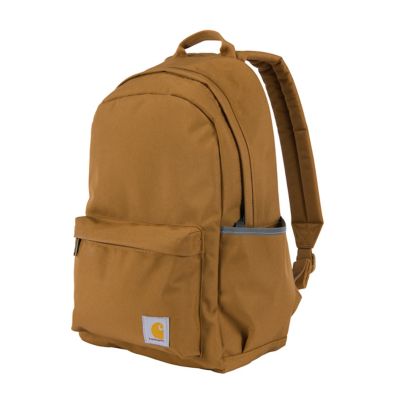
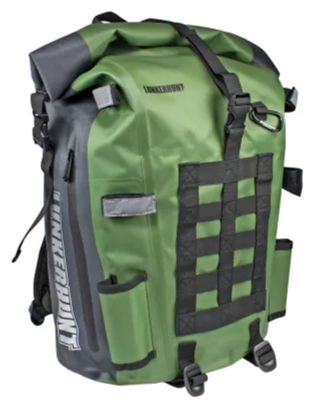
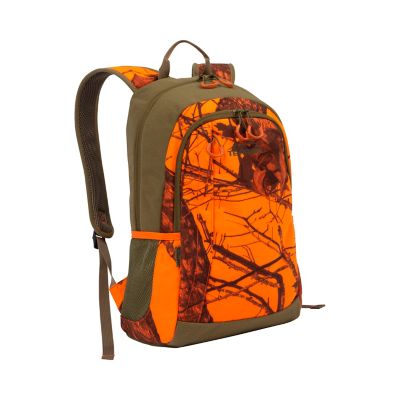
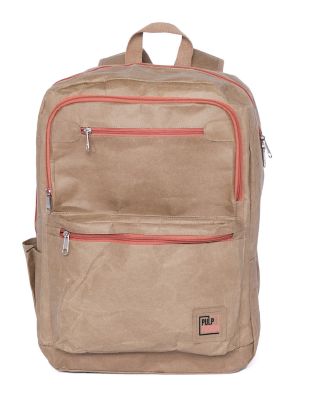
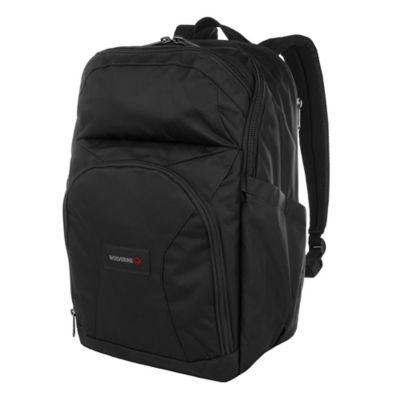
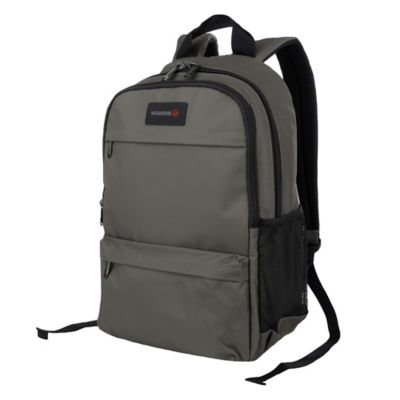
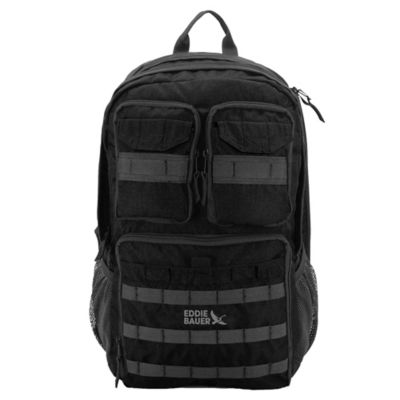
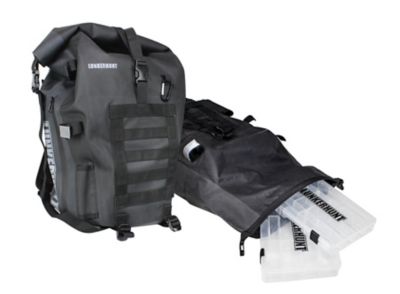
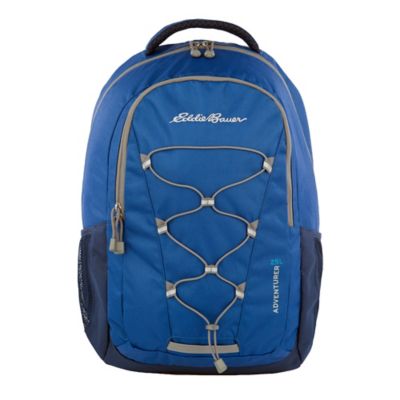
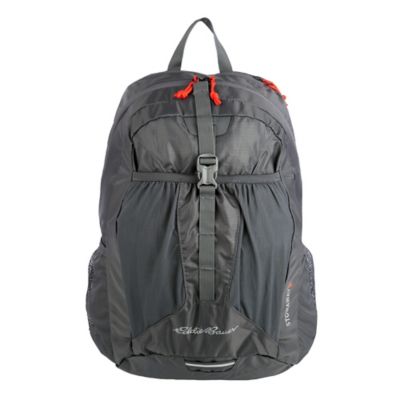
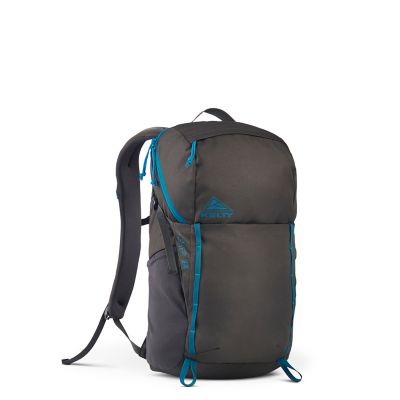
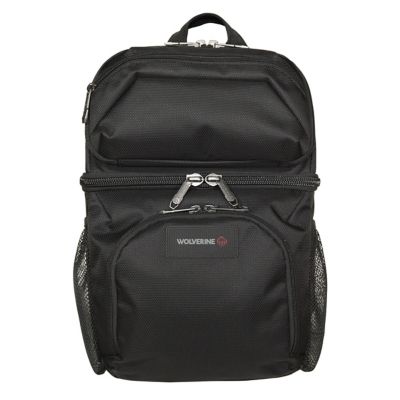
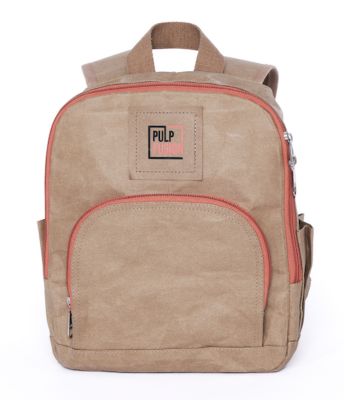
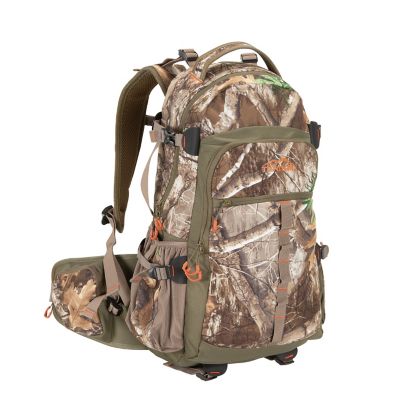
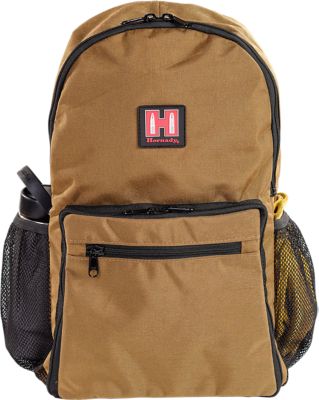
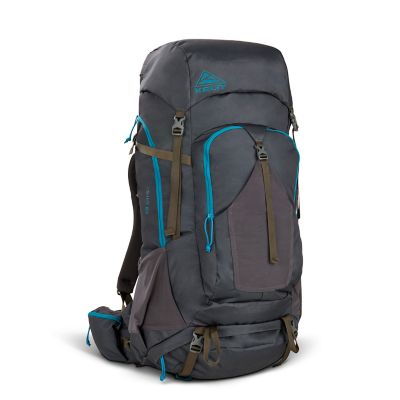
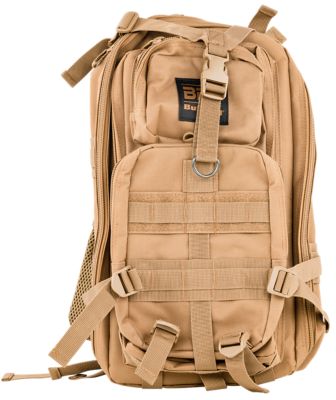
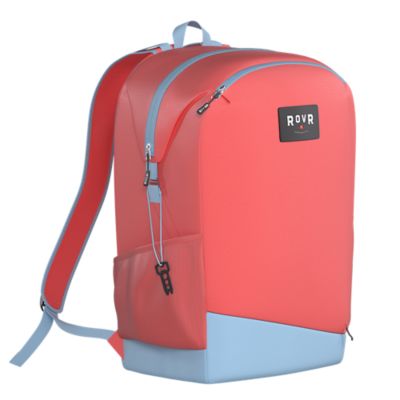
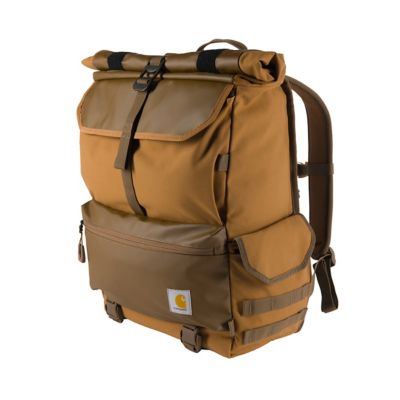
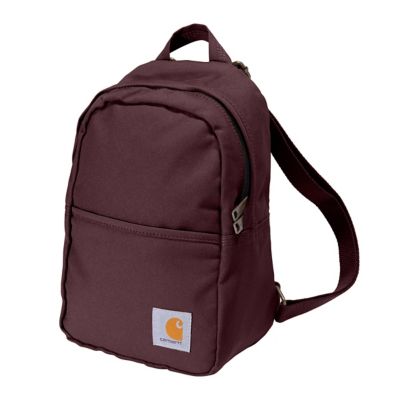
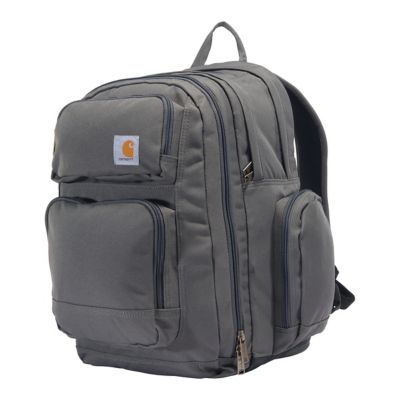
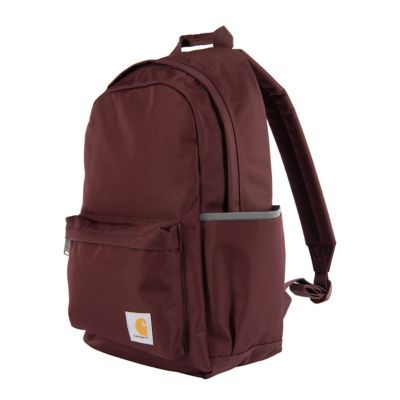
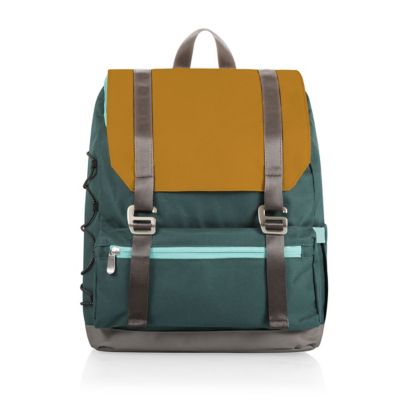
Backpacks with water bottle holders keep a drink close at hand while leaving the main compartment free for books, work gear and everyday essentials. A well-matched bottle pocket combines enough depth to support the bottle, an opening that holds it snugly and room for its widest point. That matters when a backpack slides onto the passenger seat of a pickup, leans against a desk or gets lifted into an overhead compartment. Bottle capacity alone does not determine the fit: a slim 24-ounce bottle and a broad 40-ounce tumbler can need very different pocket shapes. The bottle’s diameter, overall height, handle and lid all affect how it sits. A pocket that reaches well up the bottle’s sides generally offers more support than a shallow pocket that catches only the bottom. Stretch mesh pockets give a little as the bottle goes in, while fabric pockets with elastic openings offer another way to hold it close to the bag. Some designs include an adjustable strap near the pocket that can help limit movement when it sits securely around the bottle. An enclosed, zippered compartment provides a different arrangement, with fit depending on whether the entire bottle can sit inside without straining the closure. Open side pockets make it easier to grab a drink without opening the main zipper, though access varies with pocket placement and the wearer’s reach. Keeping a bottle outside the main compartment also separates it from notebooks and electronics, but a tightly closed, leak-resistant lid still matters. Two bottle pockets give room for a second drink or another small essential, provided the contents fit securely. A bottle filled for a long day adds noticeable weight, so pocket placement and the rest of the load deserve attention together. For a student heading between classrooms, a worker walking from the parking lot or someone spending the day at a livestock show, these small details can make a backpack easier to carry and less fussy to handle.
The rest of the backpack needs to suit the job just as well as the bottle holder. Polyester and nylon are common choices for everyday packs, with fabric weight, weave and construction all playing a part in how the bag handles repeated loading and contact with rough surfaces. Canvas has a different feel and structure and may add weight before anything goes inside. Reinforced attachment points, neatly finished seams and a substantial bottom panel are useful details on a bag that gets set beside a workbench or carried through a full school day. A water-resistant finish may help with minor splashes, but it does not make an entire backpack waterproof or protect the contents from a leaking bottle. Inside, the layout determines whether the bag feels roomy or crowded. A broad main compartment can hold lunch, a change of clothes and a notebook, while smaller pockets keep keys, pens and charging cords from settling at the bottom. A padded laptop sleeve adds separation for a computer, although the sleeve’s actual dimensions matter more than a general screen-size description, especially when a protective case stays on the device. Bottle pockets also need room to expand when the main compartment is packed; an overfilled bag can push into the same space the bottle needs. Comfort comes from the combination of pack size, strap shape, padding and load placement. Adjustable shoulder straps help position the bag close to the back, while a padded back panel can soften contact with firm contents. Some backpacks have a sternum strap to help keep shoulder straps in place, and larger designs may include a hip belt for added support. A smaller frame usually needs a shorter pack rather than an oversized bag with the straps pulled tight. Heavier belongings ride more comfortably close to the back, and keeping the load balanced matters when one side pocket holds a full bottle. Those features have practical value on a walk across campus, a trip through an airport or the stretch between the truck and the jobsite.
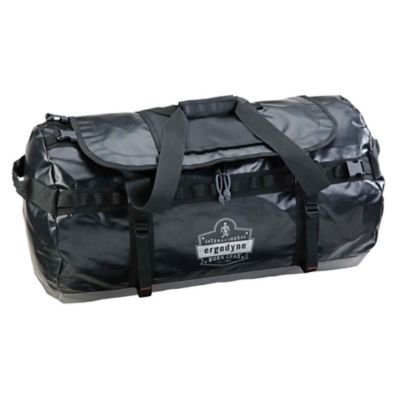
Everyday routines also shape which details earn their keep. A backpack for school may need room for binders without forcing the bottle pocket flat, while a work pack may benefit from separate spaces for lunch, paperwork and personal belongings. For day trips, room for snacks, a small first-aid kit and an extra shirt can matter more than a long row of organizer pockets. The bottle should stay accessible without blocking a main zipper or catching against the wearer’s arm. Carry handles, zipper pulls that are easy to grasp and a base that holds its shape can make the bag simpler to manage when moving between places. Care is part of keeping those features working well. Crumbs and grit collect in pocket corners, and damp bottle bottoms can leave moisture behind, so emptying the bag and letting pockets dry fully helps keep the interior fresh. Cleaning methods depend on the fabric, lining, coatings and padding. Following the care label protects those parts; where permitted, a soft cloth or brush with mild soap can address small marks without soaking the whole pack. Thorough air drying before storage is especially important around padded panels and seams. Mesh bottle pockets also benefit from a little attention, since sharp keys or exposed tool edges can snag the openings. Checking stitching and strap attachments occasionally can reveal wear before a small problem spreads. As a gift, a backpack with bottle storage makes sense for students, commuters, travelers and folks whose days take them from one task to the next. Knowing the recipient’s usual bottle size and what else they carry makes the choice more personal without guessing at unnecessary features. For travel that calls for a wider packing opening and more flexible carrying options,
Duffel Bags With Backpack Straps offer another bag style to consider. Whether the day involves classes, errands or time away from home, a backpack that fits both the person and the bottle keeps everyday gear together without making a simple drink stop a chore.