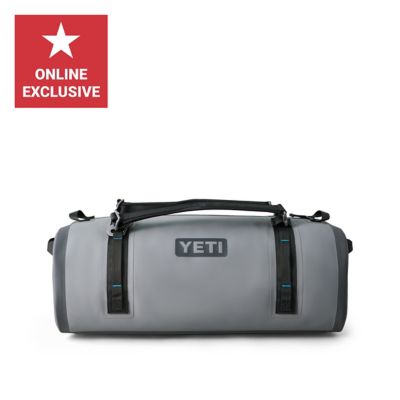
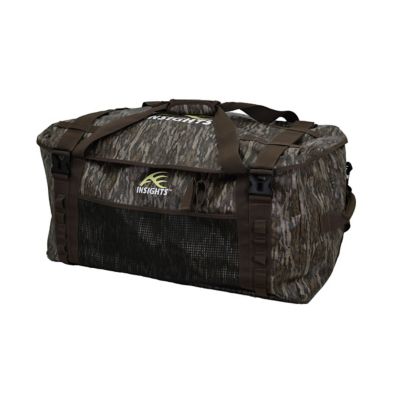
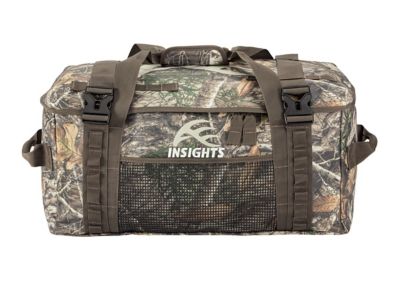
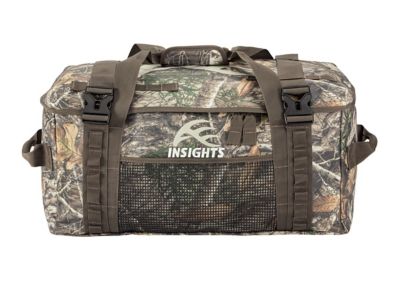
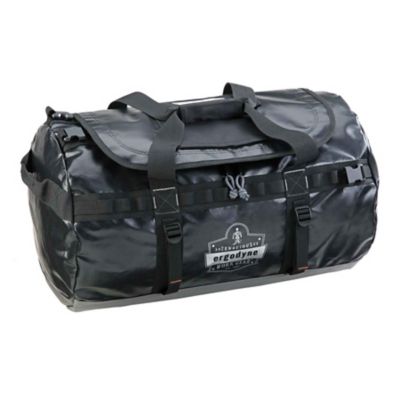
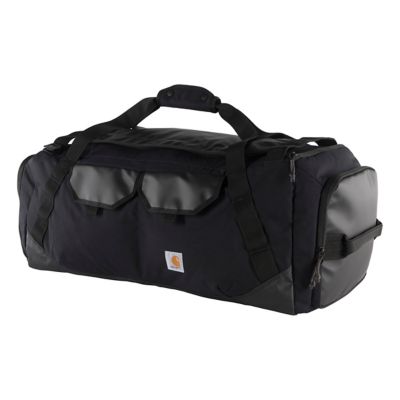
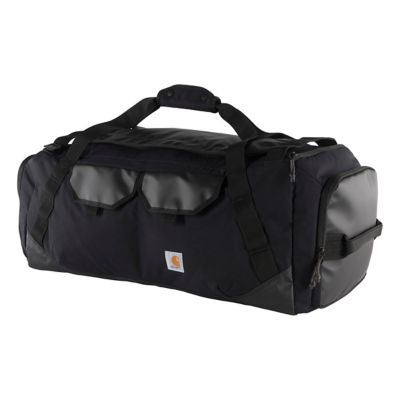
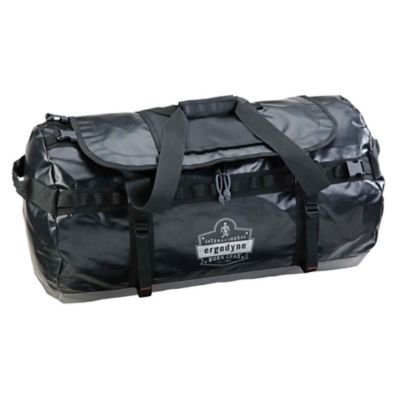
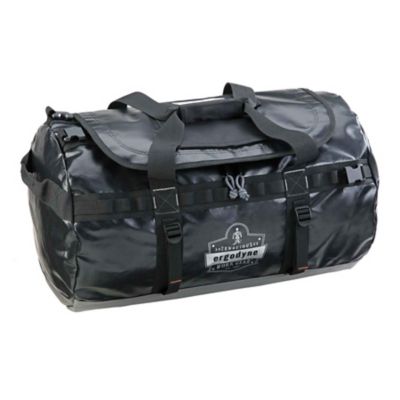
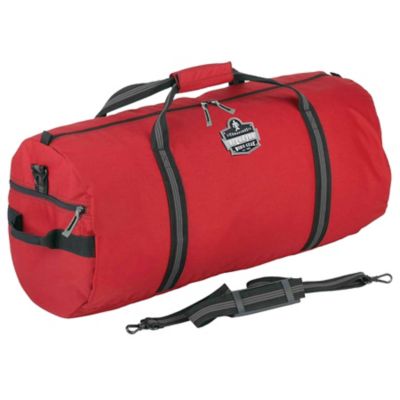
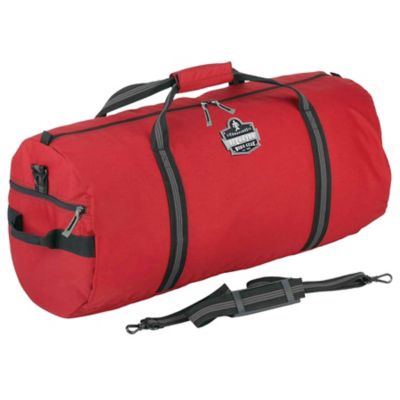
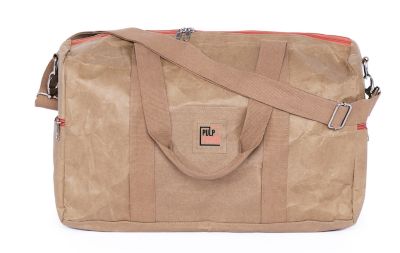
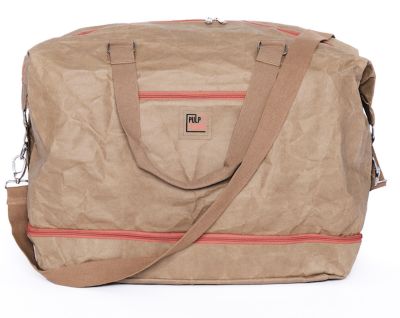
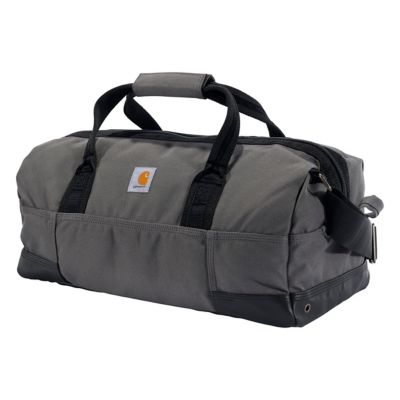
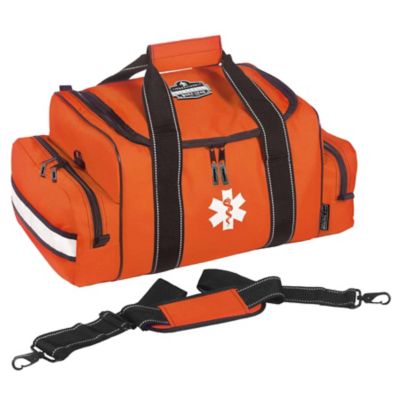
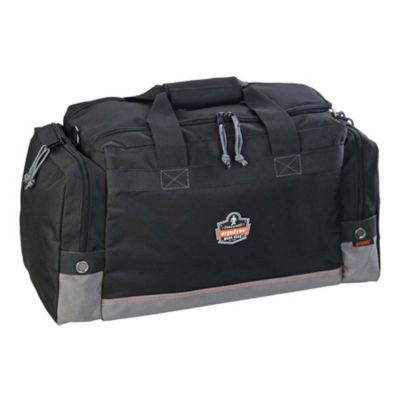
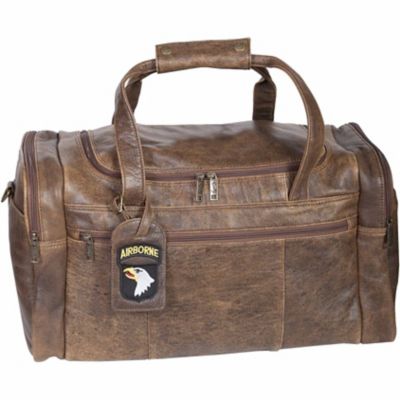
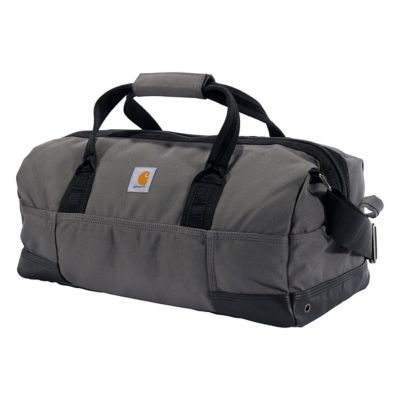
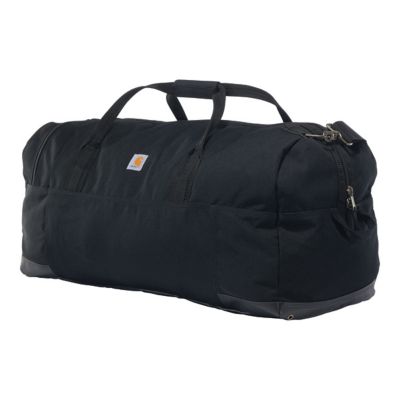
Duffel bags with backpack straps, also called convertible duffels, pair a duffel’s roomy main compartment with shoulder straps that let the bag ride on your back. That setup keeps hands free for opening a gate, pulling a suitcase or carrying a separate piece of gear. Handles offer another way to move the bag when lifting it into a truck, setting it on a bench or walking a short distance from the driveway to the house. For trips that involve more walking, the backpack straps spread the load across both shoulders instead of leaving one hand to do all the work. These bags make sense for gym visits, overnight stays, livestock shows and work trips where clothing and personal supplies need to travel together. A broad opening makes it easier to see a folded shirt beneath a sweatshirt or pull out a pair of boots without emptying the whole bag. Opening styles vary, with some designs offering a long top zipper and others featuring a larger panel that folds back. Interior pockets can keep a wallet, charging cord and small toiletries from settling beneath everything else, while an exterior pocket puts frequently needed belongings within reach. A separate footwear compartment can keep soles away from clean clothing, though that compartment may take space from the main storage area when filled. Ventilated sections allow more airflow, but they do not replace taking damp clothing out after a trip. The right layout depends on what travels together: a change of clothes and sneakers call for a different arrangement than several days of work shirts, jeans and personal supplies. For someone heading from a jobsite to a workout, separating footwear from clean clothing may matter more than having lots of small pockets. For a weekend away, a simple main compartment with room for packing pouches may be the better match. The appeal is having duffel-style packing space without being limited to carrying the entire load by hand.
Materials, construction and strap fit all affect how a convertible duffel feels once it is full. Nylon and polyester fabrics are common choices, with differences in weave, thickness and coatings influencing weight, abrasion resistance and cleanup. Canvas offers a substantial feel, though its own weight adds to the packed load. A reinforced bottom helps protect the area that meets locker-room floors, truck beds and cabin porches, while extra stitching around handles and strap attachment points supports places that take repeated pulling. Zippers should move smoothly around corners, and pulls large enough to grasp make a difference when the bag is packed close to capacity. Water-resistant fabric can help with small spills, but that description does not necessarily mean moisture cannot enter through seams or zipper openings. Shoulder straps deserve just as much attention as the outer fabric. Padding, strap width and adjustment range help determine whether the bag sits comfortably against the back or hangs low and swings with each step. A shorter adult or teenager may need a different adjustment range than someone with a longer torso. If included, a chest strap can help keep shoulder straps from sliding outward, but a convertible duffel does not automatically offer the support of a framed hiking pack. Heavy clothing and footwear packed near the back panel, with softer layers between firm edges and the body, can make the carry feel more balanced. Extra capacity is useful only if the filled bag remains manageable. Stowaway or removable backpack straps also matter when switching to the grab handles, since loose straps can catch while loading or unloading. For a more upright shape centered on everyday essentials,
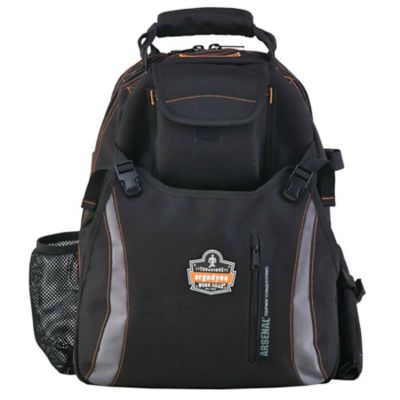
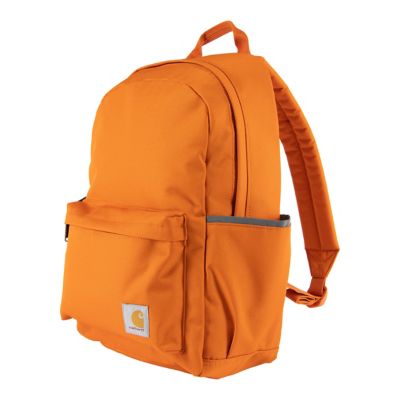
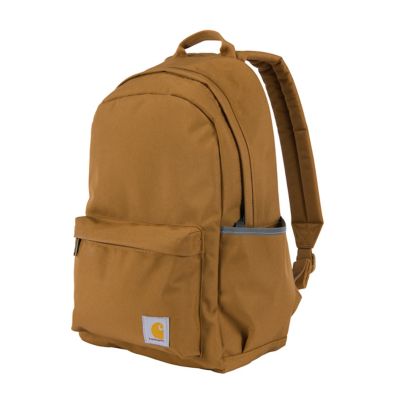
Urban Backpacks offer another carry option. A convertible duffel puts more emphasis on open packing space and the ability to switch between hand carrying and backpack carrying, which suits trips where the route includes both a short lift and a longer walk.
Capacity is worth considering alongside the bag’s shape, not just the number of liters listed. Two bags with similar stated volume can pack differently if one has a wide rectangular body and the other narrows toward the ends. Stiff sides may hold their shape for easier loading, while a softer body can fold flatter between trips. Neither approach replaces checking the outside measurements when space is tight. A bag meant for an airline cabin needs to meet the carrier’s size rules when fully packed, including any bulging pockets, handles and straps. The same practical thinking applies to a gym locker, a truck’s back seat or a shared storage shelf at the barn. A bag that fits its regular parking spot is easier to keep in the daily routine. Care requirements depend on the fabric, lining and any coatings, so the care label should settle questions about washing methods. Emptying pockets and shaking out grit keeps dirt from grinding into the lining, while a soft brush can lift dried soil before spot cleaning. Mild soap and a damp cloth may suit some materials; soaking, machine washing or strong cleaners can harm others. Zipper tracks benefit from having grit brushed away rather than being forced when they catch. After cleaning, the bag should dry completely, with compartments open, before it is put away. Removable straps should be reattached securely, and frayed stitching or damaged buckles deserve attention before another heavy load goes in. For gifting, these bags suit graduates, gym regulars, frequent overnight travelers and family members who often head out with a change of clothes. An easy-to-reach pocket, comfortable straps and enough room for familiar gear usually matter more than a long list of extras. A sensible match comes down to the recipient’s routine: what they pack, how far they carry it and where the bag needs to fit when the trip is over.