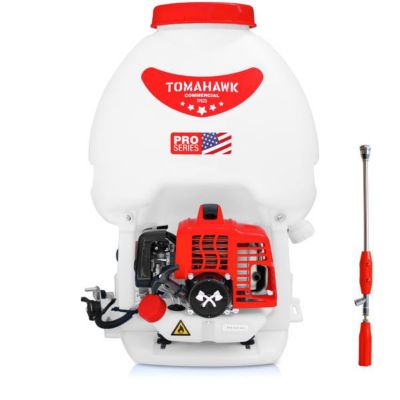
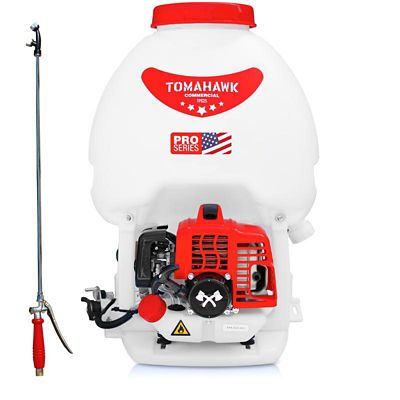
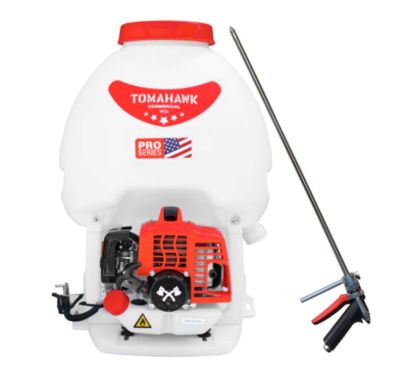
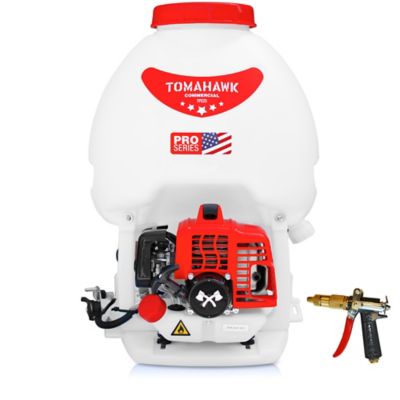
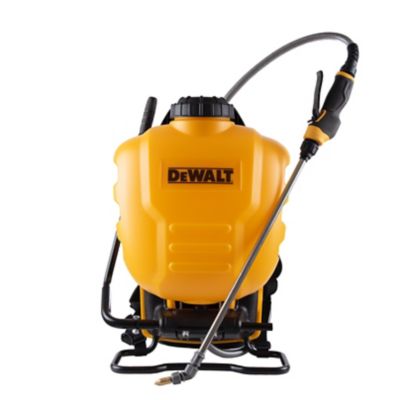
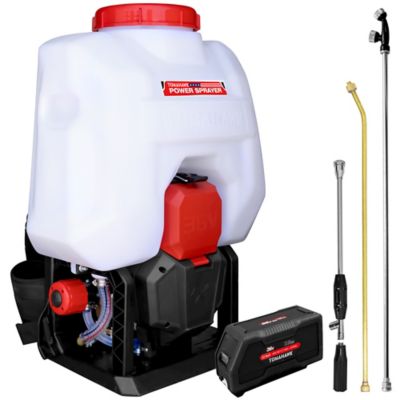
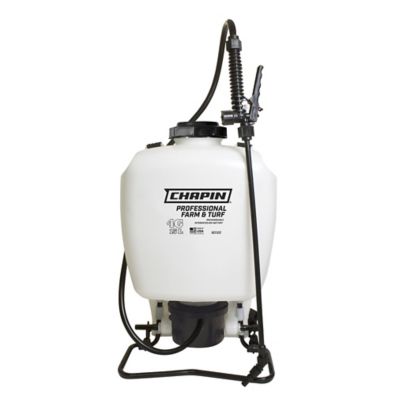
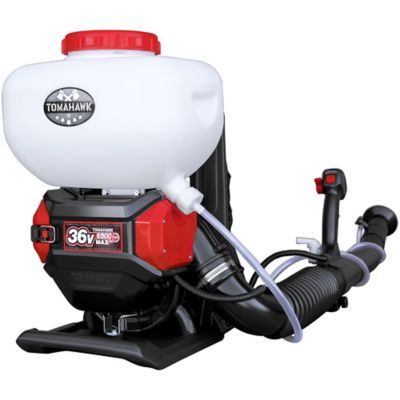
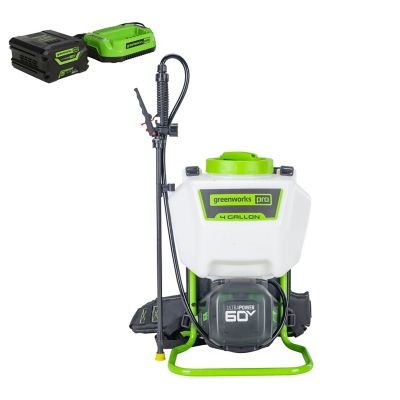
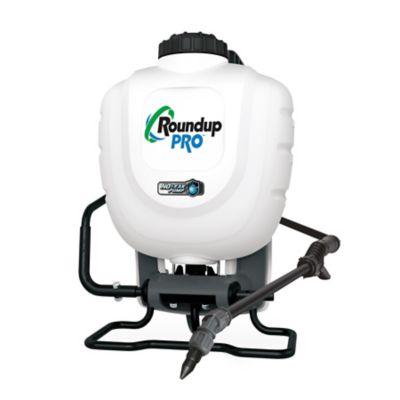
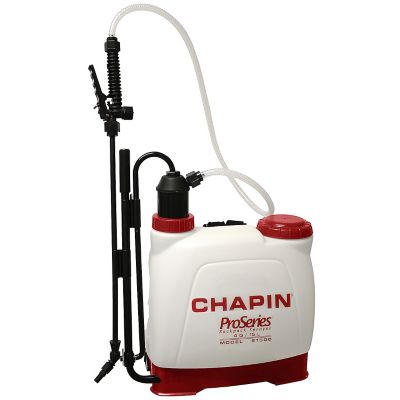
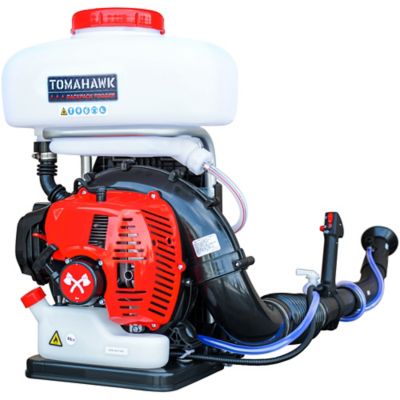
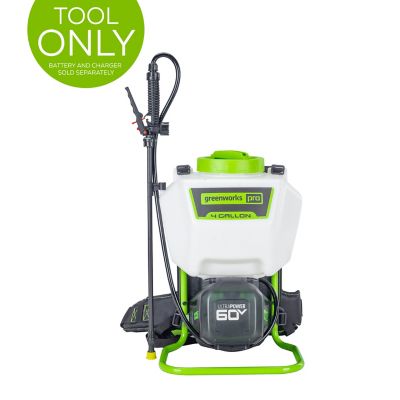
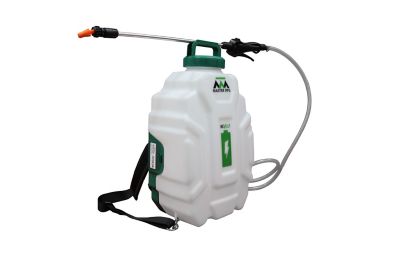
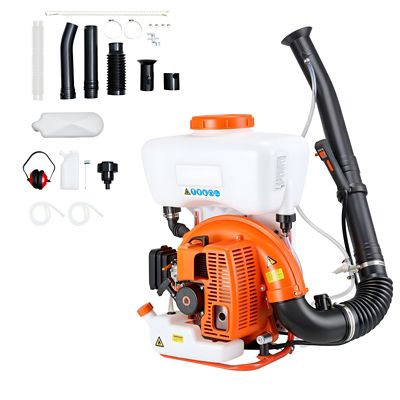
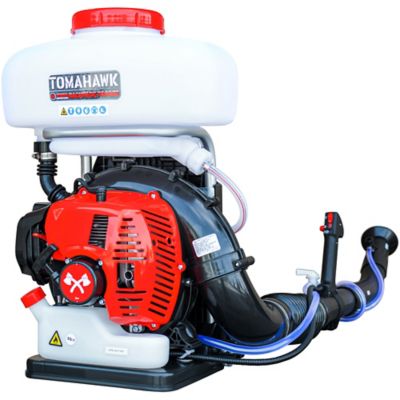
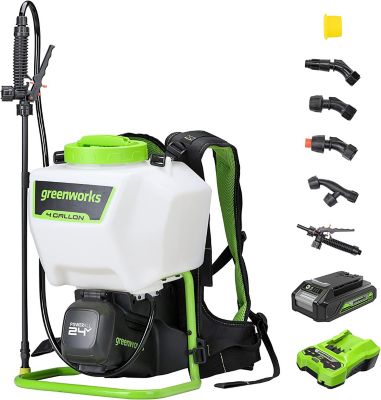
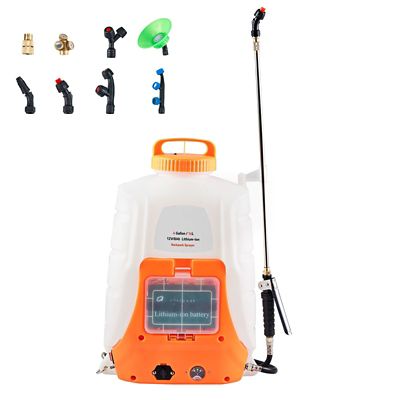
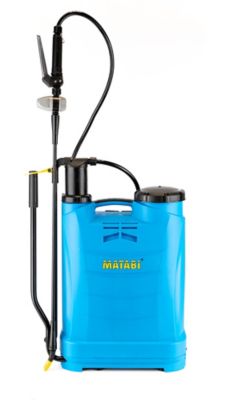
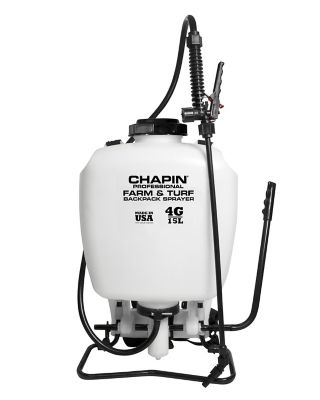
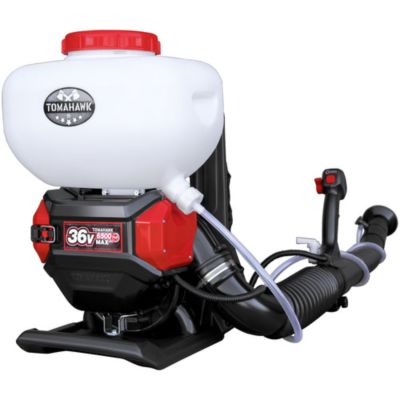
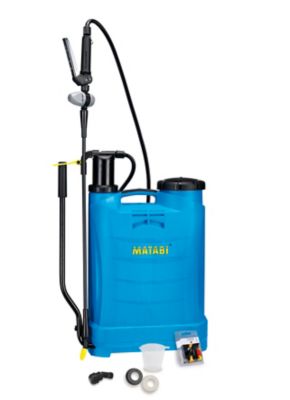
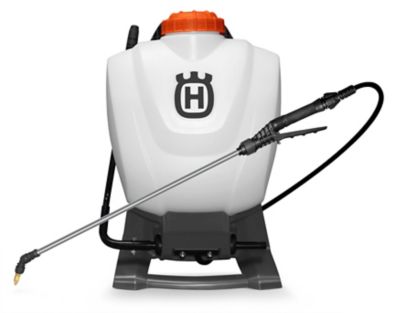
Backpack sprayers for pest control carry the tank on your back and put a spray wand in your hand, making it easier to move along fence lines, around outbuildings and across other treatment areas without dragging a hose. They’re a practical fit for property owners, grounds crews and pest management professionals who need portable equipment for targeted applications. Depending on the pesticide label, those applications might include insect treatments around building foundations, weed control along designated boundaries or treatment of listed ornamental plants. The sprayer delivers the solution; the pesticide label determines which pests, surfaces and locations are appropriate. Manual and battery-powered backpack sprayers handle that work differently. A manual model relies on a hand-operated lever to maintain pressure, giving the operator direct control without a battery to charge. That setup can suit occasional spot treatments or shorter stretches of spraying. A battery-powered backpack sprayer runs its pump electrically, reducing repetitive pumping and leaving more attention for handling the wand and moving through the work area. Models with pressure regulation can help maintain steady output within their operating range, though nozzle selection, battery charge and equipment condition still matter. Battery runtime alone doesn’t tell the whole story: operating pressure, flow setting and the number of tank refills also affect how much work a charge can cover. Motor-powered backpack mist blowers represent another equipment category for certain labeled applications, but their air-assisted delivery isn’t interchangeable with ordinary liquid spraying. Tank capacity deserves just as much thought as the power source. A larger tank means fewer refill stops, but every gallon of water adds about 8.3 pounds before accounting for the sprayer itself. Four gallons of water weigh roughly 33 pounds, so a full-size tank can be a substantial load while stepping around posts or walking a long property boundary. A smaller tank or a partial fill may make more sense for scattered treatment spots, while larger capacities can suit continuous work when the operator can comfortably manage the weight.
Materials and fit make a noticeable difference once a backpack pest control sprayer is strapped on. Many tanks feature molded polyethylene, which keeps the tank relatively light and allows for practical shapes that sit close to the back. Some have translucent walls or molded level markings that help show the remaining liquid. Chemical resistance depends on the complete system, not just the tank: pump parts, hoses, seals, gaskets and fittings all need to be compatible with the intended formulation. A sprayer approved for one type of solution may not handle another, especially when solvents or other ingredients affect seals. Wands and nozzles may incorporate plastic, brass or stainless steel, with each material offering different handling, maintenance and chemical-compatibility considerations. A longer wand can help reach a treatment point without stretching, while a shorter setup may be easier to handle beside a foundation or between closely spaced plants. Hose length matters, too; enough slack allows comfortable movement, but excess hose can catch on gates, brush or equipment. Nozzle design determines the spray pattern and influences coverage. Fan patterns can suit even coverage across a band, cone patterns distribute spray differently, and adjustable tips offer a range of patterns within the nozzle’s design limits. None of those options makes every application suitable. The pesticide label and sprayer instructions should govern the nozzle, pressure and application method. Pressure, flow rate and walking pace work together to determine how much solution reaches a given area, so a higher pressure setting isn’t automatically a better choice. For comfort, padded shoulder straps, an adjustable harness and a waist belt can help position and support the load. A shaped back panel and balanced tank help keep the equipment from shifting with each step. Strap adjustment range is worth checking, particularly when more than one person handles the equipment. Lever position, trigger reach and a comfortable wand grip also matter during repeated passes around a long building or along a row of fence posts.
Care and serviceability help keep backpack sprayers ready for the next job. A wide fill opening can make measuring and pouring easier, while a removable strainer helps catch debris before it reaches the pump or nozzle. Accessible filters, replaceable seals and straightforward hose connections make routine upkeep less of a chore. Even a small amount of grit can interfere with spray output, and a worn nozzle can change the application rate without making the problem obvious from the handle. A shutoff valve that closes cleanly and connections that stay sealed are important when carrying pesticide solution against the body. Battery equipment adds a few more considerations, including charger requirements, battery access and the manufacturer’s directions for cleaning around electrical components. Manual equipment has its own maintenance needs, particularly at the pump, lever linkage and seals. Cleaning methods and storage requirements vary by sprayer and chemical, so both sets of instructions matter. Rinse water also needs handling according to the pesticide label rather than emptying it wherever it’s convenient. Keeping separate, clearly identified equipment for herbicides and other treatments can help prevent residue from reaching a plant or surface that shouldn’t receive it. For properties with several kinds of application work, the broader range of
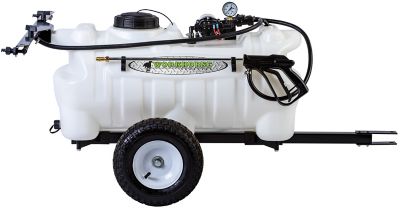
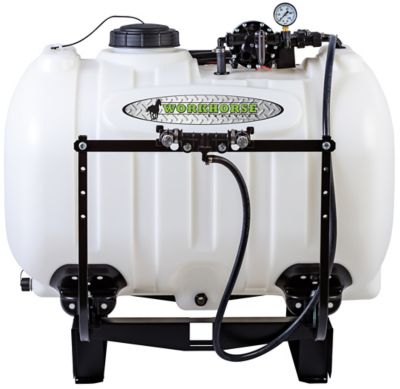
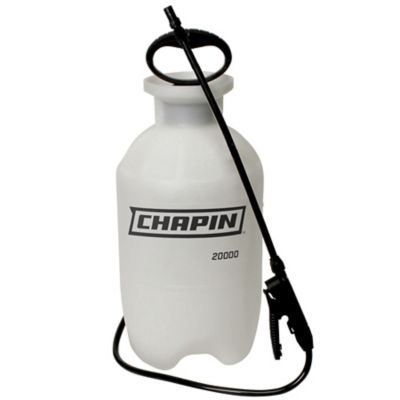
Pesticide Sprayers provides context for comparing backpack equipment with handheld and other sprayer formats. A backpack design often makes sense when the job calls for walking access, frequent changes in direction and controlled wand placement rather than continuous coverage over large acreage. Around livestock areas, feed storage, gardens and pet spaces, the treatment location and label restrictions deserve particular attention; carrying a portable sprayer doesn’t make every nearby surface an appropriate target. Label-required protective clothing and equipment, along with keeping people and animals away for the specified period, remain part of the job. Matching tank size, power source, harness fit and chemical compatibility to the actual treatment work helps make the equipment a practical part of property care, whether the task is a few approved spot treatments or a longer route around multiple buildings.