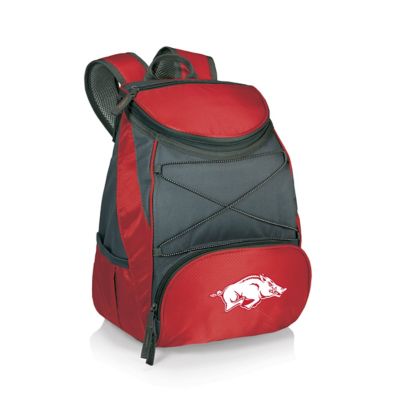
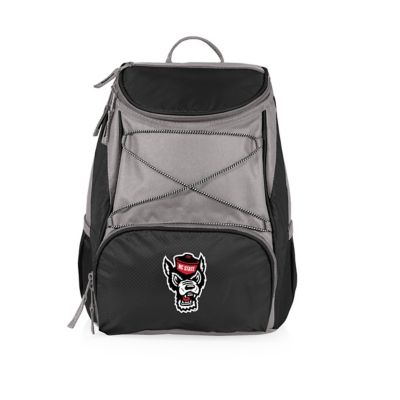
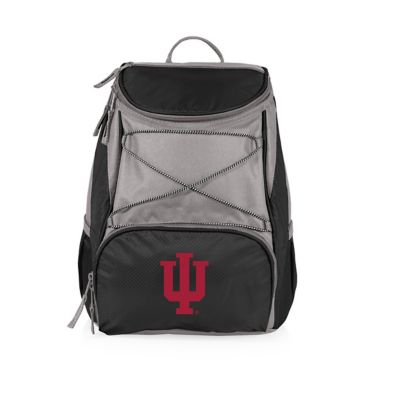
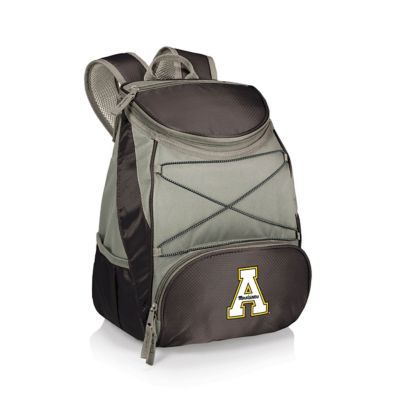
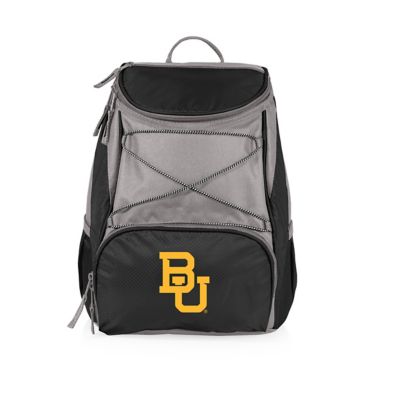
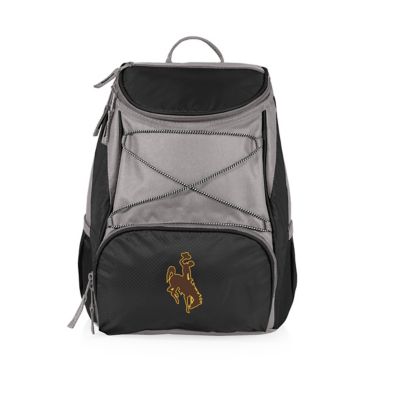
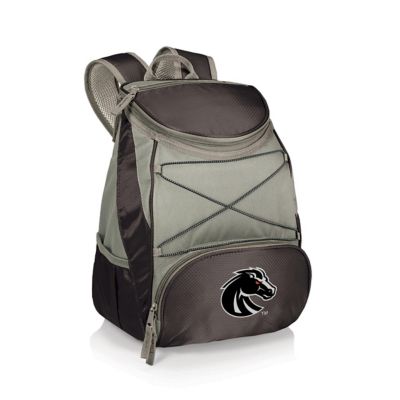
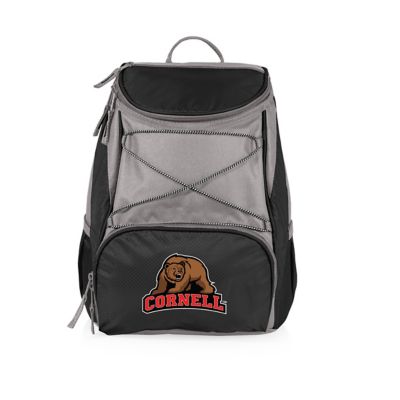
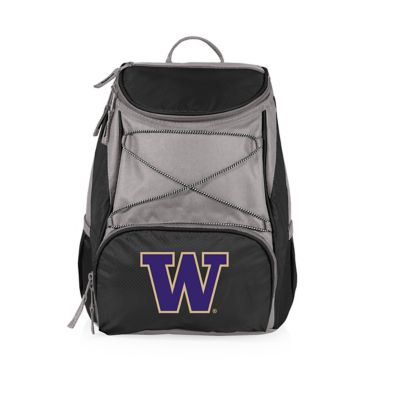
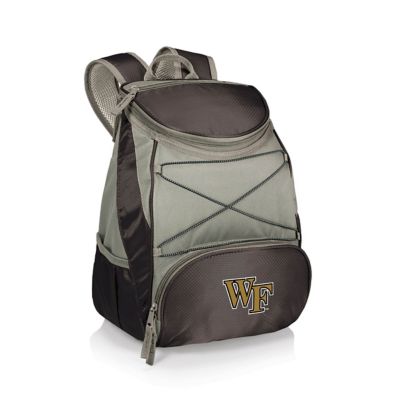
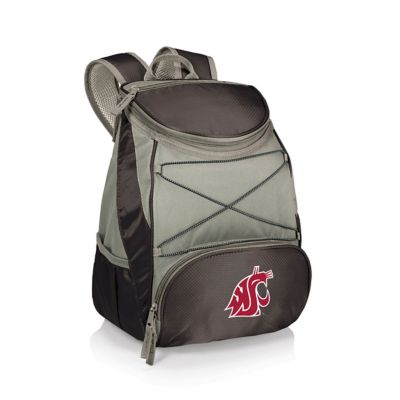
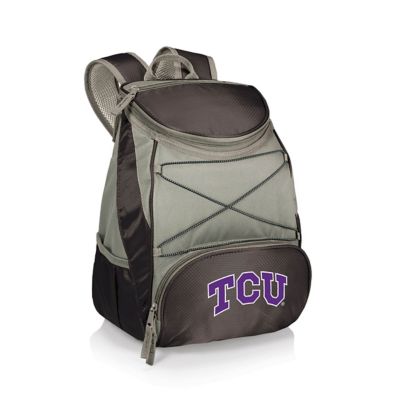
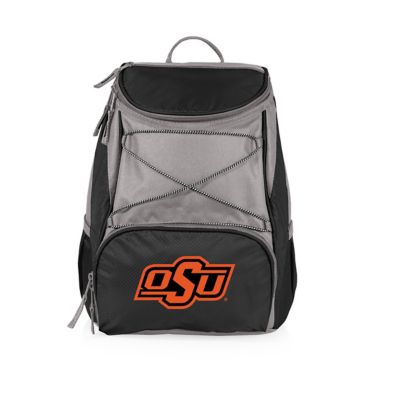
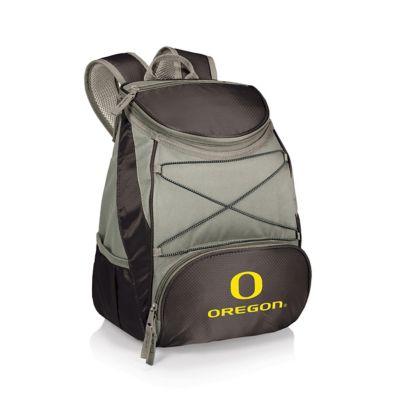
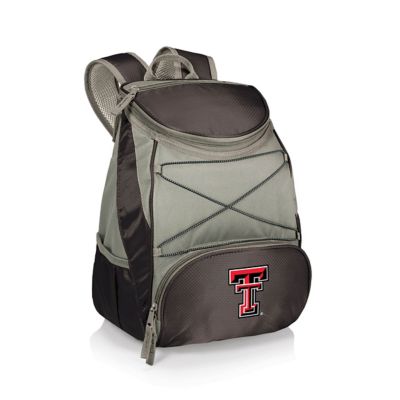
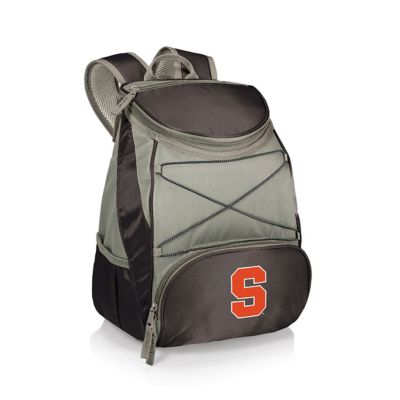
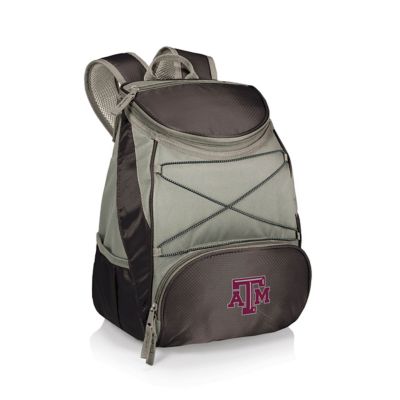
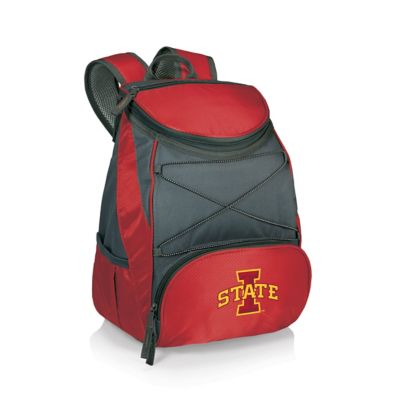
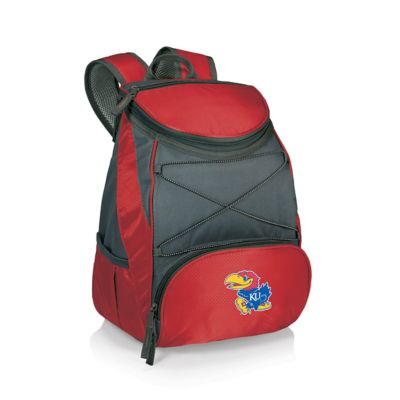
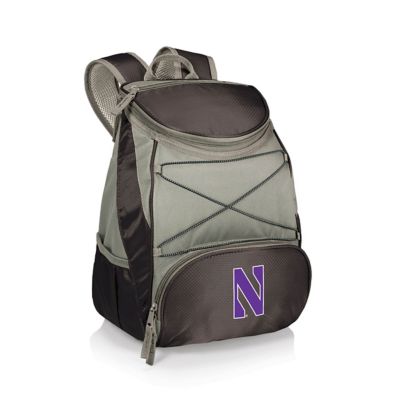
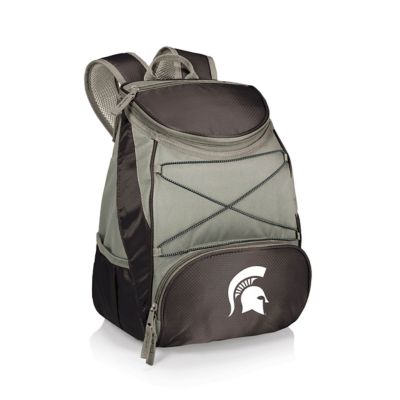
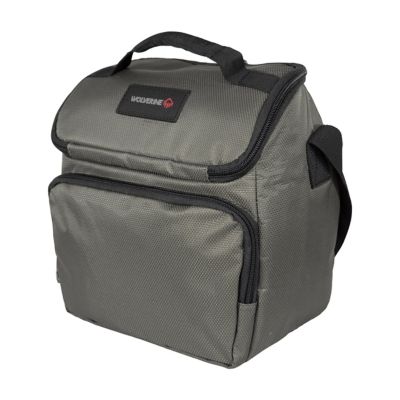
College football backpack coolers are insulated bags with shoulder straps, designed to carry drinks and food while showing support for a college team. They bring the convenience of a soft-sided cooler to a backpack format, leaving hands free for folding chairs, a ticket, or a child’s hand on the walk from the truck to the tailgate. Team colors and school graphics make them a natural part of game-day gear, whether the gathering is outside the stadium, beside a camper, or around a television back home. Their appeal goes beyond the parking lot, too: an insulated backpack can carry lunch to the farm, refreshments to a picnic, or snacks to a youth football game without leaving that school pride behind. The right size depends on what needs to come along and how far it needs to travel. A smaller bag can suit one fan carrying a sandwich, a couple of drinks, and a cold pack, while a roomier design gives a pair or small group more packing space. Listed can capacities are helpful for comparing sizes, but the amount of room left for food depends on the containers and cooling supplies inside. Tall bottles, reusable lunch containers, and a bag of ice take up space differently than neatly stacked cans. A wide main opening makes packing easier and helps keep a meal from ending up beneath the drinks. Separate pockets can keep napkins, utensils, and other dry essentials away from the insulated compartment, while an exterior bottle pocket puts a drink within reach without opening the whole bag. For a long afternoon around the tailgate, that organization means less digging and fewer trips back to the vehicle. A backpack cooler also fits gatherings where parking is a fair walk from the action and a wheeled cooler would be awkward to pull across gravel or grass. It is a practical match for fans who want their refreshments close and their hands free.
Materials and construction make a real difference in how a college football backpack cooler carries its load. Common soft-sided cooler materials include polyester or nylon outer fabric, foam insulation, and an interior liner designed to separate the contents from the surrounding fabric. The outer shell takes the rubbing and scuffing that come with truck seats, picnic tables, and repeated trips across a parking lot. Reinforced stitching around strap attachments and grab handles helps those high-stress areas stand up to a full load, while a structured base can help the bag sit upright when set down. Insulation slows heat transfer, but cooling performance also depends on the starting temperature of the food and drinks, the amount of ice or frozen packs, and how often the main compartment is opened. Chilled drinks and frozen packs give the bag a better starting point than room-temperature contents alone. A close-fitting lid and a well-covered opening help limit gaps, although an ordinary zipper does not automatically make a cooler watertight. Water-resistant fabric, a leak-resistant liner, and a waterproof closure describe different features, so those terms should not be treated as interchangeable. Loose ice belongs only in a cooler whose stated construction supports it; sealed frozen packs offer another option without loose meltwater. Carrying comfort matters just as much once the bag is full. Broad, padded shoulder straps spread the load better than narrow straps, and adjustable straps help hold the cooler close instead of letting it swing against the lower back. A padded back panel adds cushioning between the wearer and hard containers. On designs that include a chest strap, that extra connection can help keep the shoulder straps in place during a longer walk. Overall dimensions deserve attention alongside capacity, especially for a smaller adult or anyone carrying other gear. A full cooler can weigh far more than its empty weight suggests, so manageable proportions often matter more than squeezing in the largest possible load.
Good care helps keep a team backpack cooler ready for the next kickoff, road trip, or lunch break. An easy-to-wipe interior is handy after a spilled drink or a container that did not stay shut, but seams, corners, and zipper tracks still need attention so crumbs and sticky residue do not linger. Cleaning methods vary by material and construction; many insulated bags call for a gentle wipe-down rather than a trip through the washing machine. Leaving the compartments open until completely dry helps prevent trapped moisture and odors before storage. Food safety deserves the same attention as the bag itself: perishable food needs enough cooling to stay at 40°F or below, and a small cooler thermometer can help check conditions inside. Separate, sealed food containers protect sandwiches from condensation and keep raw ingredients apart from ready-to-eat snacks. Once the tailgate wraps up, leftover food needs prompt attention rather than an overnight stay in a closed bag. Game-day access rules matter as well. A backpack cooler that works well in the parking lot may not meet a stadium’s bag policy, and clear-bag requirements, size limits, and outside-food restrictions vary by venue. The cooler may need to stay at the vehicle while only approved belongings go through the gates. For fans comparing insulated carry space with other team-themed backpack options,
Backpack For NCAA Football Fans offers a related place to browse. As a gift, a college football backpack cooler suits alumni, students, parents, and longtime fans who already bring drinks or lunch along on their outings. Matching the recipient’s school allegiance is the starting point, but their routine helps determine the most useful size and layout. Someone walking across campus may appreciate a compact shape, while a regular tailgater may favor more food space and separate pockets. Thoughtful details such as comfortable straps, accessible storage, and an interior that cleans up easily give that team spirit a practical place in everyday life.