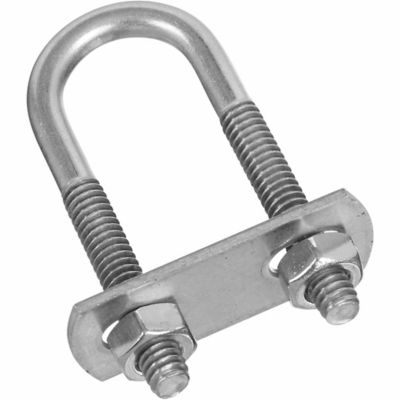
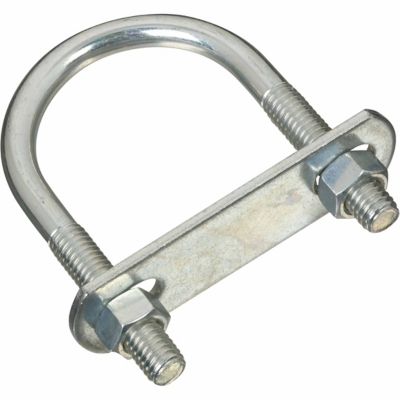
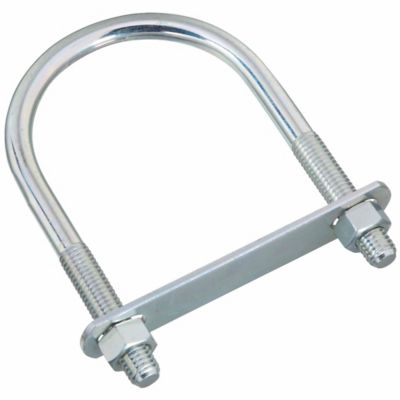
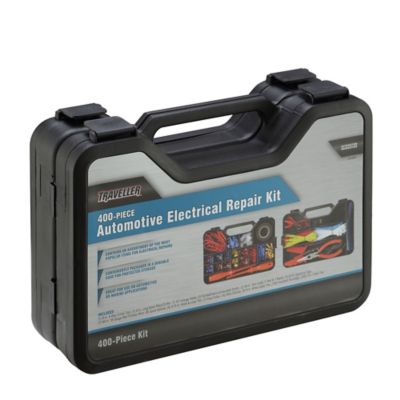
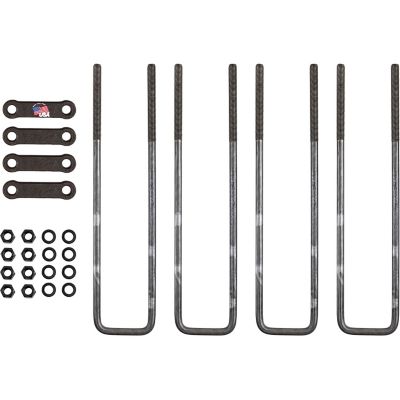
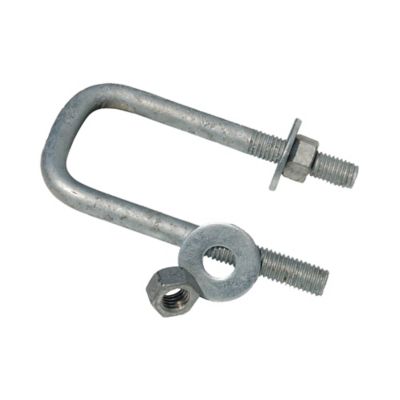
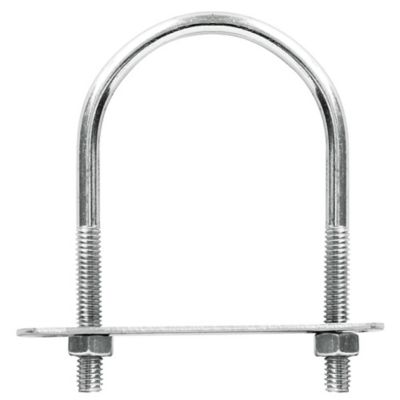
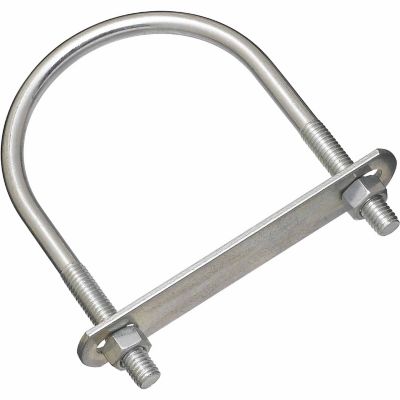
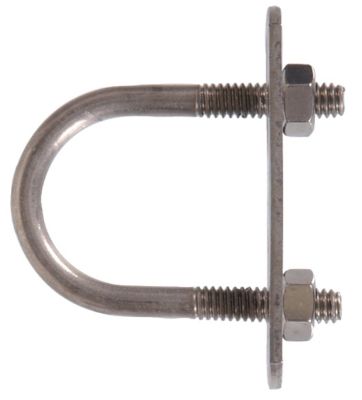
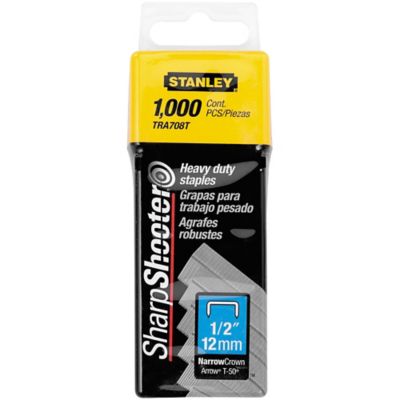
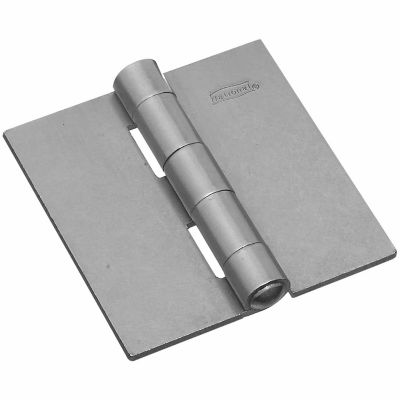
Automotive hardware includes the bolts, nuts, screws, washers, clips and retainers that secure vehicle body panels, interior trim and many mechanical assemblies. These small parts help keep larger components properly attached, from the trim around a door opening to a bracket beneath the hood. For a car that handles daily errands, a pickup that travels between fields or a work truck carrying tools to the next job, the right hardware supports repairs that fit the way the vehicle was built. Different connections call for different fastening methods. A threaded connection may need a particular bolt grade and thread pitch, while a trim panel may depend on a retainer with the right stem shape and gripping range. A fastener that looks close can still leave a panel loose, damage a mounting hole or keep an adjoining part from sitting flush. Automotive fasteners are best matched by their specifications and the vehicle’s requirements, not appearance alone. Vehicle year, make, model and the location of the repair all help narrow the fit, although changes made by a previous owner can make checking the actual connection important, too. A farm pickup with a door panel that rattles on the lane may need a different attachment than a passenger car with loose interior trim. Hardware for an exposed mounting point also faces different demands than a fastener tucked behind an interior panel. That variety makes this category useful to home mechanics, farm crews, vehicle maintenance teams and folks keeping an older truck working. These are practical repair supplies for restoring a secure connection, replacing a missing attachment or putting an assembly back together after service. The goal is not simply to fill an empty hole, but to restore the intended fit without placing extra strain on the parts around it.
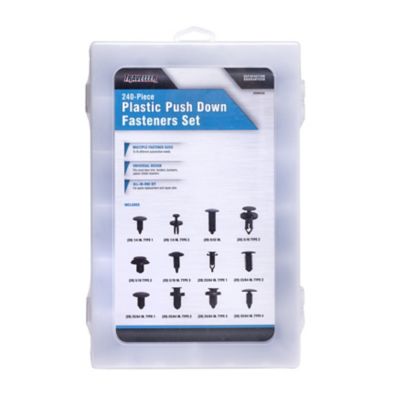
Material, dimensions and fastening design all affect how automotive hardware performs. Steel fasteners come in different strength grades, and matching the required grade matters anywhere a connection carries a load. Zinc plating and other protective finishes can help limit corrosion, but the finish alone does not tell the whole story about strength or suitability. Stainless steel offers corrosion resistance in appropriate applications, though it is not an automatic substitute for a specified steel fastener. Plastic clips and retainers serve a different purpose, often holding trim or panels without the same clamping force as a threaded connection. Their head diameter, stem length and panel thickness range influence whether they seat properly and hold without distorting the surrounding material. With threaded hardware, diameter and length are only part of the match. Thread pitch, head style, shoulder dimensions and the surface beneath the head can also matter. Metric and inch-based threads are not interchangeable, even when two fasteners seem nearly the same size. Too much length can interfere with parts behind a mounting point, while too little can leave inadequate thread engagement. Washers may spread clamping force or protect a surface when the assembly calls for them, but adding one does not correct an otherwise mismatched fastener. Factory service information provides the specifications for connections where grade, tightening sequence or torque is important. That is especially true around brakes, steering, suspension and restraint systems, where a general-purpose replacement is not enough just because it threads into place. Locking features also need to match the application; different nuts, retainers and thread-locking methods serve different purposes. For everyday repairs, the best fit is often the one that lets the assembly settle back into its proper position without forcing, bending or pulling neighboring pieces out of line. A panel that sits flush and a bracket that meets its mounting surface squarely are useful checks, though neither replaces the required specifications.
Care and organization make a difference long after the repair is finished. Dirt packed into a recess, corrosion on threads or a cracked retaining tab can turn a small attachment point into a stubborn job. A removed fastener can provide clues about its dimensions and design, but worn threads, stretched sections or a damaged head mean its condition deserves a closer look before reinstallation. Some vehicle connections require new hardware whenever they are taken apart, so keeping an old part does not necessarily mean it belongs back on the vehicle. Cleaning methods and lubricants also need to suit the material and the manufacturer’s instructions. Lubrication can change the relationship between tightening torque and clamping force, making an unplanned dab of oil more than a simple housekeeping choice. In the shop, separate compartments and clear labels help keep similar-looking sizes from getting mixed together. Keeping hardware grouped by assembly is handy when a repair takes more than one afternoon, especially when several screw lengths came out of the same panel. A tidy work area also makes it easier to spot a missing retainer before the truck heads back down the driveway. For related repairs around shop doors, cabinets or farm buildings,
Hardware Hinges covers another fastening need, with fit and intended use still central to the choice. Vehicle hardware should remain matched to vehicle requirements rather than swapped with building hardware on looks alone. Whether the task involves reattaching interior trim, securing a protective panel or completing an approved bracket repair, attention to the small connections helps the whole job come together. Well-matched automotive hardware gives a working vehicle the attachments its assemblies call for, without turning a straightforward repair into a patchwork of parts that almost fit.