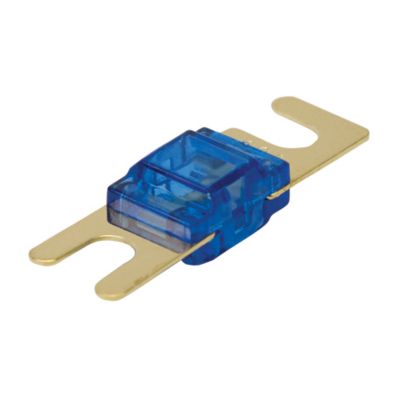
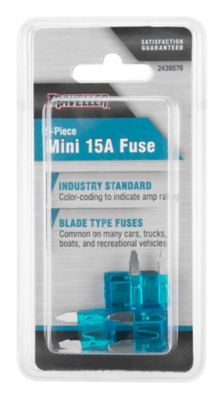
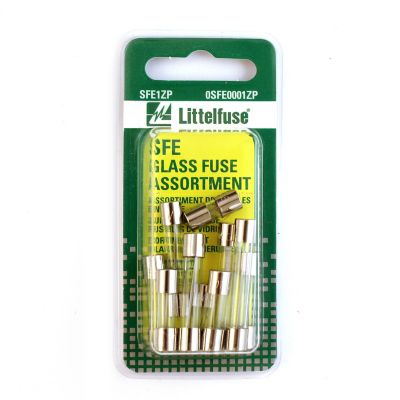
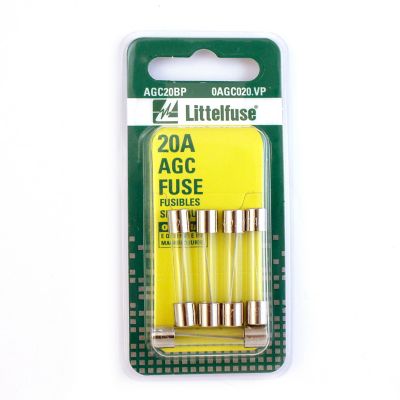
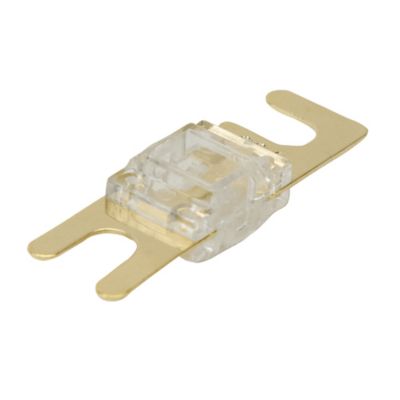
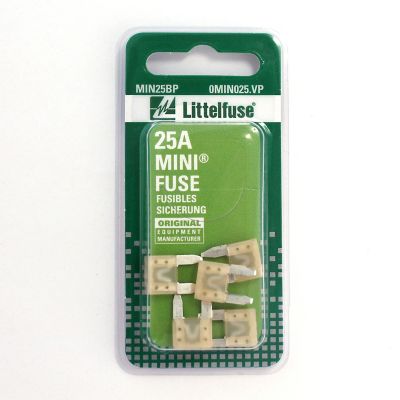
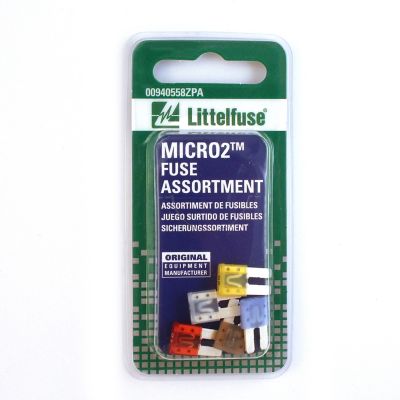
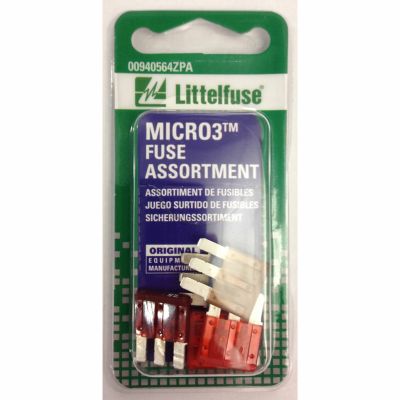
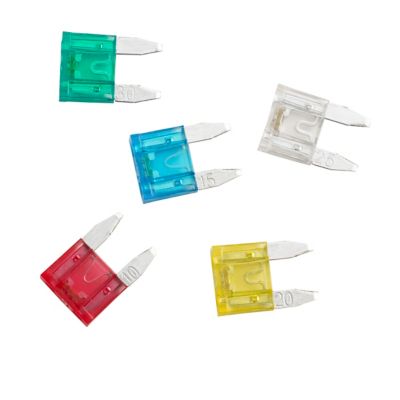
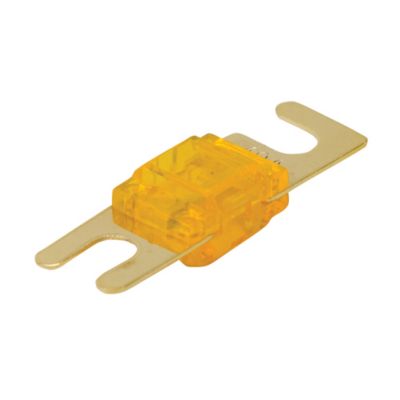
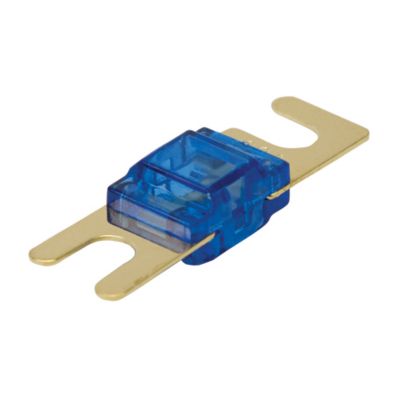
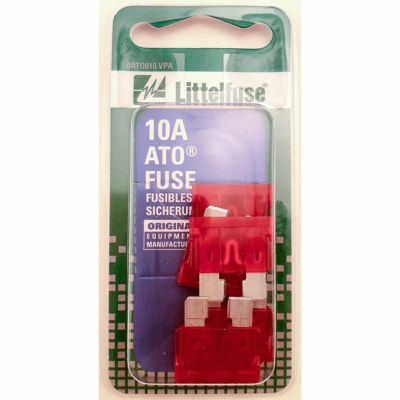
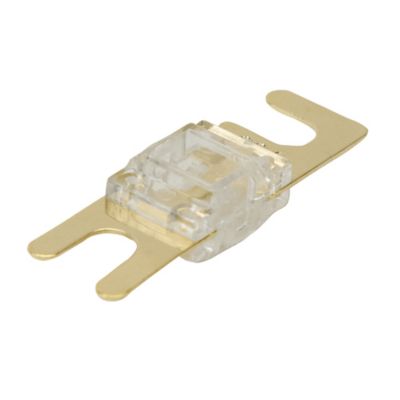
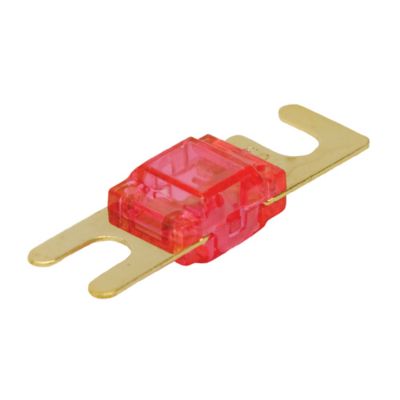
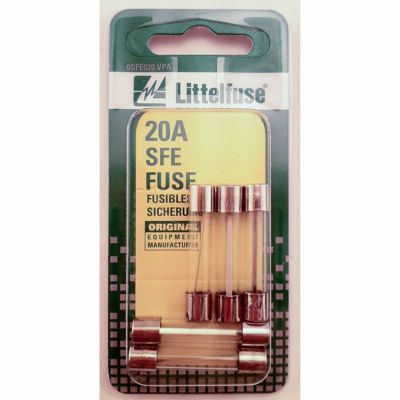
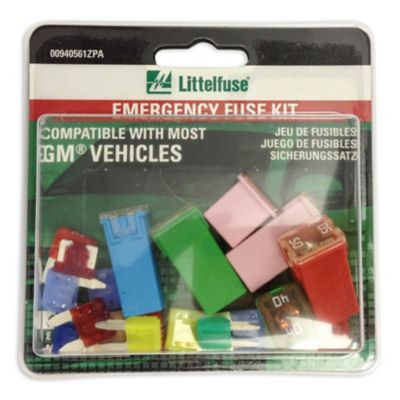
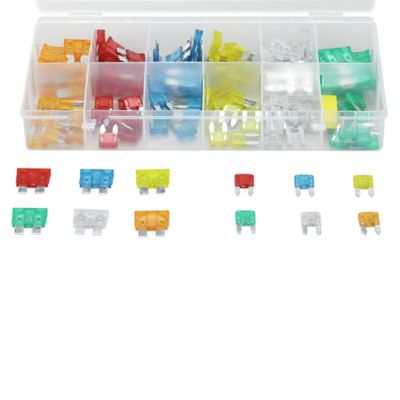
Automotive fuses protect vehicle wiring by opening a circuit when excessive current causes the fuse element to melt. That small break interrupts the flow of electricity, helping limit damage from an overload or short circuit. Whether the vehicle is a daily driver, a farm pickup, or a truck that spends its days pulling a trailer, the right fuse is an important part of its electrical protection. Fuses serve circuits for lights, power outlets, instrument panels, radios, blower motors, and other equipment, with separate ratings and designs for different electrical loads. They protect wiring rather than guarantee protection for every connected electronic component, so matching the vehicle’s specifications matters. Blade fuses are common in modern vehicles and have an insulating plastic body with metal terminals that fit into a fuse block. Standard, mini, low-profile mini, and micro formats differ in dimensions, even when their amperage ratings match. Glass tube fuses, recognizable by their cylindrical bodies and metal end caps, appear in many older vehicles and some accessory circuits. Larger cartridge and bolt-down designs serve higher-current applications, where both the electrical rating and the mounting arrangement deserve attention. A pickup’s small dashboard fuse and the fuse protecting a major power feed may perform the same basic job, but they are not interchangeable. This range of designs makes automotive fuses relevant to vehicle owners, farm operators, equipment caretakers, and anyone maintaining electrical accessories around the shop. A truck with a dark trailer connector, a cab power outlet that stops charging a phone, or a radio that suddenly goes quiet may have a blown fuse, though each symptom can have other causes. The fuse is one piece of that electrical system, not a cure for every malfunction. Having the correct replacement type makes routine maintenance simpler, while understanding its role helps keep attention on the wiring and equipment it protects. Fuse panels may sit beneath the dashboard, behind a side cover, or in an underhood enclosure, and a single vehicle can contain several fuse styles.
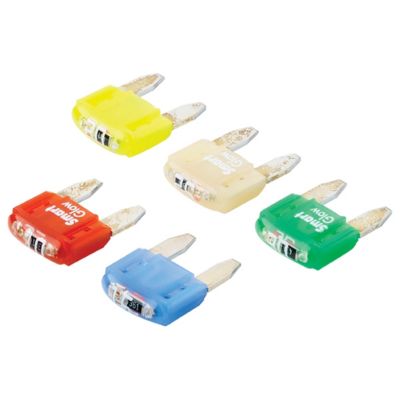
Fit starts with the fuse designation shown in the owner’s manual, the fuse-panel diagram, or the equipment manufacturer’s instructions. Amperage, body style, terminal arrangement, voltage rating, and operating characteristics all contribute to a proper match. The amperage rating of a replacement must match the specified rating exactly; a higher-amp fuse can allow more current than the wiring is designed to carry. A lower rating can open during normal operation and leave the circuit without power. Color helps identify many blade fuses, but the printed number and the specified fuse type remain the deciding details. In many common blade-fuse families, red indicates 10 amps and blue indicates 15 amps, though color alone is not enough to establish compatibility. For compact fuse panels,
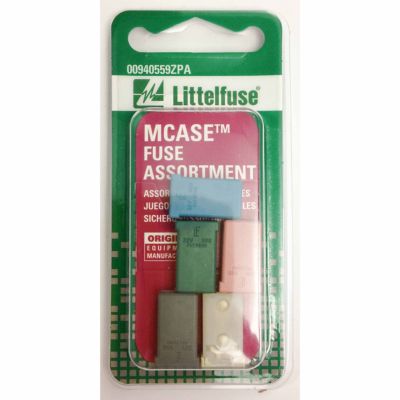
Miniature Fuses include smaller formats where differences in body height, blade width, and terminal spacing can determine whether a replacement fits correctly. A fuse that looks close at a glance may not seat properly or make the intended connection. Voltage ratings also matter: the fuse must have a suitable DC voltage rating for the circuit, and an AC rating alone does not establish that suitability. Interrupting capacity describes the fault current a fuse can safely interrupt under its rated conditions, another consideration in higher-current electrical systems. Construction varies with the application, but common features include a calibrated metal element, conductive terminals, and an insulating housing. Transparent plastic or glass can make the element visible, while enclosed cartridge bodies may require electrical testing to confirm continuity. Terminal condition matters just as much as the body: corrosion, looseness, or damage can interfere with the connection and create heat at the contact point. The holder and its cover are part of the setup, too. A properly matched fuse sits securely in the specified holder without bent blades, improvised spacers, or changes to the mounting points. Different fuse families can also respond differently to brief current surges, so matching only the number on top leaves out part of the specification. Those details matter whether the circuit powers a small accessory or a hardworking motor.
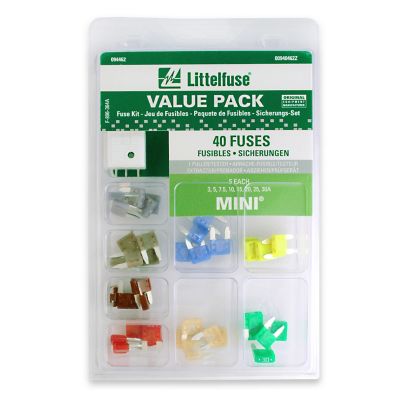
For everyday care, automotive fuses benefit from clean storage, protected terminals, and separation by type and amperage. A divided case can keep small blade fuses from disappearing beneath sockets and loose hardware in a truck toolbox. Keeping labels readable also makes it easier to distinguish similar-looking ratings before a replacement reaches the fuse panel. Moisture, dirt, and corrosion can affect electrical contacts, while a missing or poorly seated fuse-box cover leaves the surrounding connections exposed to contamination. Fuse life has no simple mileage-based replacement schedule; these components generally remain in service until an electrical fault opens the element or damage calls for replacement. A darkened housing, melted plastic, or a loose connection deserves attention beyond swapping the fuse. Before handling a fuse, the vehicle and affected equipment should be shut down, with any power-isolation precautions taken according to the manufacturer’s instructions. A correctly sized fuse puller can help with access in a crowded panel without crushing the housing. Visual inspection may reveal a broken element, but appearance alone does not always confirm whether a fuse has opened. Testing and troubleshooting should follow the vehicle’s service information, particularly around sensitive electronics or high-current circuits. If a replacement blows again, repeated fuse changes can hide a wiring problem, a damaged accessory, or a failing component that needs repair. Foil, wire, and other makeshift bridges do not provide the protection of a properly rated fuse and should never take its place. Added equipment, such as auxiliary lighting or a trailer accessory, also needs circuit protection selected for the wiring and installed according to the equipment instructions. For a farm truck that moves between chores, errands, and trailer duty, keeping the specified fuse types organized can save time when a minor electrical interruption occurs. The goal is a sound connection and the intended level of circuit protection, with professional diagnosis when the fault is beyond a straightforward replacement. Matching the application, preserving clean contacts, and addressing the reason a fuse opened help keep electrical maintenance focused on the whole circuit rather than just the small part in the panel.