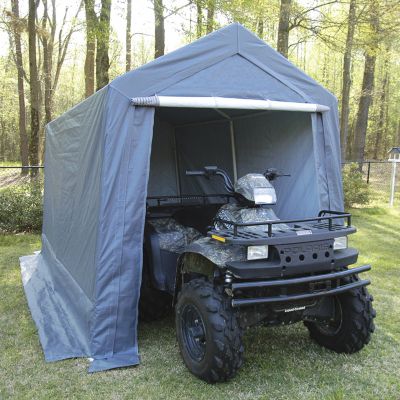
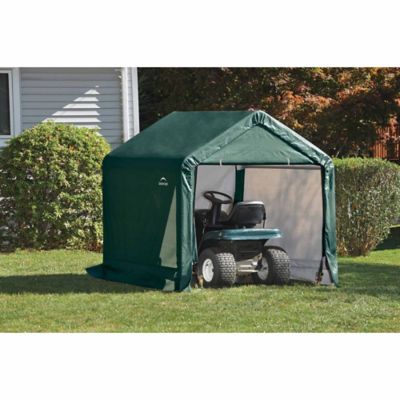
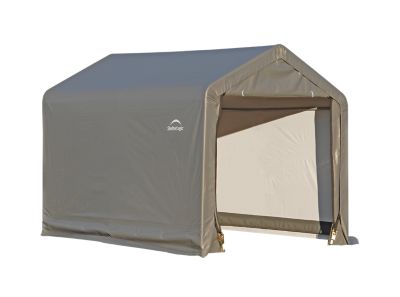
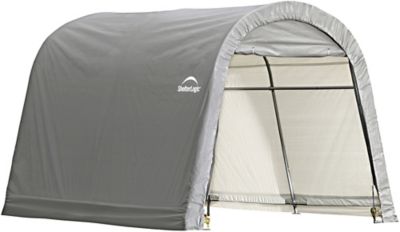
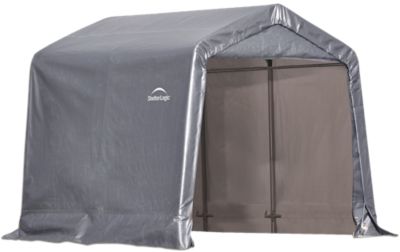
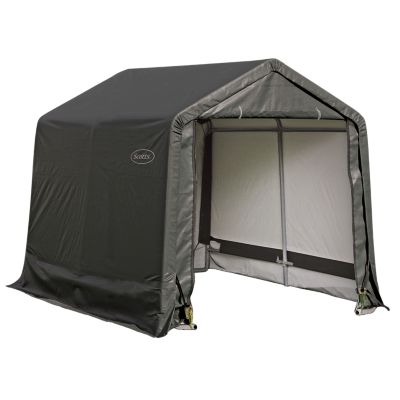
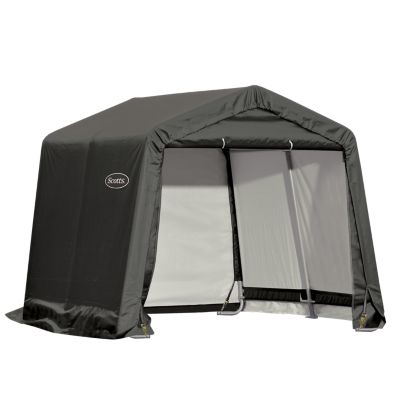
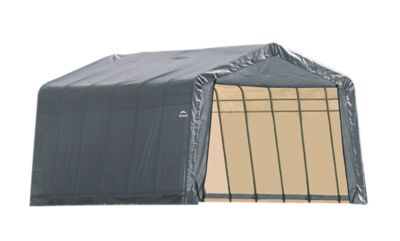
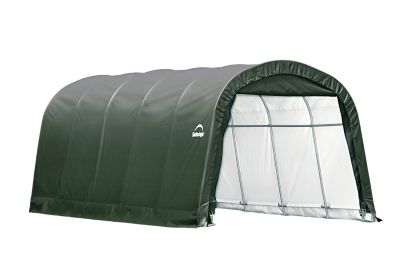
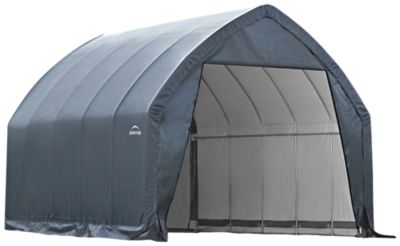
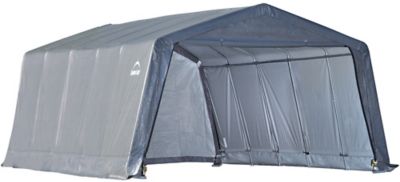
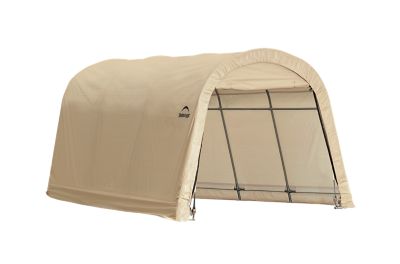
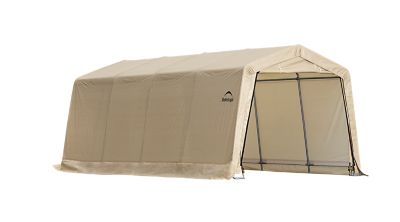
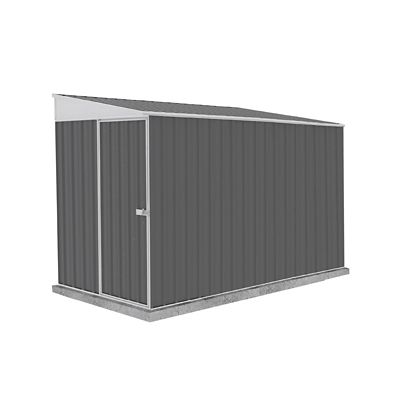
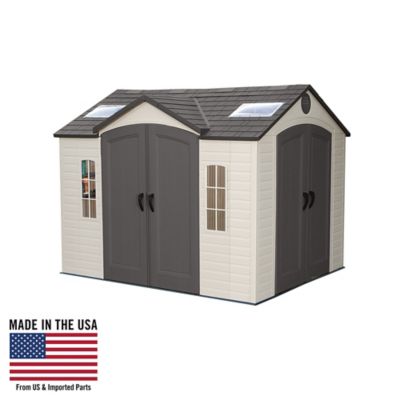
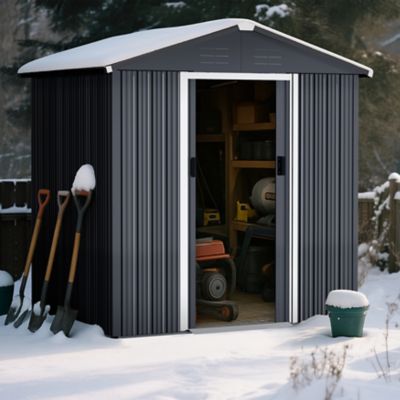
ATV storage sheds give riders a dedicated place to keep four-wheelers protected, organized, and ready for the next trip. Instead of leaving an ATV exposed to rain, sun, dust, falling branches, and winter weather, a properly sized shed helps protect the seat, tires, controls, battery, and body panels while keeping the driveway or barn bay open for other work. These sheds can be useful for rural property owners, hunters, campers, trail riders, land managers, and anyone who uses an ATV for chores around acreage. A basic storage shed may hold one machine, while a larger building can provide room for more than one ATV, helmets, ramps, fuel cans, tools, spare parts, and riding gear. For one standard ATV, a 10-by-10-foot shed is generally the smallest practical starting point, though the available floor space can feel tight once you account for the handlebars, a riding mower, or equipment that needs to be moved around the vehicle. A 12-by-10-foot layout gives one ATV more breathing room and leaves space for maintenance supplies or a workbench. If the shed will store two or more vehicles, a 12-by-20-foot structure is a more comfortable choice, offering room to position machines, walk between them, and bring equipment in and out without constant shuffling. Measure the full length and width of each ATV, including racks, plows, trailers, and other attachments, then add clearance for the doors and for safe movement inside. A few extra feet can make a big difference when muddy boots, cold hands, or a loaded utility rack are part of the routine.
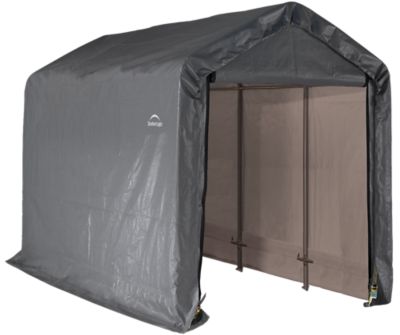
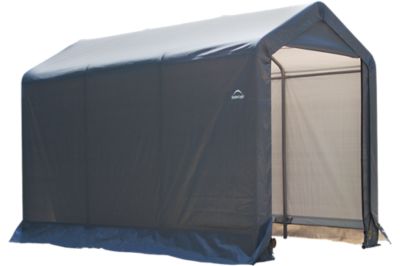
The material and construction style you choose will depend on the property, budget, appearance, and how permanent the storage needs to be. Fabric or polyethylene shelters can offer a flexible, budget-friendly way to cover an ATV, particularly for renters, seasonal properties, hunting camps, or riders who want a shelter that can be moved later. Look for a sturdy frame, weather-resistant cover, reinforced edges, dependable tie-downs, and a site that can be anchored securely. Wood shed kits can blend nicely with a home, barn, or cabin and may be finished with shelving, windows, vents, ramps, or custom doors to suit the way you work. Metal sheds and buildings are often chosen for their durability and lower maintenance, especially where security and resistance to pests or moisture are priorities. Whichever style fits your property, pay close attention to the foundation and drainage. A level, solid base helps doors operate properly and keeps the frame from shifting, while gravel, concrete, or another suitable surface can reduce standing water and make it easier to roll an ATV inside. Wide double doors or a ramp-friendly entry are especially helpful; a narrow doorway that technically fits an ATV may still be frustrating when the machine has mirrors, a windshield, cargo boxes, or a snow blade attached. Ventilation matters, too. Vents or screened openings can help reduce condensation and stale fuel odors, while keeping the shed reasonably dry helps protect metal parts and stored gear. Before placing a shed, check local rules for setbacks, permits, utility lines, drainage, and property boundaries. Secure doors, heavy-duty hasps, padlocks, lighting, and an unobstructed location can add peace of mind, particularly when the shed is away from the house or used to store valuable equipment.
A good ATV storage setup is about more than putting a roof over the machine. Many riders use the shed as a small equipment station, with wall hooks for helmets and jackets, shelves for gloves and goggles, bins for tie-down straps, and a dedicated spot for chargers, lubricants, hand tools, and cleaning supplies. Keep fuel and maintenance products stored according to their labels and local safety requirements, and leave adequate clearance around electrical equipment, heaters, and anything that may create heat or sparks. A rubber mat or washable floor area can make routine cleaning easier after a muddy trail ride, while a simple ramp with a gentle approach helps prevent scraping and makes loading less of a chore. If you haul firewood, feed, fencing supplies, or other material with your ATV, leave room to park a trailer or utility attachment nearby. You may also want to keep related equipment close at hand, including
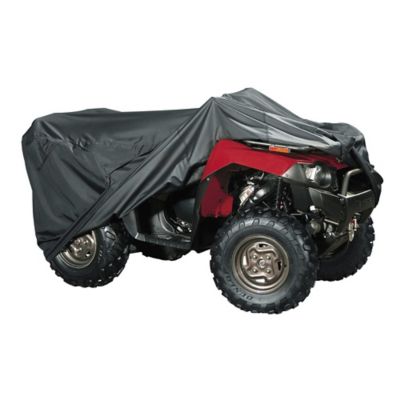
ATV Carts, ramps, covers, winches, and seasonal accessories. During the warmer part of the year, an ATV shed can serve as a convenient staging area for trail rides, property work, and camping trips. As cooler weather arrives, it provides a dry place to prepare the machine for hunting, hauling, snow removal, and other chores. For households with several riders, a larger shed keeps helmets and gear together so everyone can get loaded without searching through the garage. It can also be a thoughtful gift for a new landowner, outdoor enthusiast, or family member who has recently added an ATV to the property. Start with the number and size of vehicles, think through the equipment that will share the space, and choose a storage shed with enough access, ventilation, security, and room to work comfortably.