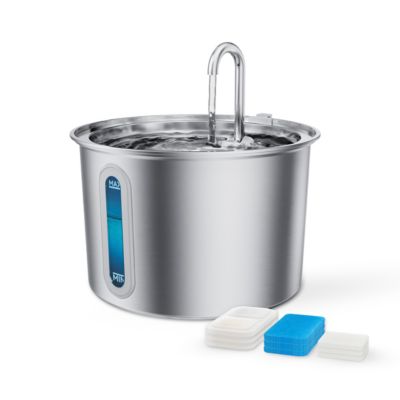
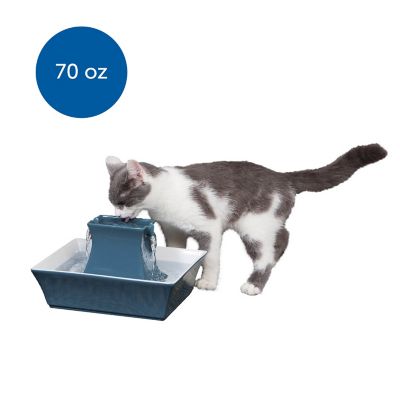
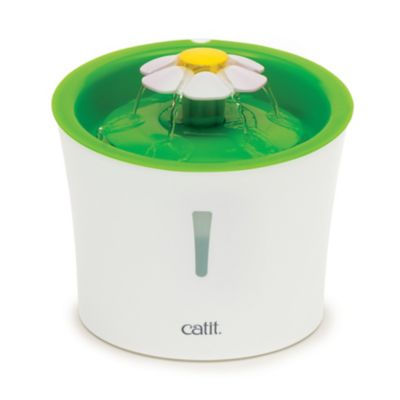
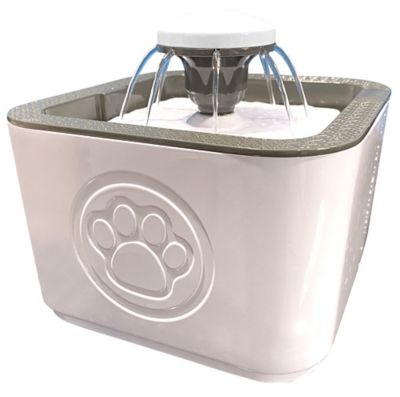
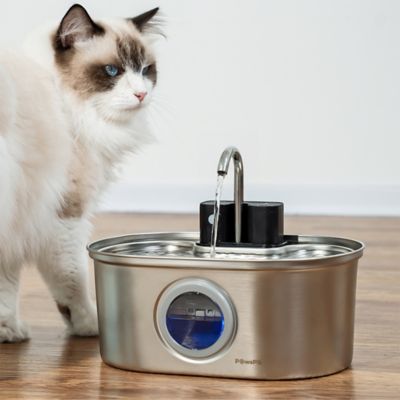
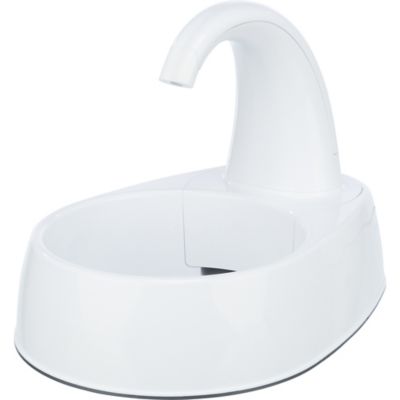
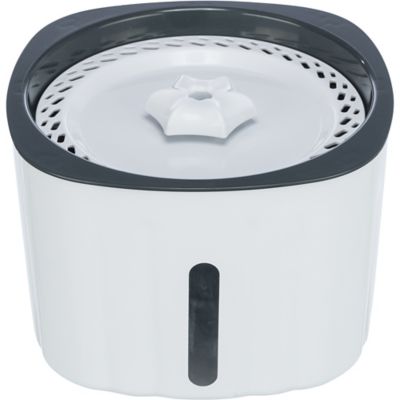
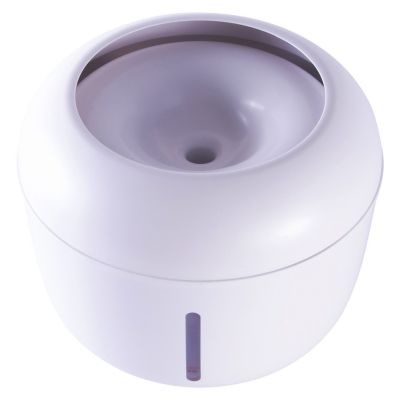
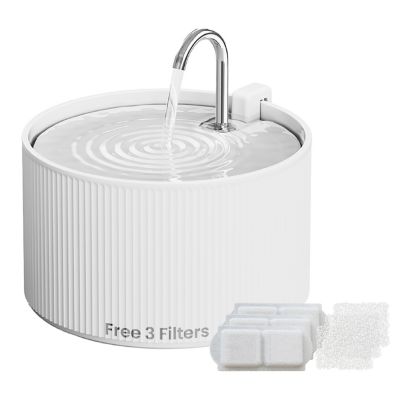
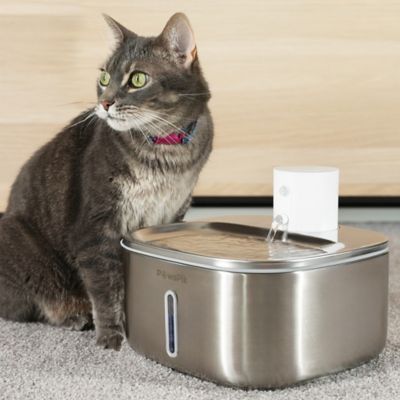
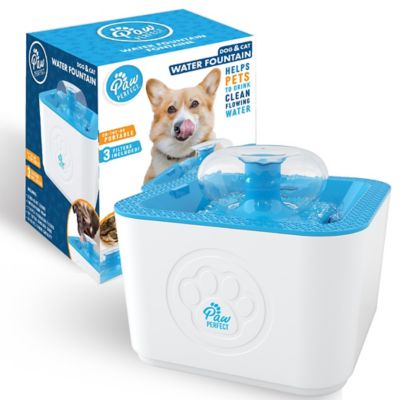
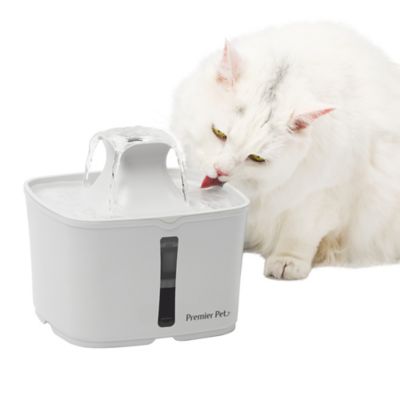
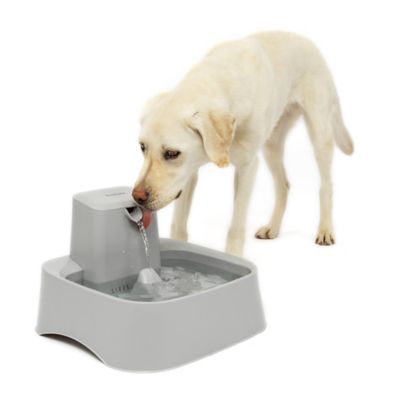
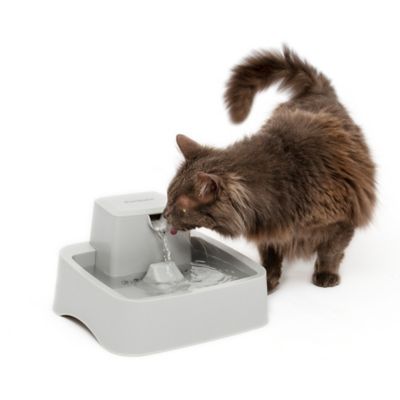
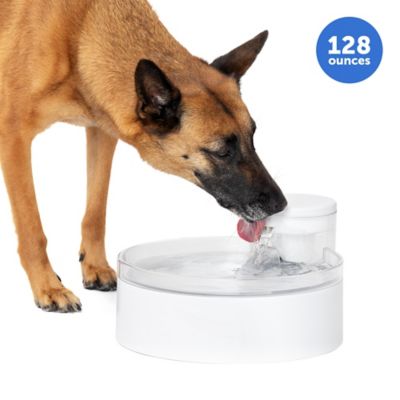
A pet water fountain makes a thoughtful Valentine’s Day gift for a cat or dog, bringing moving water to an everyday routine that matters long after the holiday. These fountains circulate drinking water through a pump, with designs that offer a gentle bubbling surface, a flowing spout, or a small falling stream. That movement can appeal to pets that show more interest in a running faucet than a still bowl, though every animal has its own preferences. For a pet-loving partner, family member, or friend, a fountain is a practical way to show some love to the four-legged member of the household. Picture a cat stopping for a drink between naps or a dog heading to its water station after a walk around the property. The right fountain fits those familiar habits without getting in the way of daily chores. Size and drinking access matter more than looks alone: a small cat needs a comfortable approach to the water, while a larger dog may benefit from a broader drinking area and more water capacity. In a home with several pets, enough room around the fountain helps keep the station from becoming a crowded corner. Reservoir capacity also affects how often someone needs to refill it, but a larger tank still needs regular attention and fresh water. A fountain belongs where a pet feels comfortable drinking, with a steady base and enough floor space to approach without squeezing past furniture. A quiet spot off the main walkway can work better than a busy doorway, especially for a cat that startles easily. For a Valentine’s Day gift, it helps to think about the recipient’s actual household: the animals’ sizes, their drinking habits, and the person who will handle cleaning and refills. A fountain that suits those details feels less like another gadget and more like a useful part of caring for a much-loved companion.
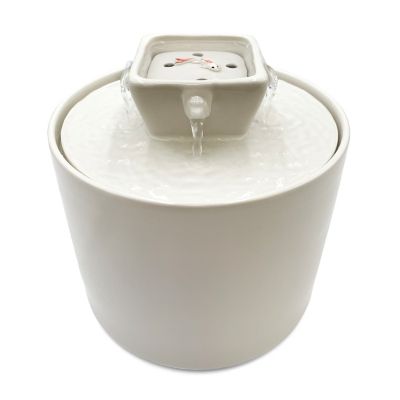
Materials, water flow, and power options all shape how a pet water fountain fits into a home. Stainless steel offers a nonporous drinking surface and generally stands up well to regular washing, while glazed ceramic has a solid feel that can help a fountain stay put. Ceramic needs careful handling because a drop or hard knock can leave chips or cracks. Plastic is often lighter and easier to move, although scratches can make surfaces harder to clean thoroughly over time. No material makes a fountain maintenance-free; smooth surfaces, accessible corners, and parts that come apart without a struggle are worth paying attention to. A fountain sitting beside a farmhouse kitchen cabinet needs to be as manageable on cleaning day as it is convenient at feeding time. Water presentation matters, too. Some pets favor a shallow pool with a little movement, while others prefer drinking from a stream. A broad, accessible basin may be more comfortable for a cat that dislikes having its whiskers press against the sides, and the drinking height should suit the animal rather than make it stretch or crouch awkwardly. Pump noise and splashing deserve consideration when the fountain will sit near a bedroom, reading chair, or other quiet space. Even a low-noise pump may become more noticeable when the water level drops. Plug-in fountains need a suitable outlet and cord placement that stays out of walking paths and away from pets that chew. Rechargeable designs can allow more placement flexibility, but they bring charging needs and may circulate water on a timed or sensor-controlled schedule rather than continuously. Those operating details matter when choosing a gift for someone whose pet expects a steady stream. Depending on the design, features such as an adjustable flow or low-water shutoff can make everyday operation easier. A shutoff feature does not replace checking the reservoir, and any fountain should operate according to its care and safety directions. The best fit is one that works with the household’s routine, not one that asks the pet or its person to work around it.
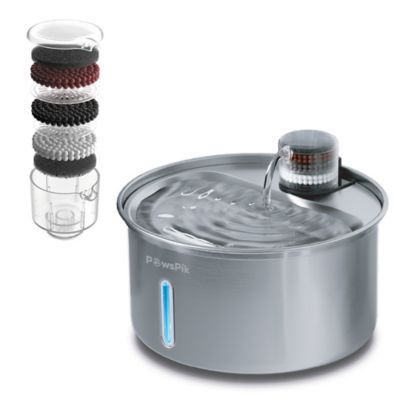
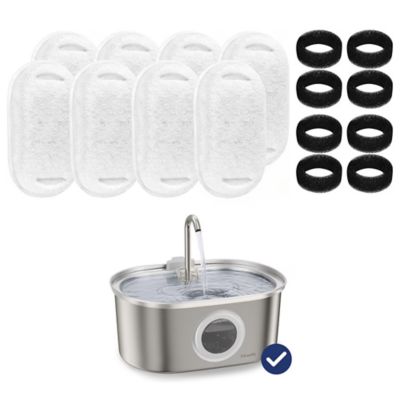
Keeping a fountain pleasant to drink from takes more than topping off the tank. Circulating water can collect fur, food crumbs, and residue, particularly when a dog takes a drink straight after supper or several cats share the same station. Regular washing of the basin, reservoir, and removable parts helps keep that buildup from settling in. The pump also needs attention according to its care directions, since hair and debris can interfere with water flow. Some fountains include carbon filters that help reduce certain tastes and odors, along with screens or other filters that catch loose particles. Filter performance depends on the design and upkeep, and filtration does not disinfect the water or take the place of cleaning. Replacement filters and access to the pump are practical considerations for the person receiving the gift. Dishwasher care is appropriate only for parts whose care directions allow it; electrical components need separate handling. Daily water-level checks remain important, and a separate water bowl can provide another drinking option during cleaning, charging, or an interruption in power. A pet that is hesitant about a new fountain may need time to investigate it while its familiar bowl stays nearby. Moving water may encourage some animals to drink, but a fountain is not a treatment for dehydration or changes in thirst; noticeable changes belong in a conversation with a veterinarian. As a Valentine’s Day present, this kind of everyday care pairs naturally with a comfortable place to rest.
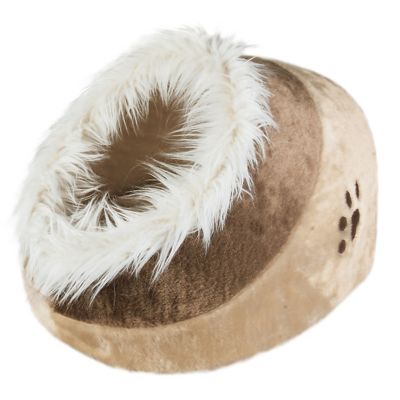
Pet Bed Gifts For Valentine's Day offer another way to recognize the companion that curls up beside the couch or stretches out after a busy day. Whether the gift is for a devoted cat person, a household with a big dog, or someone caring for several pets, a well-matched fountain supports a simple daily ritual. A comfortable drinking spot, manageable upkeep, and attention to the animal’s habits give that Valentine’s Day gesture a purpose beyond the occasion.