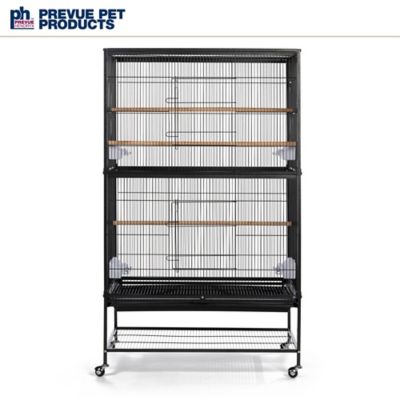
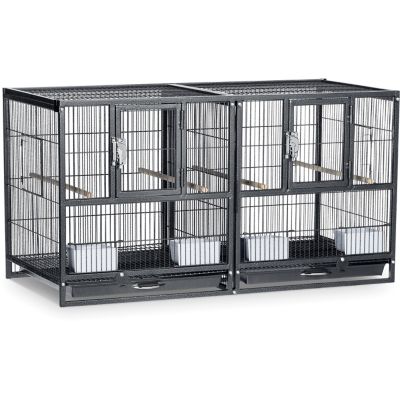
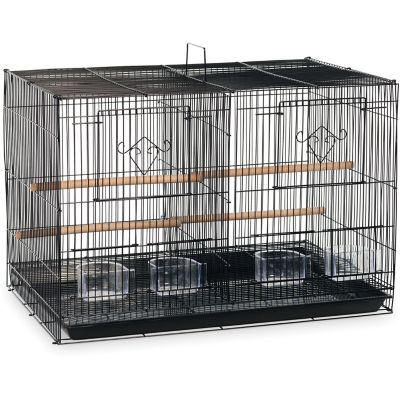
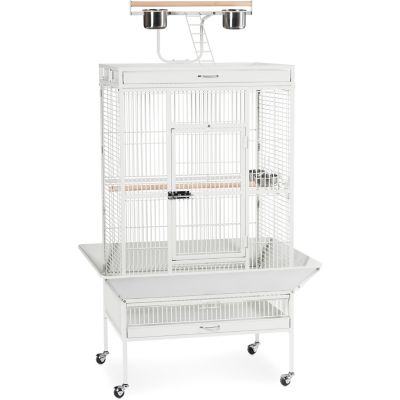
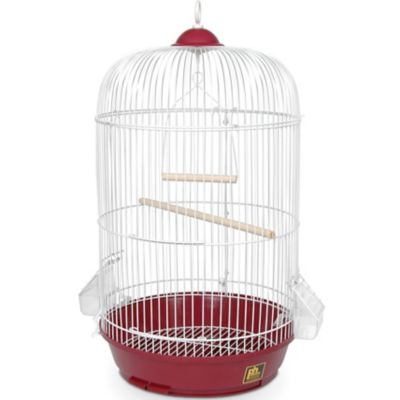
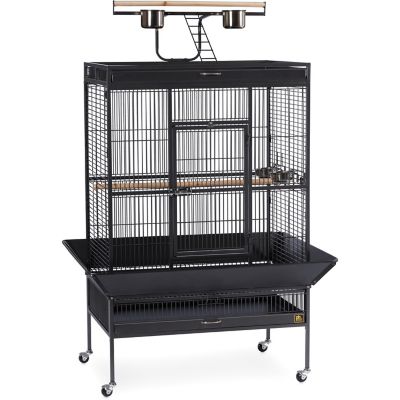
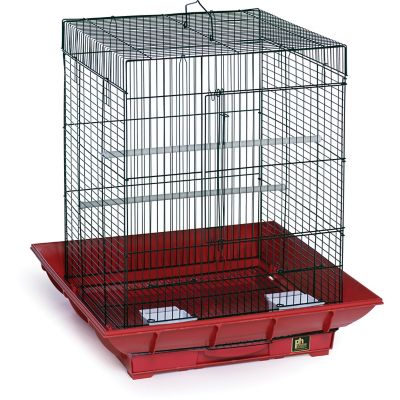
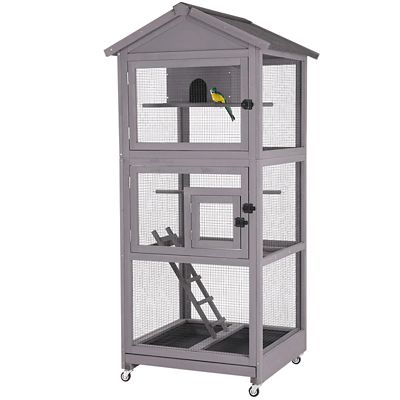
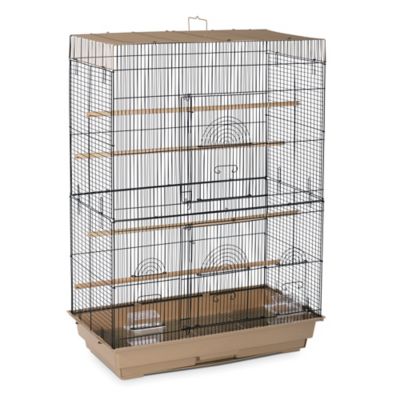
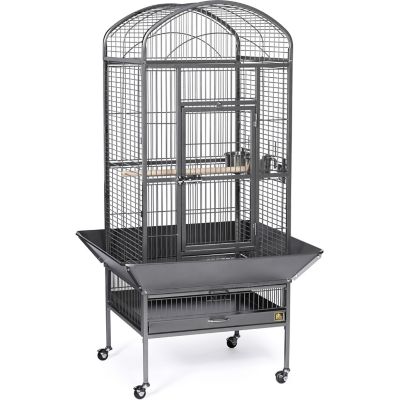
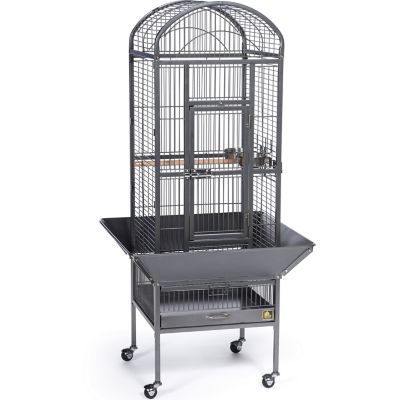
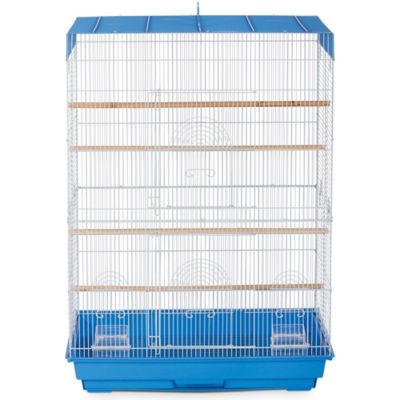
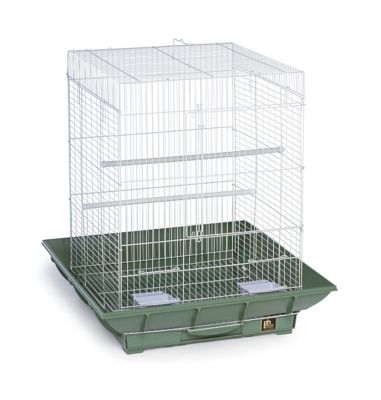
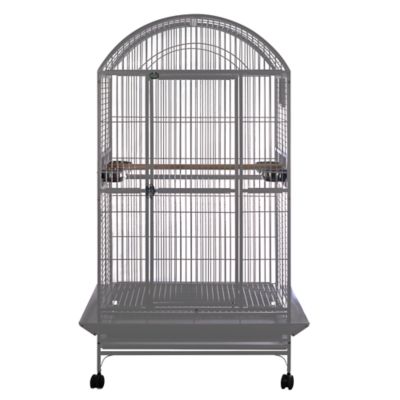
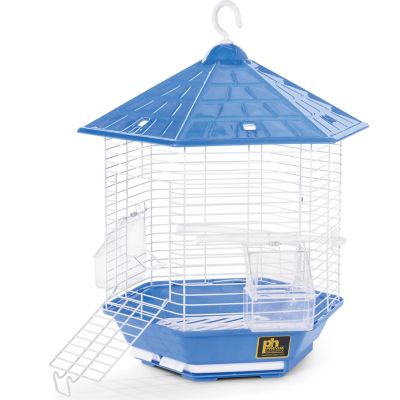
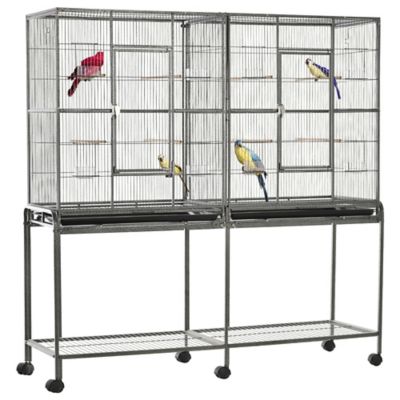
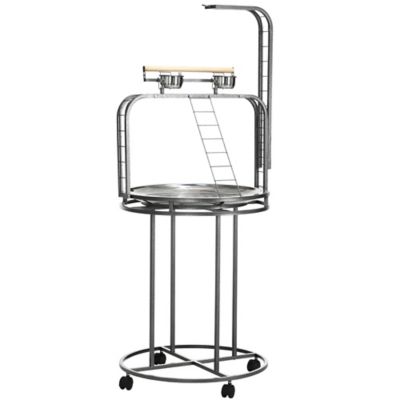
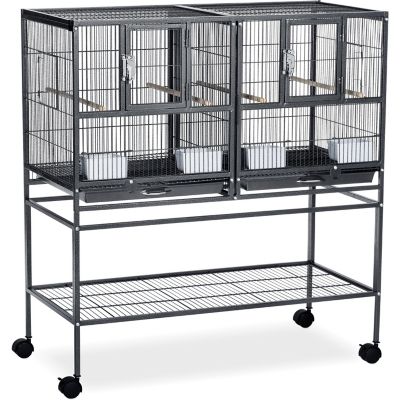
A bird cage can make a thoughtful Valentine’s Day gift for someone who shares their home with a pet bird, especially when it gives that bird more room and makes everyday care easier. The bird cage theme also carries a familiar connection to lovebirds, making it a fitting choice for a holiday built around affection and companionship. There is an important difference, though, between a cage-shaped keepsake meant for display and a cage built to house a living bird. For pet housing, the bird’s needs come first: the right size, suitable bar spacing, secure doors, and enough space for comfortable movement matter more than a heart-shaped detail or a pretty finish. A small songbird, a cockatiel, and a larger parrot need different amounts of room and different cage construction, so match the gift to the recipient’s bird rather than choosing by appearance alone. The bird should have room to stretch both wings fully without brushing the bars, feeding bowls, or hanging toys. Cage width matters alongside height because birds need room to move between perches, not just climb up and down. Bar spacing should prevent the bird’s head from slipping through, while the wire strength and door hardware should suit its beak and habits. A curious bird that works at a latch needs a different setup from one that mostly hops between perches. Check the interior dimensions rather than relying only on the outside measurements, since stands, roof details, and frames do not add living space. Think through the arrangement of perches and bowls, too. A roomy cage can become crowded once everything is inside, and a perch directly over a water dish creates extra cleanup. For a gift that fits the household, confirm the bird’s species, the recipient’s preferred setup, and the space where the cage will sit before making a selection.
Materials and construction shape how a bird cage holds up to daily climbing, chewing, feeding, and cleaning. Stainless steel and metal with a finish specifically intended for bird housing are common choices, but the material name alone does not tell the whole story. Smooth surfaces, sound welds, snug connections, and an intact finish deserve close attention. Avoid sharp wire ends, peeling coatings, rust, or exposed metals that could pose a risk when a bird chews the bars. A cage intended for plants, candles, or tabletop display should never stand in for pet housing, even if its shape looks similar. Practical details often make the biggest difference for the person receiving the gift. Wide access doors help with reaching bowls and arranging perches, while smaller feeding doors can make routine refills simpler when their closures are secure. A removable tray makes it easier to change the liner and spot messes before they build up. If the cage has a bottom grate, check that it fits firmly and can be cleaned without awkward corners trapping food. A sturdy stand should keep the cage steady, and wheels should lock when the cage is parked. Consider the whole footprint, including door clearance and room to pull out the tray; a cage tucked tightly between furniture may be frustrating to maintain. Daily care generally includes fresh food and water, removal of soiled liner paper, and attention to droppings or food stuck around bowls and perches. Periodic cleaning should follow the cage maker’s directions, with bird-safe cleaning methods, thorough rinsing where needed, and complete drying before the bird returns. Easy-to-reach corners and removable parts help make that routine manageable. Perches and toys should fit the bird’s feet, beak, and activity level without blocking movement. A home cage also serves a different purpose from a travel carrier: room for everyday activity is the priority at home, while safe containment and manageable transport matter for a trip to the veterinarian.
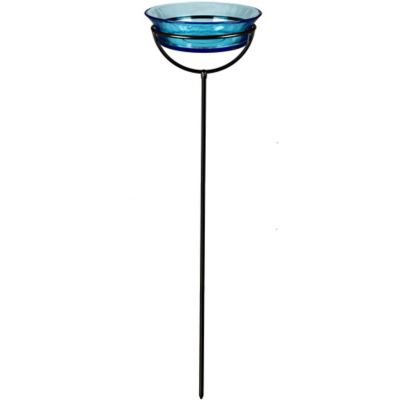
The best bird cage Valentine’s Day gift suits both the bird and the person doing the care. For a partner who starts each morning refreshing water bowls before heading out to the barn, easier feeding access may be more welcome than an elaborate cage shape. For a family member whose bird spends time climbing and exploring, extra usable space and a sensible perch layout can make the gift meaningful long after the holiday. Someone with limited floor space may appreciate a setup that fits neatly into an agreed-upon spot, provided the cage still meets the bird’s needs. Placement deserves as much thought as appearance. A bird benefits from a settled area where it can take part in household life without sitting in the middle of constant foot traffic. Keep housing away from cooking fumes, smoke, scented sprays, and other airborne irritants, and consider doors, nearby cords, and other pets when choosing a location. A cage change can also take a little adjustment, so the recipient should be able to introduce the new space at a pace that suits the bird. Giving a cage does not need to mean giving a new animal; a live bird should never be a surprise that leaves someone responsible for care they did not agree to take on. A note recognizing the care they already give can make a practical gift feel personal. Keep ribbon, wrapping, and holiday accents outside the bird’s reach, and let the recipient arrange the interior safely. For someone drawn to the lovebird motif rather than pet ownership, a cage-shaped keepsake offers the symbolism without becoming animal housing. If their birdwatching happens from the porch instead, a
Bird Bath Valentine's Day Gift connects that interest with a place for visiting wild birds to drink and bathe. Choosing between those themes comes down to the recipient’s everyday life: caring for a companion bird indoors, enjoying birds around the yard, or simply appreciating a small reminder of affection.