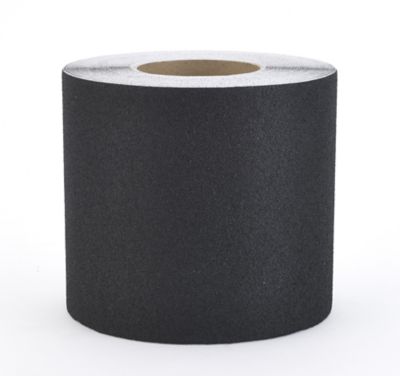
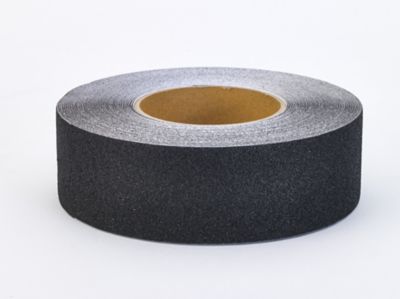
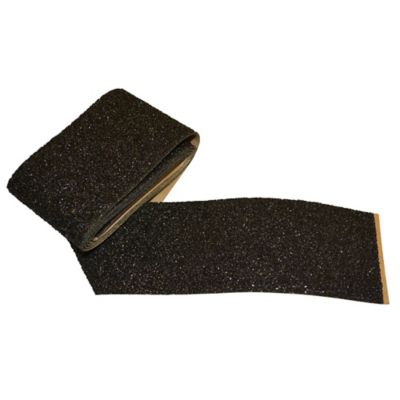
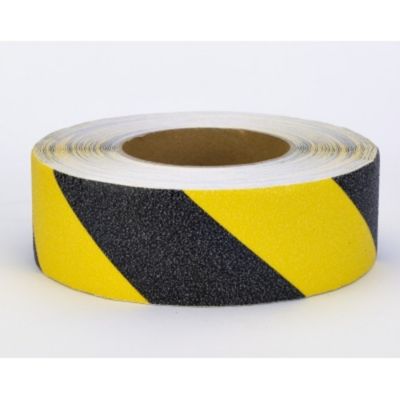
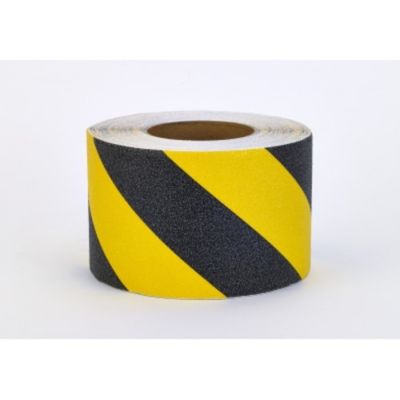
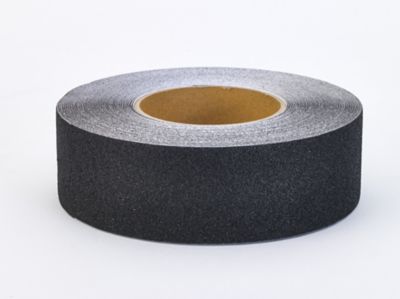
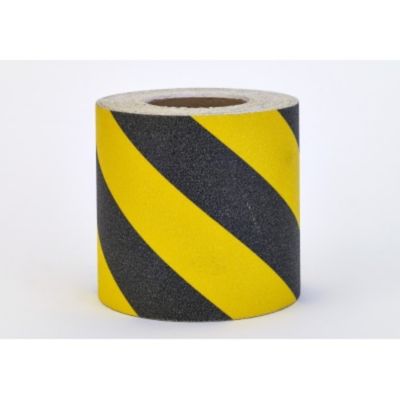
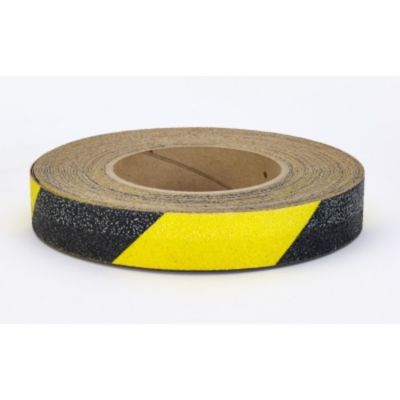
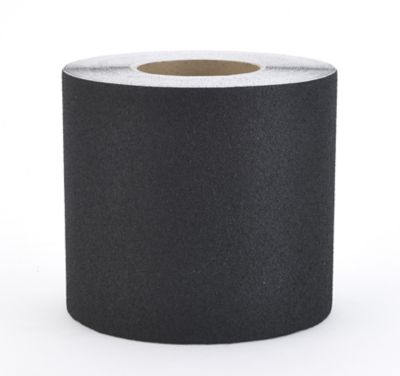
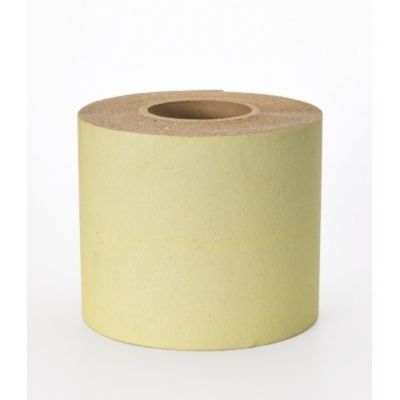
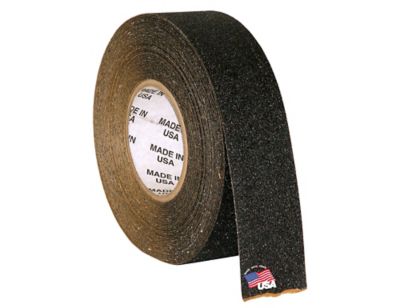
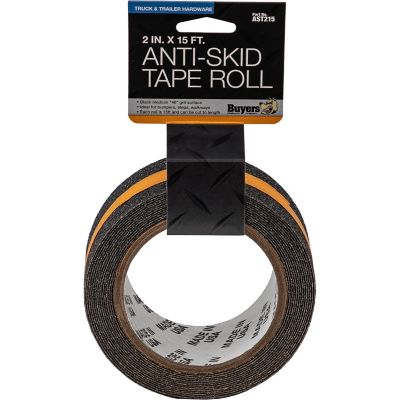
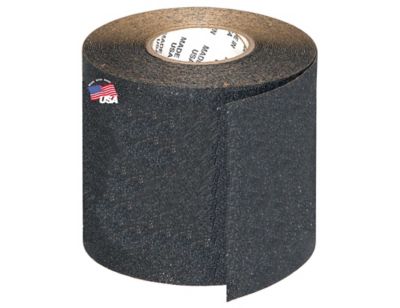
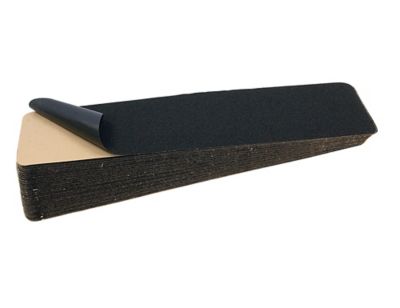
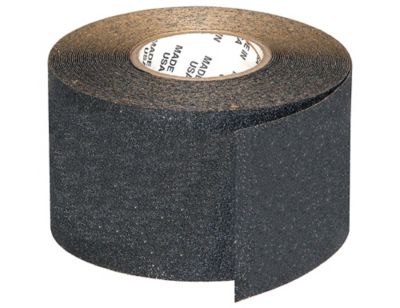
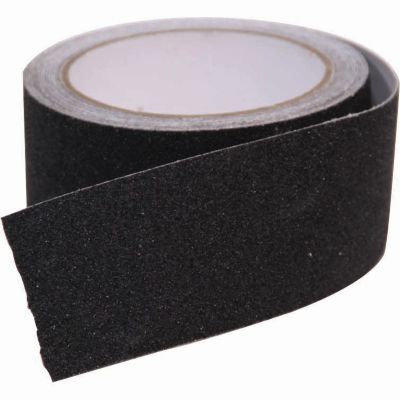
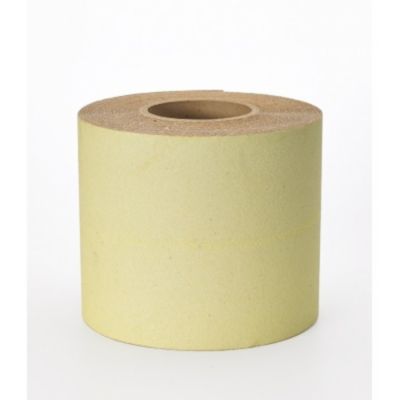
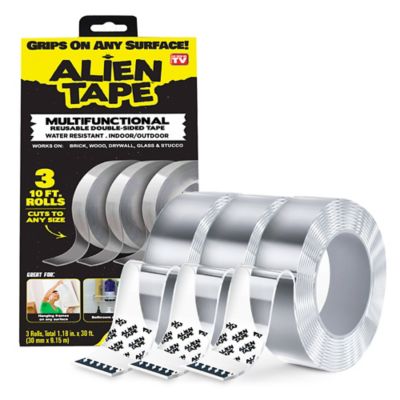
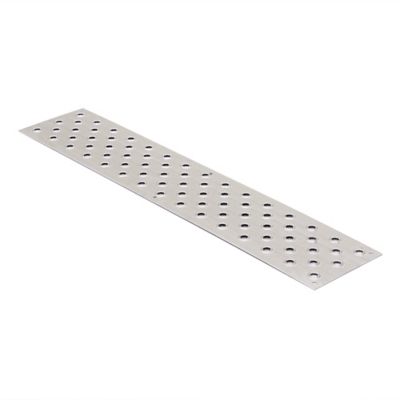
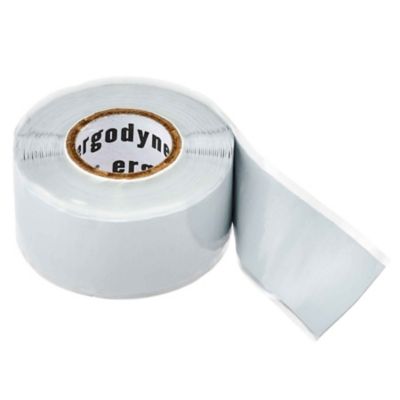
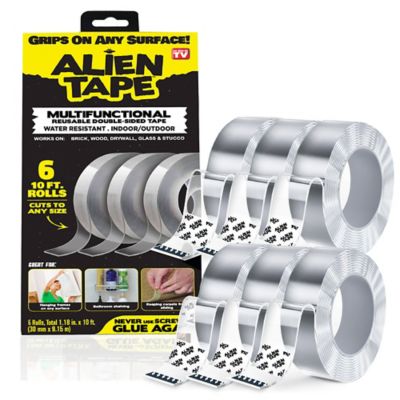
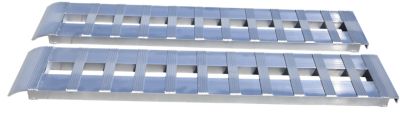
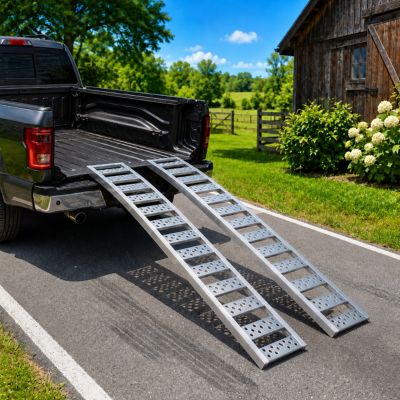
Anti slip tape for ramps adds a textured, slip-resistant layer to an inclined surface, helping boots and shoes find a firmer foothold during everyday trips between levels. Often called grip tape or traction tape, it typically combines an abrasive or textured face with an adhesive backing that bonds to a compatible ramp surface. That extra grip can matter on a barn entrance, a workshop access ramp, or a loading ramp where carrying a feed sack or steering a hand truck calls for steady footing. The tape does not make a ramp slipproof, but the right material can improve traction when it suits the surface, traffic, and conditions at the job. Abrasive styles commonly feature mineral grit, such as aluminum oxide or silicon carbide, bonded to a backing. Other traction tapes have a textured, nonabrasive face that may be better suited to areas where skin contact or easier cleaning is a concern. Coarser grit generally feels more aggressive underfoot, while finer textures offer a less rough surface; actual traction depends on the tape construction and what contacts it. Work boots, smooth-soled shoes, mobility aids, and cart wheels do not interact with every texture the same way. For a ramp serving several purposes, the balance between grip, comfort, and smooth movement deserves attention. A farm entrance with heavy boot traffic has different demands than a household access ramp crossed by someone with a walker. Ramps that carry rolling equipment also need tape rated for that kind of contact, since turning wheels and repeated loads can put stress on the edges. Intended use matters more than appearance alone, and a clear description of the face material, backing, adhesive, and suitable surfaces helps narrow the choices. Color can serve a practical purpose, too: a contrasting strip may make a ramp transition easier to notice, while a less noticeable color blends into the walking surface. Visibility and traction are separate features, so neither should be assumed from the other.
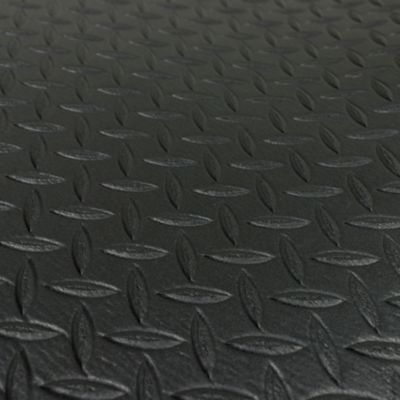
Fit starts with the ramp itself. Anti slip tape for ramps may be suitable for wood, metal, or concrete, but that does not mean every adhesive will bond well to every version of those materials. Smooth, sound, sealed wood presents a different surface than splintered boards; clean painted steel differs from flaking paint or rust; and dense, prepared concrete differs from a dusty, porous slab. A tape’s stated surface compatibility is especially important when coatings, sealers, or treated lumber are involved. Adhesive bonds depend on contact with a stable surface, so loose fibers, chalky coatings, grease, and embedded dirt can undermine performance. Some porous surfaces call for a compatible primer or sealer, while others may not suit adhesive tape at all. Standard flat-backed tape also may not settle into raised patterns on tread plate. A conformable backing designed for irregular metal surfaces can be a better match where the manufacturer allows it. Width, length, and placement affect how the finished ramp functions. A narrow strip provides a different contact area than a wide band or larger covered section, and the spacing between strips determines how often a shoe or wheel meets the textured face. Layout should account for the normal path of travel rather than simply filling whatever space looks open. On a livestock supply run, that may mean the route taken while pushing a loaded cart; at a home entrance, it may mean the full path of a walker or wheelchair. Tape thickness matters along those routes, particularly where small wheels or a shuffling step could catch a raised edge. Rounded corners can be less prone to snagging than sharp points, though edge performance still depends on the tape and application. Coverage should leave necessary drainage openings, hinges, latches, and moving parts clear. The ramp’s load rating, slope, structural condition, and any applicable access requirements remain separate considerations that traction tape cannot correct.
Long-term performance comes down to matching the tape to the work and keeping its gripping surface clear. Repeated boot traffic can polish or wear down abrasive particles, while grit carried on tires and soles can work against the backing and edges. A ramp beside a feed room may collect grain dust; a shop entrance may pick up fine sawdust; a loading area may see soil tracked across the same narrow path all day. Those materials can cover the texture that provides traction, making routine cleaning part of the tape’s care rather than just a matter of appearance. Cleaning methods should suit the face material and adhesive, with special care around strong chemicals, aggressive scraping, or equipment that could loosen the bond. Where oils or other fluids are part of the work, stated chemical resistance matters, and spills still need prompt attention. No fixed service life fits every ramp: traffic volume, surface preparation, cleaning practices, and contact with wheels or equipment all influence wear. Flattened grit, torn backing, shifting strips, or edges that no longer sit flat are signs that a section needs attention. Edge lift is especially important because a loose strip can become a trip point instead of helping footing. Replacement also deserves consideration before a permanent adhesive goes onto painted boards or a finished surface, since removal may affect the coating beneath it. For nearby level areas,
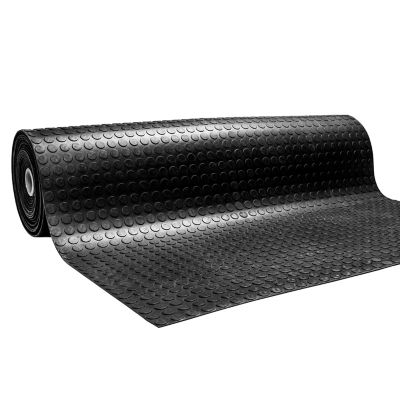
Anti Slip Mats offer another type of traction surface, though any mat beside a ramp needs suitable placement and an edge profile that does not interfere with the route. Tape and mats serve different spaces, and neither replaces sound construction, adequate lighting, secure handrails where needed, or clear walking paths. A well-matched traction tape becomes one practical part of a ramp that works for daily chores, deliveries, and getting equipment from one level to the next. Its value lies in dependable surface contact, a texture suited to the people crossing it, and maintenance that keeps wear from going unnoticed.