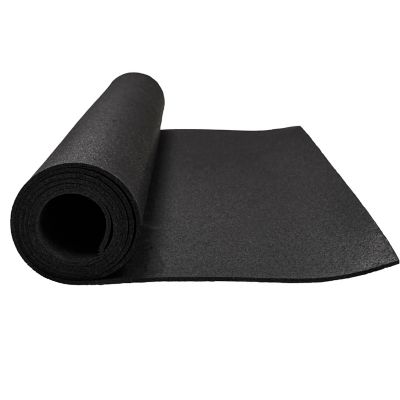
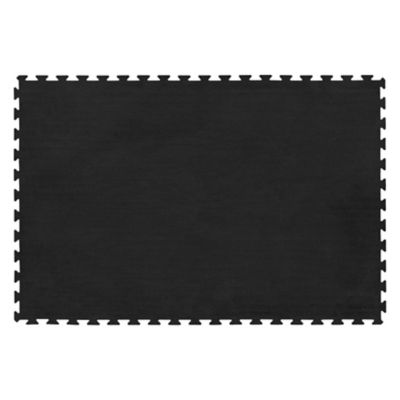
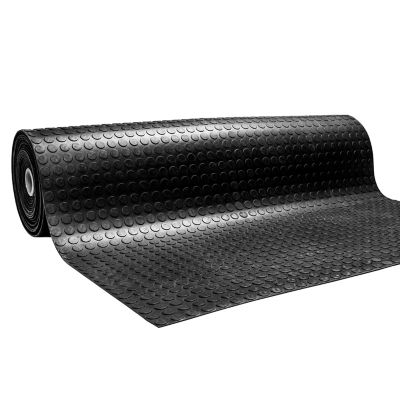
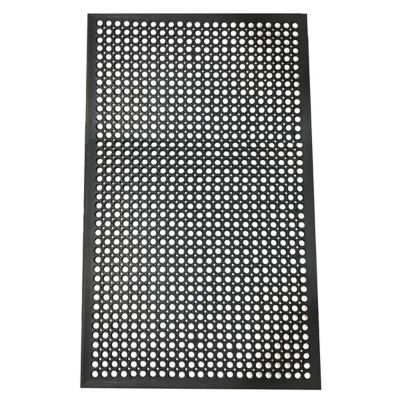
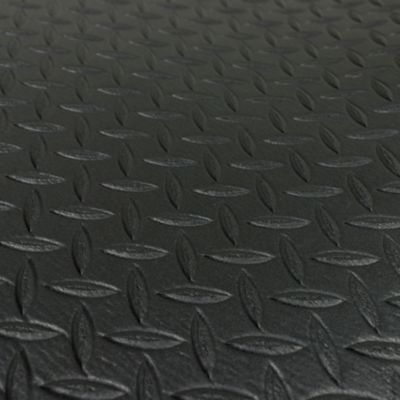
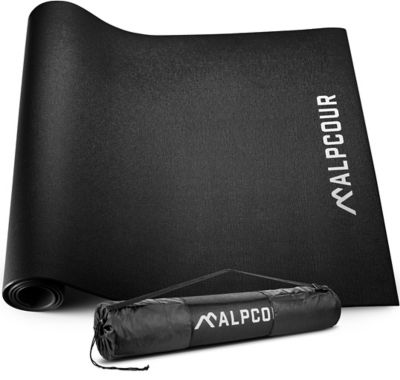
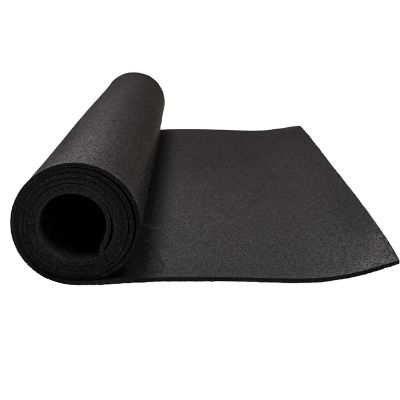
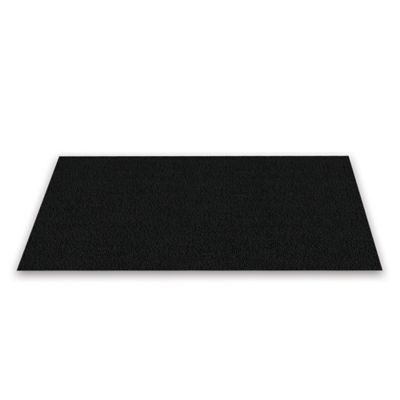
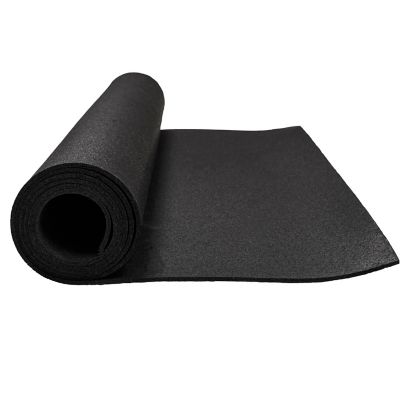
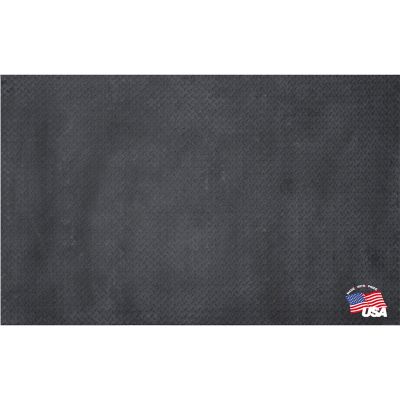
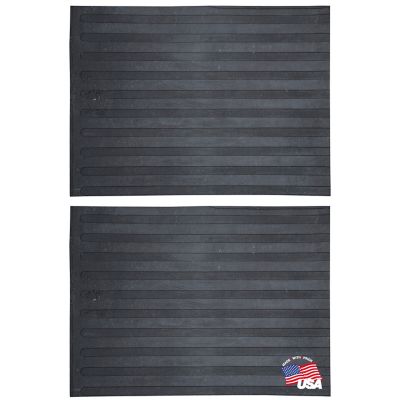
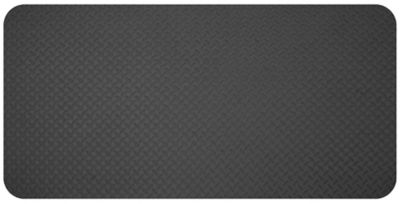
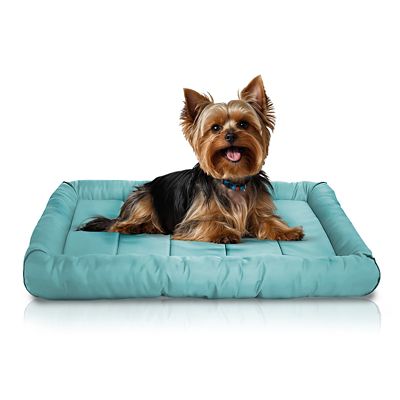
Anti-slip mats add traction underfoot and help limit mat movement on compatible floors, giving busy spaces an extra layer between boots and a slick surface. They make sense anywhere footing matters, from a garage workbench and a utility sink to an entryway, kitchen or wash area. A mat’s performance comes from more than a rough-looking top: the walking surface, backing, floor condition and fit all work together. Rubber mats often provide a substantial feel and a textured surface for work areas, while vinyl and other synthetic materials offer different combinations of flexibility, cushioning and resistance to moisture. Absorbent textile mats help catch moisture carried across an entry or splashed near a sink, but their backing still needs to suit the floor beneath them. Raised ribs, small nubs and patterned surfaces can give footwear something to grip while helping separate soles from light surface moisture. Open-grid or perforated mats let liquids pass through rather than collect on top, making them worth considering where splashes are part of the job. The floor below still needs a way to drain or be cleaned; holes alone do not remove water from the area. Solid-surface mats can be easier to wipe down when sawdust, feed dust or small debris would otherwise settle into openings. Material matters around oil, grease and cleaning solutions, too. Not every rubber or vinyl formulation handles those substances the same way, so the stated application and chemical resistance are better indicators than appearance alone. In a tack room, laundry space or shop, a practical mat suits the actual mess and foot traffic rather than simply covering the floor. A textured top helps with footing, while a gripping backing helps hold the mat in place; neither replaces keeping the surrounding floor clear and clean. Even a substantial mat can shift if grit, moisture or an incompatible finish interferes with contact underneath.
Size and placement determine how well anti-slip mats fit into the daily routine. At a sink or workbench, enough coverage lets someone stand and turn without repeatedly stepping across an edge. At a doorway, the mat needs room to lie flat while leaving clearance for the door to swing freely. A broad entry mat can catch several footfalls from work boots, while a narrower runner may better suit a straight passage through a utility room. Thickness deserves a close look wherever rolling carts, walkers or other mobility aids cross the surface. A low profile and sloped edges can make transitions smoother, while a thick, square edge may create an obstacle even when the mat itself grips well. Mats that curl, bunch or overlap can also turn a helpful floor covering into something that catches a toe. Weight can help a mat stay settled, but weight alone does not establish slip resistance, and a heavier mat takes more effort to lift for cleaning. Floor compatibility matters just as much: some backings can affect certain wood, vinyl or sealed surfaces, particularly when moisture remains trapped beneath them. Manufacturer guidance should address both the mat and the flooring. For anyone working through a long repair at the bench or spending time at a utility sink, anti-fatigue cushioning may offer another benefit. Anti-fatigue and anti-slip are not interchangeable terms, though; cushioning addresses standing comfort, while slip resistance concerns traction and movement. A mat intended for both jobs should state both functions. Steps call for a different fit than open floor space, with each tread needing secure placement and clear edges.
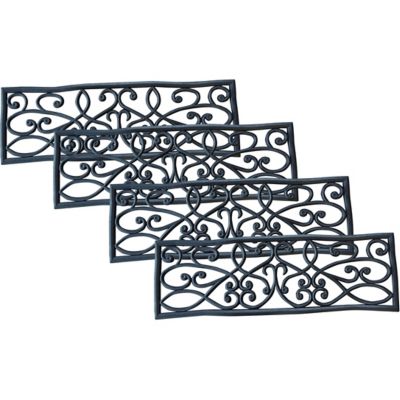
Non Slip Outdoor Mats for Steps focus on that setting, where tread dimensions, attachment requirements and suitable surface materials deserve particular attention. A loose floor mat folded over a stair edge is no substitute for a tread covering designed for that purpose.
Everyday care helps anti-slip mats keep doing their job, whether they sit beside a farmhouse kitchen sink or at the entrance to a workshop. Dirt packed into a raised pattern can reduce contact with footwear, and fine dust underneath can interfere with the backing’s grip. Cleaning both sides, along with the floor below, matters more than just making the top look tidy. Some mats tolerate a hose rinse, others call for a mild detergent and a brush, and certain textile styles allow machine washing. Those care methods are not interchangeable, so the cleaning directions should match the material and construction. A mat that holds water needs time to dry thoroughly, along with the surface beneath it, before returning to place. Good drying habits help limit lingering odors and moisture buildup without relying on strong cleaners that could damage the backing or flooring. Around a feed room or animal-care area, debris size matters: coarse bedding and loose feed can lodge in small openings, while fine dust can settle into deep textures. A surface that is straightforward to sweep, shake out or rinse may fit those chores better. Bath and shower mats have their own requirements, including compatibility with the tub or shower floor; suction-backed designs generally need a suitable smooth surface to attach properly. Across all these settings, service life depends on foot traffic, cleaning practices, chemical exposure and the material itself. Cracking, hardened backing, worn-down texture and edges that no longer lie flat are signs that a mat needs attention or replacement. No anti-slip mat can guarantee against a fall, especially when spills, loose cords or clutter remain nearby. The most practical choice brings together traction, manageable care and a shape that fits the space, so it supports the work going on around it without getting in the way.