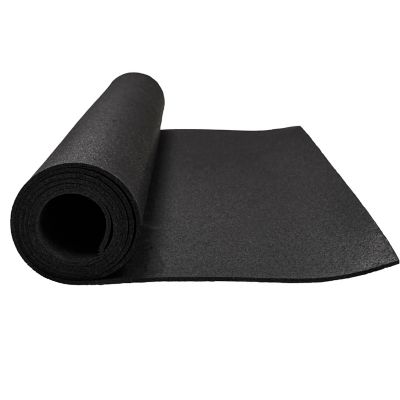
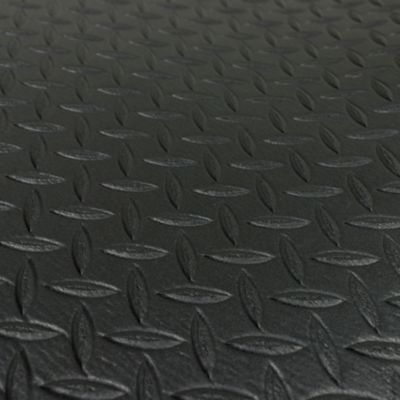
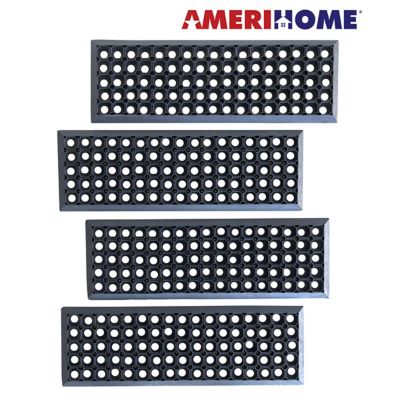
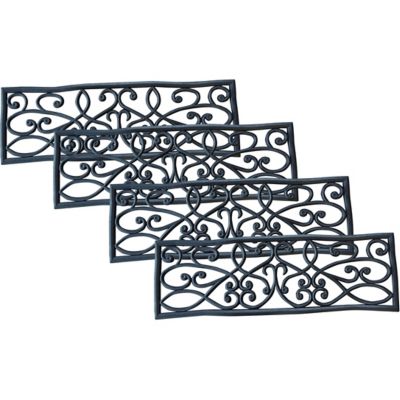
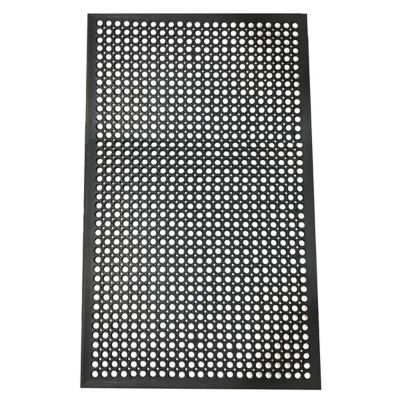
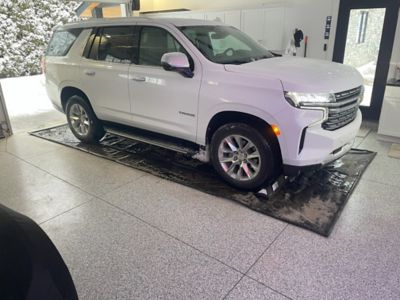
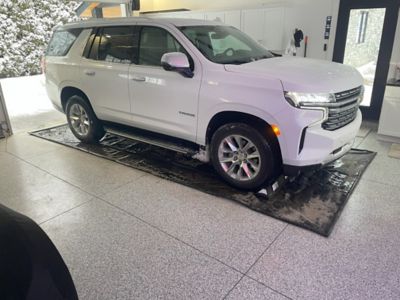
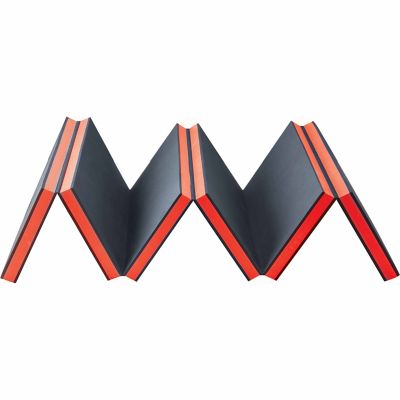
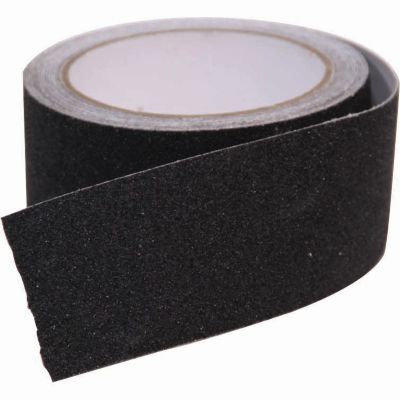
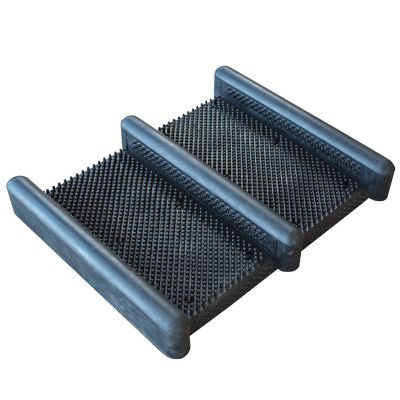
Non-slip outdoor mats for steps add a textured walking surface where boots meet porch stairs, entry steps, and other outdoor stairways. Their main job is to improve traction, while many designs also help scrape dirt from footwear before it reaches the house. That makes them a practical addition to a farmhouse porch, a set of garage steps, or the entrance to a workshop where muddy boots are part of the routine. Unlike a full-size entry mat, a stair mat needs to fit an individual tread without hanging over the edge or interfering with the next step. Materials and surface patterns make a difference in how these mats feel underfoot and handle everyday traffic. Rubber stair mats often have raised ribs, molded patterns, or openings that help separate boot soles from loose dirt and moisture. Some exterior-rated mats pair a backing with a coarse fiber surface for scraping, while others feature a grit-coated face for added traction. Open patterns can let water and small debris pass through, though the surface underneath still needs a way to drain. A solid mat may catch more tracked-in dirt, but moisture can collect beneath it if the stair surface stays damp. The best match depends on the step material, the amount of foot traffic, and whether the entrance sees work boots, everyday shoes, or paws. A household coming in from feeding livestock may need a surface that releases packed soil readily, while a front porch may call for a lower-profile tread that feels comfortable beneath lighter footwear. Texture matters, but so does how firmly the mat stays in place. A gripping top surface cannot do its job well if the entire mat shifts beneath a foot. No mat makes a staircase slip-proof, and standing water, ice, oil, or loose debris can still create hazards. These mats work alongside sound steps, clear walking space, good lighting, and a secure handrail rather than taking the place of those basics.
Fit is especially important with non-slip outdoor mats for steps because even a small overhang or curled corner can catch a toe. The usable width and depth of each stair tread determine which mat dimensions make sense, and a little exposed space around the mat can keep its edges clear of the stair’s front and sides. On a narrow staircase, a mat that covers most of the walking area may be more practical than one that leaves only a small patch of texture in the center. On wider steps, consistent placement helps keep the tread surface beneath the usual walking path. Thickness deserves a close look as well. A thick scraping surface may work well on a roomy porch landing, but stair treads generally benefit from a profile that does not create a pronounced lip. Door clearance matters wherever an exterior door swings over the top landing. The backing and attachment method should suit both the mat and the surface below it, whether that is wood, concrete, metal, or a composite material. Some mats rely on their weight and backing to stay put, while other designs call for adhesive or mechanical attachment according to the manufacturer’s directions. A loose-lay design is not automatically suitable for a staircase just because it grips well on a level porch. Adhesive-backed options also have surface preparation requirements, and rough concrete, peeling paint, or an unsuitable finish can prevent a firm bond. Exterior ratings help distinguish materials meant for outdoor exposure from indoor stair coverings that may not hold up in that setting. Resistance to cracking, fading, abrasion, and edge curling can all affect service life. For homes with dogs, the texture should offer footing without being unnecessarily harsh on paws. For busy family entrances, a tread that stays flat and sheds dirt easily can make more sense than a deeper surface that traps every pebble carried up from the driveway.
Everyday care has a big say in how well outdoor step mats keep performing. Dirt packed into grooves can reduce the contact between footwear and the traction surface, and small stones beneath a mat can keep it from lying flat. Mats with open patterns may release debris with a shake or brush, while some solid rubber designs can be rinsed when the manufacturer permits it. Fiber-faced surfaces may need brushing or another cleaning method suited to their construction. Cleaning directions matter because strong chemicals, stiff tools, or excessive water can damage certain backings and adhesives. The stair underneath deserves attention, too: a clean mat over a slick layer of mud or trapped leaves still leaves a problem underfoot. Allowing the mat and supporting surface to dry after cleaning helps limit lingering moisture, particularly on wood steps. Routine checks for worn texture, loose attachment points, split edges, and lifting corners are worthwhile at entrances that handle steady boot traffic. A mat that slides, bunches, or no longer sits flat needs attention rather than another season of foot traffic. For a broader look at traction surfaces for entryways and other walking areas,
Anti Slip Mats brings related options into the same search, though each mat still needs to match its intended location. Stair treads, landing mats, and larger entry mats serve different spaces, and their dimensions and installation requirements are not interchangeable. A coordinated setup can give boots a scraping spot on the landing and a properly fitted surface on each step without crowding the doorway. For a side entrance between the barn and the kitchen, easy dirt removal may lead the decision. For the front porch where family and visitors come and go, a flat fit and comfortable tread may matter most. Matching construction, coverage, and care needs to the entrance helps keep non-slip outdoor step mats practical for the daily trips that add up around a home and property.