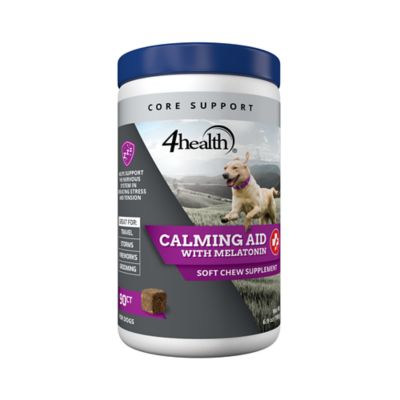
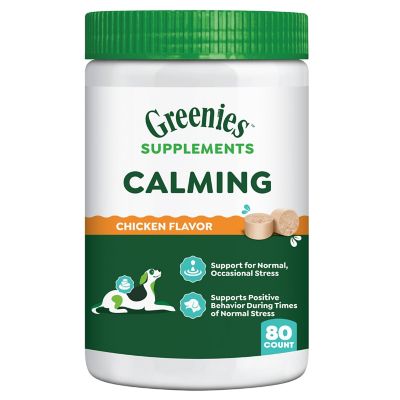
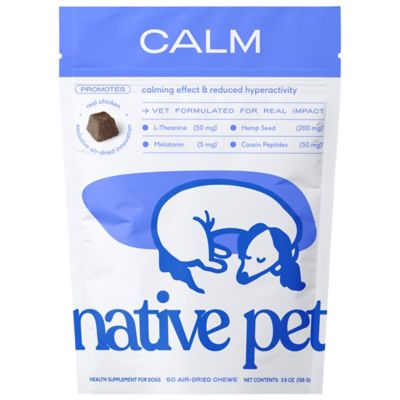
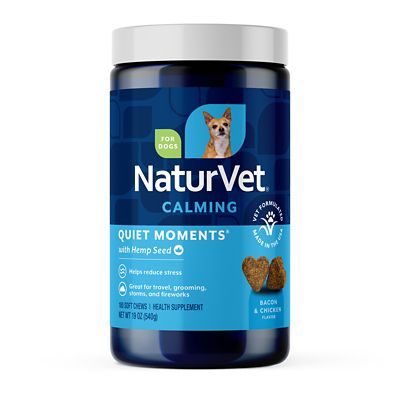
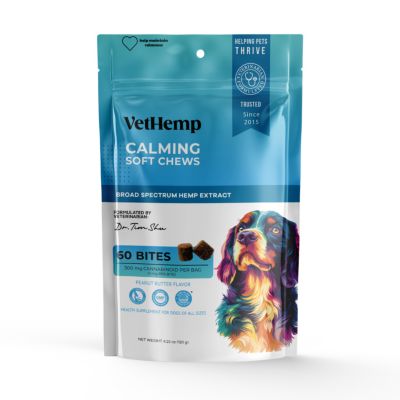
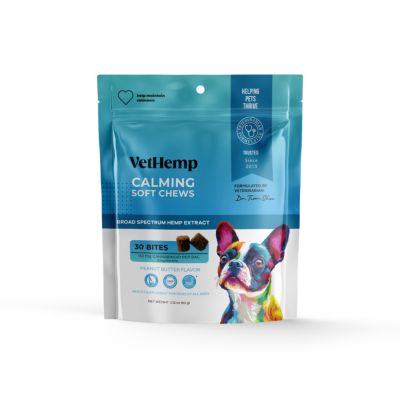
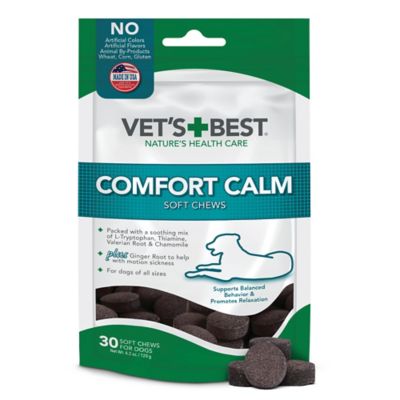
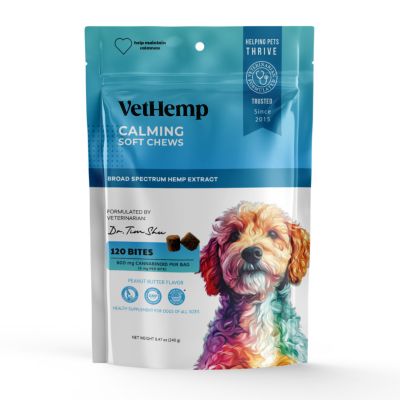
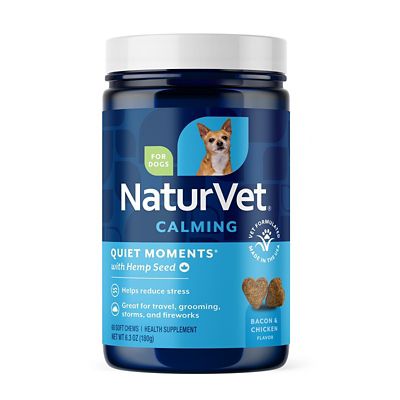
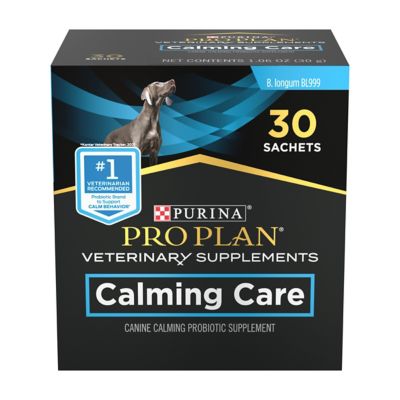
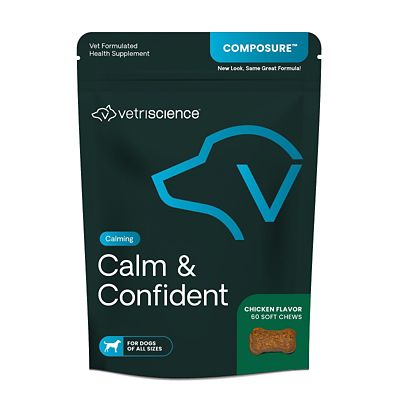
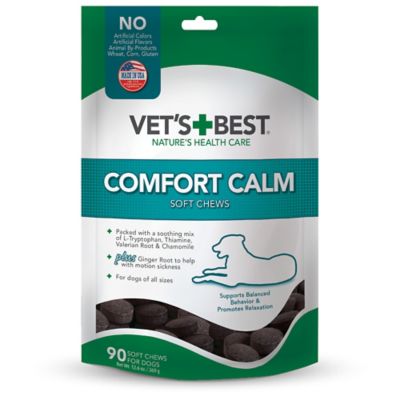
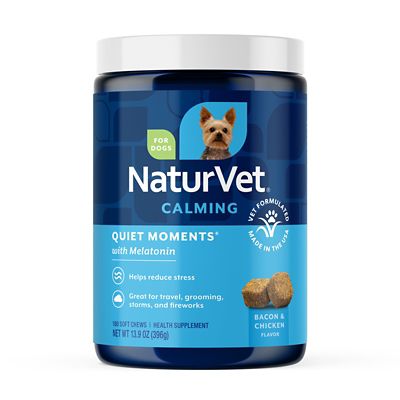
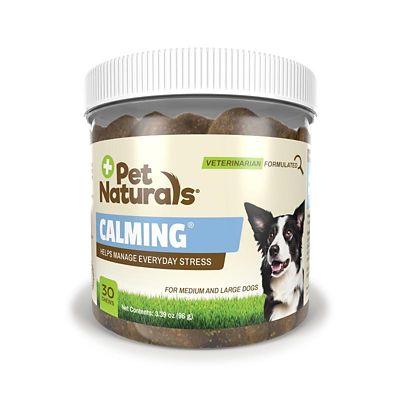
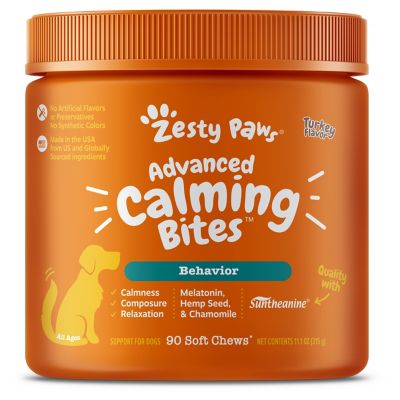
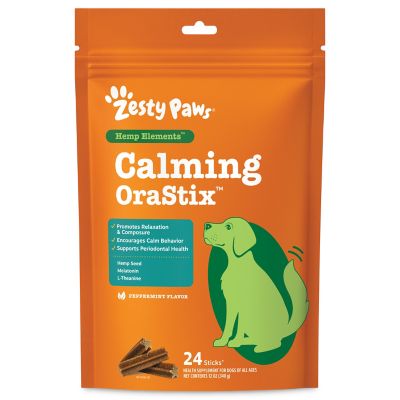
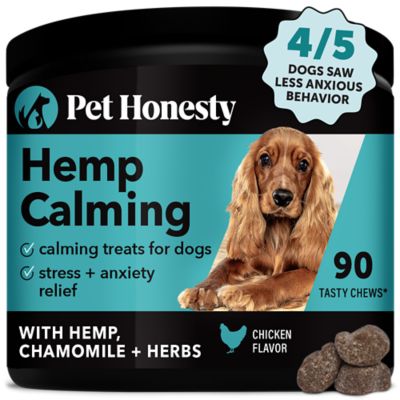
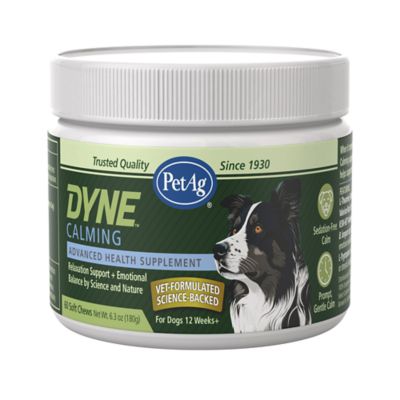
Calming supplements for senior dogs are formulated to support a relaxed disposition during everyday stress or changes in routine. They may help some older dogs settle more comfortably, but they do not replace veterinary care for pain, anxiety disorders, confusion, or other health concerns. For a longtime companion who has started pacing when company arrives or having trouble settling after a truck ride, the right supplement depends on more than age alone. Body weight, eating habits, dental comfort, existing medications, and the reason for the restlessness all matter. Senior dogs can become more sensitive to household activity as their hearing, vision, and mobility change, so a familiar situation may no longer feel quite so familiar. Calming supplements come in several forms, including soft chews, tablets, powders, and liquids, with different ways of fitting into a dog's day. A soft texture may suit a dog with tender gums, while a powder mixed into an approved meal may work better for one that leaves tablets in the bottom of the bowl. Liquids offer another serving option, though the measuring directions and concentration deserve close attention. Texture alone does not establish whether a formula is suitable: serving size, ingredient amounts, and label directions are just as important. A small senior terrier and a big farm dog may need very different portions, even when their behavior looks similar. Flavorings and inactive ingredients also deserve a look, especially for dogs with food sensitivities or restricted diets. For dogs eating a veterinary diet, even a flavored chew can be worth discussing with the veterinarian. Calories from daily chews count toward the day's food intake, too, which matters for an older dog whose activity has slowed. The most practical choice is a canine formula that fits the dog's health needs and can be given consistently without turning supplement time into a struggle beside the kitchen counter.
Ingredient lists help distinguish one type of senior dog calming supplement from another. Some formulas contain L-theanine, an amino acid included to support relaxation, while others contain alpha-casozepine, a milk-derived ingredient, or blends with B vitamins such as thiamine. Melatonin appears in some canine supplements as well, but it is not a fit for every dog or every cause of nighttime waking. Botanical ingredients such as chamomile or valerian may also appear on labels; plant-based does not automatically mean suitable for a senior dog with medical conditions or prescription medications. Evidence and responses vary by ingredient and formulation, so a longer ingredient list is not necessarily a better match. Clear labeling makes comparison easier, particularly when it identifies the amount of each active ingredient rather than giving only a total blend weight. Serving frequency matters as much as the amount in each chew or scoop. Some supplements are intended for daily support, while others have directions tied to an anticipated stressful event, such as a grooming appointment or a stay with a familiar sitter. There is no single onset time that applies to every calming supplement, and an immediate change should not be assumed. Label directions and veterinary guidance are a better basis for expectations than how sleepy a dog appears afterward. The goal is a dog that seems more comfortable and remains responsive, not one that is unusually groggy or unsteady. Senior dogs taking pain medicine, seizure medication, sedatives, or behavioral prescriptions need a veterinarian's review before another calming ingredient joins the routine. Combining several calming formulas can duplicate ingredients or increase unwanted effects. Human sleep aids and gummies are not substitutes for canine supplements; some contain xylitol or other ingredients that are dangerous for dogs. Packaging and care matter, too. A container that closes securely helps protect the contents between servings, and storage should follow the label's directions for light and moisture. Keeping chews out of reach prevents a curious dog from treating the whole container like an extra meal.
For senior dogs, calming support and cognitive support are related categories, but they are not interchangeable. A calming formula generally centers on relaxation, while a cognitive-support formula may contain nutrients such as omega-3 fatty acids or certain antioxidants to support brain health. An older dog that wanders from room to room, seems lost in a familiar corner, reverses its sleep pattern, or starts having accidents needs a veterinary assessment rather than an assumption that nerves are the only problem. Nighttime restlessness, sometimes called sundowning, can have several causes, including discomfort, changes in the senses, medical illness, and canine cognitive dysfunction. Supplements cannot establish which cause is present. Once health concerns have been assessed, a veterinarian can help determine whether calming support, cognitive support, a change in treatment, or another approach makes sense. That distinction is especially helpful when comparing formulas for a dog that is alert and comfortable during the day but unsettled after the house gets quiet. Product selection also works best alongside a manageable daily routine: familiar feeding times, gentle activity suited to the dog's mobility, easy access to water, and a resting spot away from busy doorways. A senior dog should not have to step over boots or squeeze past furniture to reach its bed. For a broader look at options beyond supplements,
Calming Products for Pets brings related approaches into the picture. Whatever form fits the household, simple observations help show whether it fits the dog: easier settling, comfortable rest, normal appetite, and steady footing are more meaningful than a vague impression that the dog is quieter. A brief record of serving times and behavior can also give the veterinarian useful context. For an old companion who still follows along from the porch to the feed room, sensible calming support is about preserving comfort and familiar daily life, with the dog's individual needs leading the choice.