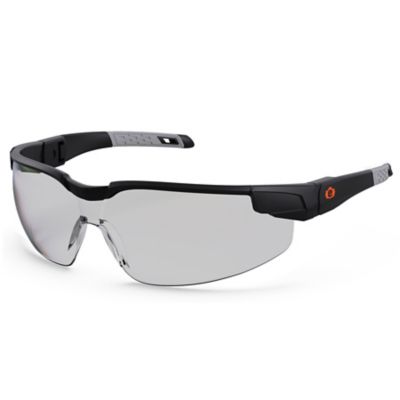
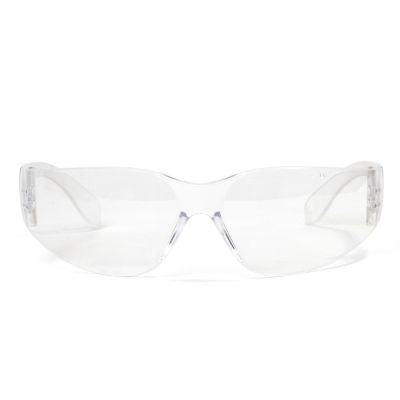
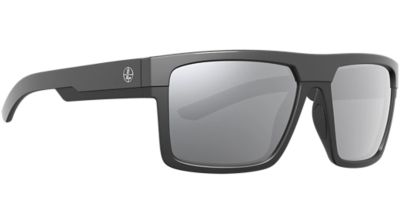
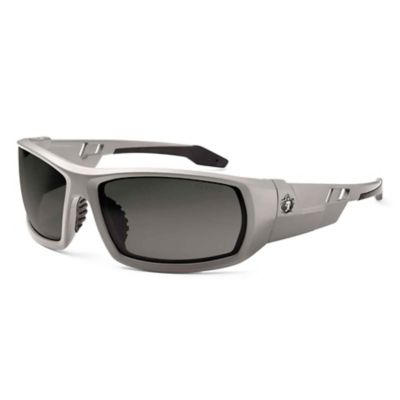
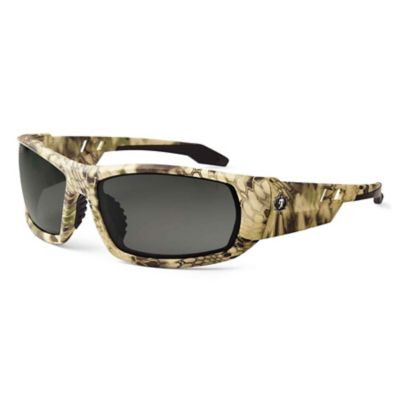
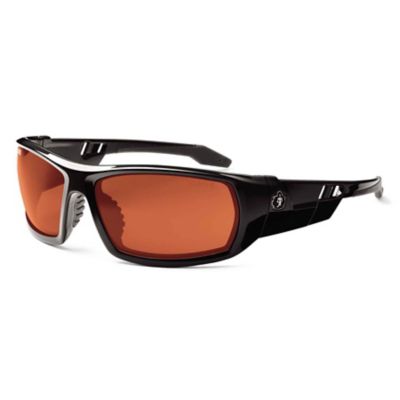
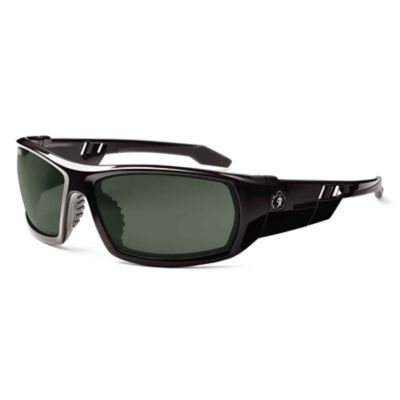
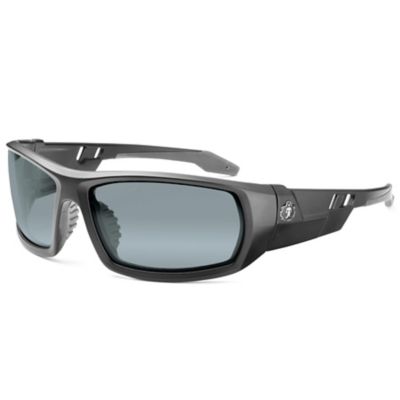
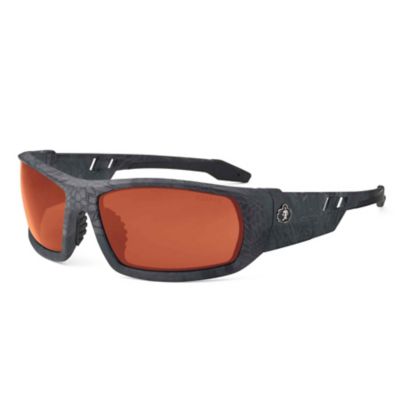
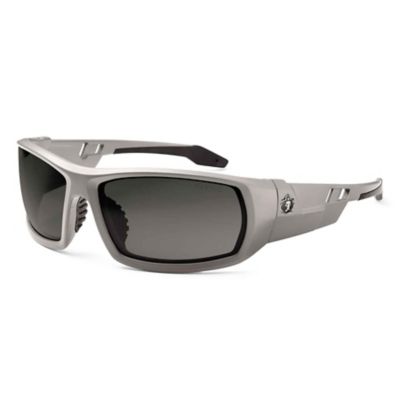
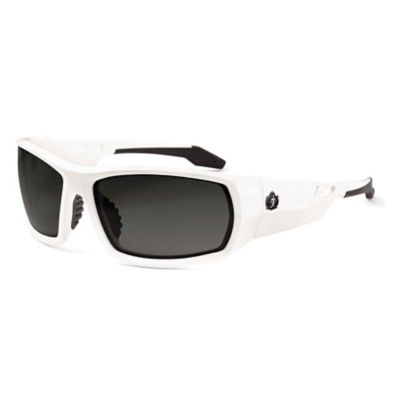
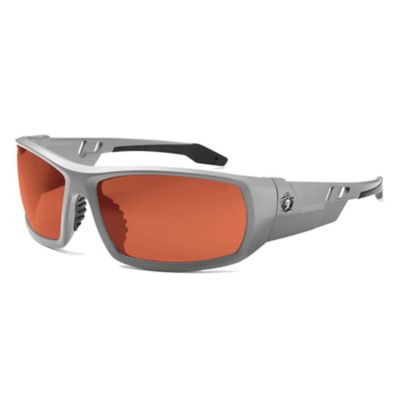
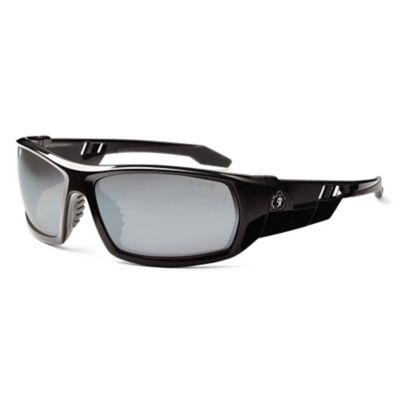
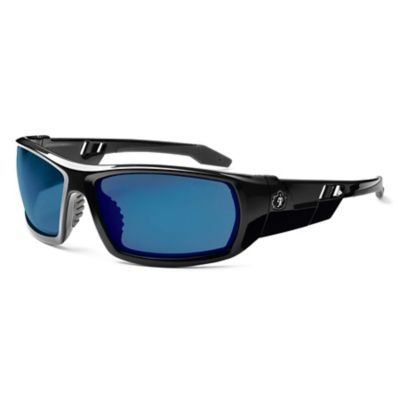
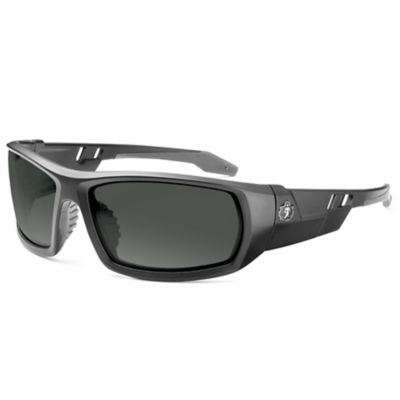
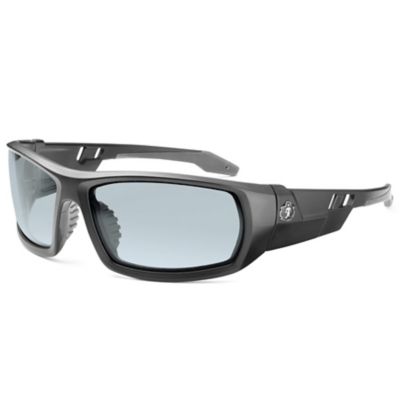
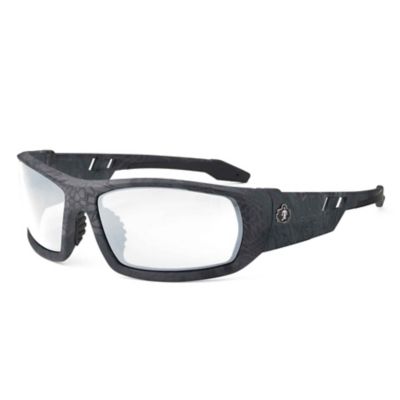
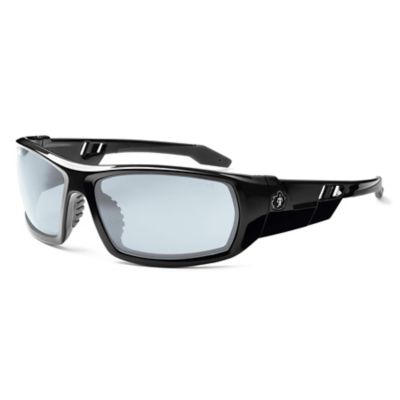
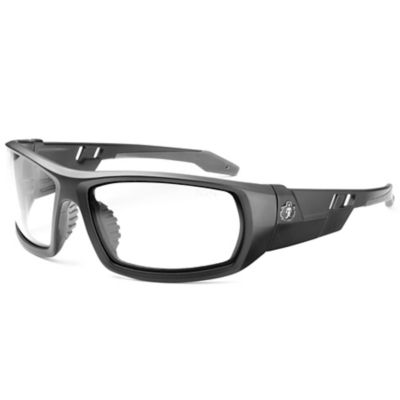
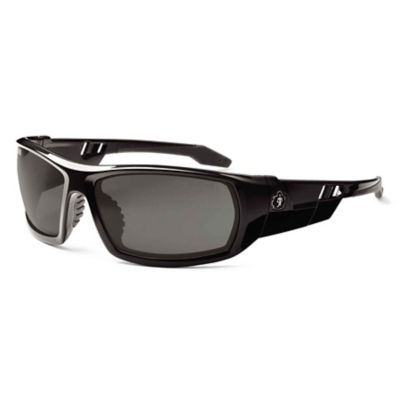
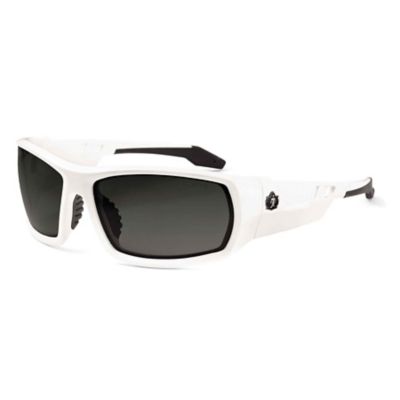
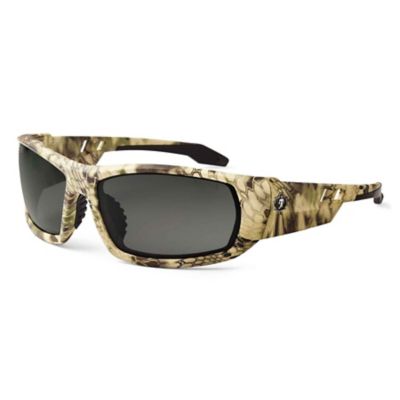
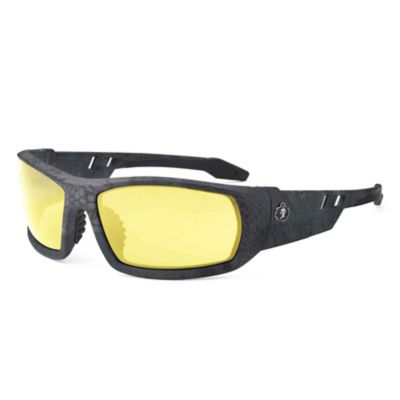
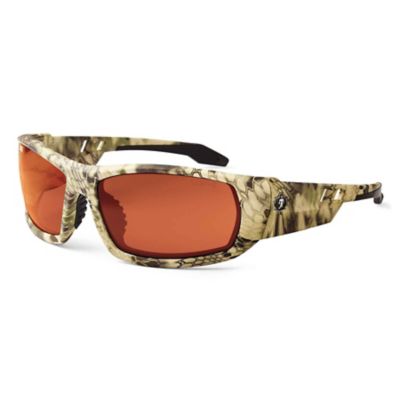
ANSI Z87.1+ rated safety glasses are protective eyewear built for work where flying chips, fragments, and other impact hazards can threaten your eyes. The name points to the ANSI/ISEA Z87.1 standard for occupational and educational eye and face protection, while the Z87+ marking identifies eyewear that meets its high-impact requirements. That plus sign matters: Z87 identifies basic-impact protection, while Z87+ indicates that the applicable high-mass and high-velocity impact tests have been met. ANSI does not itself test or certify individual pairs of glasses, so product markings and manufacturer documentation are the right places to check the protection a pair provides. For folks cutting lumber in a shop, drilling steel brackets, or handling repairs around a barn, this category puts impact protection at the center of the job. A small shaving can come off a drill bit fast, and debris does not always travel straight toward the front of a lens. Wraparound shapes and protective side coverage help address exposure from different angles, though the right protection still depends on the task and its hazards. The high-impact marking does not mean a pair is shatterproof, suitable for every operation, or rated for every kind of exposure. It also does not establish a ballistic rating or make ordinary safety glasses appropriate for welding. Grinding and similar operations may call for a face shield over suitable safety glasses or goggles; a face shield does not replace that primary eye protection. Regular sunglasses and everyday prescription glasses are not substitutes for properly rated safety eyewear, even when their lenses look thick or their frames feel sturdy. Whether the work involves maintaining equipment, building fence, or fitting parts at a workbench, the important distinction is documented protection rather than appearance. Safety glasses belong with the task from its first cut or drilled hole through cleanup, when loose chips and fragments can still pose a hazard.
Lens material, coverage, and fit all shape how ANSI Z87.1+ rated safety glasses feel through a full stretch of work. Polycarbonate is a common lens material because it combines low weight with impact resistance, but material alone does not establish a rating; the complete eyewear must meet the applicable requirements. Hard coatings can help resist scratches from everyday handling, although no coating makes a lens scratchproof. Clear lenses suit many indoor shop tasks where natural color recognition and light transmission matter. Tinted lenses can reduce brightness in suitable settings, but a dark lens is not proof of ultraviolet protection and is not a welding filter. UV protection, glare reduction, and protection from other optical radiation require their own specifications. Anti-fog treatments can help maintain a clear view when moisture builds up during active work or alongside other protective equipment, though their performance depends on fit, conditions, and care. Frame shape deserves just as much attention as the lens. A pair that pinches at the temples or slides down whenever someone bends over a mower deck can turn into a steady distraction. Adjustable temples, flexible frame sections, and soft nose-contact surfaces can help different wearers find a secure fit without unnecessary pressure. Coverage should stay in place when looking down, turning the head, or reaching overhead, with no interference that keeps other protective gear from sitting correctly. For prescription wearers, over-the-glasses designs need enough room to clear the everyday frames without pushing them out of position; prescription safety eyewear is another route when it carries the appropriate markings. Compatibility matters when earmuffs, respirators, or head protection are part of the job. Temple arms should not compromise an earmuff seal, and eyewear should not interfere with a respirator’s fit. For work that also calls for head protection,
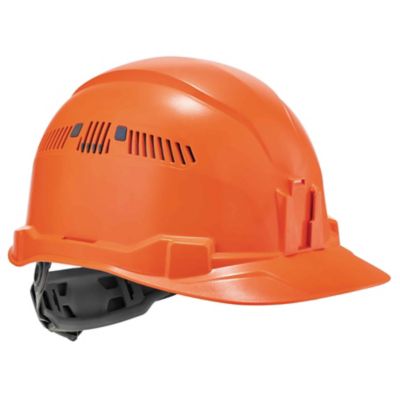
ANSI Approved Hard Hats belong in the same equipment planning, with each piece selected for the hazards present. A comfortable fit helps make eye protection a regular part of getting ready to work rather than something to keep adjusting.
Impact protection is only one part of matching safety glasses to farm, shop, and jobsite work. The Z87+ marking alone does not establish protection against chemical splashes, airborne dust, or fine particles. Additional markings identify separate capabilities: D3 indicates droplet and splash protection, D4 indicates dust protection, and D5 indicates fine-dust protection. Those distinctions matter when a task moves from drilling a gate hinge to handling a liquid chemical or working around suspended dust. Open-sided eyewear leaves pathways around the lenses, so splash or dust hazards may require properly rated goggles rather than glasses. Chemical labels, safety data sheets, and workplace hazard assessments help establish the necessary protection, including whether a face shield is also required. The same care applies to upkeep. Fine grit on a lens can scratch the surface when rubbed with a shirt sleeve or a shop rag. Cleaning according to the manufacturer’s directions, with an approved cleaning solution and a clean, soft cloth, helps protect visibility and any lens treatments. Household solvents and other harsh cleaners can damage lens materials or coatings, so cleaning products need to be compatible with the eyewear. Between jobs, a protective case or a clean storage spot keeps glasses away from loose tools, metal filings, and pressure that can bend the frame. Before putting them on, checking for cracked lenses, deep scratches, loose parts, and distorted frames can catch damage that affects vision or protection. Eyewear that has taken a significant impact needs to be removed from service and handled according to the manufacturer’s replacement instructions, even if the damage is not obvious. Farmhands, mechanics, carpenters, maintenance crews, and homeowners tackling hands-on repairs all have reason to keep task-appropriate eye protection close by. A spare pair can be practical for a helper, provided the fit and protection suit that person’s work. For long hours at the bench or a short repair before chores, clear vision, secure coverage, and readable protection markings give these glasses their everyday value. The best match is eyewear that fits the wearer, works with the rest of the required gear, and addresses the actual hazards of the job.