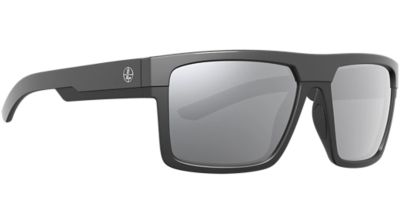
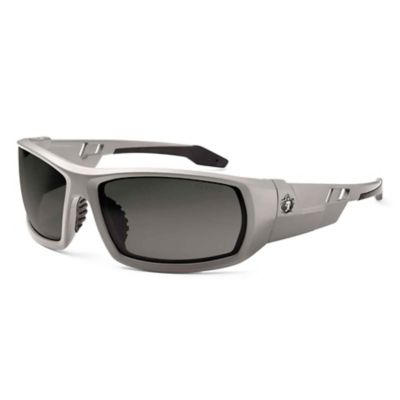
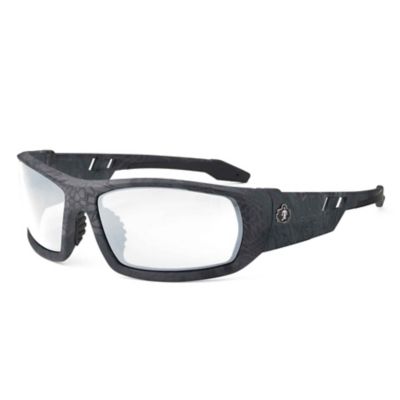
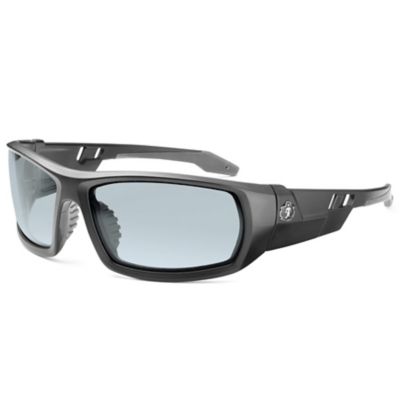
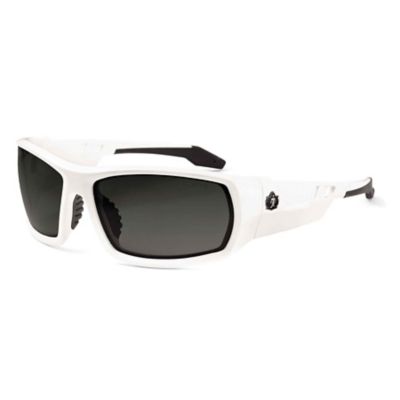
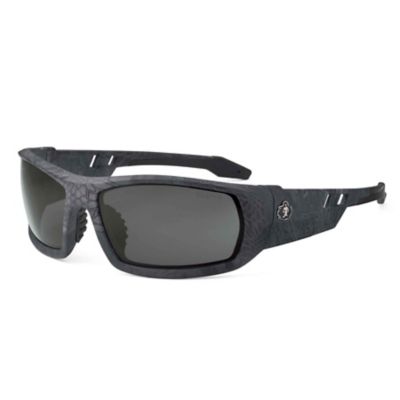
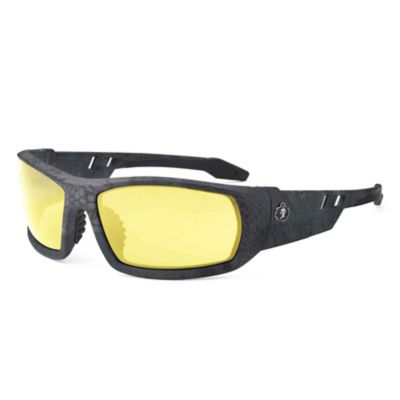
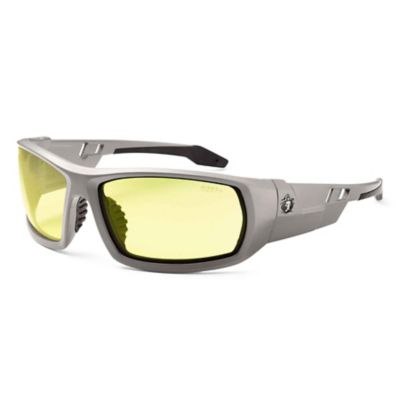
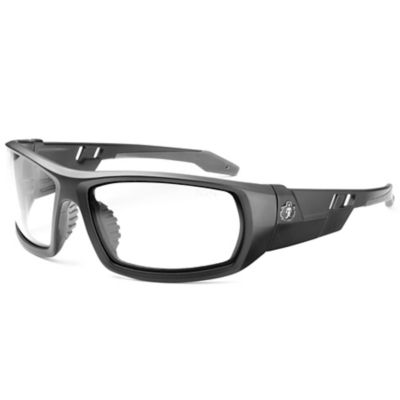
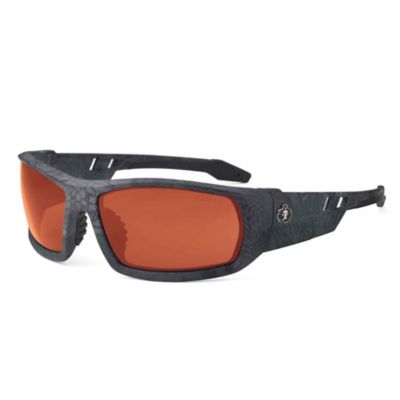
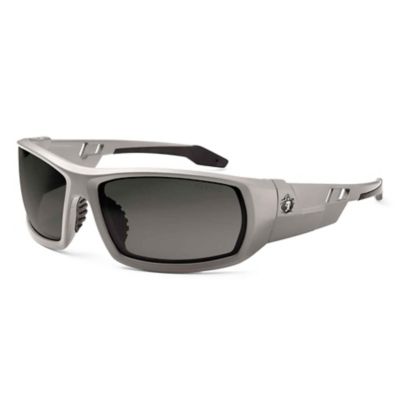
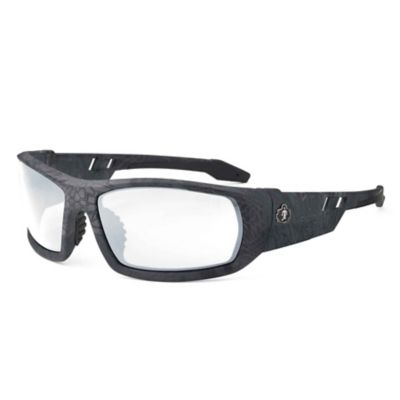
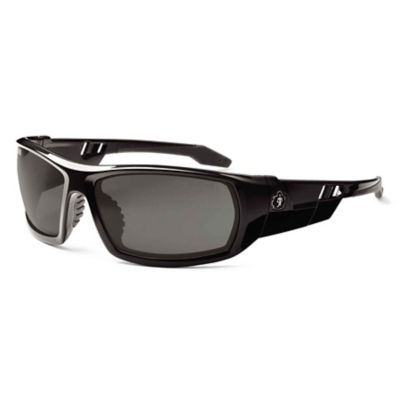
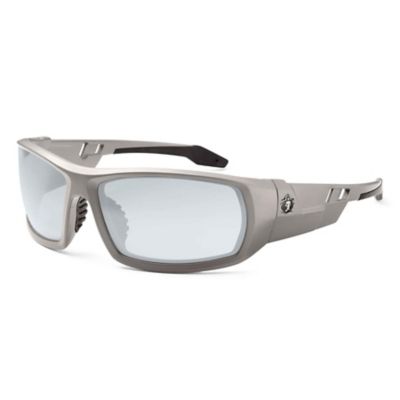
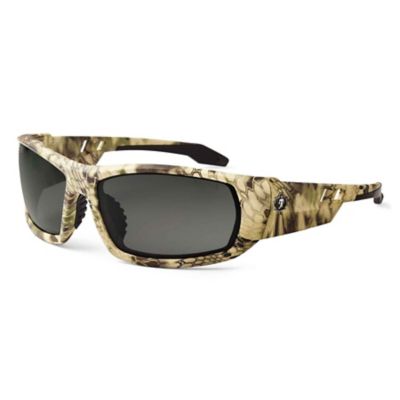
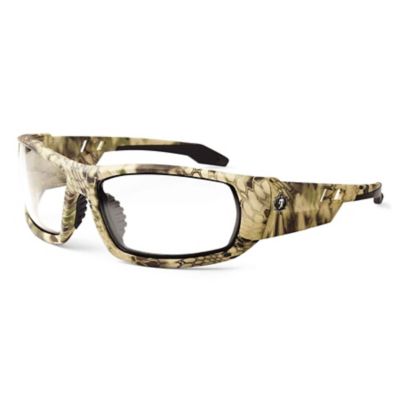
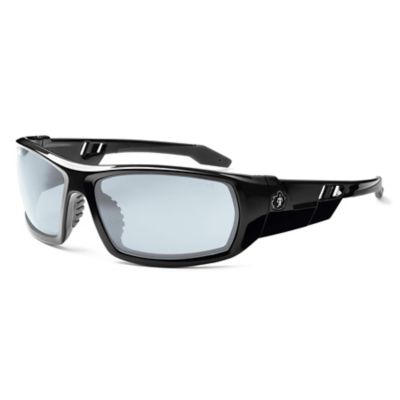
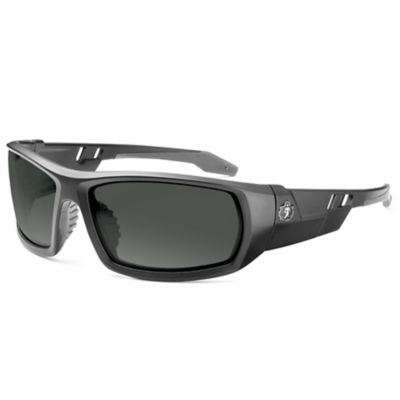
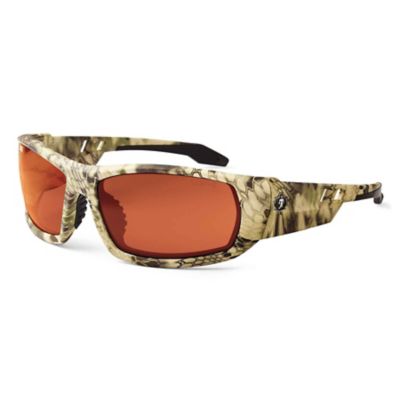
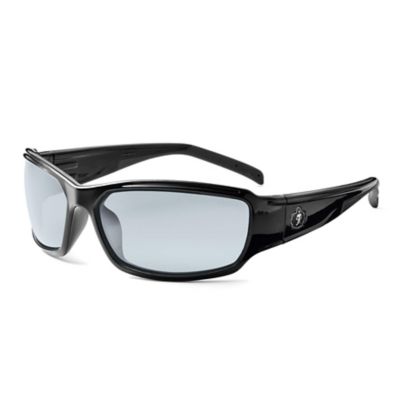
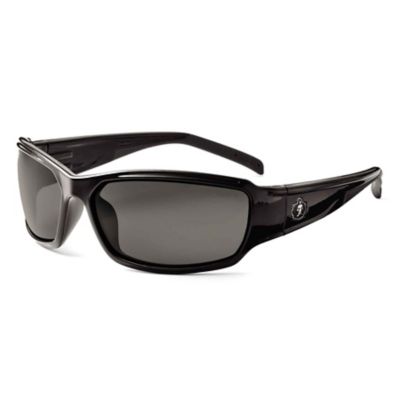
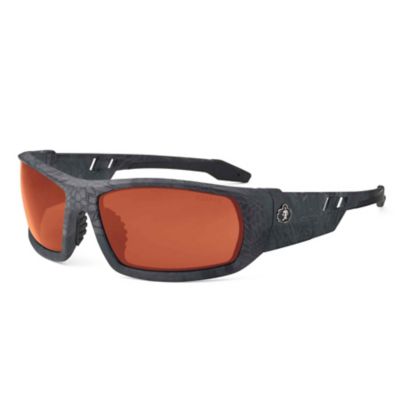
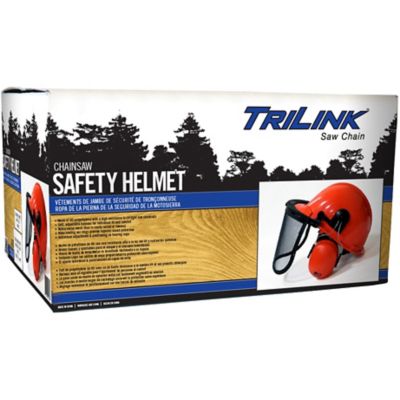
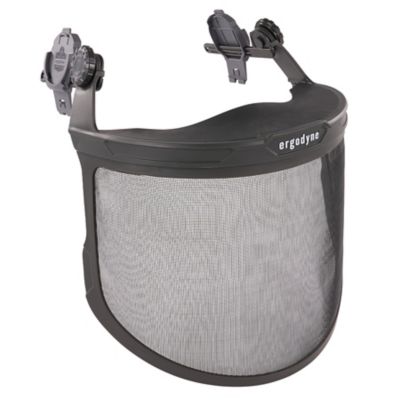
ANSI Z87.1 rated safety glasses provide eye protection for jobs that can send chips, fragments, and other debris toward the face, from drilling a steel bracket to cutting boards for a fence repair. The designation refers to the American National Standards Institute’s standard for occupational and educational eye and face protection. ANSI establishes standards; it does not test or certify individual pairs of glasses. Protective eyewear manufacturers identify compliance through required markings and supporting product information, so those details matter more than a frame’s rugged appearance. Within the standard, Z87 identifies basic-impact protection, while Z87+ identifies high-impact protection, including high-mass and high-velocity impact testing. That plus sign is an important distinction around flying fragments, though no rating makes eyewear suitable for every task. The complete eyewear assembly needs to meet the requirements for its intended protection; a lens material alone does not establish compliance. Additional markings describe separate capabilities: D3 indicates droplet and splash protection, D4 indicates dust protection, and D5 indicates fine-dust protection. These designations are not automatic features of every pair of safety glasses. Open-sided eyewear can leave paths for liquid or airborne particles, and some jobs call for properly rated goggles rather than glasses. Other markings identify optical filtering, including U for ultraviolet protection, R for infrared protection, and L for visible-light filtering, with accompanying numbers indicating the filter scale. A dark lens by itself does not establish any of those capabilities. Farmers, ranch hands, mechanics, carpenters, and homeowners tackling repairs all have reasons to keep task-appropriate protective eyewear close at hand. Around a grinder, for example, flying metal and wheel fragments may call for high-impact eye protection along with a suitable face shield. A face shield supplements safety glasses or goggles rather than replacing them. Chemical handling, welding, and work with fine airborne dust bring different requirements, so the job’s hazard assessment, equipment instructions, and workplace rules remain the basis for selecting protection. Everyday sunglasses and ordinary prescription glasses are not substitutes for appropriately rated safety eyewear.
Comfort and coverage make a difference when protective glasses stay on through a full round of chores. Polycarbonate is a common safety lens material because it combines low weight with impact resistance, but the finished eyewear’s markings are still the deciding factor for its rating. Clear lenses suit many indoor shop and maintenance tasks where preserving available light matters. Tinted lenses can reduce brightness in suitable settings, while selecting too much tint for a dim barn aisle or equipment bay can make obstacles and small details harder to see. Lens color is not a shortcut for choosing welding protection or protection from other intense light sources. Wraparound shapes and side shields help extend coverage beyond the front of the eye, an important feature when a neighboring workbench or an angled cut sends debris sideways. Close coverage should come without eyelashes brushing the lenses or the frame pressing into the cheeks. A secure bridge, well-fitting temples, and balanced frame weight help glasses stay in place while someone bends over a mower deck, reaches under a trailer, or looks down to line up a fastener. Adjustable temples and soft nose pads can help accommodate different faces, while flexible frame materials may ease pressure during longer tasks. A snug fit should not mean pinching behind the ears or a headache across the bridge of the nose. People who wear prescription lenses may need prescription safety eyewear or an over-the-glasses design that fits without shifting either pair. Ordinary eyeglasses underneath do not supply the protective rating. Compatibility with other protective equipment matters, too: temples should not interfere with earmuff seals, and eyewear should sit properly alongside a respirator without compromising its fit. Anti-fog treatments can help maintain visibility, but their performance depends on the design, fit, and care of the lenses. Scratch-resistant coatings help reduce surface wear rather than making a lens scratchproof. Neither feature replaces impact protection, and neither removes the need to inspect eyewear before work begins. The most practical pair is one that matches the hazard and fits comfortably enough to remain in place throughout the task.
Protective glasses spend plenty of time near sawdust, grinding grit, grease, and dirty gloves, so their service life depends partly on how they are handled between jobs. Wiping a gritty lens with a shirt sleeve can drag particles across its surface, leaving scratches that scatter light and interfere with a clear view. Cleaning should follow the manufacturer’s directions, with approved cleaning solutions and a clean, soft cloth rather than shop solvents or abrasive towels. Some chemicals can harm lens materials, frames, or coatings even when the damage is not obvious at first glance. A protective case or clean storage pouch keeps lenses away from loose drill bits, hardware, and other rough surfaces in a toolbox. Glasses belong somewhere within easy reach before a task starts, not loose on a bench where the next project can bury or damage them. Inspection includes the lenses, bridge, temples, side shields, and any adjustment points. Cracks, loose parts, deep scratches, or a frame that no longer sits correctly are reasons to take eyewear out of service. Following a significant impact, replacement may be necessary even without obvious damage; manufacturer instructions should govern that decision. Replacement lenses and parts must also be approved for the frame so the protective assembly remains as intended. For tasks involving reflected glare, polarization is a separate lens feature worth understanding. Polarized lenses reduce certain reflected light, but polarization does not establish an ANSI Z87.1 impact rating or ultraviolet protection.
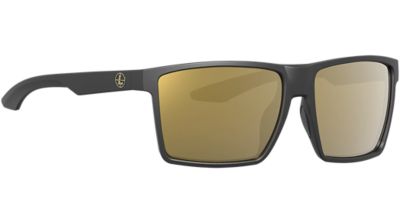
Scratch Resistant Polarized Sunglasses address related concerns about glare and surface wear, while hazardous work still calls for eyewear with the appropriate protective markings. Whether the setting is a farm shop, a construction site, or a garage workbench, safety glasses earn their place through suitable protection, clear vision, and a fit that stays put. Keeping them clean, checking their condition, and matching them to the actual job helps make eye protection part of the routine, right alongside securing the workpiece and checking the tool before getting started.