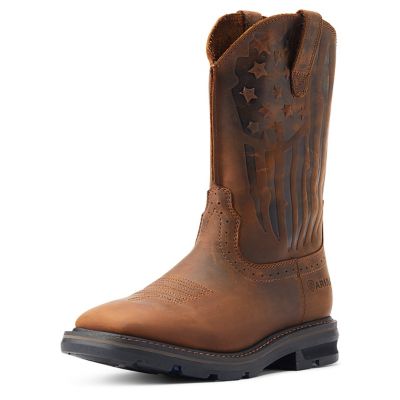
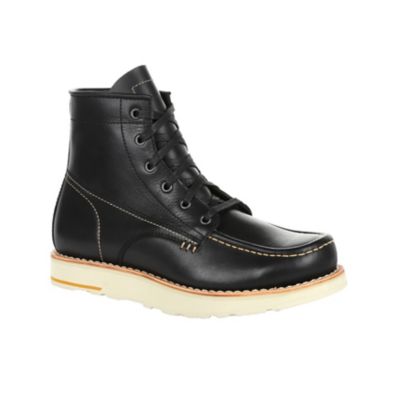
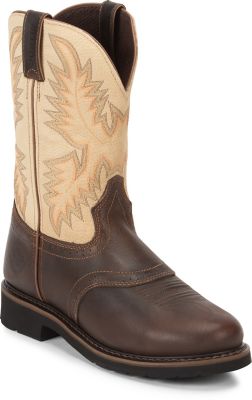
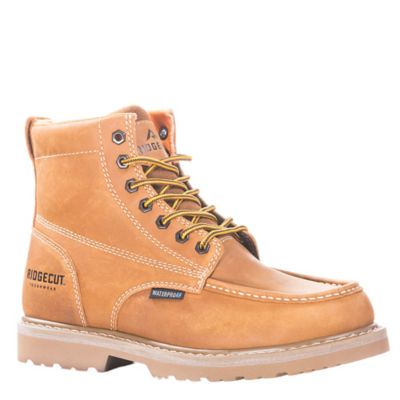
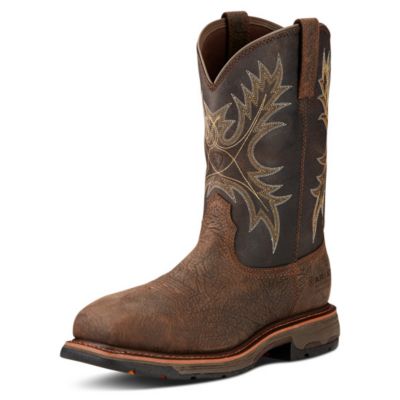
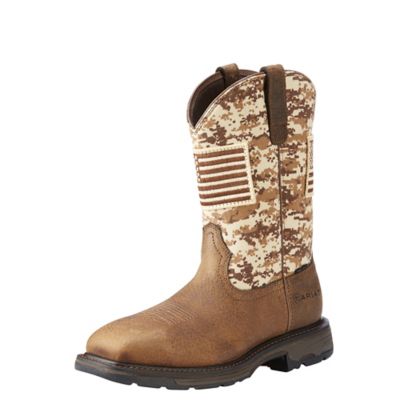
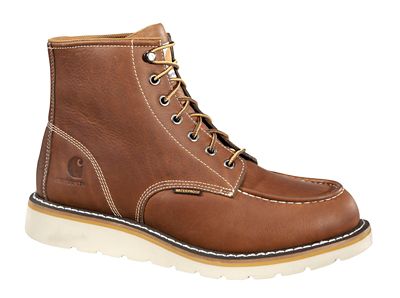
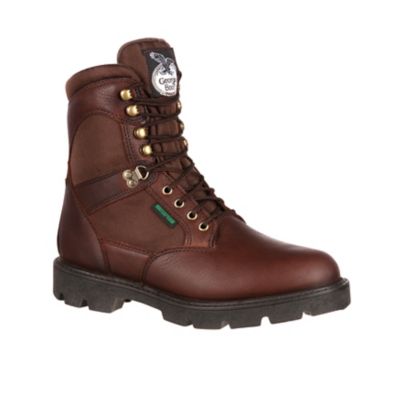
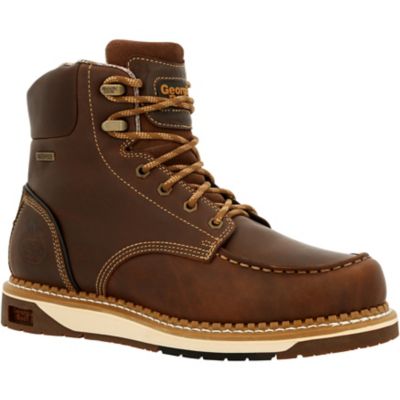
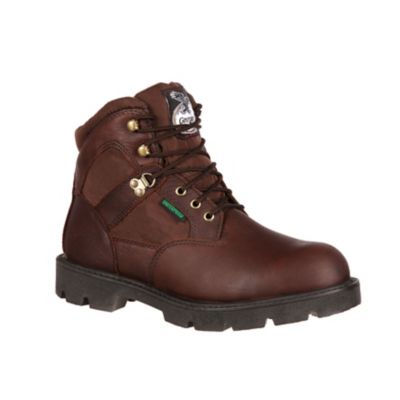
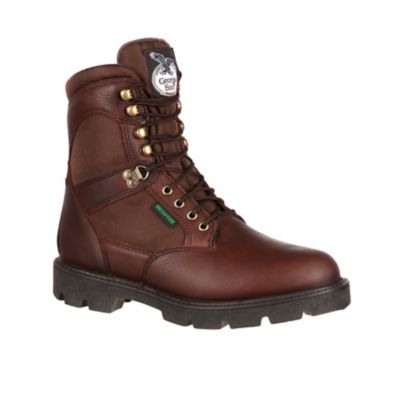
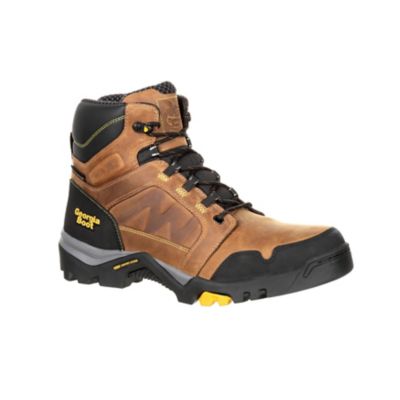
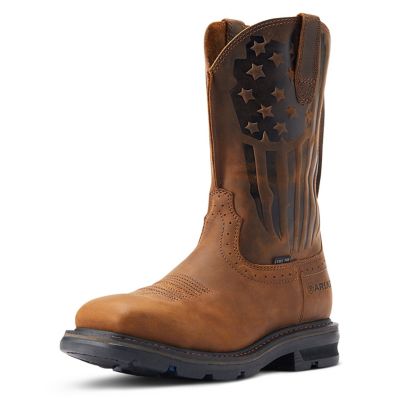
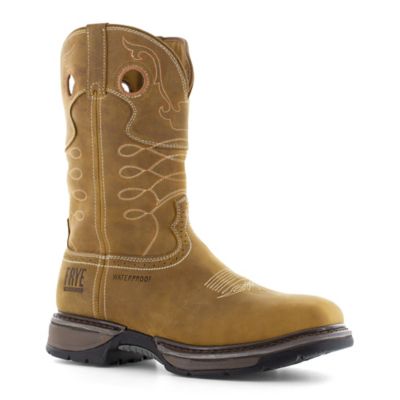
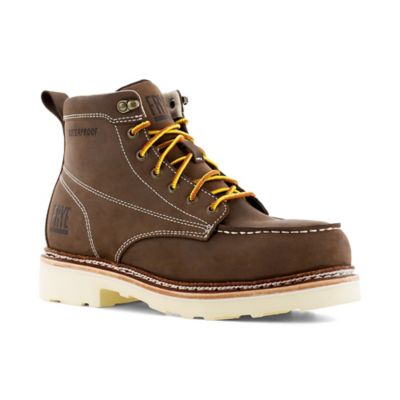
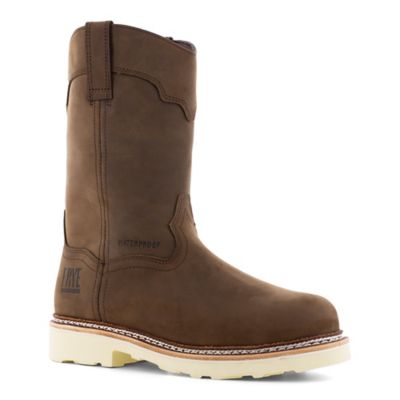
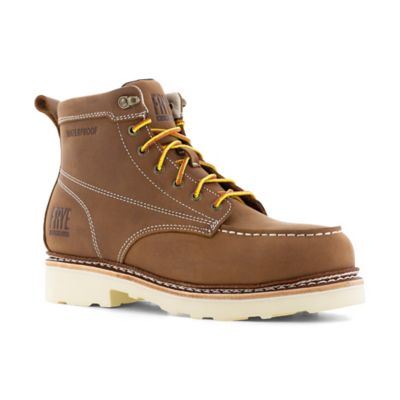
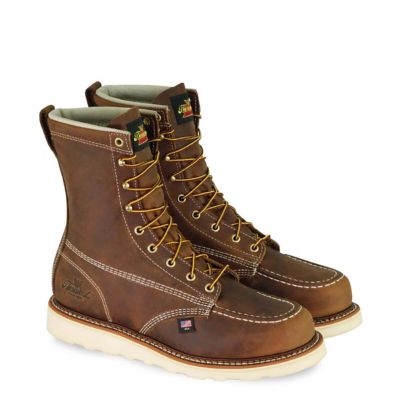
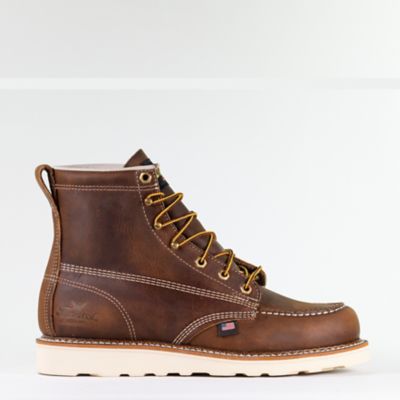
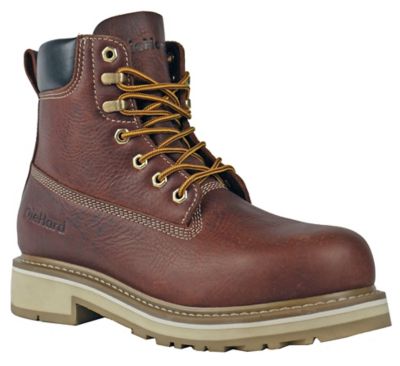
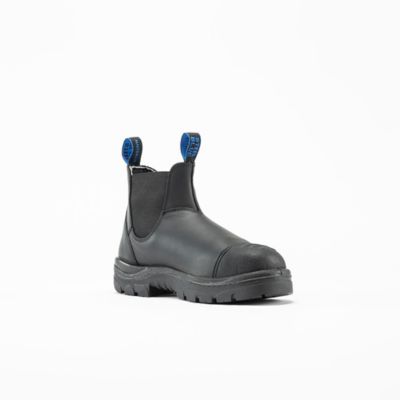
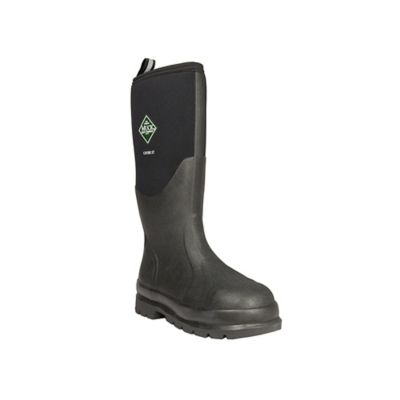
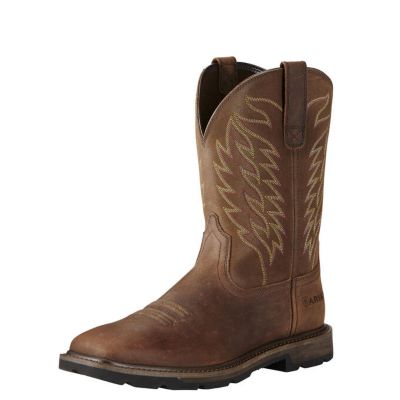
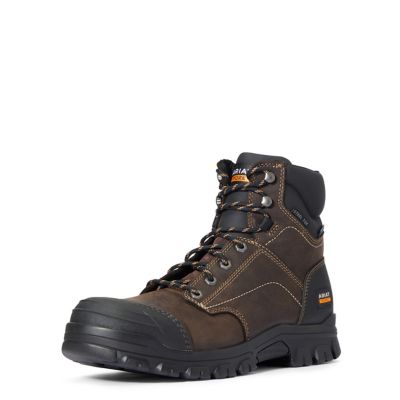
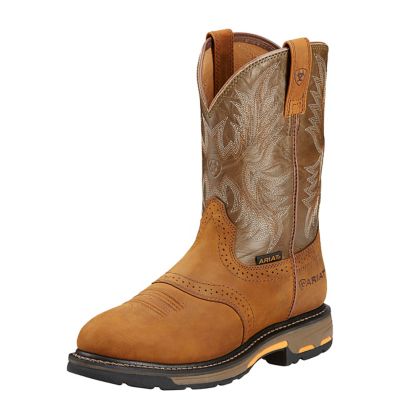
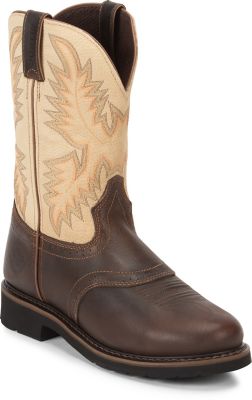
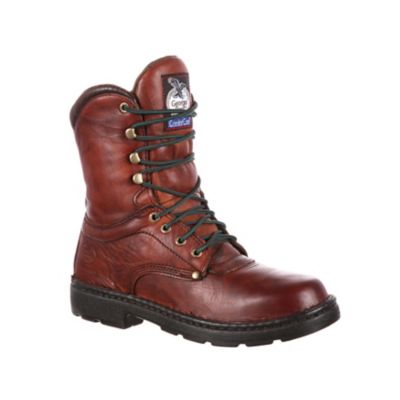
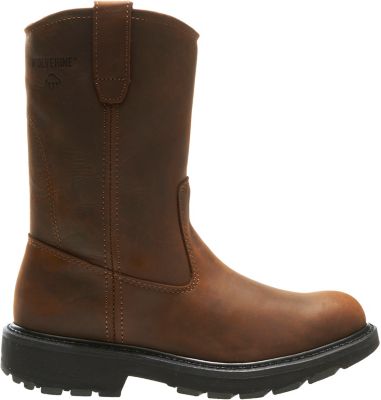
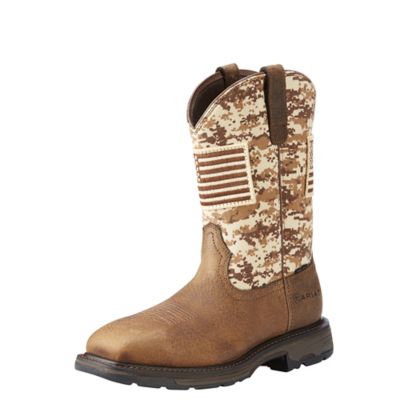
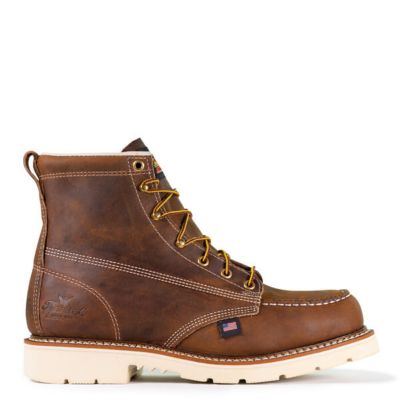
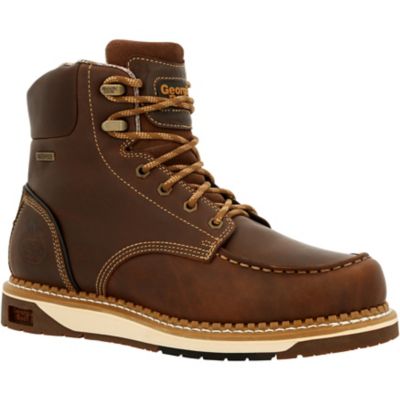
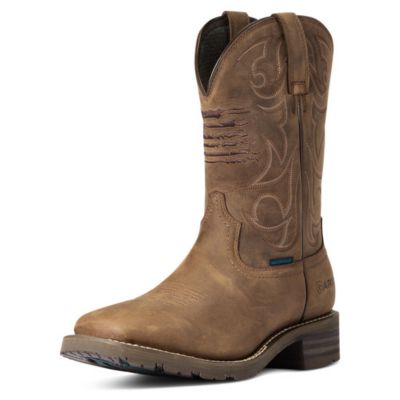
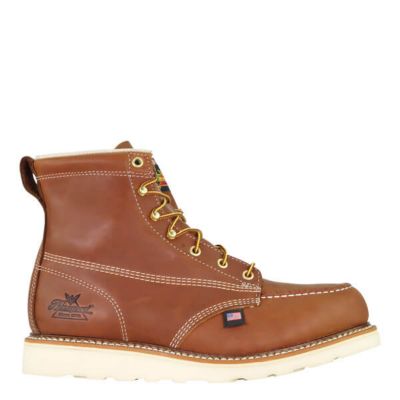
American Heritage Work Boots bring together the familiar look of a hardworking pair of boots with the construction details people count on around the farm, shop, jobsite and homestead. Built for folks who spend long hours on their feet, these boots often feature full-grain leather uppers, traditional moc-toe or round-toe designs, and sturdy welted construction that gives the boot a solid feel from heel to toe. Oil-tanned leather is a popular choice because it has a rich, broken-in appearance and can stand up to dust, light moisture, scuffs and everyday wear while developing more character over time. A well-made welt can also make the boots easier to maintain for the long haul, especially when the rest of the boot is still in good shape and the outsole eventually needs attention. Depending on the work at hand, shoppers can choose from soft-toe, steel-toe or composite safety-toe styles, along with options rated for electrical hazard protection. Safety features should always match the requirements of the job, so check workplace rules and the boot’s specific rating before making a purchase. Six-inch boots offer a balance of flexibility and ankle support for general work, while taller eight-inch designs can provide added coverage when walking through brush, loose gravel, wet grass or uneven ground. Pull-on Wellington styles are handy for quick trips outside, feeding chores and muddy conditions, while lace-up boots allow a more adjustable fit around the ankle and instep. These are the kinds of boots that fit naturally into a busy day—pulling on fencing wire in the morning, stacking feed before supper, then walking across a cool pasture to check a gate before dark.
Comfort matters just as much as toughness when a pair will be worn from sunup to sundown. Look for a supportive footbed, dependable heel cushioning and an outsole designed to absorb impact across hard floors, packed dirt and concrete. Shock-absorbing polyurethane wedge soles are common on heritage work boot styles and can help take some sting out of each step, particularly for workers who spend the day on shop floors or other unforgiving surfaces. Slip-resistant tread is another useful consideration around livestock areas, equipment sheds, garages and workspaces where water, oil or loose material may collect. Keep in mind that no outsole replaces good footing and awareness, especially on slick slopes or wet boards. Full-grain leather usually needs some break-in time, even when the boot feels comfortable right out of the box. Wear new boots for shorter stretches at first, use the socks you normally wear for work, and give your feet time to adjust before tackling a long day on the job. Fit should be snug through the heel without pinching, with enough room for the toes to move naturally. Try boots on later in the day, when feet have expanded from walking, and account for the thickness of your everyday work socks. A little care goes a long way, too. Brush away dried mud, let wet leather dry at room temperature, and use a conditioner made for the type of leather rather than placing the boots near a heater or stove. That slow, steady approach helps preserve the leather and keeps the boots looking at home beside a tool chest, tractor seat or back porch door. Shoppers interested in traditional domestic workwear can also browse
American Made Men's Work Boots for more options with a classic, hardworking feel.
American Heritage Work Boots make a practical choice for farmers, ranchers, construction crews, mechanics, warehouse workers, landscapers, truck drivers and anyone whose day includes more standing, walking and lifting than sitting. They can handle regular chores such as repairing fence, loading a trailer, cutting firewood, tending animals or working on machinery, while still looking presentable enough for a trip into town after the job is done. A soft-toe pair may suit general outdoor work and everyday wear, while a safety-toe design is better suited to environments where falling or rolling objects are a concern. For muddy ground or changing weather during the warmer and cooler parts of the year, leather boots with a properly cared-for upper offer useful protection without feeling out of place in a rural wardrobe. They are also a thoughtful gift for a new farmhand, apprentice, tradesperson, outdoorsman or family member who is always wearing out their footwear. When giving boots as a gift, it helps to know the recipient’s size, preferred toe style, usual work conditions and whether their employer requires a particular safety rating. If that information is uncertain, a gift receipt can make the exchange easier. The best pair is not necessarily the heaviest one on the shelf; it is the pair that matches the wearer’s job, fits securely, provides the right protection and feels comfortable enough for a full day of honest work. With the right care, a good pair of heritage-style boots picks up the marks of the miles traveled—dust along the welt, creases across the vamp and a softened collar around the ankle—until they feel less like something new and more like a dependable part of the daily routine.