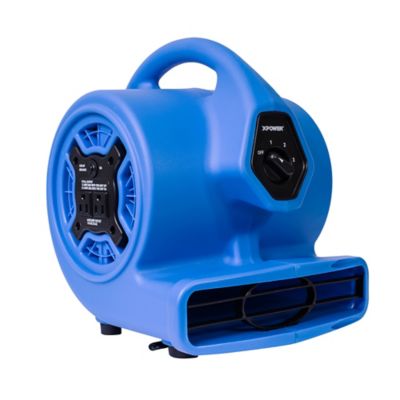
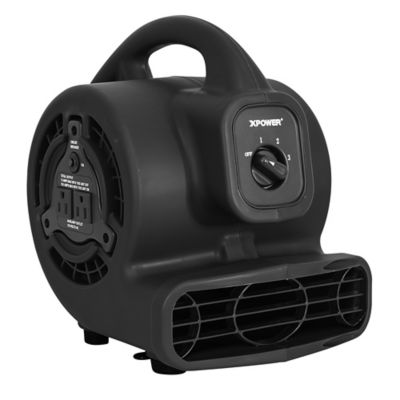
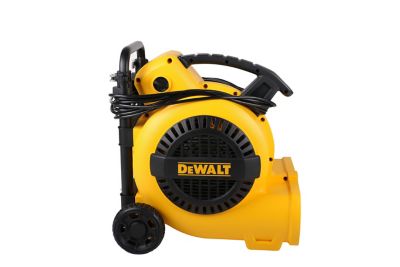
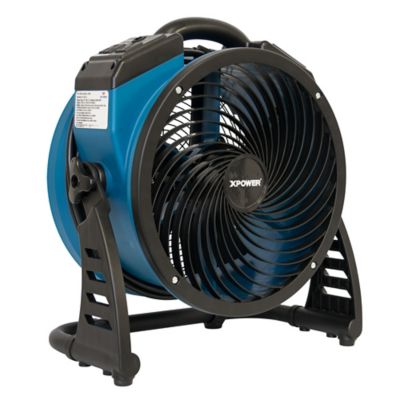
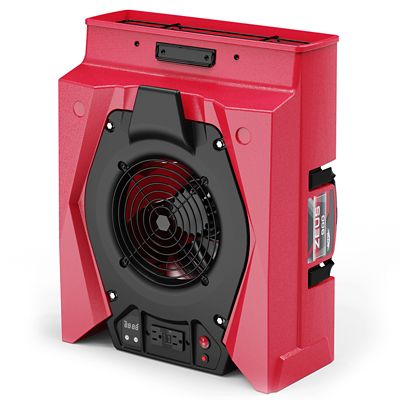
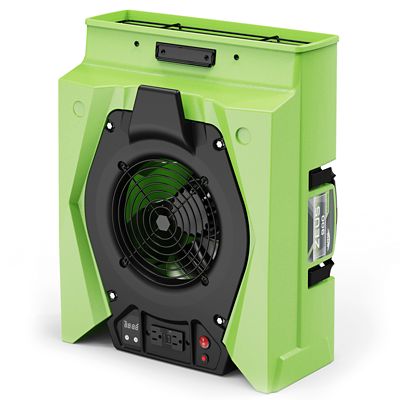
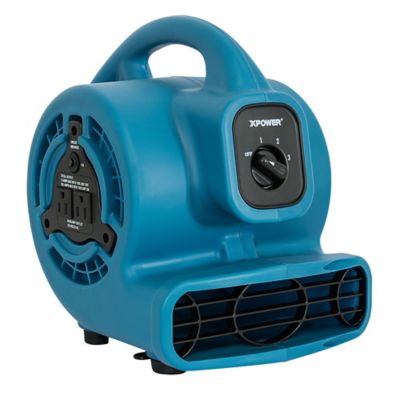
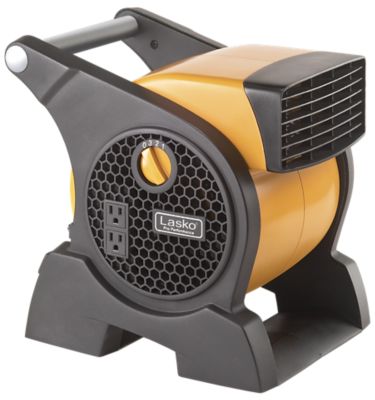
Air movers are heavy-duty blower fans built to move a high volume of air at a steady, forceful rate. They help speed evaporation, circulate air through work areas, and dry surfaces that would otherwise stay damp for hours or even days. Around a farmhouse, shop, barn, rental property, or busy home, an air mover can be useful after tracked-in rain, a spill, carpet cleaning, a plumbing mishap, or a fresh coat of paint. Restoration crews often use them to dry wet carpet, flooring, baseboards, and lower walls, while contractors may set them up during remodeling to keep air moving through enclosed rooms. They can also help ventilate workshops, garages, utility rooms, and other spaces where air feels stale or heavy. During the warmer part of the year, the added circulation can make a work area feel more comfortable, though air movers are designed primarily for drying and ventilation rather than replacing an air conditioner. When the weather turns cooler and windows stay closed, they can help keep air moving during indoor projects without taking up much floor space. For broader airflow needs, shoppers may also want to explore
Utility Fans, which are suited to general circulation and ventilation in larger work areas.
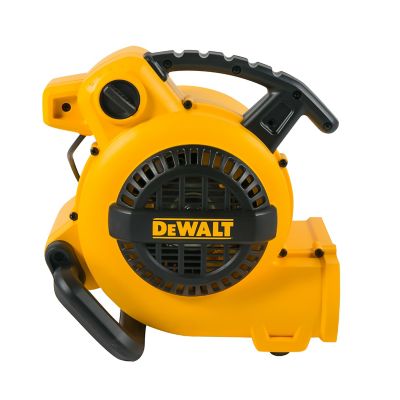
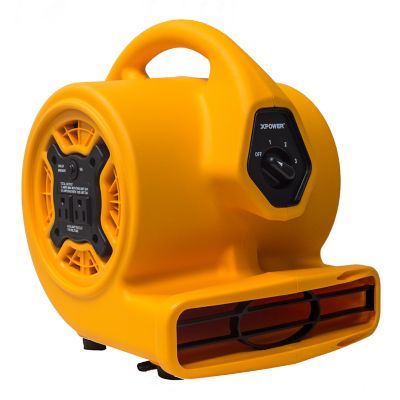
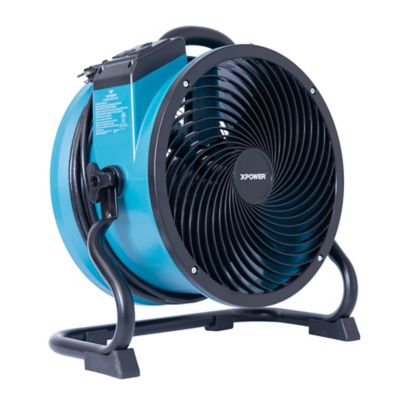
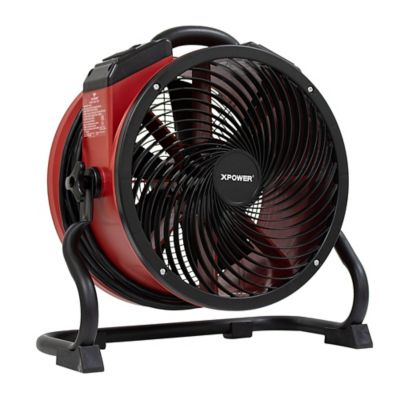
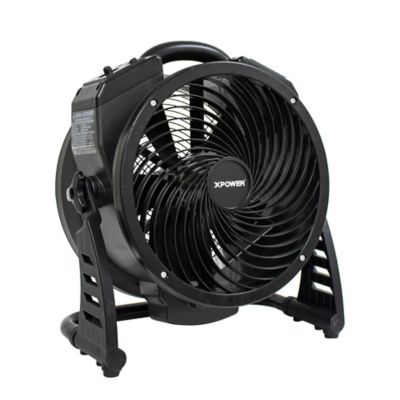
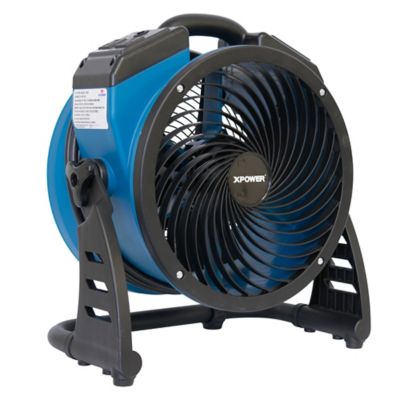
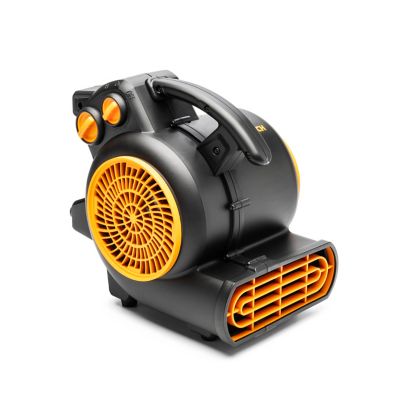
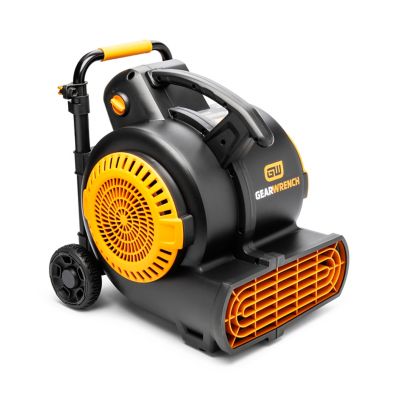
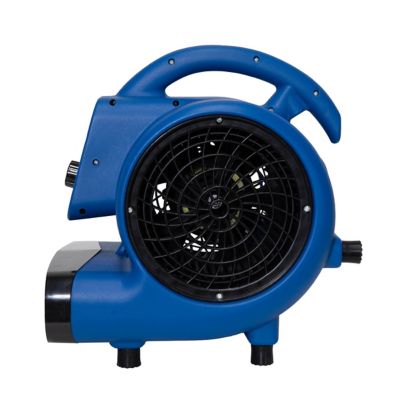
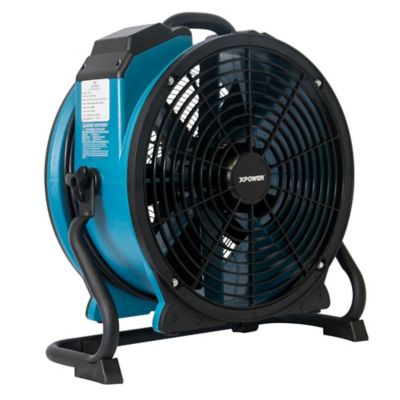
When comparing air movers, start with the job and the space rather than choosing by appearance alone. Airflow is commonly listed in CFM, or cubic feet per minute, which indicates how much air a unit can move. Compact models may provide around 600 CFM and work well for smaller rooms, isolated wet spots, or tight spaces, while larger units can reach 3,000 CFM or more for demanding drying jobs and wide-open areas. A centrifugal or utility-style blower sends a concentrated stream of air across floors, carpets, walls, and other targeted surfaces. These are handy when a wet patch needs focused attention, such as carpet along a hallway, a damp section of subfloor, or a wall that took on moisture near a doorway. Axial air movers push a larger volume of air across a broader area, making them useful for room ventilation, general circulation, and drying zones where airflow needs to reach farther. Low-profile and compact designs can fit beneath cabinets, along walls, or in narrow work areas, and many are stackable for easier storage and transport. Adjustable operating angles add another layer of control; a unit that can aim air at floor level, toward a wall, or up toward a ceiling gives you more ways to reach damp surfaces and keep air circulating through the whole room. In a real cleanup, positioning often matters as much as power. Aiming air across a wet floor can help moisture lift from the surface, while directing airflow up a wall can support drying around trim and lower drywall. Leave room around the intake and outlet, keep the unit on a stable surface, and follow the manufacturer’s instructions for use around water, extension cords, and electrical outlets.
Other practical details can make a big difference when an air mover becomes part of your regular setup. Look for multiple speed settings when you want to start gently around loose papers or freshly finished surfaces and increase airflow for wet carpet or tougher jobs. A sturdy housing, a comfortable carry handle, and a cord wrap can make a blower much easier to move from the basement to the barn or from one side of a jobsite to the other. Stackable construction is helpful for storage in a crowded shed or work truck, while a compact footprint leaves more room in a hallway or small utility room. Some air movers include auxiliary outlets that allow units to be daisy-chained, meaning several blowers can be connected while using a single wall outlet; this can be convenient for larger drying areas, but the total electrical load must stay within the outlet and circuit limits. Consider noise, too, especially when a unit will run near living spaces, offices, or overnight. A higher-CFM blower may finish a large job faster, but several smaller units can offer more flexible placement around furniture, doorways, and corners. Air movers make practical gifts for a new homeowner, property manager, flooring installer, painter, contractor, or anyone who keeps a shop or outbuilding in working order. They are especially useful for folks who like to handle routine cleanup themselves, from drying a muddy entryway after a storm to clearing moisture from a freshly washed vehicle interior. Choose the airflow, angle range, size, power features, and portability that match the work at hand, and an air mover can become one of those dependable tools that earns its place whenever wet weather, repairs, painting, cleaning, or everyday ventilation calls for stronger air circulation.