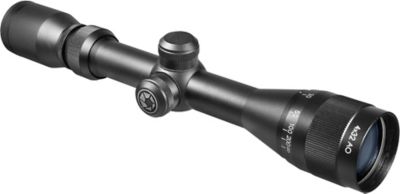
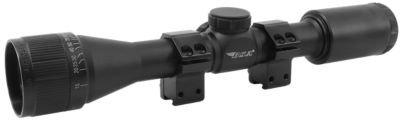
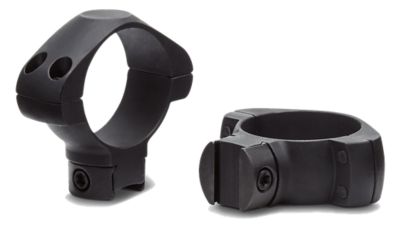
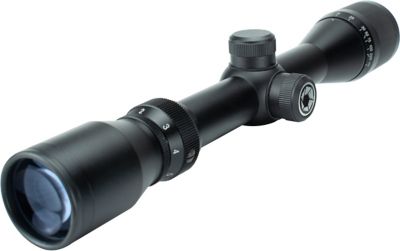
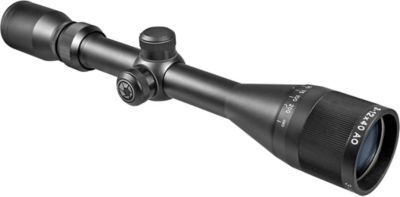
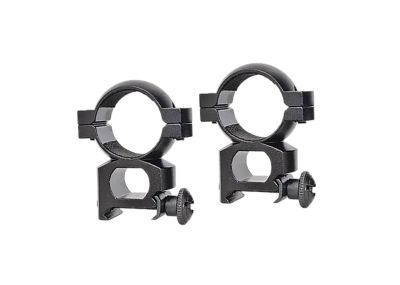
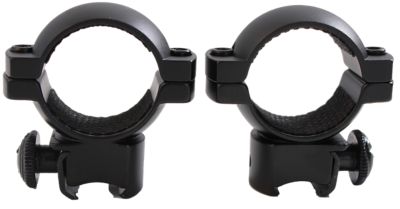
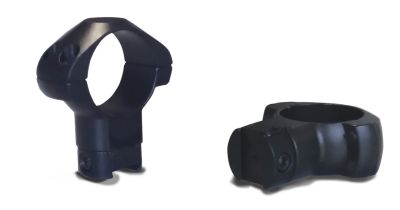
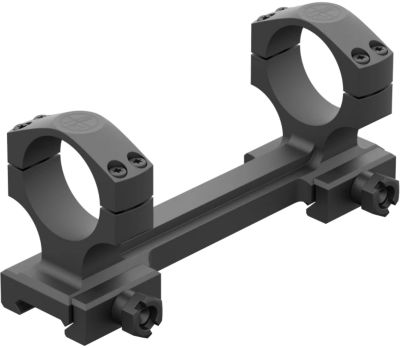
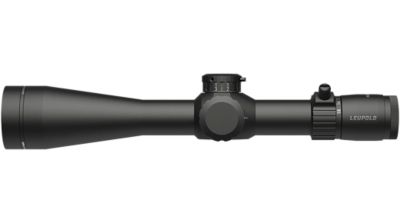
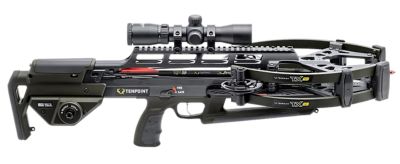
Airgun accessories support steady aiming, a compatible air supply, routine care and safe target practice. The right setup depends on how an airgun operates, what its owner wants to do and how well each accessory fits the equipment already on hand. For backyard target practice where permitted, a trip to the range or supervised instruction, useful accessory categories include sighting equipment, mounts, targets, air-supply equipment, protective cases and cleaning supplies. Fit matters more than adding every possible extra. A scope needs enough clearance and a comfortable viewing position, while its mounting system must match the airgun’s mounting interface and the scope’s tube dimensions. Spring-piston airguns can produce recoil in two directions, so an optic intended for a different shooting platform may not be suitable. Manufacturer ratings help establish whether a scope and its mounts belong on that particular airgun. Weight deserves a little thought, too. A heavy optic can feel fine at a shooting bench but make an otherwise handy airgun tiring to hold during standing practice. Aluminum components can help keep weight down, while steel hardware provides strength at fastening points. Protective finishes help metal surfaces stand up to handling, and smooth edges are easier on hands and carrying cases. Shooting rests and support bags can make bench sessions more comfortable without adding permanent weight to the airgun itself. Their size and shape should suit the shooting position, with fabric or padded contact surfaces that protect the stock’s finish. For transport, case dimensions need to account for an attached optic, not just the length of the barrel and stock. A snug compartment that presses hard against a scope is no favor to the equipment. Well-placed padding, sound stitching and secure closures help keep everything together between the storage cabinet, vehicle and range bench. Small compartments also keep lens cloths, paperwork and other light accessories from rattling against finished surfaces.
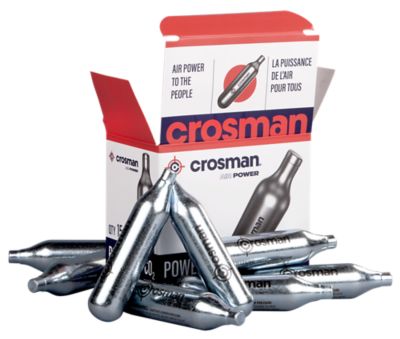
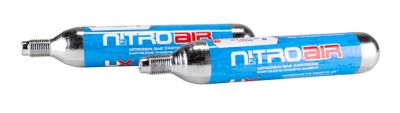
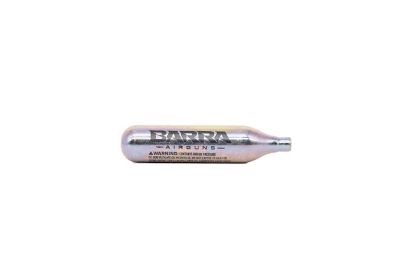
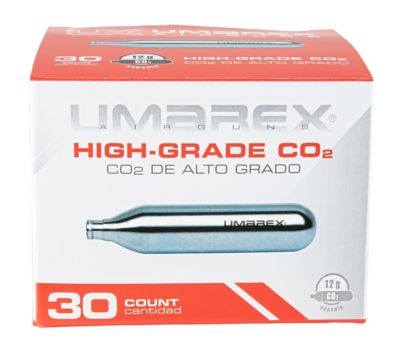
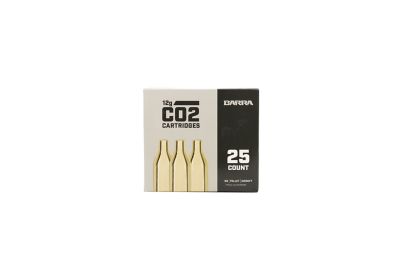
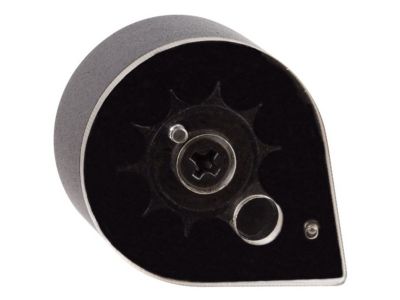
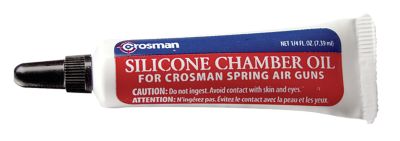
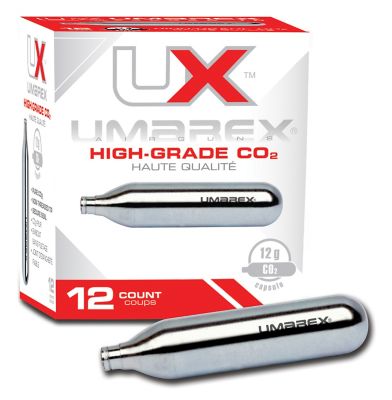
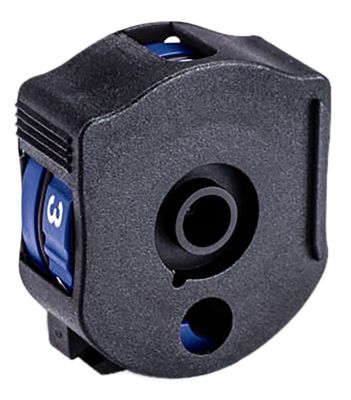
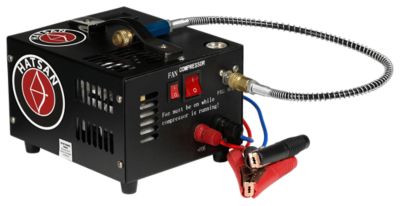
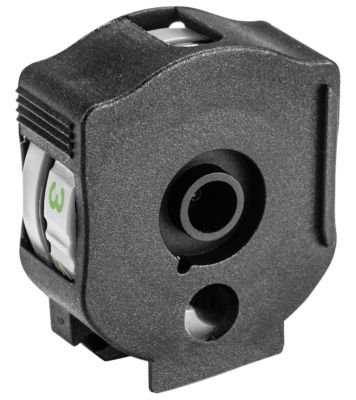
Air-supply accessories need to match the airgun’s operating system rather than simply look like they fit. CO2-powered airguns, precharged pneumatic airguns and spring-powered models have different requirements, and equipment for one system does not automatically belong with another. For a precharged pneumatic airgun, fill equipment must be compatible with the manufacturer’s specified pressure limits, connection type and air requirements. A connector that appears close in size is not enough to establish compatibility. Clear pressure markings, readable gauges and manufacturer documentation help an owner assess suitable equipment without guesswork. CO2 cartridges likewise need to match the format specified for the airgun, and seals should be compatible with both the system and any care products that contact them. Air-supply equipment is not a place for improvised adapters or attempts to increase an airgun’s output. Maintenance supplies deserve the same attention to fit and materials. Airgun-compatible cleaning tools, nonabrasive cloths and suitable care products help address fingerprints, dust and residue without treating every surface the same way. Metal finishes, synthetic stocks, wood stocks, lens coatings and internal seals can have different care requirements. A solvent suitable for one application may damage another, so the owner’s manual remains the reference for cleaning and lubrication. Excess lubricant can create trouble rather than prevent it, especially when it reaches areas where the manufacturer does not permit it. For regular target shooters, a few well-matched care supplies in a separate pouch are easier to manage than loose bottles and tools rolling around beside the airgun. Lens covers help protect glass between sessions, while a clean lens cloth keeps gritty shop rags away from coated optics. Before equipment goes back into storage, checking for loose case stitching, worn padding, damaged connectors or leaking containers can catch small problems before the next outing. Storage conditions and the handling of pressurized equipment should always follow the manufacturer’s directions.
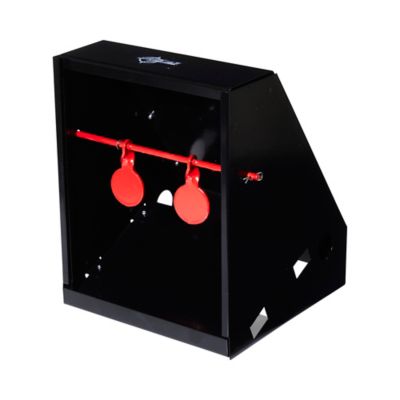
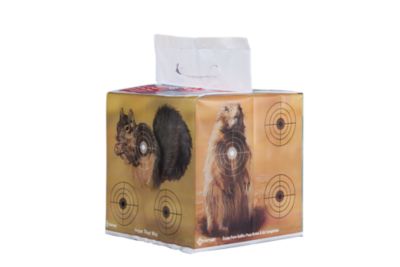
Targets, backstops and shooting supports shape the experience as much as sighting equipment does. Paper targets offer a straightforward way to see shot placement, while targets with more visible aiming areas can be easier to read from the bench. Target holders and pellet traps need to be rated for the projectile type and the airgun’s energy at the intended distance. A trap meant for one application should not be assumed suitable for every airgun, and BBs and pellets are not interchangeable unless the airgun manufacturer expressly allows both. Hard surfaces can send projectiles back toward the firing line, making target construction, backstop placement and the area beyond the target important parts of any setup. Eye protection belongs with the rest of the shooting gear, including for people watching nearby. A lawful shooting location, a controlled firing area and responsible adult supervision for younger participants matter more than any accessory. Airguns are not toys, and a padded carrying case is not a substitute for secure storage that prevents unauthorized access. For households with more than one shooting platform, keeping equipment clearly organized can prevent mix-ups. Accessories intended for an airgun should not be assumed compatible with a firearm, or the other way around; shoppers outfitting a separate firearm setup can explore
Bolt Action Rifle Accessories with that distinction in mind. As gifts for an adult target shooter or someone learning under proper supervision, airgun accessories make the most sense when they suit the recipient’s exact equipment and usual shooting routine. The airgun’s model information, mounting dimensions and operating system are more useful than a guess based on appearance. Someone who practices at a bench may appreciate support and target-management accessories, while a shooter who travels to a range may put more value on protective storage and organized carrying space. A sensible selection keeps the focus on comfortable handling, proper equipment care and a safe place to enjoy target practice.