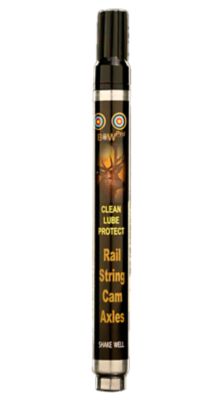
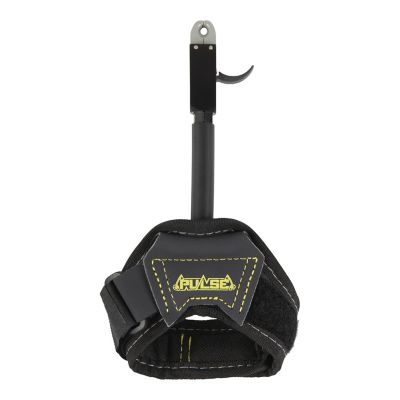
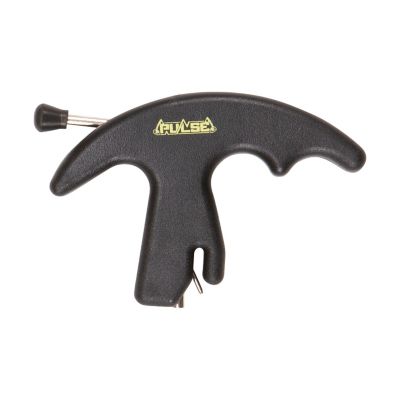
Archery tools help keep bows, arrows, and shooting accessories set up for consistent performance, whether the next stop is a target range, a hunting property, or a safe practice lane out behind the barn. They cover several jobs: measuring bow setup, adjusting hardware, caring for strings, holding equipment steady, and building or repairing arrows. Bow squares measure brace height and tiller and help establish a nocking-point position, giving archers a reference for checking setup against the bow maker’s specifications. Allen wrenches fit the hex-head fasteners found on many sights, arrow rests, and other accessories. The right wrench size matters more than extra leverage; a snug fit helps protect small bolt heads from rounding. Depending on the equipment, an archery tool kit may need both metric and SAE sizes. String wax supports care of compatible bowstring fibers, while D-loop pliers help seat and tighten the cord loop that connects a release aid to a compound bow’s string. These tools serve different purposes, so compatibility with the bow and its components is a better starting point than simply filling a toolbox. A recurve archer checking brace height has different needs from a compound bowhunter checking sight hardware before practice. Traditional bow setups may call for a properly fitted bow stringer, while more involved compound bow service can require specialized shop equipment. For someone getting started, compact adjustment and measuring tools can support routine checks without taking up much room in a bow case. Experienced target shooters, bowhunters, and folks who maintain equipment for several family members may have reason for a broader bench setup. Across those situations, archery maintenance tools help make small changes measurable and keep routine care organized. A clear scale, a handle that feels secure, and a wrench that reaches a recessed fastener can matter when there is little room to work around a sight bracket or arrow rest.
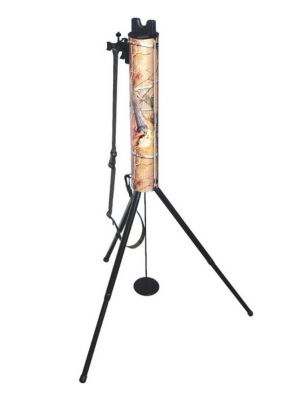
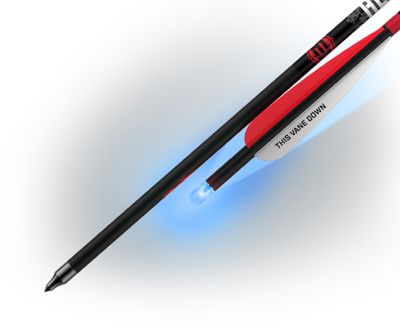
At the workbench, archery tuning tools provide support and control that can be hard to get while balancing a bow across a lap. A bow vise holds the bow steady for tasks such as leveling sights and fitting accessories; padded contact points help protect finishes, while adjustment range determines whether the vise can hold a particular bow securely. A bow press serves a different purpose, relieving tension on compatible compound bows for certain string, cable, and cam-timing work. Press compatibility is essential because limb shape, bow geometry, and manufacturer requirements vary. This is specialized service equipment, not a substitute for a vise, and work involving stored bow energy belongs with someone trained for the task. Arrow-building tools have their own fit requirements. Fletching jigs hold an arrow shaft and position vanes or feathers at consistent spacing while adhesive sets. Clamp style, shaft clearance, and straight, offset, or helical fletching options all influence whether a jig suits the intended arrow setup. An arrow saw cuts compatible shafts to length, and an arrow squaring tool helps prepare an even end for component fit. Shaft material matters here: carbon and aluminum need equipment and procedures suited to their construction, with appropriate eye protection and dust control during cutting. The tools themselves also deserve a close look. Hardened steel working ends can resist wear at frequently adjusted fasteners, while aluminum tool bodies can reduce weight in a portable kit. Smooth edges, readable markings, replaceable wear parts, and stable bases contribute to long service life and easier handling. For a bench tucked into a garage or farm shop, mounting space and lighting may matter as much as the tool’s size. There needs to be room for bow limbs and full-length arrows without bumping a wall, shelf, or nearby equipment. Tools that hold their settings and support repeatable measurements are especially helpful when checking several arrows or returning a bow to a recorded setup.
Choosing archery tools comes down to the work an archer actually handles and what is better left to a bow technician. A small field kit favors portability: compact wrenches, suitable string-care supplies, and measuring tools that stay protected inside a case. A home workbench puts more emphasis on stability, access, and keeping parts separated. Small screws, clamps, and measuring attachments are easier to keep track of in divided storage than loose at the bottom of a gear bag. Comfort counts, too. Handles should offer control without crowding neighboring components, and tool length should suit the available working space rather than encourage overtightening. Where a component specifies a tightening torque, a torque tool with the appropriate range helps keep adjustments within that requirement. Maintenance needs vary by tool, but clean contact surfaces, dry storage, and protection from grit help preserve fit and function. Adhesive buildup on fletching clamps can interfere with how a vane sits, while dirt on measuring faces can affect a reading. Cleaning methods should match the tool maker’s directions, especially around plastics, coatings, and bonded parts. Bowstring care also depends on the string manufacturer’s recommendations; wax is not a repair for damaged strands, and visible damage calls for inspection before further shooting. These details matter whether an archer shoots a handful of arrows after chores or spends hours refining a target setup. Well-matched equipment makes routine maintenance less awkward, but no tool replaces checking the bow’s manual or getting qualified help with unfamiliar service work. For gift giving, it helps to know the recipient’s bow type, arrow materials, and existing setup before choosing tools with narrow compatibility requirements. Someone who enjoys rebuilding arrows may appreciate equipment for careful bench work, while an archer who travels light may value tools that fit neatly in a range bag. The
Gifts for Archers page offers another place to explore the hobby with that person’s shooting routine in mind. The best match is equipment that fits the archer’s gear, supports the tasks they take on, and has a practical place beside the bow case or on the workbench.