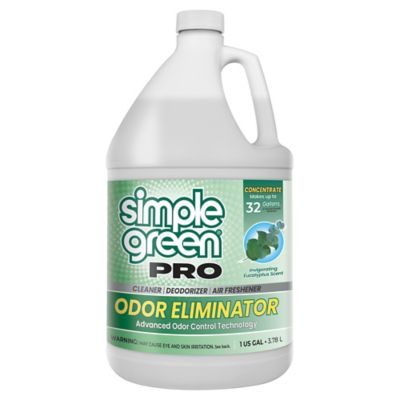
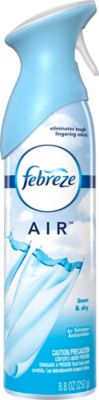
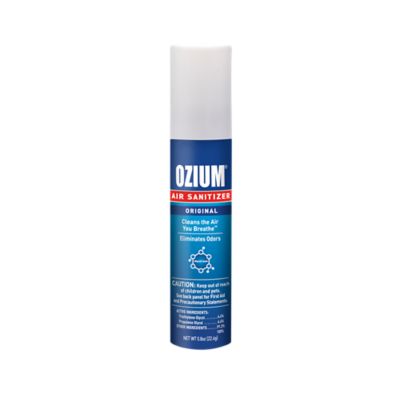
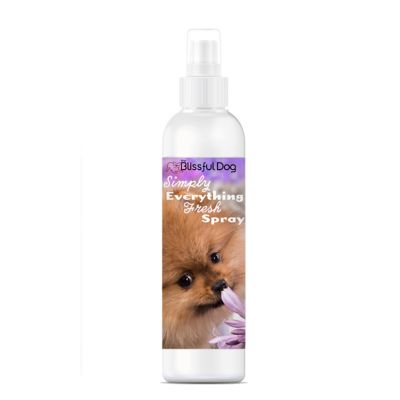
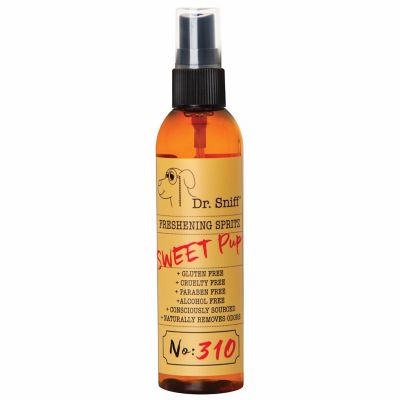
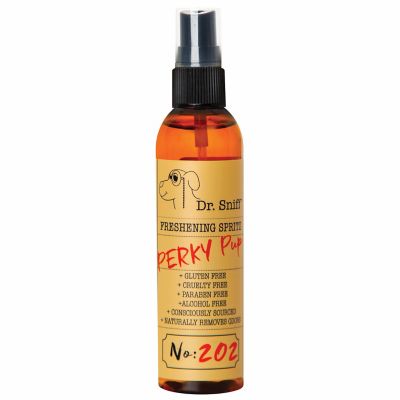
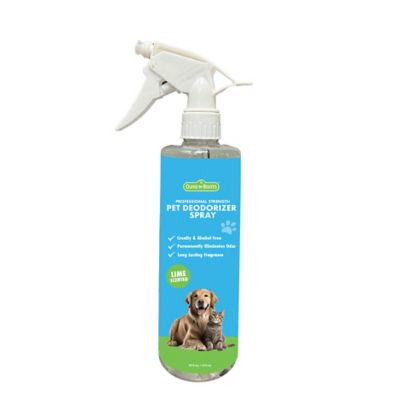
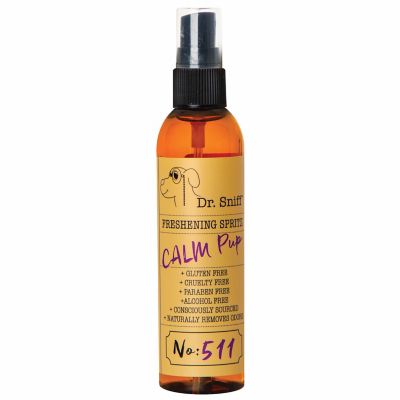
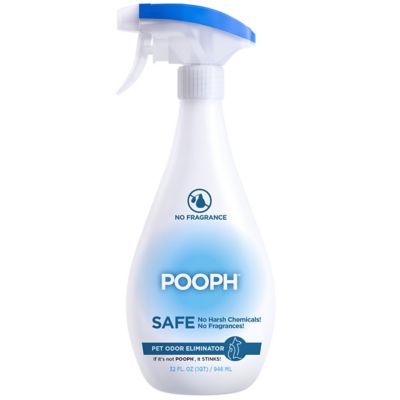
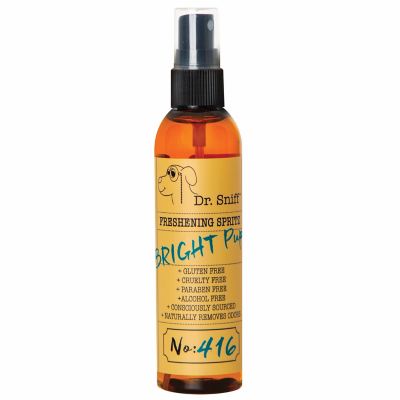
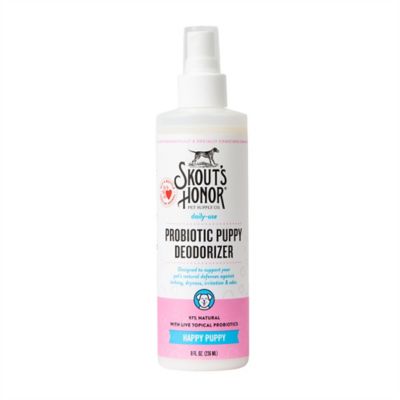
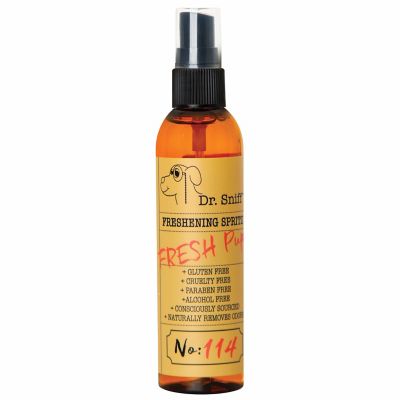
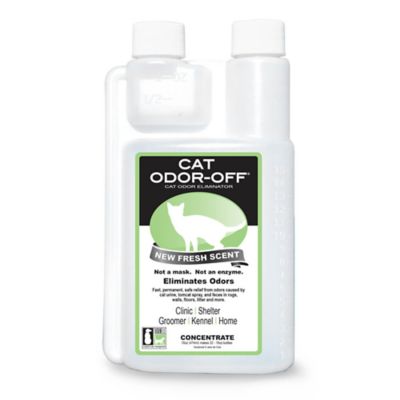
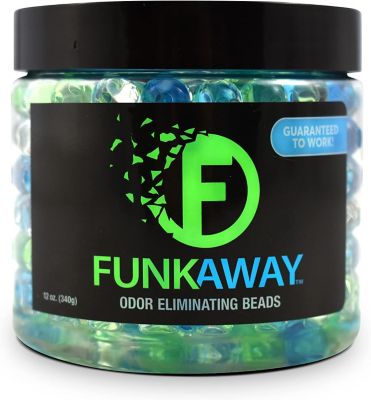
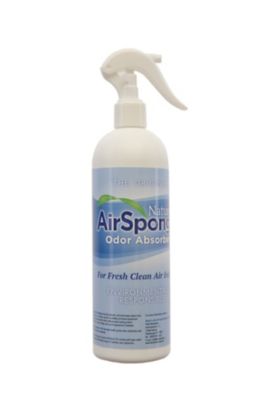
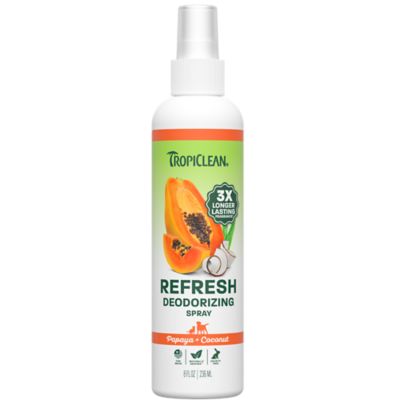
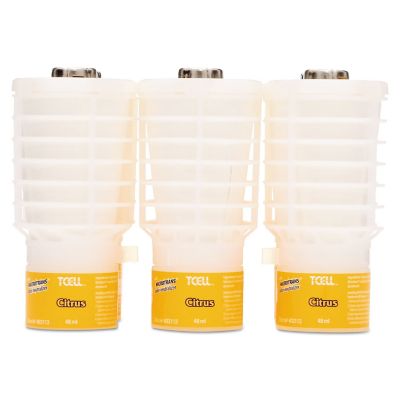
Air fresheners for pet odors help keep the places people and animals share feeling fresher, whether that means a farmhouse living room, a back-door entry with a dog bed, or a laundry room beside the litter box. Dogs and cats bring plenty of company, but their bedding, favorite chairs, and indoor routines can leave smells that hang around long after cleanup. The right type of freshener depends on where that smell starts and how much space needs attention. Room sprays offer a quick burst of fragrance or odor control, while gels, solids, and enclosed odor absorbers provide a more gradual approach without repeated spraying. Plug-in formats release fragrance over time, though their placement needs extra thought in homes with curious pets. Fragrance and odor removal are not the same thing: a scented freshener can make a room smell different without removing the compounds responsible for the original odor. Odor-neutralizing formulas act on certain odor-causing compounds, while absorbent materials capture some of them rather than adding another scent. Activated charcoal can adsorb certain airborne compounds onto its porous surface, and baking soda can help control some smells; results depend on the formula, airflow, placement, and strength of the odor. Neither material is a cure for every smell in a busy pet household. Unscented formats suit spaces where added fragrance would feel overpowering, while lightly scented options can bring a clean finish to rooms that already get regular attention. A small enclosed room with one litter box has different needs from an open living area where several dogs nap throughout the day. Matching the freshener’s labeled coverage and intended use to that space matters more than picking the strongest scent. Air fresheners work best as part of everyday housekeeping, alongside litter scooping, bedding care, and removal of pet messes. They add another layer of odor control, but they do not replace cleaning the spot that keeps sending the smell back into the room.
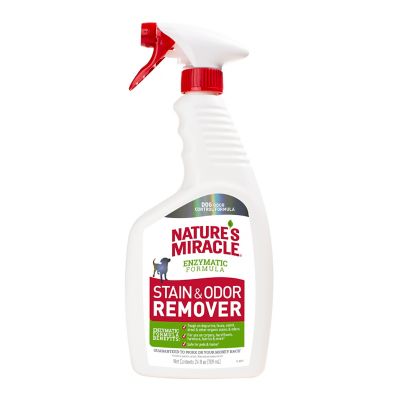
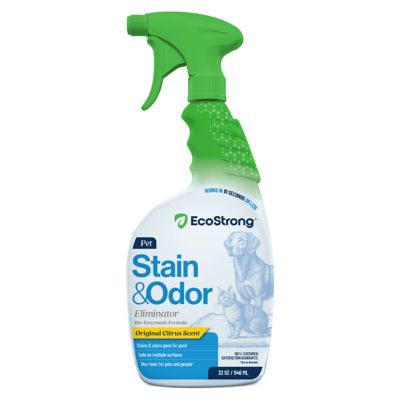
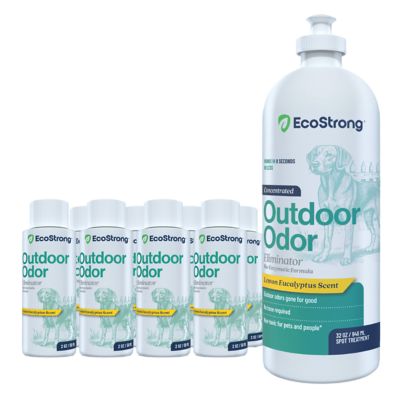
Pet odor often has two parts: what is floating through the air and what remains in carpet, upholstery, bedding, or a hard surface. An air-only spray belongs in the air according to its directions; it is not automatically suitable for a couch cushion, dog bed, or vehicle seat. Fabric and surface treatments need labeling that matches the material, especially around leather, finished wood, rugs, and upholstery that can stain or hold moisture. A small test in an out-of-sight area helps check compatibility when the label calls for it. Enzyme-based pet cleaners are intended to break down certain organic residues at the source, such as those left by urine or other pet messes. Their effectiveness depends on reaching that residue and having the contact time the formula requires, so they serve a different purpose from a fragrance spray across the room. For lingering smells tied to a particular spot,
Pet Odor Removers complement room freshening by addressing the area that needs attention. Washable bed covers, blankets, and crate pads also benefit from care that follows their fabric instructions, since a clean-smelling room can quickly turn stuffy again around bedding that needs washing. Animal safety is another part of choosing a formula, not something a pleasant scent can confirm. Plant-based ingredients and essential oils are not automatically safe for every pet. Birds are especially sensitive to airborne substances, and rabbits and other small animals also need careful consideration around sprays and strong fragrances. Labels should clearly support the intended setting and any use around the species in the home. Fresheners do not belong on an animal unless specifically labeled for that purpose, and sprays should stay away from faces, food, water, and occupied enclosures. Pets need to remain clear of treated areas for any period stated on the label. Persistent odors from an animal’s skin, ears, or mouth call for veterinary attention rather than a stronger room fragrance.
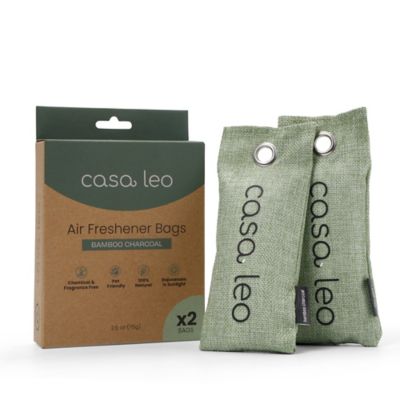
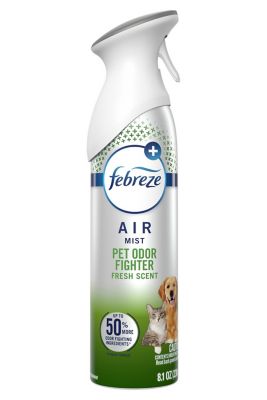
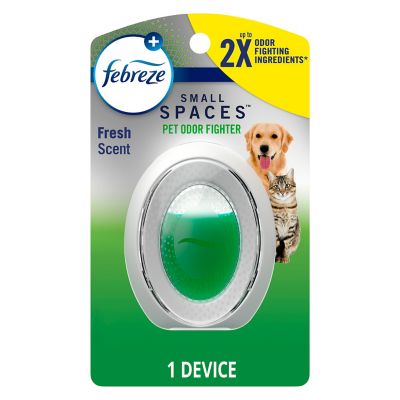
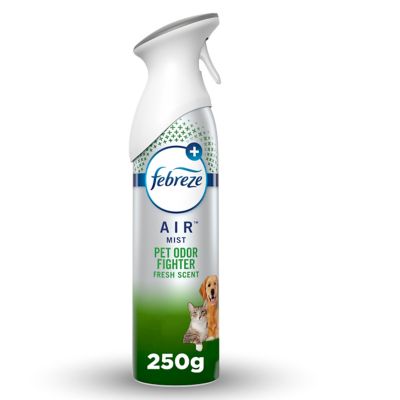
Everyday fit comes down to the container, the placement, and the amount of upkeep a household can manage. A pump spray gives control over when freshener enters the room, making it practical for occasional attention near an entryway or after routine cleanup. Aerosol sprays disperse differently, so their directions and ventilation requirements matter, especially in smaller spaces. Solid fresheners and gels generally sit in a designated spot, while enclosed charcoal formats may use a vented container or a breathable pouch. Those materials need exposure to surrounding air to do their job, but they also need protection from chewing, tipping, and spills. A shelf beyond a pet’s reach can make more sense than a corner beside the water bowl, provided the label permits that placement. Containers, pouches, and refills should stay where children and animals cannot get into them. Plug-in fresheners need a suitable outlet and the clearance described in their directions; an outlet behind a dog bed or next to a pet’s resting place is not a sensible match. Longevity varies with the formula, room size, airflow, and amount of odor present, so replacement intervals and any care instructions belong in the selection process. Some charcoal products include directions for refreshing the material, while other absorbers require replacement after their service period. Care should follow the particular label rather than a general rule for every format. In a work truck that regularly carries a dog, a freshener labeled for vehicle use needs secure placement away from paws and anything the dog might chew, along with regular cleaning of seat covers and mats. In a home with several pets, separate odor trouble spots may call for different formats rather than one heavily scented product in the hallway. A restrained scent, a container that fits the space, and a formula suited to the job make pet odor control easier to work into daily life, leaving room for the animals without letting their smells take over.