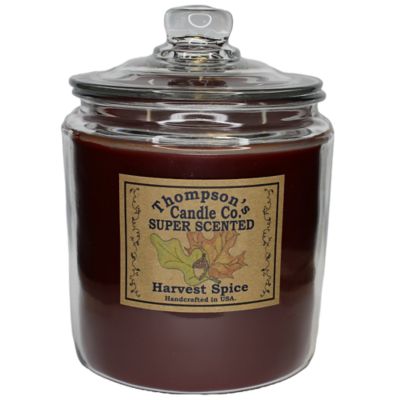
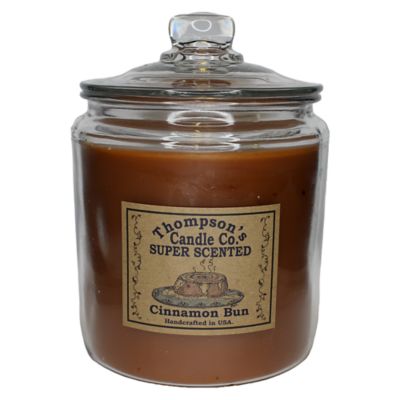
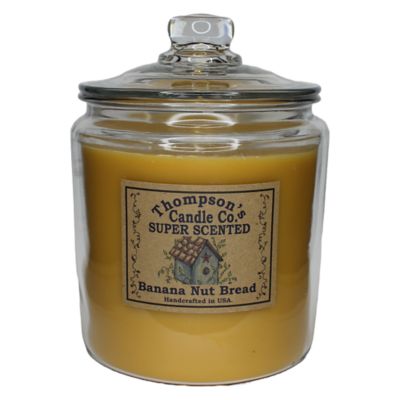
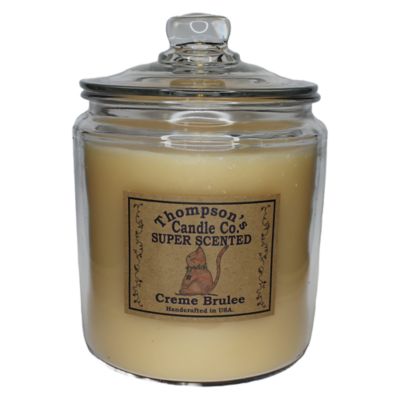
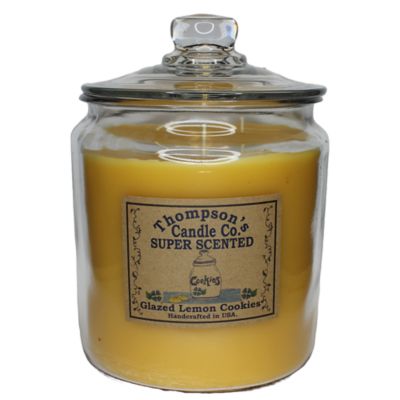
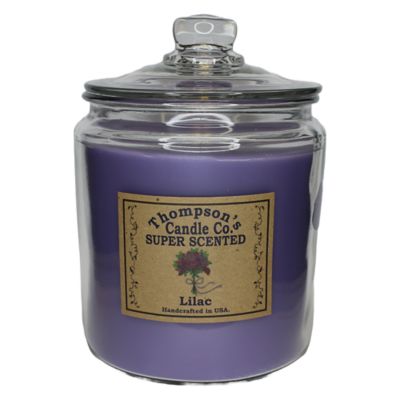
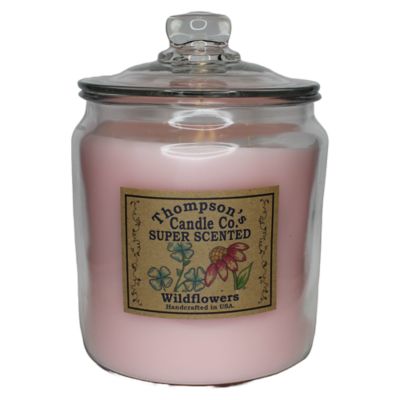
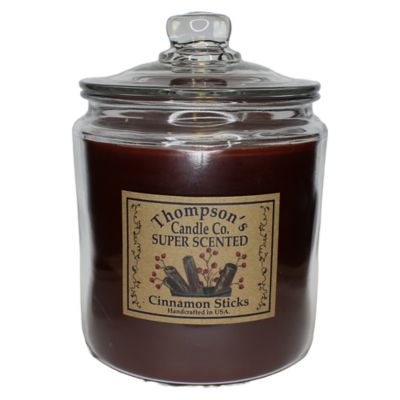
Home fragrance candles bring scent and a soft glow to everyday spaces, from the kitchen table after supper to a living room where everyone gathers when the chores are done. Scented wax and a burning wick work together to release fragrance into the air, while the candle’s size, wax blend, wick arrangement, and surroundings all influence the experience. Fragrance families offer a handy starting point for finding a scent that feels at home. Fresh cotton, linen, and rain-inspired notes have a light, clean character that pairs well with an uncluttered room. Lavender, lilac, and jasmine lean floral, while herbal notes can lend a sharper, greener edge. Cedar, pine, and sandalwood bring a woodsy feel that fits naturally alongside a stone hearth, leather seating, or a well-worn farmhouse table. Vanilla, cinnamon, and other warm spice notes feel especially welcoming during the cooler months, when coats hang by the door and evenings settle in early. Citrus scents such as lemon, orange, and grapefruit offer a brighter option, particularly for anyone who prefers a crisp fragrance over a sweet one. Blended fragrances often combine these families, softening wood notes with vanilla or balancing florals with citrus. The scent noticed first may differ from the deeper notes that linger as the candle burns, so a fragrance description can help set expectations beyond the name on the label. Personal preference matters more than matching a fragrance to a particular room. A lightly scented candle can be a pleasant companion to an evening of visiting, while a stronger fragrance may suit someone who enjoys a more noticeable scent throughout a larger gathering space. Around the supper table, a subtle fragrance—or leaving the candle unlit during the meal—keeps the smell of fresh bread and a hot casserole front and center. For households where someone is sensitive to fragrance, less scent may be the better fit, and an unscented candle can provide the glow without added fragrance.
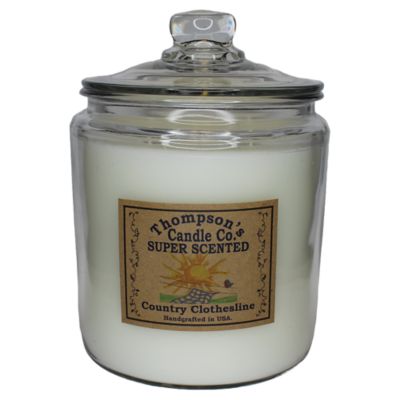
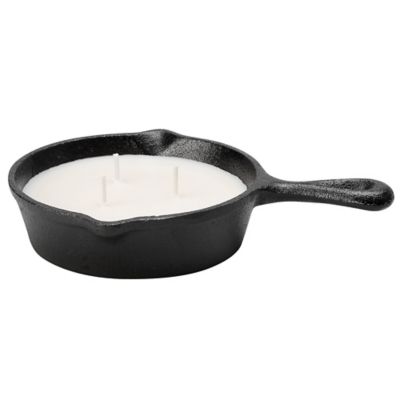
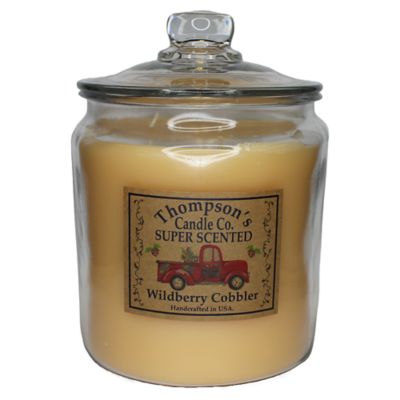
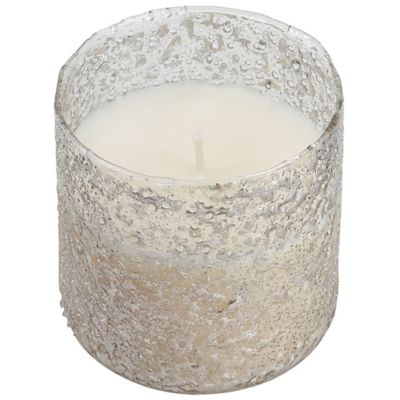
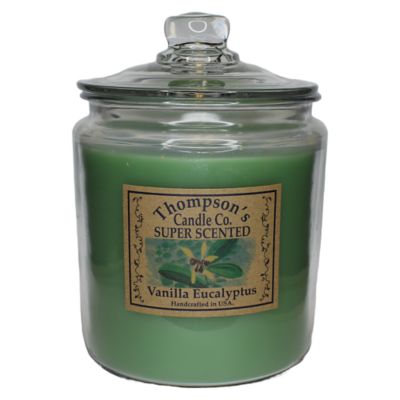
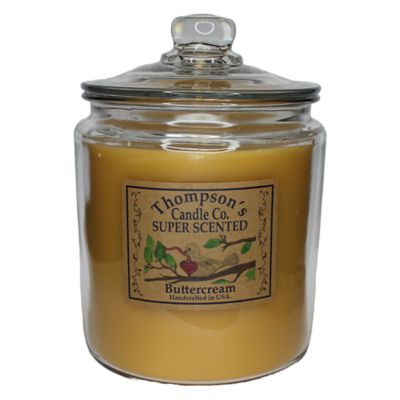
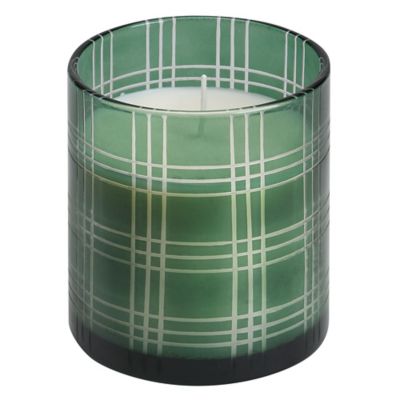
Wax, wicks, and containers each have a part in how home fragrance candles perform. Common wax materials include soy, paraffin, beeswax, coconut wax, and blends that combine different characteristics. Soy wax often has a creamy, opaque appearance, while paraffin lends itself to a broad range of colors and fragrance formulations. Beeswax can carry a mild scent of its own, which may influence a scented blend. No single wax type guarantees a stronger fragrance, a longer burn, or a soot-free flame; the whole candle design and proper care matter. Cotton and wooden wicks also behave differently, and some wooden wicks produce a gentle crackle as they burn. A wider candle may have multiple wicks to help distribute heat across the wax surface, while a smaller vessel often has just one. Room size is a useful consideration, but wick count alone does not tell the full story. Ceiling height, open doorways, airflow, and fragrance concentration can all affect how noticeable a candle smells. A modest single-wick candle may suit a smaller sitting area, while a larger, properly formulated candle may be a better match for an open living space. Glass, ceramic, and metal containers offer different looks, from clear vessels that show the wax to opaque finishes that blend into a room. Fit includes the space around the candle, not just its footprint: it needs a level, heat-resistant surface with plenty of clearance from curtains, shelves, bedding, and other things that can catch fire. A crowded mantel or narrow windowsill is not a good spot simply because the jar fits. Container construction matters, too; chips, cracks, or other damage are reasons not to light a candle. Lids can help keep dust off the wax between burns once the candle has cooled completely. For anyone comparing sizes, listed burn times are estimates rather than promises, since session length, drafts, and wick care affect how quickly wax is consumed. A size that suits the household’s routine is often more useful than the largest jar.
Everyday care helps scented candles burn more evenly and keeps the experience pleasant. Before lighting, trim the wick to the length on the candle’s label; about one-quarter inch is common for cotton wicks, while wooden wicks may need different care. Keep matches, wick trimmings, and other debris out of the wax. During the first burn, allowing the melted wax to spread toward the container’s edges can help reduce tunneling, but never extend a burn beyond the manufacturer’s time limit to make that happen. A candle that needs a longer first session may fit a quiet evening at home better than a few minutes before heading out to feed the animals. Drafts from an open window, ceiling fan, or busy doorway can make a flame flicker and contribute to uneven burning or soot. If the flame becomes unusually tall or smoky, extinguish the candle, let it cool, and check the wick and placement before relighting. Never leave a burning candle unattended, and extinguish it before leaving the room or going to sleep. Keep lit candles away from children and pets, including spots a cat can reach or a wagging tail can sweep across. Give the container time to cool before moving it, and stop burning at the remaining wax level specified on the label rather than trying to melt every last bit. Between burns, a cool, dry spot away from direct sunlight helps protect the wax and fragrance. These practical details also matter when giving candles as gifts. A familiar scent, an easy-to-place vessel, and clear care directions make a thoughtful combination for a housewarming, a host gift, or a thank-you for a neighbor who looked after the place. When an open flame does not fit the setting,
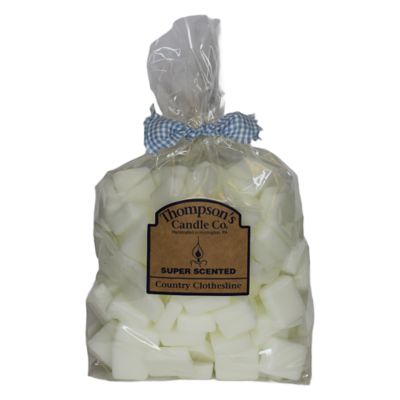
Fragrant Wax Melts offer another way to enjoy home fragrance with a compatible warmer; electric warmers release scent without a lit wick but still require attention to their own safety directions. Whether the preference is bright citrus or mellow cedar, fragrance should feel comfortable in the home and fit the way folks spend their time there.