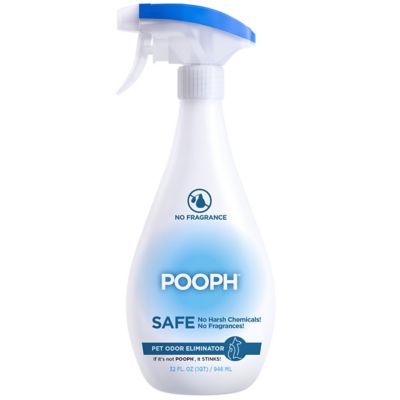
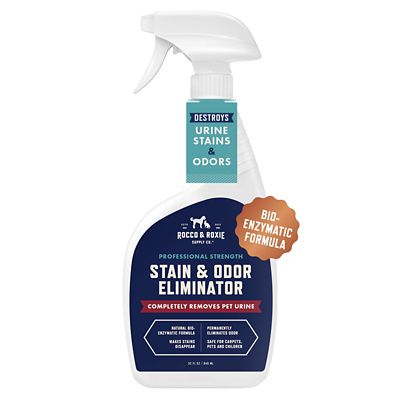
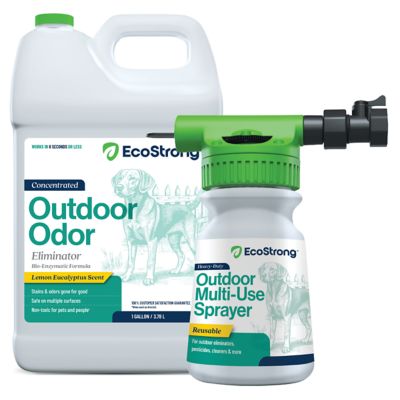
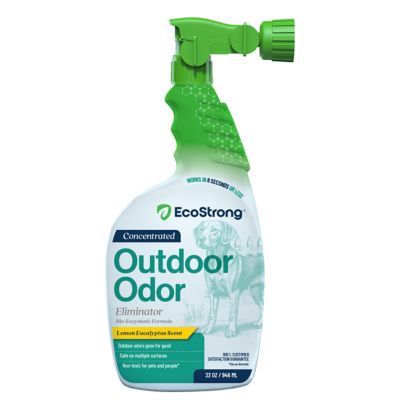
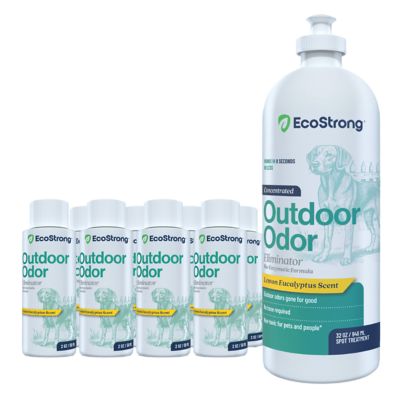
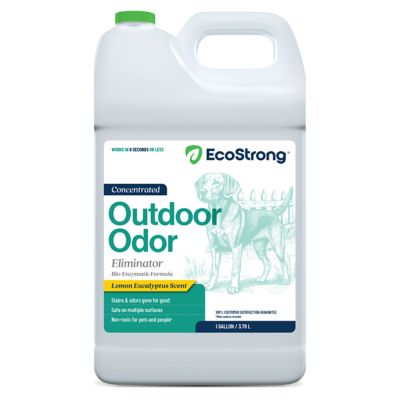
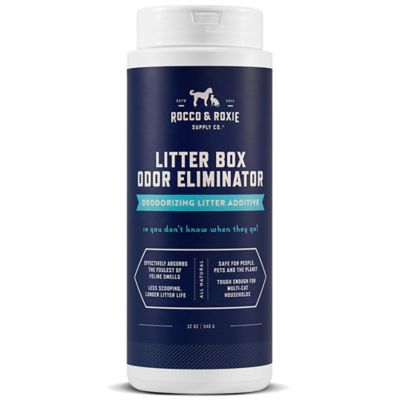
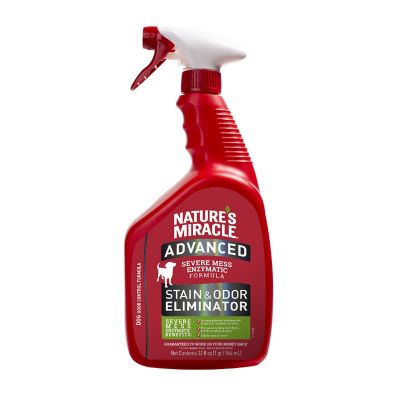
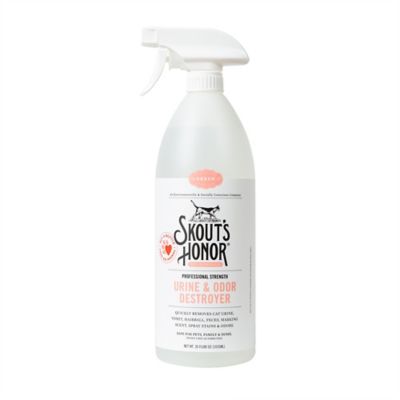
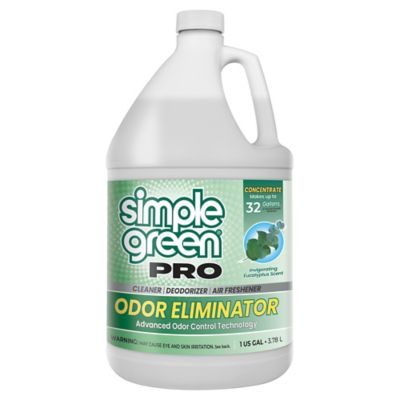
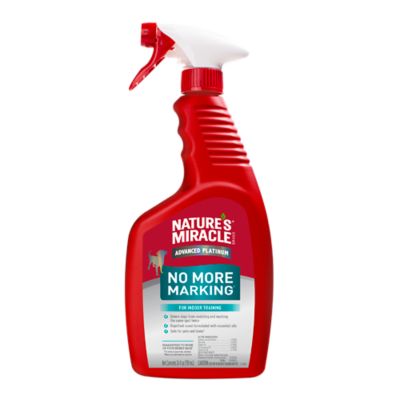
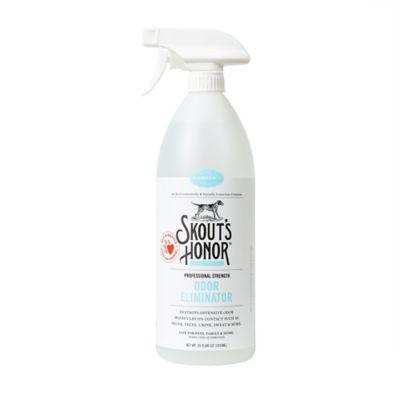
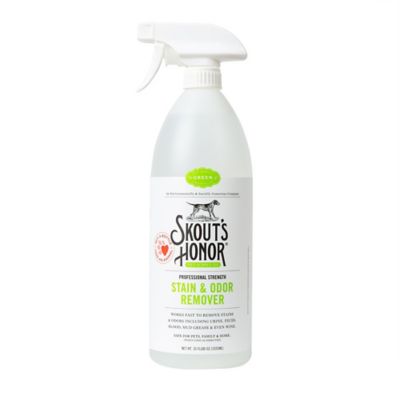
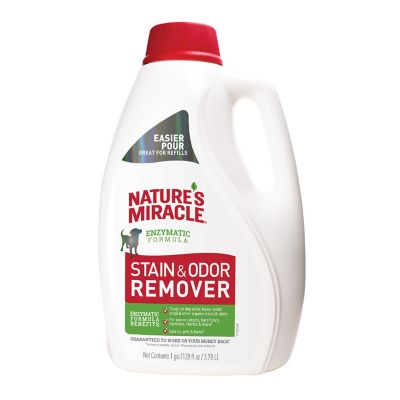
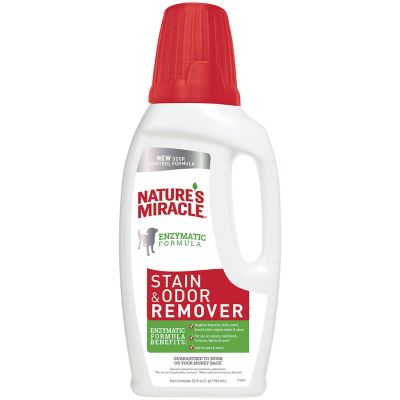
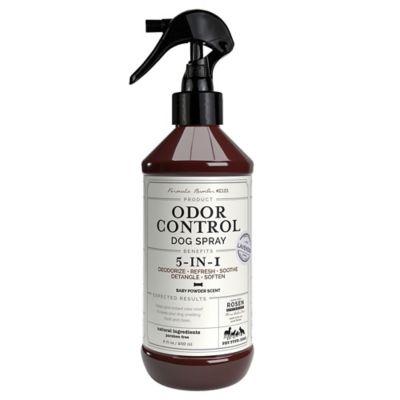
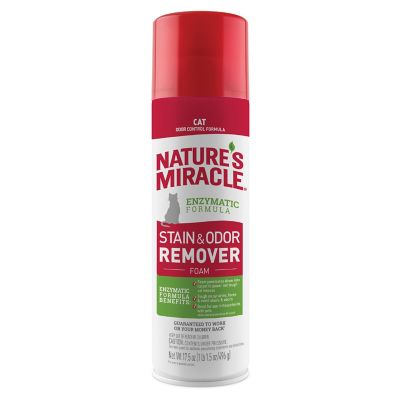
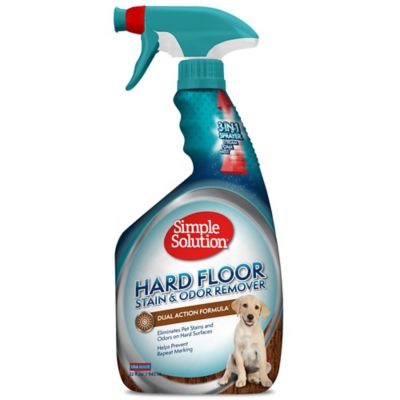
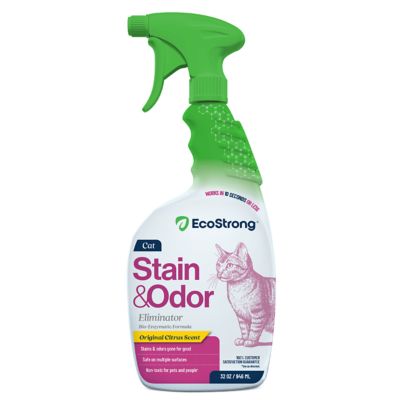
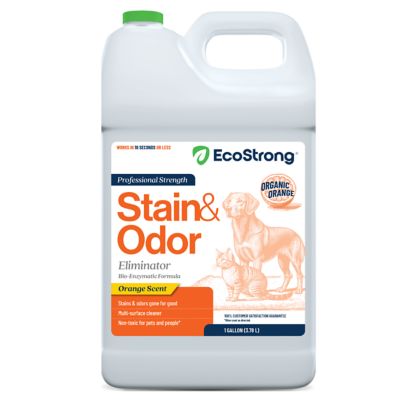
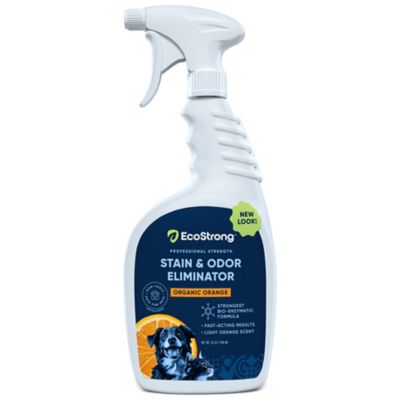
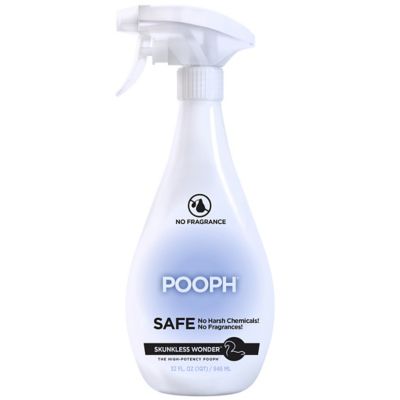
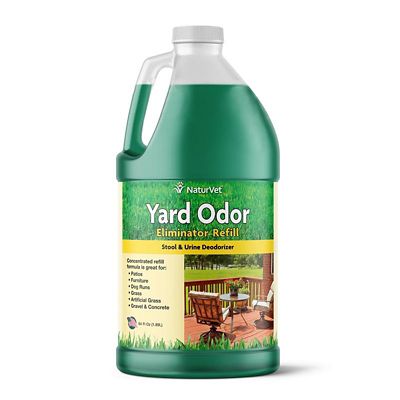
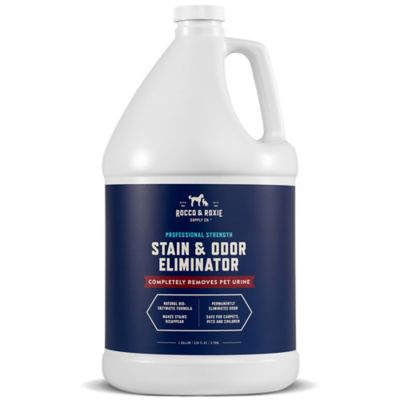
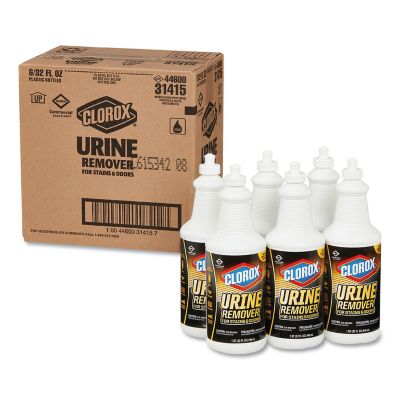
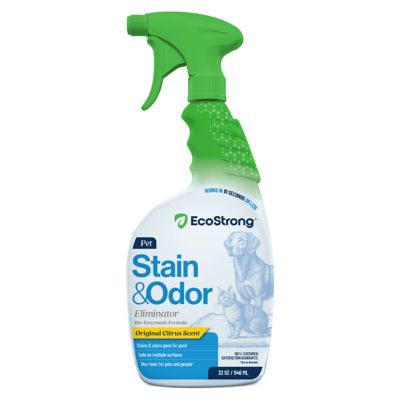
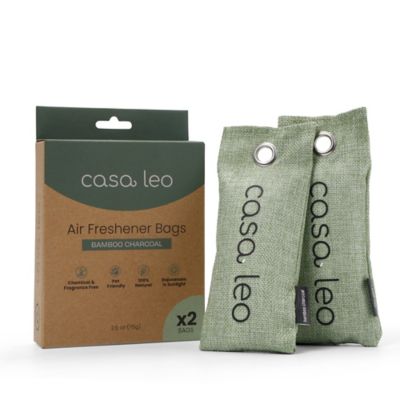
Odor removers help tackle lingering smells in the house, truck, garage, and other everyday spaces, with different formulas suited to different sources. A pet accident in carpet calls for a different approach than stale air in a closet or food smells hanging around a trash can. The main options include liquid odor neutralizers, enzyme-based cleaners, odor-absorbing gels, activated charcoal absorbers, and concentrates meant for dilution. Their jobs overlap, but they do not all work the same way. Enzyme-based formulas help break down certain organic residues, including those left by urine, food spills, and other messes, when the formula matches the source and reaches the affected material. Other odor neutralizers act on particular odor-causing compounds rather than simply covering them with fragrance. Activated charcoal captures some airborne odor compounds within its porous structure, making contained charcoal absorbers a practical option for smaller enclosed spaces. Odor-absorbing gels provide another stationary option for areas where smells tend to linger, with placement and replacement intervals depending on the label. Fragranced sprays can leave a noticeable scent, while fragrance-free formulas suit households that prefer less added smell. Neither a strong fragrance nor a lack of fragrance tells the whole story about how well a formula handles the underlying problem. Intended use, contact time, coverage, and the source of the smell matter more. Ready-to-apply liquids keep routine spot treatment straightforward, while concentrates require measuring and dilution according to package directions. Some odor-removing cleaners also carry disinfecting claims, but odor removal alone does not mean a surface has been disinfected. Those claims depend on the approved surfaces, dilution, and contact time listed on the label. For a busy household, the most useful choice is one that fits the actual mess, whether that means treating a small spot near the back door, washing a pet blanket, or addressing lingering smells around a waste container. A room absorber and a surface cleaner may serve the same space without serving the same purpose.
Surface compatibility matters just as much as the kind of odor. Carpet, upholstery, washable bedding, sealed flooring, and unfinished wood each respond differently to moisture and cleaning ingredients. A liquid intended for sealed hard surfaces may not belong on a fabric chair, and a fabric spray may not be suitable for leather, suede, wool, or upholstery with special care requirements. Care tags and package directions help narrow the choices before a larger area gets wet. A test in an out-of-the-way spot can reveal color changes or an unwanted effect on the finish. On carpet and upholstered furniture, odors can sit below the visible surface, especially after a spill or pet accident has soaked into padding or cushioning. A light mist across the top may freshen the surface without reaching that residue. At the same time, oversaturating material can leave excess moisture behind, so treatment needs to stay within both the cleaner’s directions and the material’s care limits. Washable pet blankets, removable cushion covers, and work clothes call for formulas labeled for laundry or those particular fabrics, rather than an all-purpose room spray. In a truck cab, cloth seats, carpeted floor mats, vinyl trim, and leather seating may each need separate consideration. Boot interiors also vary, with linings, footbeds, and leather components that may not tolerate the same treatment. Packaging can make everyday handling easier: a directed spray helps limit overspray on a small area, while a pourable concentrate fits labeled bucket applications. Clear measuring instructions and a closure that seals securely matter when a bottle travels between the utility room and garage. Containers need storage according to their labels, away from children and animals. Keeping the original label readable also preserves the directions, surface restrictions, and first-aid information needed throughout the container’s working life. Replacement schedules matter for passive absorbers, since a bag or gel container that still looks tidy may no longer be doing much for the surrounding air.
Pet households often need odor control in more than one place: near a litter box, beside a crate, around a favorite resting spot, or along the path from the back door to the couch. The range of
Pet Odor Absorbers for the Home fits naturally into that broader effort, especially where a stationary absorber makes more sense than spraying fabric every day. Placement still matters. An absorber belongs where its label allows, with enough exposure to the surrounding air to do its job and a position that keeps pets from chewing the container or reaching its contents. A product described as plant-based or fragrance-free is not automatically suitable for every animal or every setting. Direct application to animals, litter, bedding, or feeding areas requires specific label permission. Surface treatments may also call for keeping people and pets away until the area has dried or other reentry directions have been met. Beyond pet spaces, odor removers can help manage everyday smells around hampers, trash storage, entryway rugs, and enclosed vehicle interiors. A pair of muddy work boots by the door and a forgotten food spill under a seat leave different residues, even if both make the room or cab unpleasant. Removing the mess itself gives odor treatment a better starting point; a passive absorber cannot pull soaked-in residue out of carpet padding or fix a leaking waste container. Persistent musty smells can point to a moisture problem that needs attention beyond odor control. Smoke odors can cling to porous materials and may require thorough cleaning rather than an air treatment alone. Good airflow, when appropriate for the space, also supports drying after a labeled liquid treatment. Cleaning chemicals should never be mixed, including when one is marketed for odors and another for general cleaning. Matching the format to the space, respecting material care, and keeping up with routine cleanup make odor removers a practical part of looking after a hardworking home.