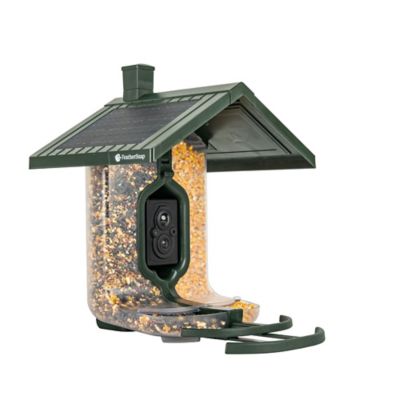
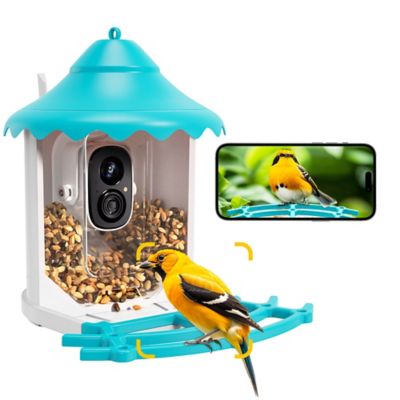
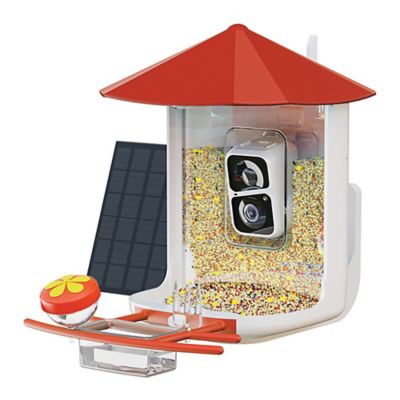
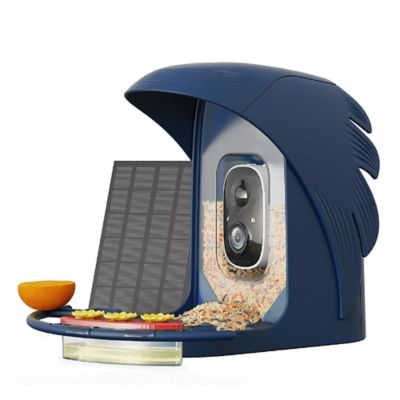
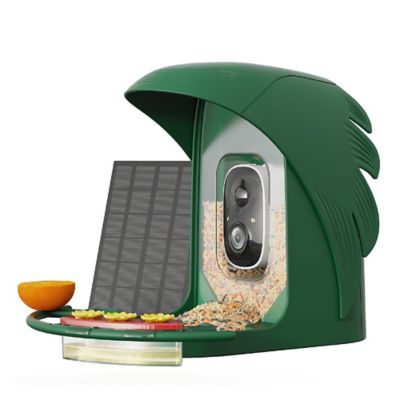
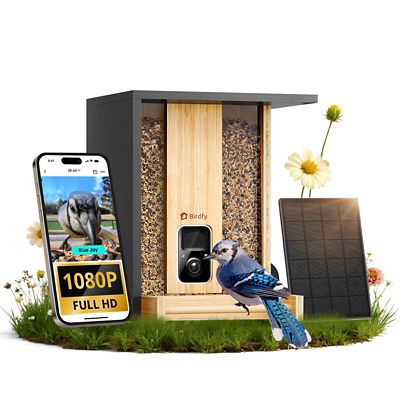
AI bird identification for feeder visitors brings a closer look at the birds stopping by your yard, pairing a bird feeder or feeder-mounted camera with software that suggests a species name from photos or video. Instead of catching only a flash of wings from the kitchen window, you can see the markings on a woodpecker’s back or the dark cap on a chickadee perched beside the seed tray. Many smart bird feeders detect motion, capture a visit, and send images or notifications to a companion phone app. The identification software compares visible traits, such as feather patterns, bill shape, and coloring, with information learned from bird images. Depending on the system, location and other details may also help narrow the possibilities. Results are suggestions rather than guarantees: shadows, a partly hidden head, similar-looking species, and birds in changing plumage can all make identification harder. A clear view of the bird’s face, wings, and body gives the software more to work with and gives you a better picture to check against a field reference. Camera resolution matters, but so do lens placement, focus at the perch, and the way the feeder positions a bird in front of the camera. A wide scene of the yard can be pleasant to watch without showing the small markings needed to tell two sparrows apart. Some systems identify birds from their calls instead of their appearance, which offers a different way to notice activity around a feeding area. Sound-based identification may pick up a bird in a nearby tree rather than one actually eating at the feeder. For watching feeder visitors up close, a camera-based setup keeps the attention on the perch and feeding tray. These products suit longtime bird watchers, families getting acquainted with backyard wildlife, and anyone who enjoys seeing what happens by the fence line while the day’s chores carry on.
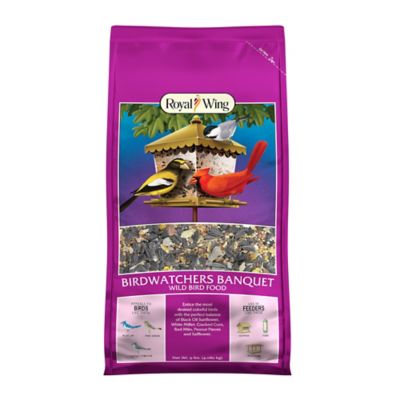
The best fit for a smart bird feeding setup depends as much on the yard as on the camera. A feeder near the house may sit within reach of a home Wi-Fi signal, while a spot beyond a shed or across a broad lawn may not. Wireless requirements vary, and some cameras need a particular network band, so connection details deserve a look before choosing a mounting location. Battery-powered designs offer flexibility, though recording frequency, cold temperatures, and signal strength can affect how often charging is needed. Solar-assisted options can help maintain a charge where there is enough direct sunlight, but a shaded porch or short winter day can limit that benefit. App compatibility, notification controls, video storage, and any account or subscription requirements also shape the everyday experience. Some features work differently without an ongoing service plan, and not every app lets several household members view the same feeder. On the feeder itself, weather-resistant housings, protected charging ports, and secure camera compartments help outdoor electronics stand up to exposure within their stated limits. Plastic feeding chambers make seed levels easy to see on some designs, while metal brackets and mounting hardware provide support at the post, pole, or wall. No material makes a feeder squirrel-proof by itself; placement, baffles, and the design of the feeding ports all play a part. Mount compatibility and loaded weight matter, especially when a full seed chamber hangs from a narrow rail or a branch that moves in the wind. Perch size and feeding openings should suit the birds you hope to welcome, with enough room for them to land without blocking the lens. Seed choice matters, too: sunflower seed attracts many common feeder visitors, while nyjer calls for feeding openings that keep the small seed contained. A
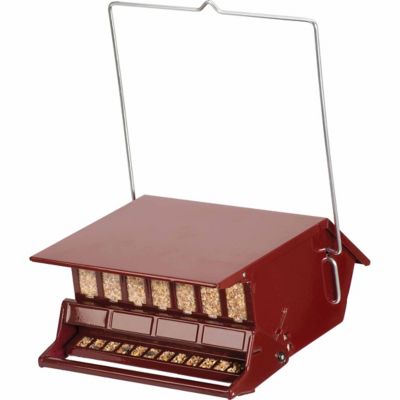
Finch Feeder can complement a camera feeding station when finches are part of the backyard crowd, giving them a feeding arrangement suited to their habits. Separate feeding spots can also spread out activity rather than bunching every visitor onto one small tray.
Daily upkeep is what keeps a camera feeder pleasant for both birds and the folks watching them. Removable seed trays, feeding ports that are easy to reach, and chambers that come apart without a struggle make routine cleaning less of a chore. Electronic components need different care from seed-contact surfaces, so the feeder’s cleaning directions should spell out what can be washed and what needs to stay dry. Seed chambers and trays should dry fully before refilling, and damp or moldy seed belongs out of the feeding area. Good drainage and an overhanging roof help limit moisture, but wind-driven rain and melting snow can still find their way inside. A modest seed capacity may be easier to keep fresh in a quiet yard, while a busier feeding station may call for more frequent checks and refills. The camera lens needs attention as well; a smear of seed dust or a water spot can turn a close-up into a blur. A steady mount and an uncluttered view help capture useful images, and notification settings can make a busy feeder easier to enjoy without a phone chiming at every movement. Around a farmhouse, that might mean checking saved visits after feeding the livestock rather than watching every landing as it happens. Around a smaller home, it might mean sharing a cardinal’s morning visit with family across town. Placement should also account for bird safety, including window-collision risks and nearby cover where outdoor cats could hide. Cooler weather can bring changing flocks and different feeding patterns, adding interest without any promise that a particular species will show up. For a gift, a smart feeder makes the most sense when the recipient has a suitable outdoor spot, a compatible phone, and an interest in keeping the feeding area clean. The appeal is a familiar country pleasure with a closer view: a nuthatch working along the perch, a finch settling in for seed, and a growing sense of which birds make your yard part of their daily rounds.