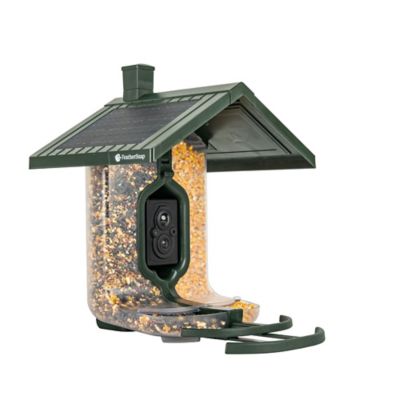
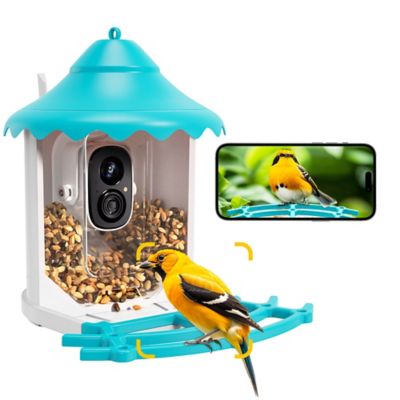
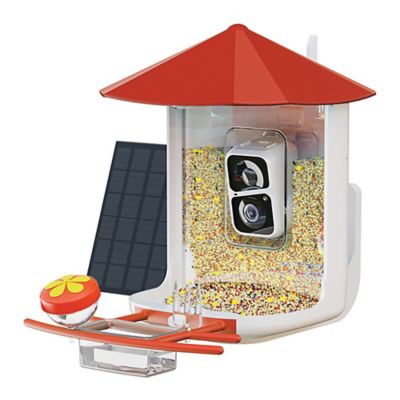
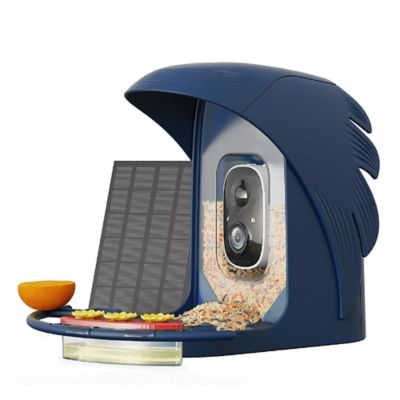
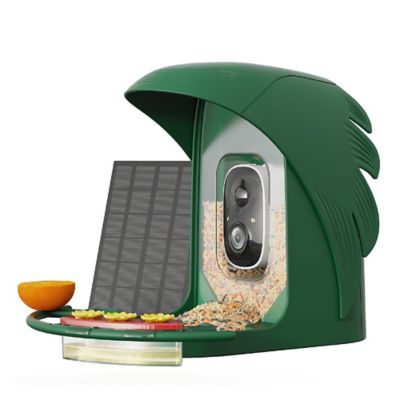
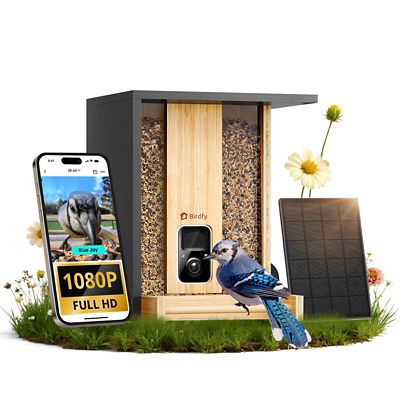
Smart bird feeder camera alerts bring a close-up look at backyard birds straight to a smartphone, even when the feeder sits beyond the kitchen window. These connected feeders pair a seed holder and perch with a camera that can capture visits and send push notifications through a companion app. Depending on the feeder, an alert may include a snapshot, a recorded clip, or a shortcut to a live view. Motion detection starts the process on many models, while bird-detection software can help separate feathered visitors from other activity. Some cameras include a passive infrared sensor, which detects changes in infrared energy as an animal moves into range; others depend on image-based detection or a combination of technologies. That distinction matters near a busy fence line, where waving grass, passing squirrels, and changing shadows may trigger more activity than a quiet garden corner. Adjustable motion sensitivity, detection zones, and notification schedules, where supported, give shoppers ways to keep alerts useful rather than constant. A chickadee stopping by during morning chores can be a welcome interruption without every swaying branch setting off the phone. Feeders with AI bird identification may also suggest a species name alongside the image, although lighting, camera angle, and similar-looking birds can affect the result. Those labels work best as a starting point for learning the regular visitors, not a guaranteed identification. Prompt alerts depend on more than the camera itself: the feeder needs power, a working network connection, and the right notification permissions on the phone. Many connected feeders require a 2.4 GHz Wi-Fi network, so compatibility and signal strength at the mounting spot deserve attention. A signal that reaches the porch may not reach a post out by the shed. For rural properties with wide yards and outbuildings, the distance between the feeder and the home router can make a bigger difference to everyday viewing than the distance between the feeder and the window.
The feeder body and mounting hardware matter just as much as the camera features. Outdoor housings commonly combine plastic components with metal brackets or fasteners, and their shape affects how well seed, electronics, and visiting birds stay sheltered. Look for a stated outdoor weather-resistance rating and an operating temperature range suited to the location rather than assuming every camera feeder handles the same conditions. A roof overhang can help shield the feeding tray from rain, while drainage openings give water a way out before seed becomes soggy. During the cooler months, wind-driven rain, frost, and shorter daylight hours put those details to work. Removable trays, smooth interior surfaces, and accessible seed compartments make routine cleaning less of a chore. Electronics may need to come off before washing, and the manufacturer's cleaning directions should govern which parts can get wet. Seed-contact surfaces need regular attention, with damp or moldy feed removed promptly and washed parts allowed to dry before refilling. A clear camera lens also helps preserve the small details that make birdwatching enjoyable, from a cardinal's crest to the fine streaks on a sparrow's breast. Fit includes both the mounting location and the birds the feeder is meant to welcome. A broad landing area may accommodate larger songbirds, while perch placement and the distance to the lens influence how much of each visitor appears in frame. Seed capacity is another practical consideration: a larger hopper can stretch the time between refills, but seed still needs to stay fresh and dry. Pole, post, wall, and hanging mounts each call for compatible hardware and a secure attachment that limits rocking in the wind. Placement also affects access for squirrels, reach for cleaning, and safety around nearby windows. A feeder should offer birds a clear approach without putting them within easy reach of a lurking cat. Battery-powered cameras need accessible charging arrangements, while solar-assisted designs need suitable sunlight; a shaded porch roof or a stretch of cloudy weather can limit how much a panel contributes.
The best match for a household depends on what happens after the bird feeder camera notification arrives. Someone who enjoys a quick glance between chores may value a clear snapshot and a simple app more than a long list of controls. A birdwatcher tracking visits throughout the day may prefer recorded clips, timestamps, and an easy way to revisit activity. Live streaming and event recording are separate capabilities, and neither automatically means continuous recording. Camera resolution can help reveal feather markings, but lens placement, glare, motion blur, and the bird's distance from the camera all influence the picture. A wide view shows more of the feeding area, while a closer view can make small markings easier to see. Audio recording, where included, may capture calls along with the scrape of feet on the perch and the tap of a beak against seed. Storage options also vary: some systems save footage to a compatible memory card, some use cloud storage, and some support both. App requirements, supported phones, account access, and the features included with each service plan deserve a look before choosing a feeder. Shared viewing can let family members enjoy the same visitors, but the camera should face the feeding area rather than a neighbor's windows or a private gathering spot. For households weighing different feature sets, the
Smart Bird Feeder Comparison Guide: FeatherSnap vs. Cinmoore offers another place to explore the differences. A connected feeder can make a thoughtful gift for a parent who watches birds from the breakfast table, a gardener curious about activity along the fence, or a family helping children learn local species. The most satisfying setup fits the recipient's phone, outdoor space, and comfort with charging and cleaning. With those everyday needs accounted for, an alert becomes more than another notification: it is a chance to catch a nuthatch arriving headfirst or a familiar finch settling in for a few quiet bites.