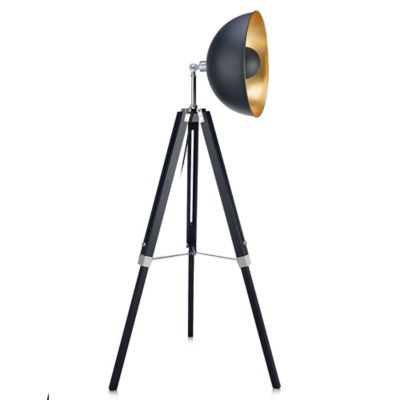
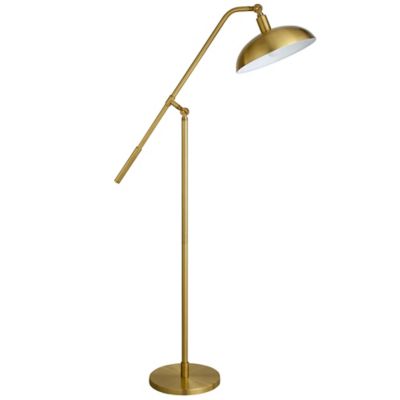
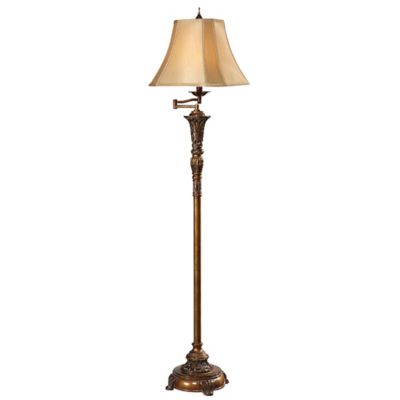
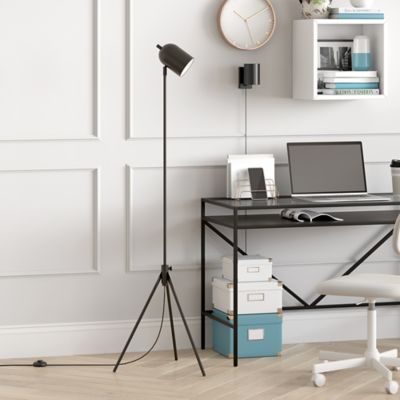
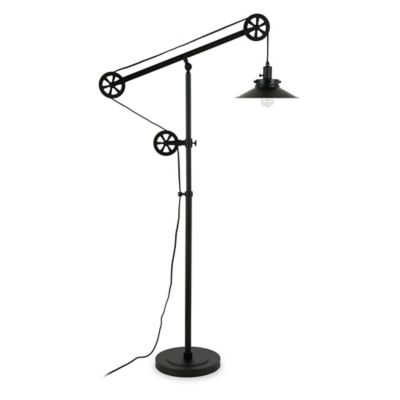
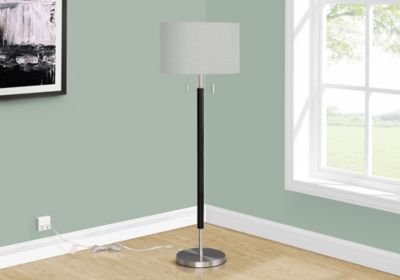
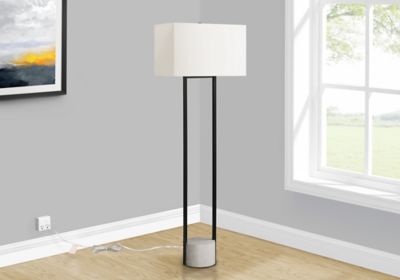
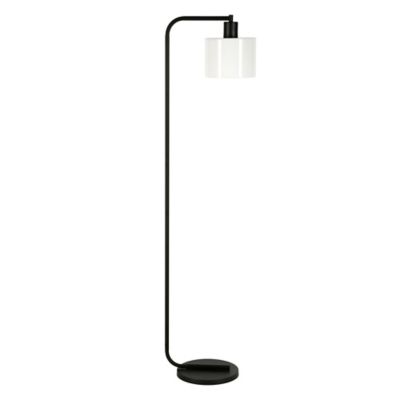
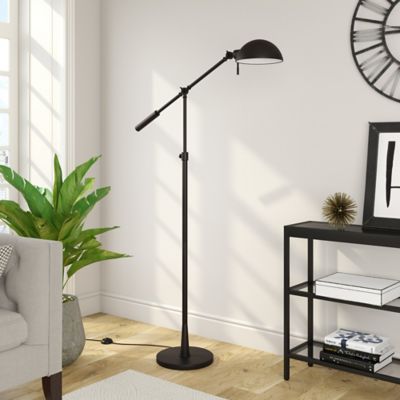
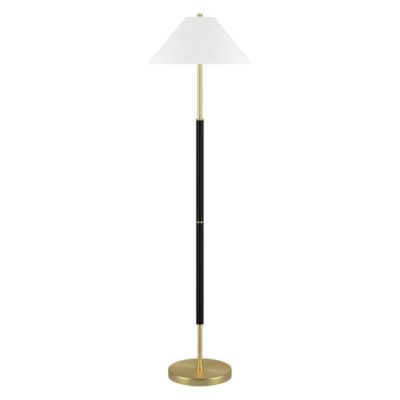
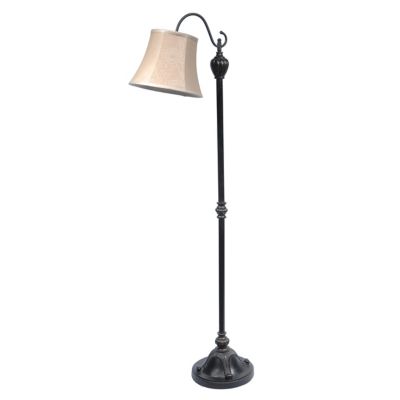
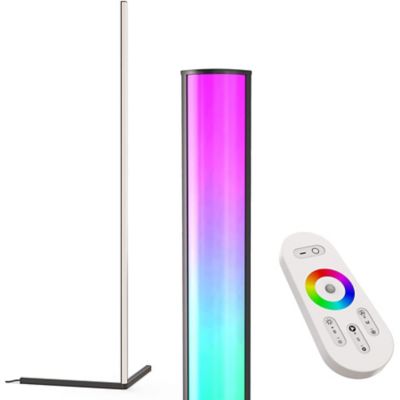
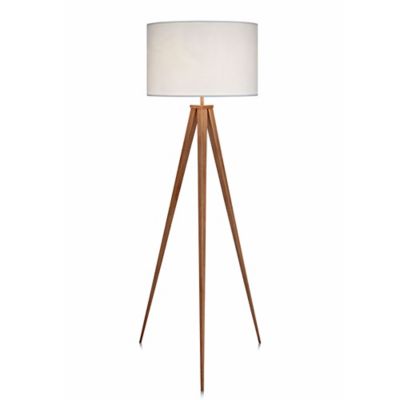
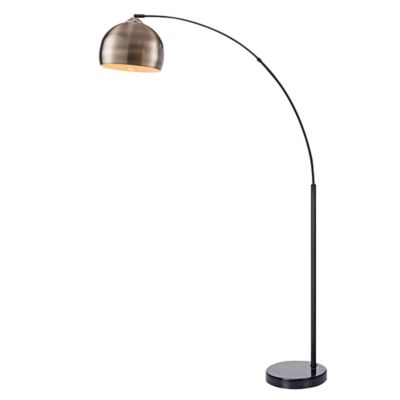
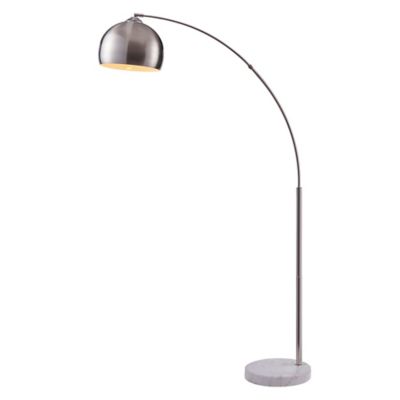
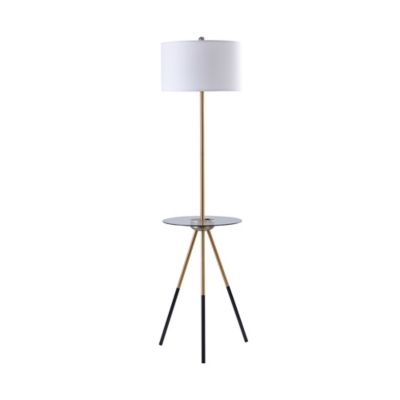
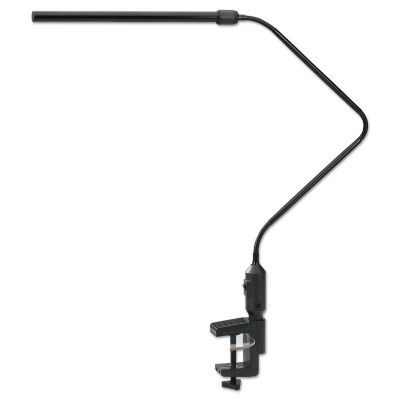
Adjustable reading floor lamps bring focused light to a book, newspaper, or stack of paperwork without lighting up the whole room. Their main advantage is simple: the light can move to suit the person and the seat, rather than making someone lean toward a fixed lamp. A flexible gooseneck bends to direct the beam, a swing arm reaches over a chair arm, and an adjustable-height pole changes how far the light sits above the page. Some designs combine more than one kind of movement, making it easier to share a reading spot between people of different heights. Beside a favorite recliner, an adjustable floor reading lamp can put light over the shoulder while leaving the side table clear for a coffee cup and reading glasses. Next to a bed, a pivoting head can aim toward a book instead of across the pillows. The best placement depends on the chair, the reader’s seated height, and the lamp’s reach. A base that fits beside a straight-backed chair may not slide beneath a low sofa, and a reclining seat needs room for both its back and footrest to move. Overall height matters, but so does the distance the arm extends from the pole. A long reach can bring the shade closer to the page without crowding the seat, while a shorter arm suits tighter corners. Keeping the light source out of the reader’s direct line of sight helps limit glare, especially with glossy magazine pages or coated paper. For writing notes, working a crossword, or checking household records, light coming from the side opposite the writing hand can help keep that hand’s shadow off the page. These small differences in placement make adjustable task lighting practical for more than reading alone, from sorting mail to following a knitting pattern in a comfortable chair.
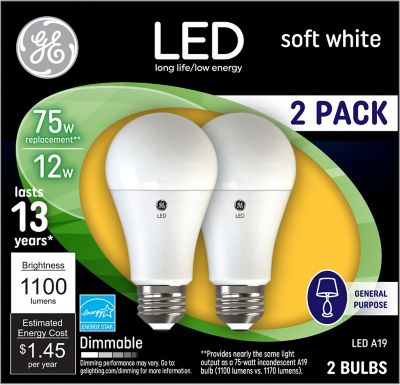
Brightness and light color play different roles in how an adjustable reading floor lamp feels during a long stretch with a book. Lumens describe light output, while watts describe electricity consumption; wattage alone does not tell the whole story when comparing LED lighting with other bulb types. The amount of light reaching the page also depends on the shade, beam spread, and distance between the lamp head and the reading surface. A narrow beam concentrates illumination in a smaller area, while a wider beam covers an open book or larger work surface more evenly. Dimming gives readers room to adjust the output for small print, large-print books, or nearby room lighting. Enough surrounding light can also soften the contrast between a bright page and the rest of the room. Color temperature, measured in kelvins, describes whether the light looks warmer or cooler. Light around 2700K to 3000K has a warmer appearance, while light around 3500K to 4000K looks more neutral. Neither choice suits everyone; comfort, page appearance, and the room’s other lighting all matter. Lamps with selectable color temperatures offer flexibility when the same chair serves as a reading spot and a place for detailed handwork. LED floor lamps may have an integrated light source or accept a replaceable bulb, and that distinction affects upkeep. With a replaceable-bulb design, the socket type, maximum permitted wattage, bulb dimensions, and dimmer compatibility all need to match the lamp’s specifications. With an integrated LED design, the manufacturer’s information explains whether the light module can be replaced. Controls deserve attention, too. A switch near the lamp head may be easy to reach from one chair but awkward from another. Foot switches keep operation near the floor, while controls on the pole or arm may be more convenient for someone who prefers to stay seated. A dimming control within easy reach saves getting up whenever a different book or task calls for a change.
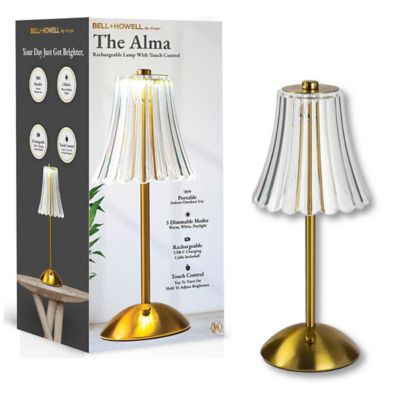
Materials, construction, and everyday care help determine how well a reading lamp fits into a busy household. Metal poles and arms can provide firm support, while plastic components can reduce weight; the full construction matters more than any single material. Wood accents, painted finishes, and brushed metal surfaces each bring a different look beside upholstered seating or bedroom furniture. An opaque shade generally directs more light toward the task, while a translucent shade lets some light spread into the room. A weighted base helps support the lamp as its arm extends, but the shape and footprint still need to suit the space. A broad base can be steady yet awkward in a narrow walkway, and a low base needs enough clearance beneath nearby furniture. Adjustment joints should hold their position without the head slowly dropping toward the book. Handles and adjustment points that stay comfortable to grip make repositioning easier, especially for readers with limited hand strength. Routine care usually means switching the lamp off, unplugging it, letting it cool, and wiping accessible surfaces with a soft, dry cloth, following the manufacturer’s cleaning directions. Dust around the shade and light source can be cleared gently without spraying cleaner into electrical parts. Cords belong away from walking paths, reclining mechanisms, and places where pets might chew them. A household reading lamp also belongs in the environment listed on its label; indoor lighting should not be assumed suitable for damp outbuildings or exposed areas. For a room with a roomy end table but little open floor space,
Table Lamps for Reading offer another way to bring light close to the page. Adjustable floor lamps make thoughtful gifts for book lovers, stitchers, puzzle fans, or anyone setting up a comfortable reading corner, especially when the chair height, available space, and preferred controls are known. The right fit is one that puts steady light where it belongs and leaves plenty of room to settle in.