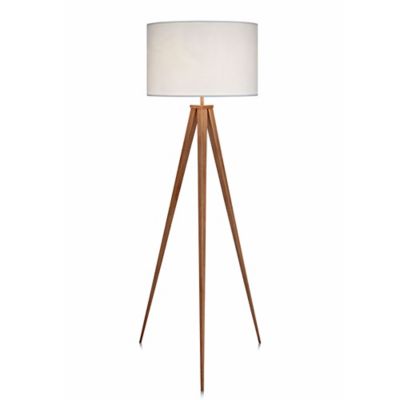
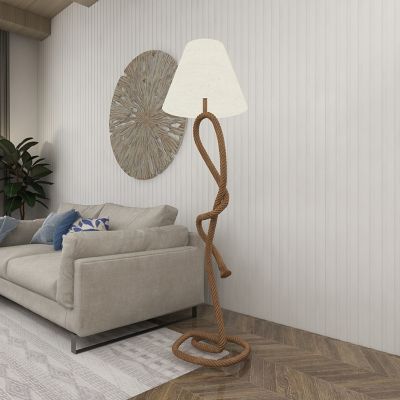
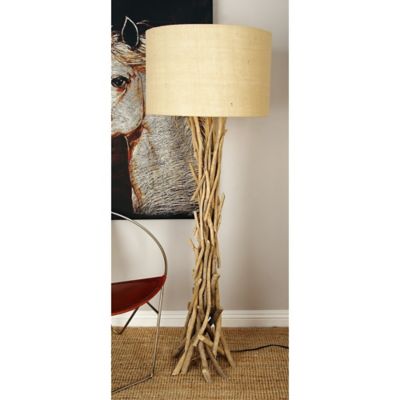
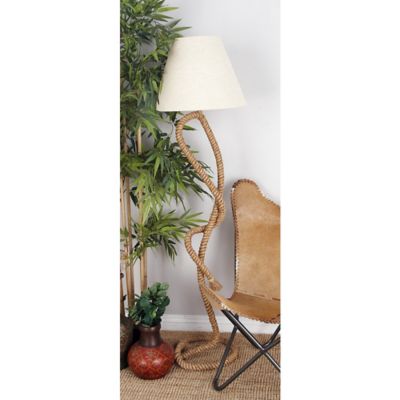
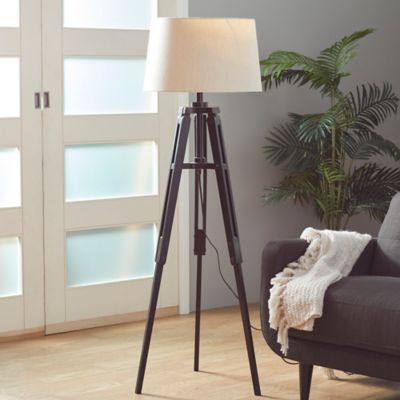
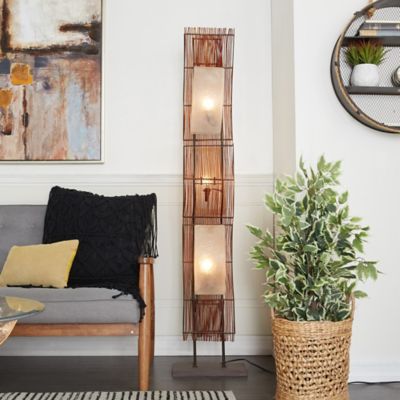
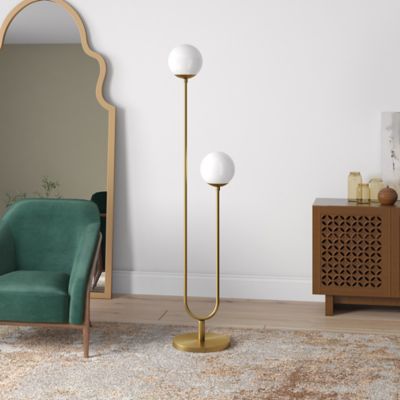
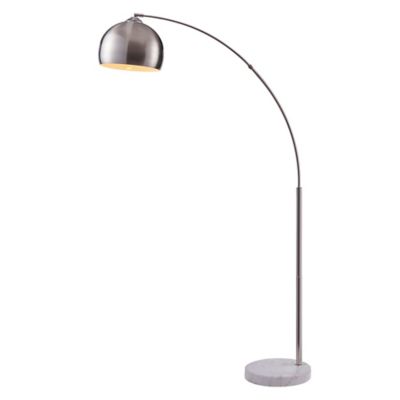
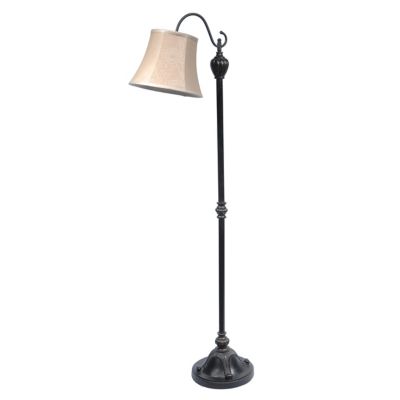
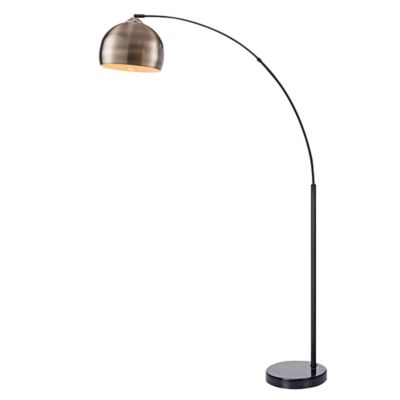
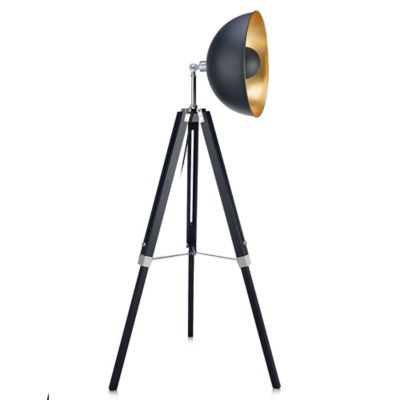
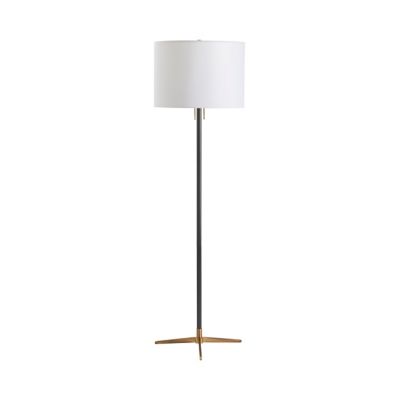
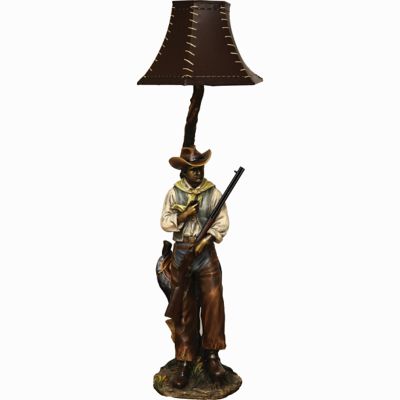
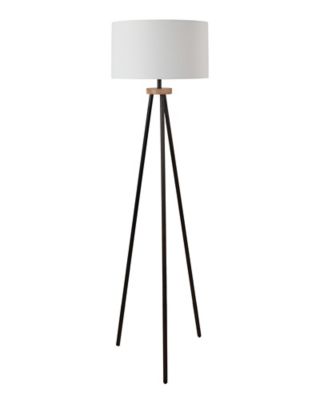
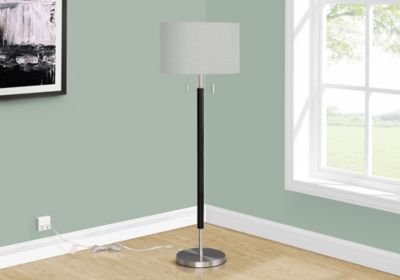
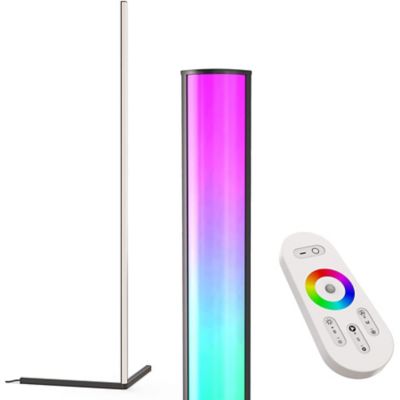
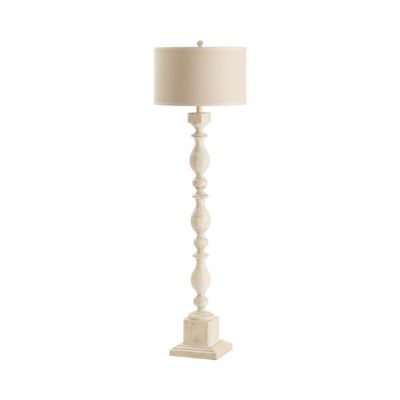
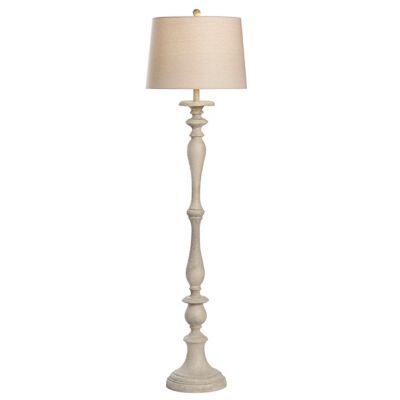
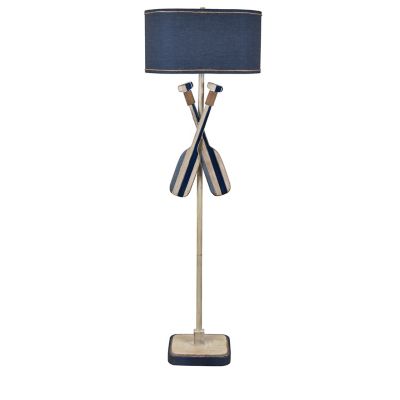
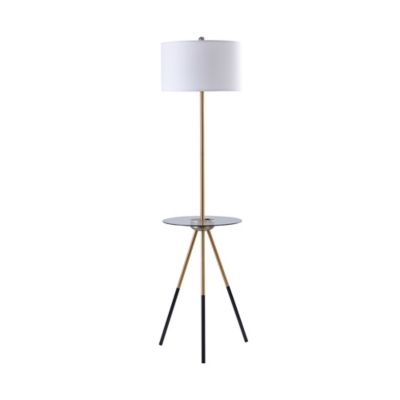
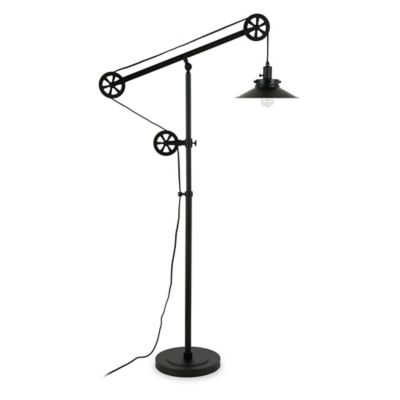
Foot switch floor lamps are freestanding lights with a pedal, usually located along the power cord, that turns the lamp on or off with a tap of your foot. That simple control keeps the switch within reach without requiring a hand behind the shade or a bend down beside the couch. It’s a handy setup when you’re carrying a stack of books, settling into a chair with a cup of coffee, or heading into the living room with your hands full. Unlike a table lamp, a floor lamp supplies light without taking up space on an end table, leaving room for reading glasses, a phone, or the day’s mail. The best fit depends on where the light needs to land. A straight upright lamp with a fabric drum shade can spread a soft glow around a seating area, while an arc floor lamp reaches out over a chair or sofa to bring light closer to a book or knitting basket. A torchiere sends light toward the ceiling for reflected room lighting, though its effect depends partly on ceiling height and color. Multi-light designs may offer separate heads that direct light toward different parts of a room; adjustable heads are especially useful when a corner serves more than one purpose. Foot control works best when the pedal sits beside the furniture rather than underneath it, with enough clear floor space for an easy tap. A lamp tucked behind a sofa can still be convenient, provided the cord allows the switch to rest where a foot can comfortably reach it. For a reading nook, sitting room, or home office, these lamps combine everyday lighting with a straightforward way to operate it. They can also supplement overhead lighting, allowing a room to feel less harsh without leaving the whole space dim. The foot switch controls access to that light; the shade, bulb, and lamp shape determine how the light fills the space.
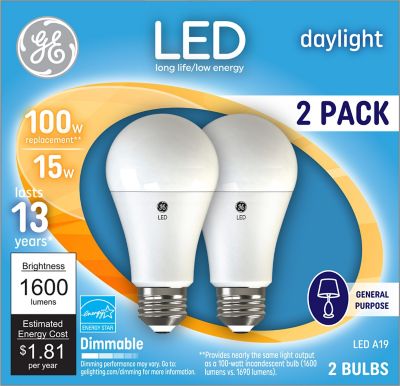
Materials and proportions make a noticeable difference in how a foot switch floor lamp fits a room and holds up to everyday life. Metal poles and bases offer a solid, straightforward look, with finishes such as matte black, brushed brass, and chrome giving the same basic shape a different feel. Wood accents bring a softer touch alongside plank floors, woven rugs, and comfortable upholstered furniture. Fabric shades diffuse light, but their color and weave affect how much brightness reaches the room. A pale, open-weave shade generally lets more light through than a dark, tightly woven one. Metal shades tend to direct light rather than spread it evenly, making their opening and angle important for reading or other close-up tasks. Glass shades may spread or soften light depending on whether the glass is clear, frosted, or tinted. Dimensions deserve just as much attention as appearance. Check the base footprint against the space between a chair and the wall, and account for any shade or curved arm that extends beyond it. A broad base can help with stability, but it still needs a level surface and room away from passing feet. At a reading chair, the shade should help shield the bulb from direct view while letting light reach the page. Bulb choice then fine-tunes the result. Lumens describe light output, while color temperature describes whether the light appears warmer or cooler. Lower color temperatures often suit relaxed seating areas; higher ones can suit a workspace where a crisper appearance is preferred. For lamps with replaceable bulbs,
LED Bulbs For Floor Lamps can help narrow the search, but the bulb base, shape, wattage limits, and fixture requirements still need to match. An enclosed shade may call for a bulb rated for enclosed fixtures. An ordinary on/off pedal does not provide dimming, and a foot-operated dimmer needs a compatible dimmable bulb. Lamps with integrated LEDs have different replacement considerations, so the light source matters as much as the switch.
Day-to-day convenience comes down to a sensible location, a steady base, and a cord path that stays out of the way. Place a foot switch floor lamp near an outlet so its cord does not stretch across a doorway or the route between a couch and coffee table. Keep cords out from under rugs and away from chair legs, recliner mechanisms, and spots where furniture could pinch them. The pedal should lie flat on a firm surface, without being buried in deep rug pile or caught beneath a rocker. In a busy household with children or pets, a sheltered location and a stable base help reduce the chance of a bump turning into a fall. Tall arc lamps need particular attention to their base placement and overhead clearance because their reach extends beyond the upright support. Adjustable joints and threaded pole sections should be secured according to the lamp’s directions, without forcing parts or overtightening them. Most indoor floor lamps belong in dry indoor spaces unless their ratings specifically permit another setting; a covered porch or damp utility area calls for lighting rated for those conditions. Care is generally straightforward. Unplug the lamp and let the bulb cool before cleaning, then wipe the base and pole with a soft cloth suited to the finish. Fabric shades may need gentle dusting with a soft brush, while glass and metal shades should be cleaned according to their care directions. Avoid spraying cleaner onto sockets, switches, or electrical connections, and check the cord occasionally for fraying, cracking, or other damage. For readers, crafters, and anyone who wants a clear end table, a foot-controlled lamp can be a practical addition to a favorite corner. It can also make a thoughtful housewarming gift when the room size, lighting needs, and recipient’s preferred controls are known. A pedal is convenient for many people, though someone with limited balance or foot movement may find a hand switch or remote easier. The right arrangement makes the light comfortable to sit beside and the control easy to reach.