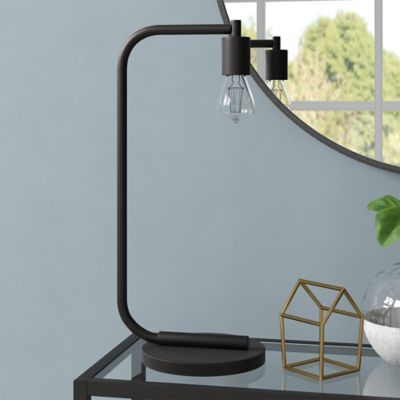
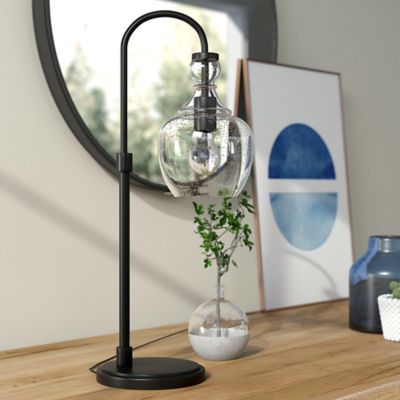
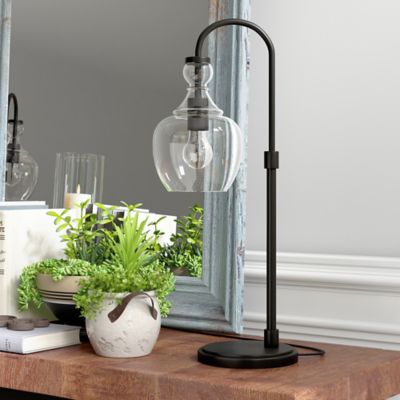
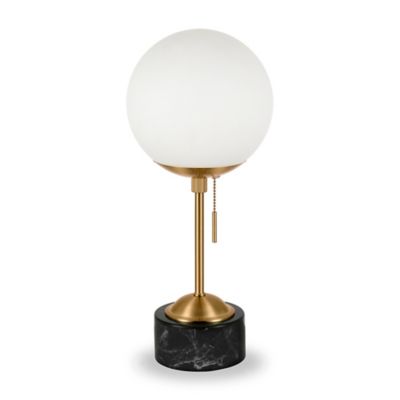
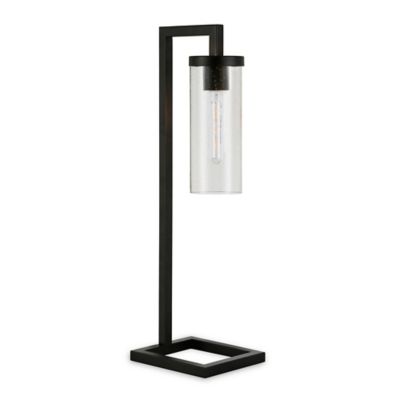
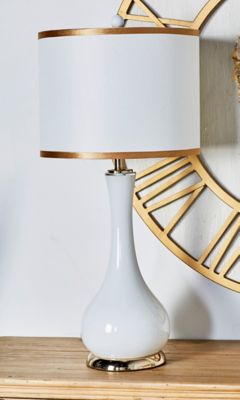
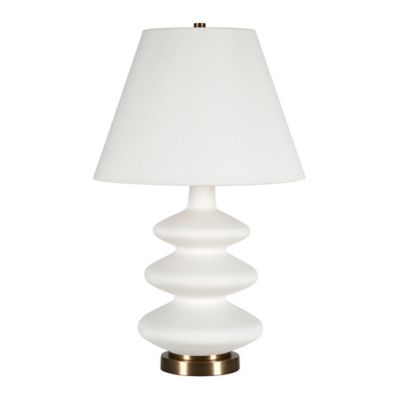
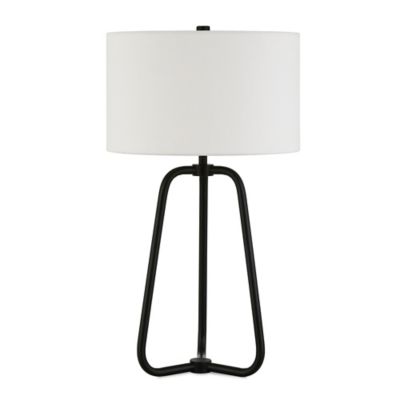
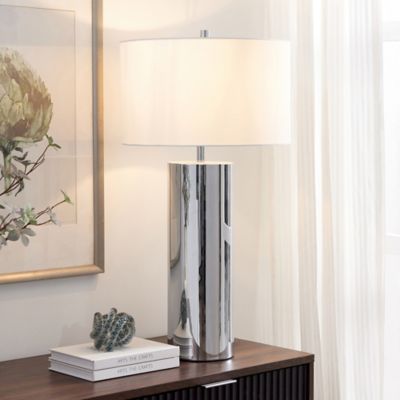
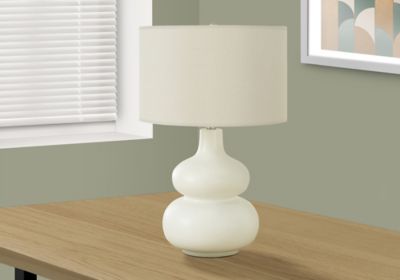
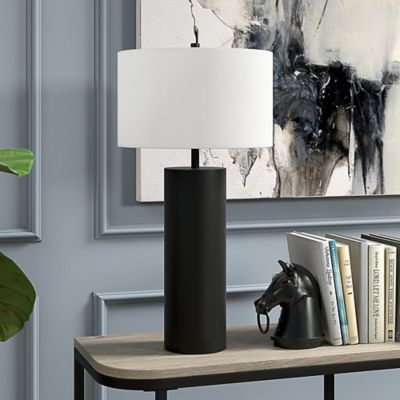
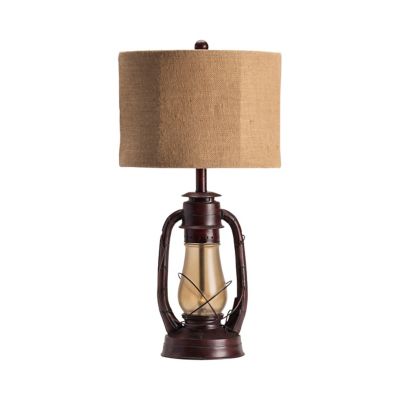
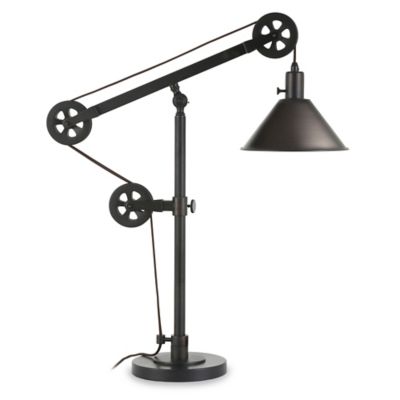
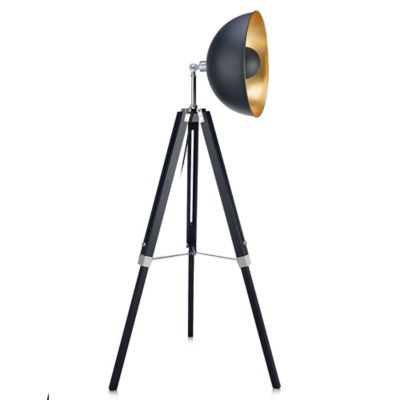
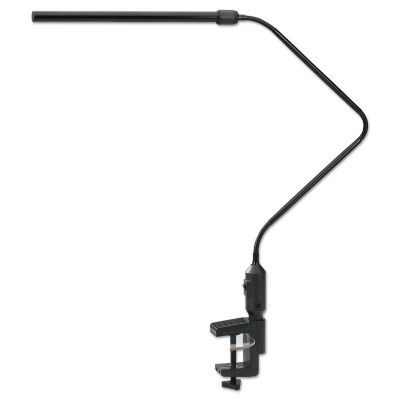
Table lamps for reading bring focused light to the page without asking an overhead fixture to do all the work. A downward-facing shade, comfortable brightness and a light source that stays out of the reader’s direct line of sight make a useful combination for books, newspapers and paperwork. Adjustable brightness helps the same lamp suit small print, a glossy magazine or a few quiet chapters before bed. Light color matters, too: warm white light around 2700K to 3000K gives a reading corner a softer feel, while light around 3500K to 4000K gives white paper a more neutral appearance. Color temperature describes the appearance of the light, not how bright it is, so lumen ratings deserve a look alongside those numbers. A bulb in the 450- to 800-lumen range can be a starting point for close reading, though the distance from the page, shade design, surrounding light and personal preference all affect how much light feels comfortable. Small print or a dark shade may call for more output. An adjustable lamp head or arm can put that light where it belongs instead of spilling it across the whole room. For writing notes beside a book, light coming from the side opposite the writing hand helps keep hand shadows off the paper. A little background light also makes the reading spot feel less stark than a bright page surrounded by darkness. Glare deserves just as much attention as brightness, especially with coated pages or a tablet on the table. A shade that shields the bulb and a head that tilts away from the eyes can help manage reflections. Dimmable lighting offers flexibility, but the bulb and dimmer need to work together; a dimmable LED bulb alone does not make every lamp adjustable. With replaceable bulbs, the socket type, maximum wattage and any enclosure requirements remain part of finding a suitable match.
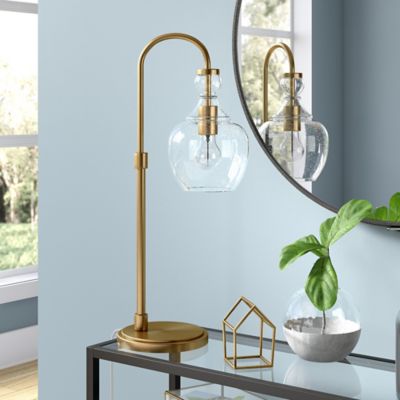
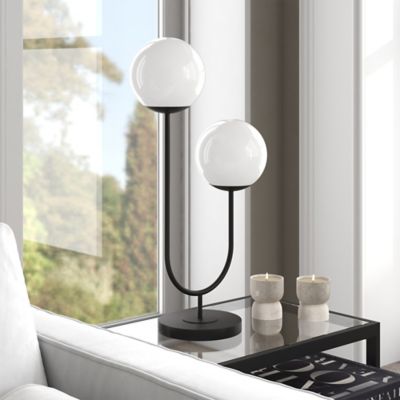
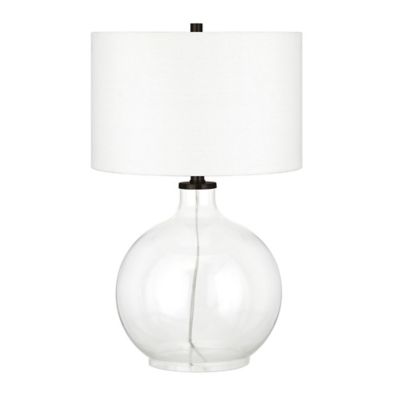
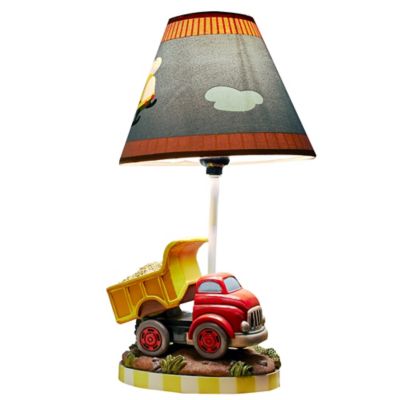
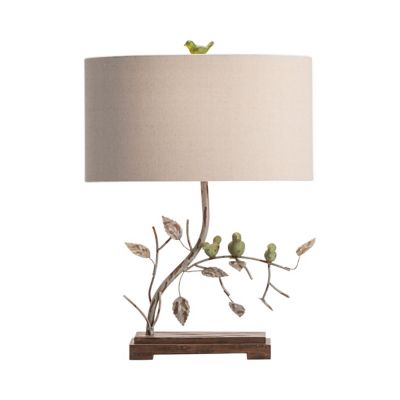
The size and shape of a reading table lamp matter as much as its finish. Beside an armchair, the lamp needs enough height and reach to light a book resting in the lap without leaving a bare bulb shining at eye level. On a desk, a lower shade or articulated arm may suit the space better, especially with shelves overhead. The bottom edge of a shade near seated eye level is a helpful starting point, although chair height and shade shape can change the fit. A broad base needs room on the tabletop, while a wide shade needs clearance from nearby shelves and walls. That leaves space for the things that belong beside a reading chair: a mug, a pair of glasses and a book waiting for the next chapter. Metal bases and arms suit working desks and spots where the lamp gets repositioned often; the hinge design, finish and base weight all affect how the lamp handles daily movement. Ceramic and glass bases bring different textures and shapes to a side table, though their weight and breakability deserve consideration in busy households. Wood can sit comfortably alongside a pine bookcase or a well-worn family table, with care depending on its finish. Shade materials change the light as well as the look. A light-colored fabric shade can soften illumination and spread some into the room, while an opaque metal shade directs more of it toward the work below. Darker shades can absorb more light, so their appearance alone does not tell the whole story. For a cheerful touch beside natural wood, painted cabinets or a plain reading chair,
Yellow Table Lamps can bring color to the setting. Whatever the color, a steady base, a secure shade attachment and adjustments that hold their position help keep the lamp practical rather than something that needs fussing with whenever the book comes out.
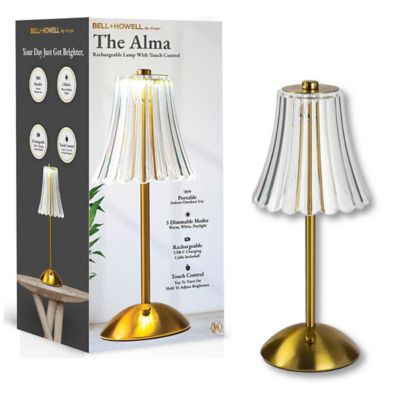
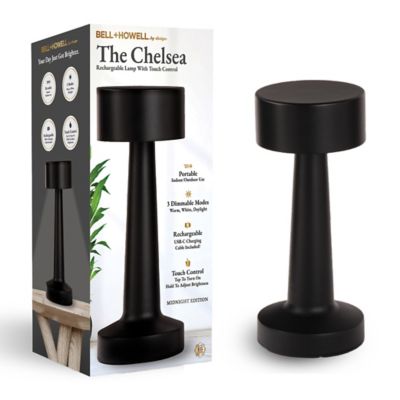
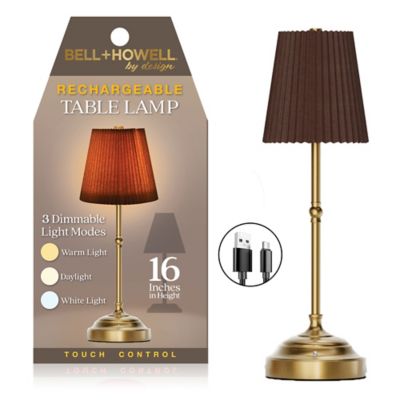
Reading lamps earn their place in plenty of everyday routines, from checking a seed catalog at the kitchen table to studying a repair manual at a desk or settling into a novel after chores. A shared room may call for a more contained pool of light, while a table that doubles as a homework spot benefits from a lamp that can shift between a book and a notebook. Bedside reading brings its own fit considerations: the switch should be easy to reach from the pillow, and the shade should keep direct light away from someone resting nearby. A large switch, a clearly marked control or a touch-operated base may suit someone who finds a small knob awkward, though each control style has its own feel. Cord length and outlet placement also affect where a lamp can sit safely. A cord stretched across a walkway or pinched behind a table is a poor match for the space, and the base belongs on a level surface where a passing elbow is less likely to catch it. Rechargeable designs offer freedom from an outlet during operation, with runtime, charging requirements and brightness settings worth considering for longer reading sessions. Everyday care is usually straightforward but depends on the materials. Unplugging the lamp and letting the bulb cool before cleaning makes it easier to handle safely. A soft cloth can lift dust from many bases, while fabric shades, unfinished wood and glass may need different care according to their instructions. Moisture should stay away from sockets, switches and electrical parts, and damaged cords or loose fittings call for attention before further operation. For a housewarming gift, a student’s study space or a family member who always has a book close by, a reading lamp is a practical choice when its height, controls and light output suit the person and the table. Good task lighting makes room for the reading itself, whether that means ten minutes with the mail or an evening spent turning pages.