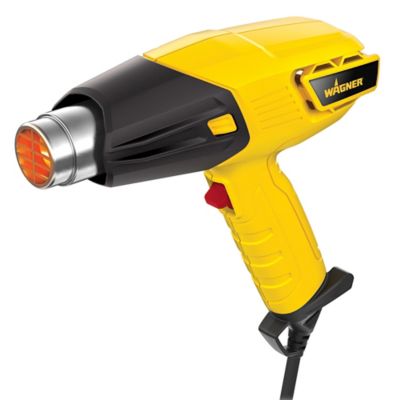
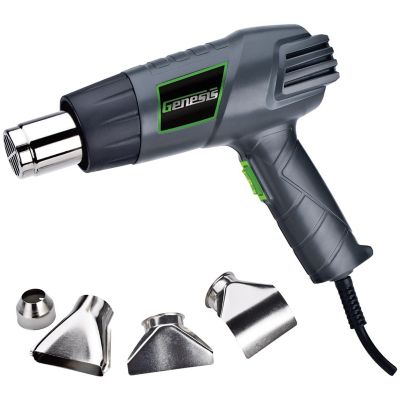
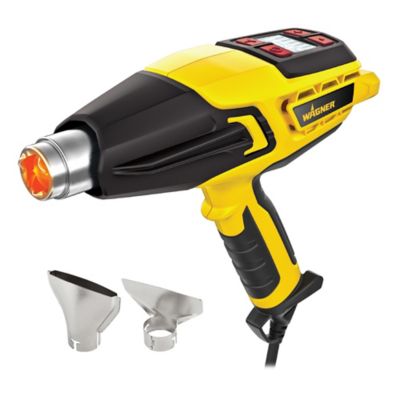
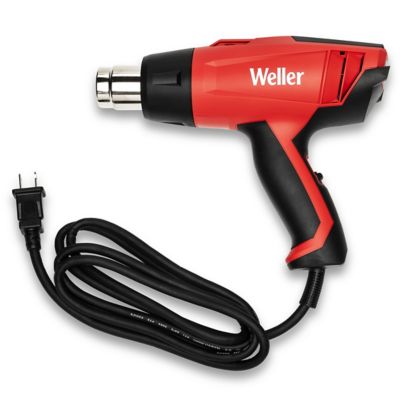
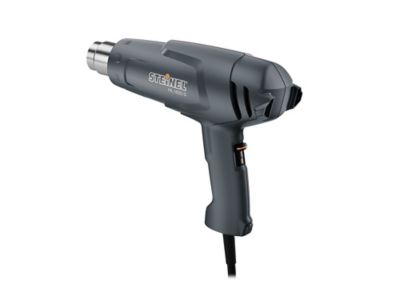
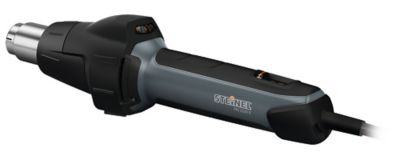
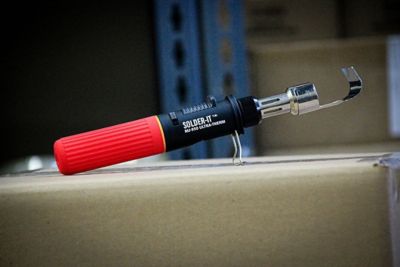
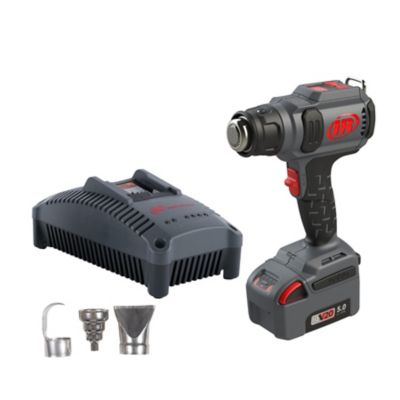
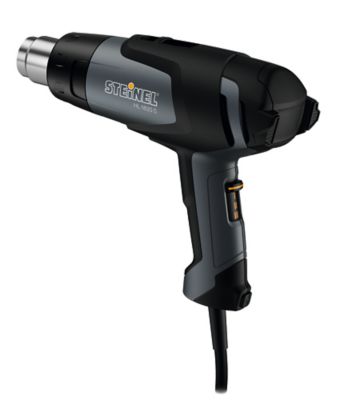
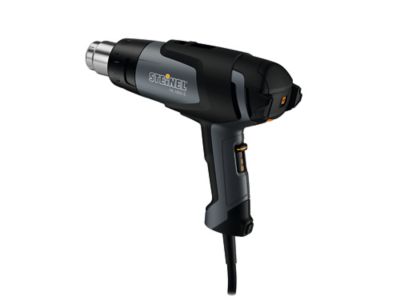
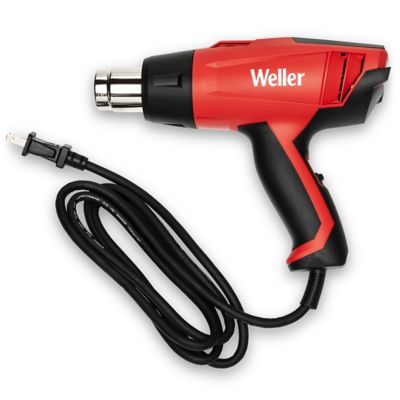
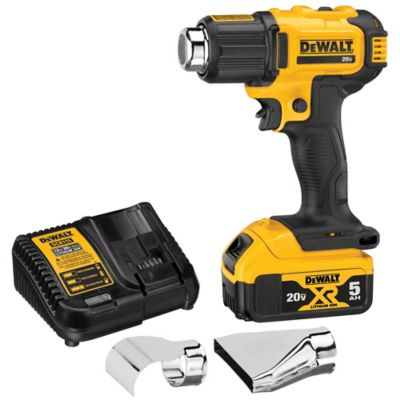
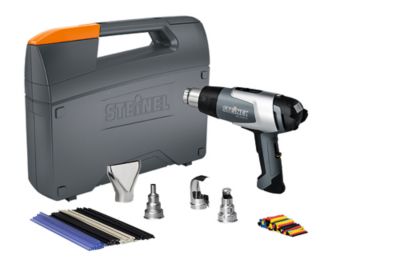
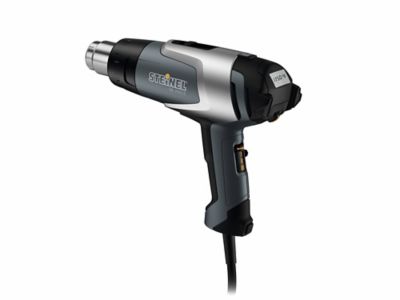
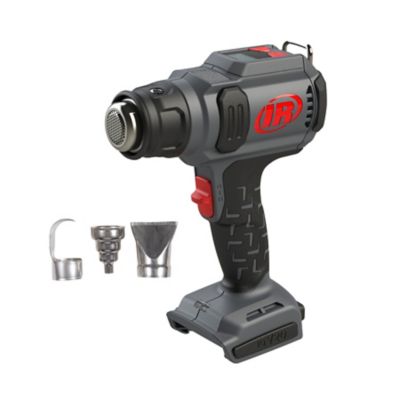
Adjustable heat guns are handy high-temperature tools for jobs that call for controlled heat instead of an open flame. They use a built-in fan to move heated air across a work surface, and the adjustable temperature and airflow settings let you match the tool to the material in front of you. Depending on the model, temperature ranges may begin around 120°F for gentle warming and climb beyond 1,000°F for demanding work. Lower settings can help soften adhesive, warm labels, shape heat-shrink tubing or loosen stubborn fasteners, while higher settings are useful for stripping paint, softening caulk and working with certain plastics. Multiple fan speeds add another layer of control: a slower stream can keep heat focused on a small area, while a stronger airflow can spread warmth across a wider surface. That control is especially useful around wood trim, finished cabinets, wiring, craft materials and other surfaces that can scorch, warp or blister when too much heat is applied too quickly. An adjustable heat gun can earn its keep in a farm shop, garage, workshop or home utility room, whether it is used for a weekend repair or kept ready for the next project that comes along. Common tasks include shrinking electrical tubing around properly prepared connections, loosening decals and stickers, softening old glue, helping remove layers of paint and warming flexible plastic for careful shaping. Automotive and equipment owners may use one for adhesive-backed trim, labels, small repairs and cleanup work, while crafters and DIY builders may reach for it when working with vinyl, embossing materials or other heat-responsive supplies. It can also help warm a frozen section of pipe in a pinch, but the process needs patience and care; keep the heat moving, avoid overheating one spot and follow the pipe material’s limits. Heat guns are not a substitute for a torch, and they should never be used near fuel, vapors, flammable liquids or materials that can catch fire. For general air movement around a work area, a separate tool such as
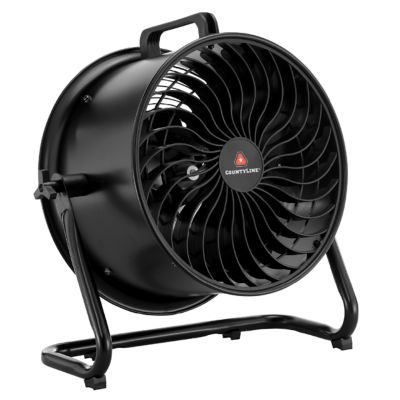
Adjustable Fans may be a better fit, while a heat gun is designed for close, targeted work.
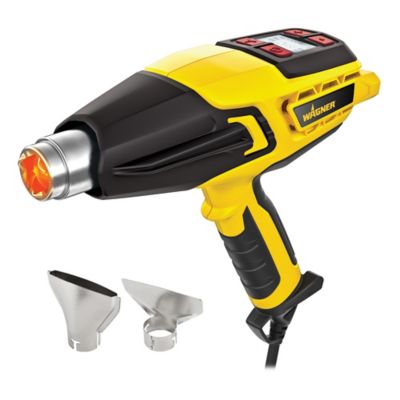
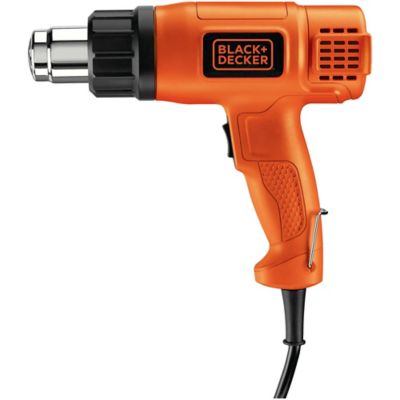
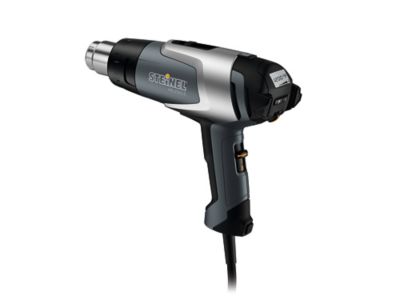
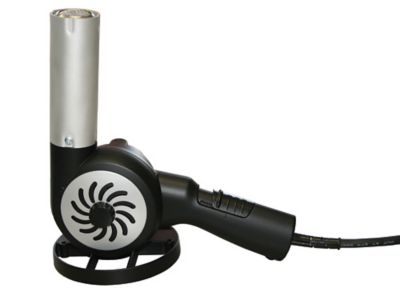
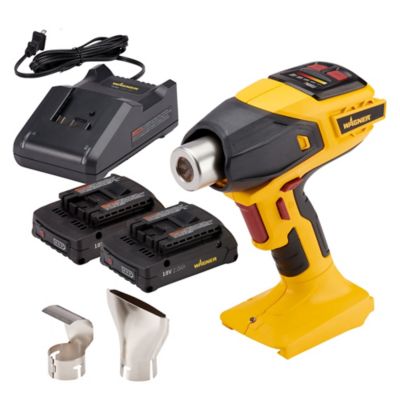
When choosing among adjustable heat guns, start with the kind of work you expect to do most often. A unit with a broad temperature range and fine adjustment is a smart choice for a mixed toolbox because it can handle delicate materials as well as tougher jobs. Digital controls may make it easier to set a precise temperature, while a simple dial can be quick to adjust with a gloved hand or when moving between materials. Look for at least two airflow settings, and consider whether the controls are easy to read and positioned away from the hottest part of the tool. Nozzle attachments can make a big difference. A concentrator nozzle narrows the hot-air stream for a small area, a wider deflector nozzle helps spread heat across a strip or surface, and a reflector-style attachment can wrap warmth around tubing or similar materials. Some heat guns include several tips, while others accept compatible accessories separately, so check what is included before choosing. Power source is another practical consideration. Corded models provide steady output for long sessions near an outlet, making them useful in a permanent workshop or garage. Cordless models offer freedom to move around equipment, fencing, outbuildings and remote work areas, though battery runtime and charging time matter when a job runs longer than expected. Wattage can give a general idea of heating power, but temperature control, airflow design and the tool’s ability to maintain heat are just as important. A flat back or integrated stand is helpful for hands-free cooling between tasks, and overload protection can help guard the motor during demanding use. Comfortable handles, manageable weight, a sturdy cord or reliable battery system and a balanced design are small details that become noticeable after several minutes of work. Keep a heat gun moving unless the instructions specifically call for stationary heating, and give the material time to respond rather than jumping straight to the highest setting. Work in a well-ventilated area, clear away sawdust, dry grass, paper and other combustibles, wear eye protection and heat-resistant gloves when appropriate, and allow the tool and nozzle to cool fully before storing it. Never point the hot-air stream toward skin, clothing, animals or another person, and keep children and pets away from the work area. During the warmer season, an adjustable heat gun can be useful for outdoor repairs, equipment labels and shop projects; during cooler months, it can stay close at hand for indoor maintenance, craft work and careful pipe-warming tasks. Because it serves both practical repairs and creative projects, it can also make a thoughtful gift for a handy homeowner, maker, auto enthusiast, farmer or do-it-yourselfer who enjoys having the right tool ready when a stubborn job lands on the bench.