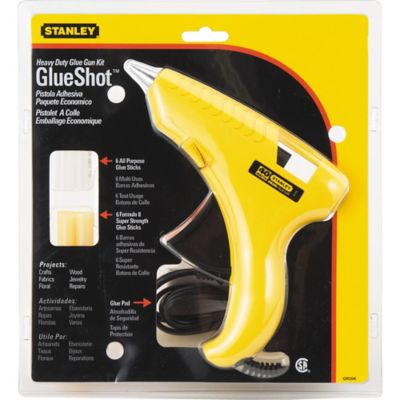
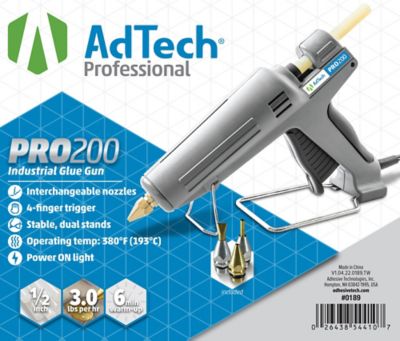
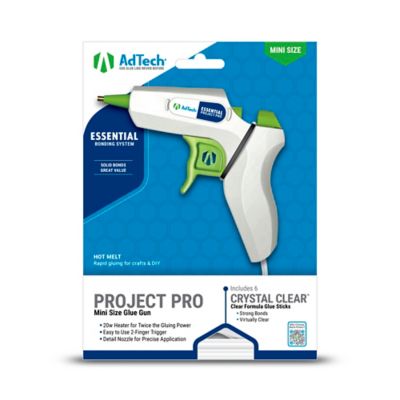
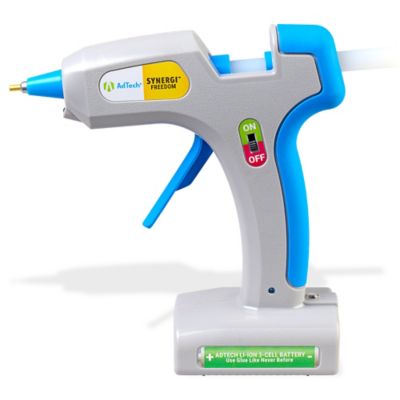
High temperature glue guns earn their place on a workbench when a project calls for a quick-setting bond without a long wait between steps. They heat compatible glue sticks into a flowing adhesive that grabs as it cools, making them handy for assembling lightweight parts, attaching trim, and keeping small pieces in position. Around a home shop, that might mean fastening wooden letters to a sign, attaching felt beneath a tabletop project, or securing cord around a wooden handle for a craft display. Woodworkers, hobbyists, model builders, and folks who enjoy making things for the house can all find plenty of work for this kind of tool. Higher operating heat helps suitable adhesives flow across a surface and into the texture of porous materials such as unfinished wood, cardboard, and some fabrics. That said, more heat alone does not make every joint stronger. The glue formula, surface condition, contact area, and demands on the finished piece all matter. Smooth glass, painted surfaces, and metal can be more challenging than bare wood, so adhesive compatibility deserves a close look. Certain plastics, thin fabrics, and foam can soften, distort, or show damage under high heat, making them poor matches unless both the adhesive and material instructions allow that application. For projects built around small wooden pieces, explore
Hot Glue Guns for Wood Crafts for tools suited to that kind of work. A good match between the tool, glue, and project helps keep attention on the assembly instead of fighting stringy beads or bonds that release too easily. High temperature glue guns are especially practical for small, nonstructural jobs where a visible bead can stay tucked behind an edge or beneath a backing. They are not substitutes for screws, bolts, joinery, or a purpose-made construction adhesive when a connection needs to carry weight or protect someone from injury. That distinction matters just as much for a little shelf accent as it does for a larger shop project.
Choosing among high temperature glue guns often comes down to the size of the work and how long each session will last. Compact designs can feel easier to manage around small parts, while larger designs may better suit projects that call for longer beads and repeated trigger pulls. Glue output and recovery between applications matter more than body size alone: a tool that keeps pace with a broad assembly job serves a different purpose than one meant for occasional dots of adhesive. Wattage describes electrical power, but it does not tell the whole story about operating heat, warm-up time, or how steadily glue flows. Those details depend on the tool’s design and stated specifications. Glue stick diameter is another important fit consideration. A stick that looks close in size is not necessarily compatible, and the wrong diameter can feed poorly or fail to work at all. Adhesive temperature ratings matter, too, since not every stick belongs in a high temperature tool. Beyond those basics, handle shape, trigger reach, and balance can make a noticeable difference during a long stretch at the bench. A comfortable grip helps with controlled placement around narrow edges, while a steady stand gives the tool a proper resting spot between applications. Nozzle shape affects access and bead size; a narrow tip can help reach a tight corner, while other designs favor broader application. Removable tips should only be exchanged when the tool’s instructions permit it. Corded designs suit a bench near an outlet, while cordless designs can offer more freedom around larger workpieces, with battery fit and runtime becoming part of the decision. A power indicator or adjustable setting can also be helpful, although neither replaces checking the operating instructions. For longer seams, adhesive working time deserves attention: glue that begins cooling before the pieces meet may leave a weaker bond, even when the bead looked right coming out of the nozzle. Matching output to the pace of the work can make assembly much less frustrating.
The finished project’s surroundings matter just as much as the way it comes together. Hot-melt bonds can soften with heat, and exposure to moisture, sunlight, repeated flexing, or vibration may limit how well a particular adhesive holds. A bond suitable for a lightweight indoor display may not suit something that stays in a truck cab, hangs outdoors, or takes a bump every time a shop drawer closes. Water resistance, material compatibility, and service limits belong to the adhesive formula, not simply to the gun’s high temperature rating. Clean, dry contact surfaces give compatible glue a better chance to hold; dust, grease, loose paint, and flaky fibers can leave the adhesive attached to material that pulls away. Finished wood also deserves care because heat or glue removal can affect a coating, and a trial on a hidden area can help reveal trouble before a visible surface gets marked. At the workbench, a heat-resistant mat and the tool’s proper stand help keep the hot nozzle and stray drips away from the tabletop. Molten adhesive and the nozzle can cause serious burns, so fingers need to stay clear of the bead, and children and pets need space away from the work area. Good lighting makes small joints easier to see, while a clear resting area keeps cords and nearby materials out of the way. Routine care is generally straightforward: follow the maker’s cleaning directions, disconnect power as directed, and let the tool cool before storage. Pulling a glue stick backward or scraping a hot nozzle with the wrong tool can damage parts, so the operating instructions should settle those details. A dry storage spot that protects the cord, trigger, and nozzle helps keep the gun ready for its next job. For the home crafter or shop tinkerer, the right fit is a tool that feels comfortable in hand, feeds the proper adhesive smoothly, and suits the small assemblies that regularly land on the bench.