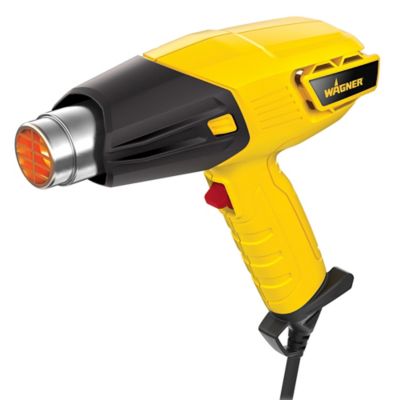
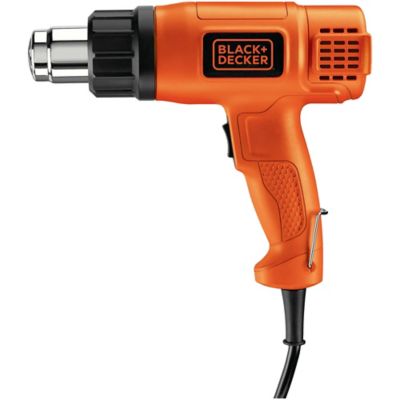
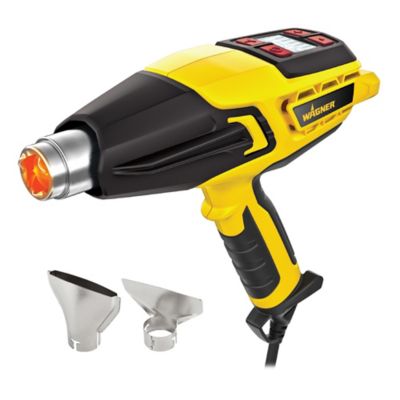
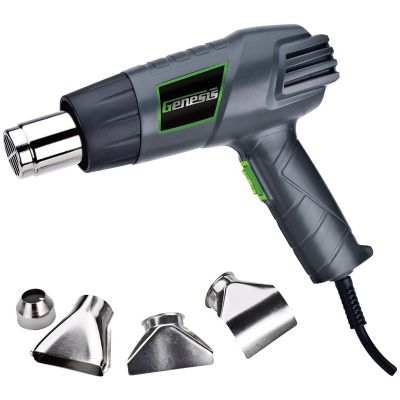
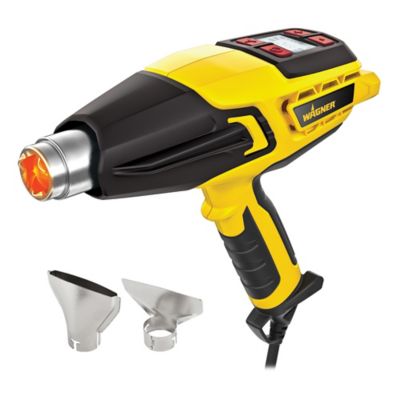
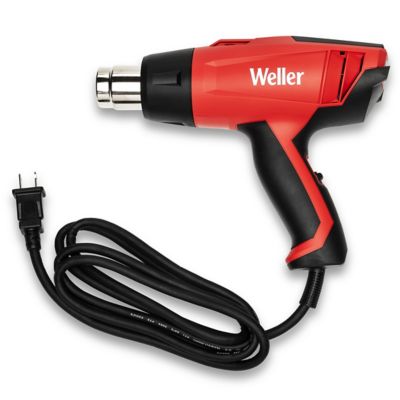
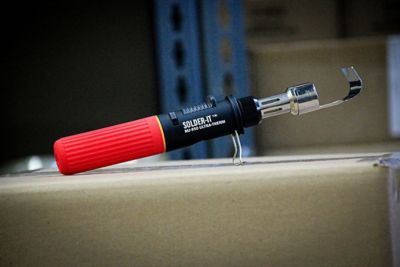
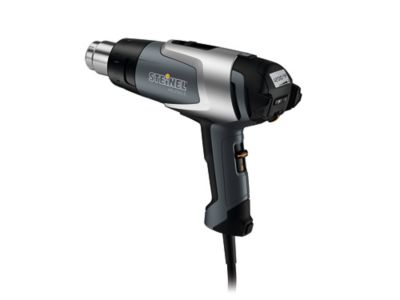
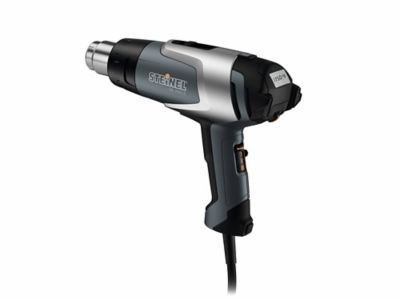
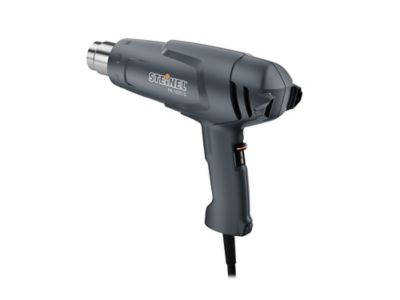
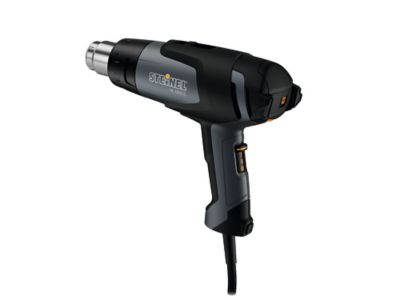
A heat gun is an electric power tool that sends a concentrated stream of hot air through a nozzle to soften adhesives, shrink tubing, loosen certain coatings, and shape compatible materials. Inside the housing, a fan draws air across a heating element and pushes it toward the work surface. Unlike a torch, a heat gun does not produce an open flame, though its air stream and metal nozzle can still ignite materials and cause serious burns. Depending on the model, operating temperatures may range from about 100°F to 1,200°F; the manufacturer’s specifications determine the actual range. That spread covers different kinds of work, from shrinking a protective sleeve around an equipment wiring connection to loosening adhesive behind a label on a metal cabinet. Around a farm shop, garage, or maintenance bench, heat guns can help with repairs that call for concentrated heat rather than warming an entire area. They also suit woodworking, certain plastic-forming projects, and craft work where the material’s instructions call for hot air. The right match depends on both the job and the surface underneath it. A steel panel, a thin plastic cover, and a finished wood board respond very differently to the same heat. Adjustable temperature settings give more control when moving between materials, while a dual-temperature design keeps operation straightforward for recurring tasks. Airflow matters separately from temperature: a stronger stream can cover a larger patch, while gentler airflow is better suited to light materials that might shift across the bench. A digital display can make settings easier to read and repeat, but it does not necessarily show the temperature of the workpiece itself. For anyone comparing heat guns, the useful starting point is the material, the amount of surface to cover, and how closely the heat needs to stay within a small working area. Maximum heat alone tells only part of the story.
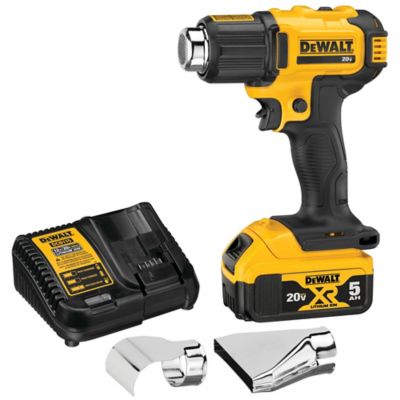
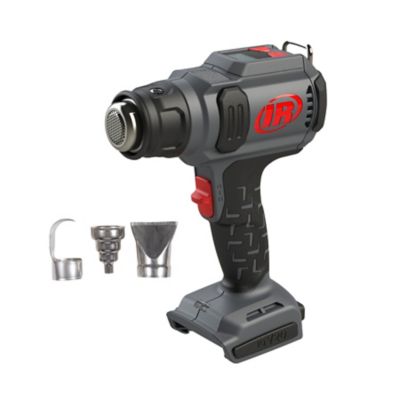
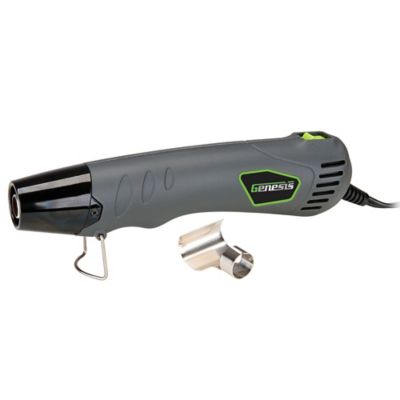
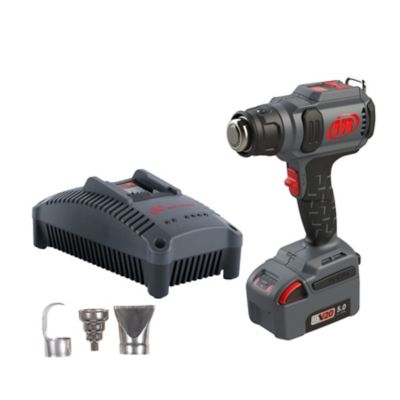
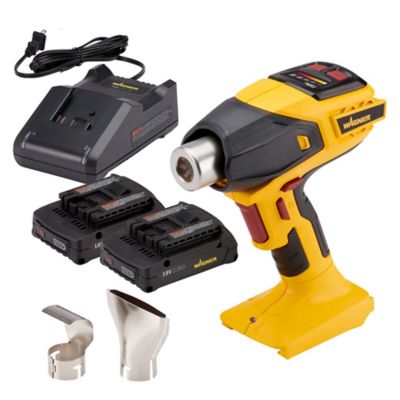
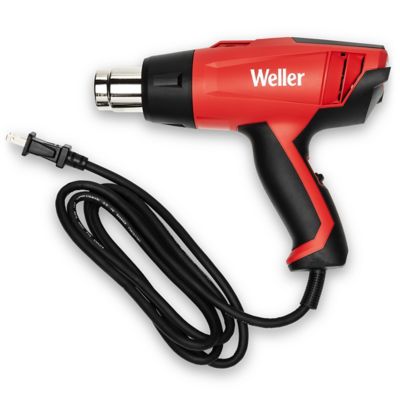
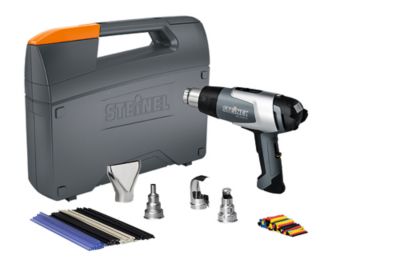
Corded and cordless heat guns fit different work habits. A corded heat gun suits a bench with a suitable outlet nearby, especially when the work involves repeated heating cycles without waiting on a battery charge. Its wattage and electrical requirements deserve a look alongside the circuit capacity and any extension-cord requirements in the manual. A cordless heat gun offers more freedom around a trailer, equipment bay, or repair area where a cord would get in the way, but battery capacity and heating demand affect runtime. Compatibility with an existing battery platform can matter just as much as the tool’s size, and the included components should be checked rather than assumed. For either style, grip shape, balance, and switch placement make a difference when the job stretches beyond a quick touch-up. A broad handle opening may accommodate work gloves more comfortably, while a compact body can be easier to position near a crowded assembly. The nozzle shape also changes how hot air reaches the material. A concentrator directs airflow toward a smaller area, a flat nozzle spreads it across a wider strip, and a reflector wraps airflow around tubing or another rounded piece. Attachments need to match the tool and its approved applications; a similar-looking fitting is not necessarily a safe fit. A stable resting position, a hanging loop, or a manufacturer-approved stand can help keep the hot nozzle away from the bench between passes. Hands-free operation is appropriate only when the tool is designed for it. Other features worth comparing include variable fan speed, a clearly marked temperature control, thermal overload protection, and a cool-down function. Those details can make a difference whether the task is a short wiring repair or a longer stretch of adhesive removal. For longer sessions, check the stated duty cycle as well, since not every heat gun is built for uninterrupted operation. Thermal protection is a safeguard, not a substitute for following those operating limits.
Material compatibility is where a heat gun earns its place in the toolbox. Heat-shrink tubing needs the temperature range specified by its maker, and adhesive-lined tubing may have different requirements from a plain sleeve. The tubing protects an appropriate connection; it does not take the place of a proper electrical connector. On adhesive-removal jobs, the underlying finish can be more sensitive than the label or glue being loosened. Painted metal may tolerate conditions that would blister a clear coat, warp a plastic panel, or scorch bare wood. Plastic bending likewise calls for a material approved for heat forming, not just any piece of pipe or sheet within reach. When paint removal is part of the job, older coatings deserve special attention because they may contain lead or other hazardous substances. Heating unknown coatings can release dangerous fumes, so testing and an appropriate removal method matter before work begins. Good ventilation, eye protection, and heat-resistant gloves belong in the work area, along with clearance from fuel, solvents, dust, and other combustible material. A heat gun should never point toward skin, clothing, or a sealed container, and it is not a substitute for a hair dryer. Nearby wiring, hoses, insulation, and hidden material behind a panel also need consideration, since heat can travel beyond the visible work area. Keeping the intake clear helps the tool breathe, while a clean, unobstructed nozzle supports its intended airflow. After operation, the tool needs its specified cool-down period on a stable, heat-resistant surface before the nozzle touches a case, shelf, or other stored equipment. Once it is fully cool and disconnected from power, routine checks of the cord, housing, vents, and attachments help catch damage before the next job. For heating a larger area rather than a small work surface,
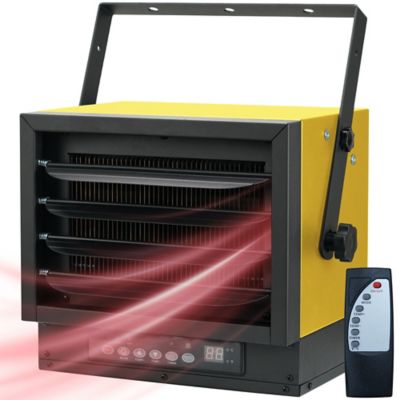
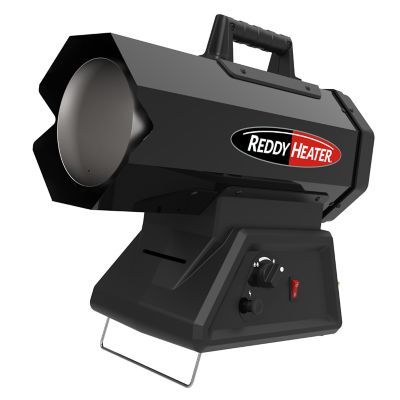
Hot Air Heaters serve a different purpose; a heat gun is not a space heater. Matching heat output, airflow, handling, and attachments to the task makes for a better fit at the workbench and fewer surprises when the work gets going.