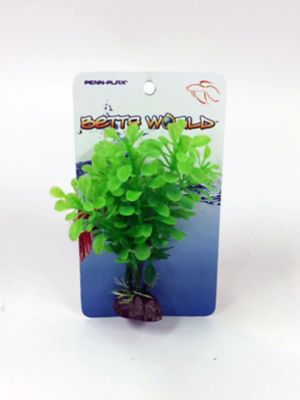
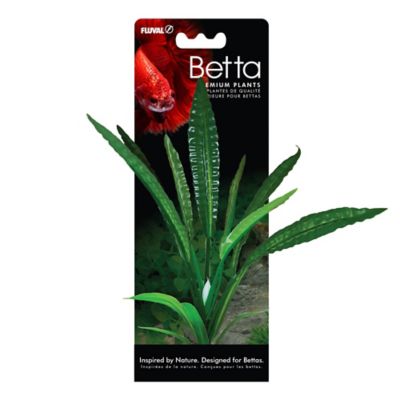
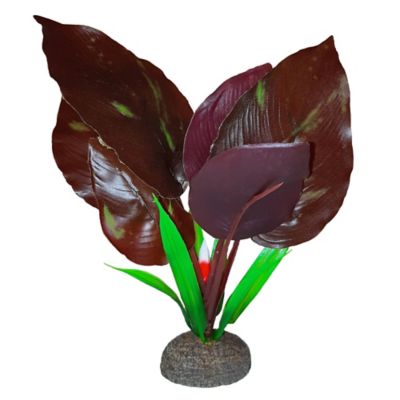
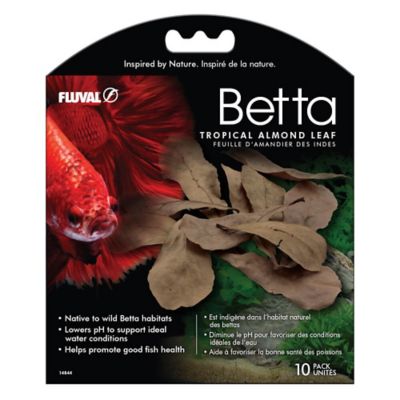
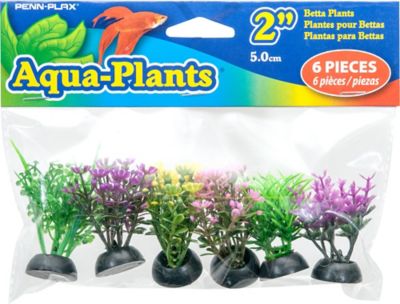
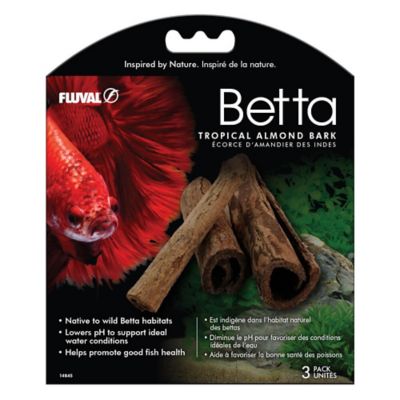
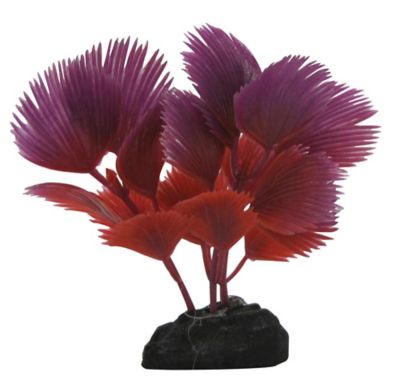
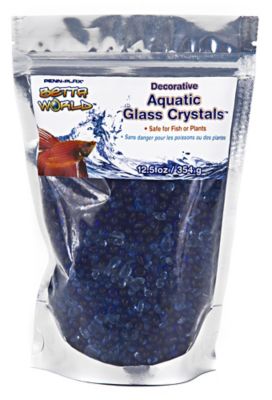
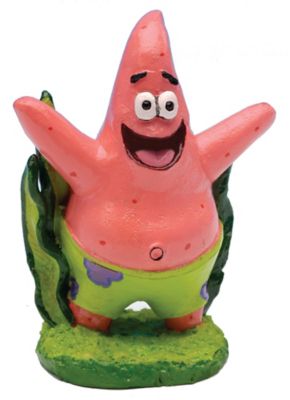
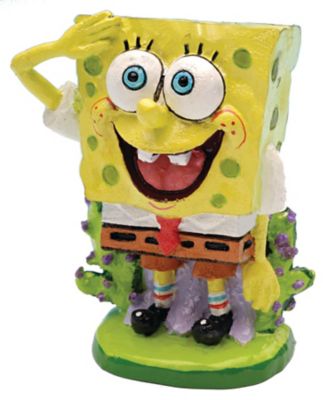
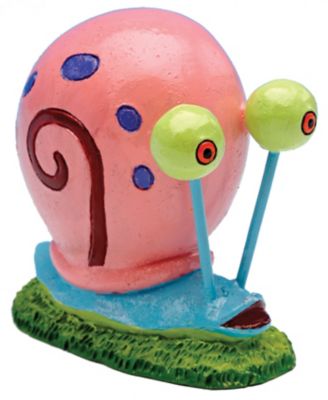
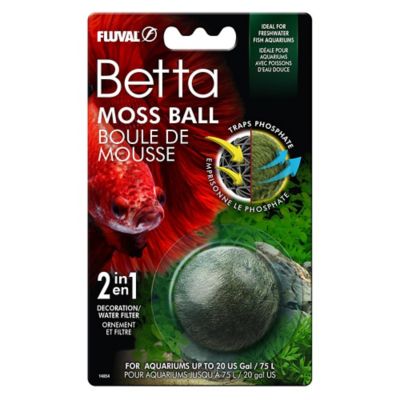
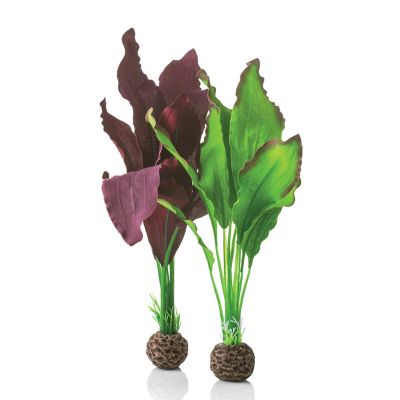
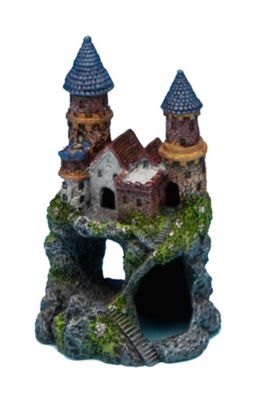
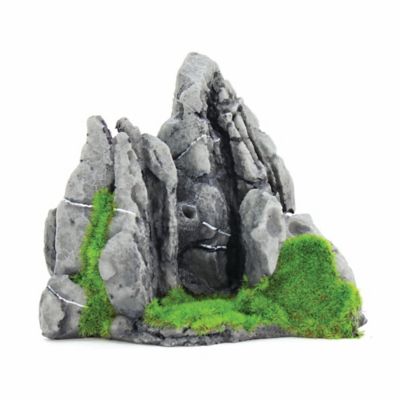
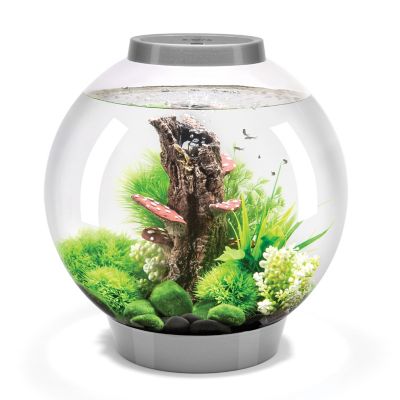
Aquarium decorations for betta fish give a tank more than a good-looking backdrop. Smooth caves, soft plants, floating shelters, and broad resting leaves can create places to tuck away, explore, or take a break without catching delicate fins. Bettas often move between open water and sheltered corners, so a comfortable setup leaves room for both. A fish with long, flowing fins benefits from gentle surfaces and roomy passages, while a short-finned betta still needs protection from sharp edges and tight openings. The best fit comes down to aquarium-safe materials, smooth construction, and shapes that suit the fish rather than just the tank’s appearance. Resin ornaments, ceramic shelters, and artificial plants should be labeled for aquarium use, with finishes intended for continuous contact with water. A painted household figurine or a rock brought in from the yard may look right but can introduce substances that do not belong in a freshwater aquarium. Exposed metal parts are another concern because corrosion can affect the water. For artificial greenery, soft silk-style leaves or flexible aquarium-safe materials offer gentler contact than stiff, pointed plastic foliage. Real aquatic plants can also provide cover, though they bring their own lighting and care needs. Broad leaves create a different resting surface than fine, branching stems, and a mixture of shapes can make a tank feel less bare without packing every inch. Rounded caves bring a sheltered spot closer to the bottom, while floating logs offer cover nearer the surface. A leaf-shaped resting platform serves a different purpose again, supporting a fish close to the air above the water. Bettas breathe air at the surface, so those upper resting places should leave an easy route upward. Earthy rock shapes, wood-look shelters, and green plants can give the aquarium a pond-like feel, while brighter ornaments bring a playful look. Either approach can work when the surfaces, openings, and placement put the fish’s needs first.
Tank dimensions matter as much as the shape of an ornament. A shelter that looks modest on a shelf may take up a large share of a narrow aquarium once gravel, a filter, and other equipment are in place. Width, height, footprint, and opening size all help show whether a piece will fit without crowding the swimming area. Interior space deserves attention, too: a large outer shell does not always mean a roomy passage inside. Cave entrances and tunnels should let the fish enter, turn, and leave comfortably, with no small side holes or narrowing channels where its body could become wedged. Long fins need clearance beyond the fish’s body width. Hollow ornaments also need accessible interiors so debris can be removed rather than left trapped out of sight. In a longer aquarium, a sheltered corner at one end and an open stretch through the middle can give the fish several places to spend time. In a taller setup, resting leaves and plants with broader upper foliage help make better use of the space near the surface. Suction-cup platforms need a clean glass surface and a secure hold, and floating shelters should have room to move without blocking equipment or surface access. For a larger setup,
20 Gallon Fish Tank Decorations can help tie together shelters, plants, and open swimming space on a broader scale. The tank’s footprint still matters more than gallon capacity alone when deciding how a particular shape will sit. Stable bases keep plants and shelters from tipping as the fish moves around them or during routine tank care. Heavier ornaments should rest securely rather than perch on an uneven pile of gravel. Decorations also need clearance around the filter intake and other equipment so water can circulate and maintenance remains manageable. A roomy arrangement makes it easier to see the fish, spot uneaten food, and reach the glass, while still giving the betta a quiet place out of view.
Care and construction make a difference long after the tank is arranged. A smooth finish should extend beyond the front of an ornament to its underside, seams, entrance rims, and inner walls. A piece that looks rounded from a distance can still have a rough molding seam or a sharp edge tucked inside a tunnel. A light pass with a soft nylon stocking can reveal snagging spots; a catch is a reason to inspect the surface more closely, not proof that every other surface is safe. Soft plant leaves should bend without exposing stiff tips, and their bases should stay intact through routine rinsing. Resin coatings should resist peeling, ceramic pieces should remain free of chips, and attachment points should hold without exposing sharp hardware. Simple shapes with reachable surfaces are often easier to keep clean than intricate ornaments with many tiny crevices. Aquarium furnishings generally need rinsing before placement, following the material’s care directions, and regular attention as algae and debris collect. Plain water and a dedicated aquarium brush suit many routine cleaning tasks; household soap and detergents can leave residues that harm fish. Boiling or harsh scrubbing can damage some materials, so the care instructions for the piece matter. During maintenance, checking for cracks, loose parts, flaking finishes, and roughened edges helps keep familiar resting spots safe. Plant bases, suction cups, and hollow shelters deserve a closer look because buildup can hide there. These practical details matter whether the aquarium sits on a sturdy living-room cabinet, a home-office stand, or in a family space where children help with supervised care. Aquarium decorations can also make a thoughtful gift for a betta keeper when the recipient’s tank size, preferred look, and care routine are known. A well-matched shelter or resting plant adds something the fish can interact with, not just something people can admire from across the room. The goal is a tank that feels inviting to watch and gives its resident room to swim, pause, and settle in.