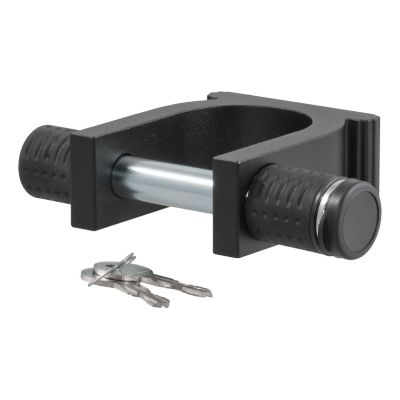
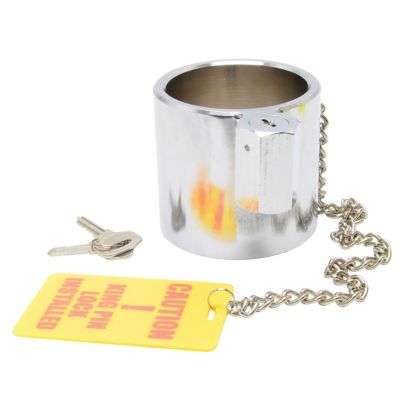
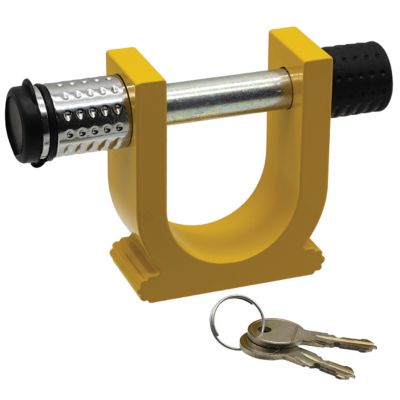
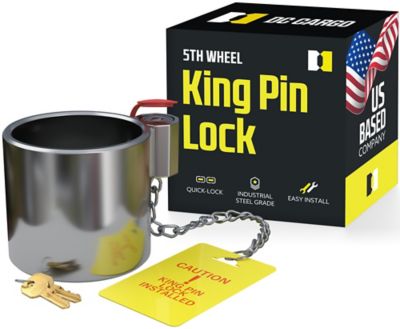
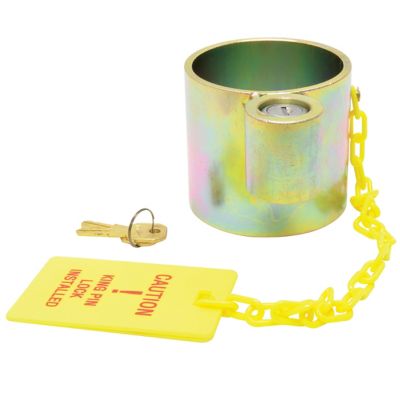
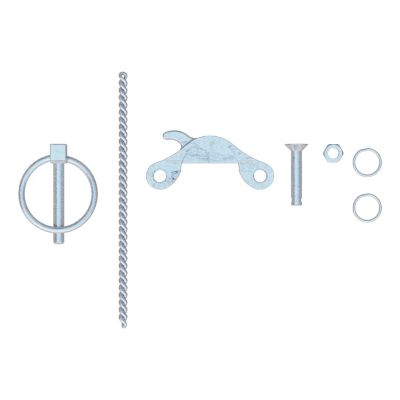
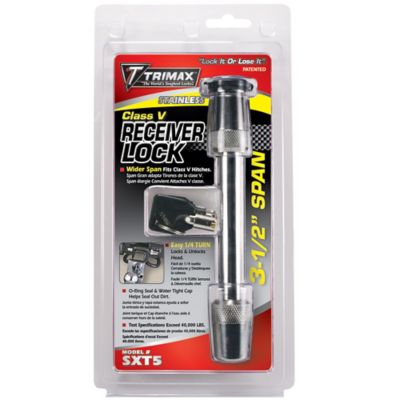
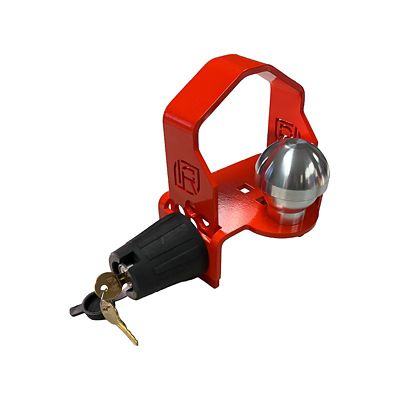
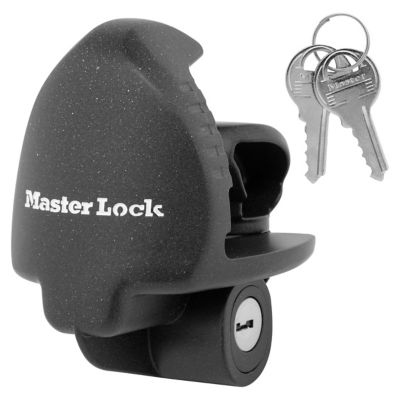
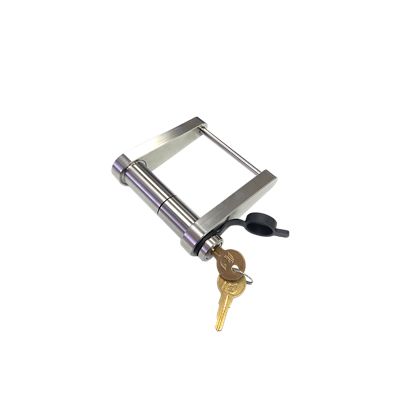
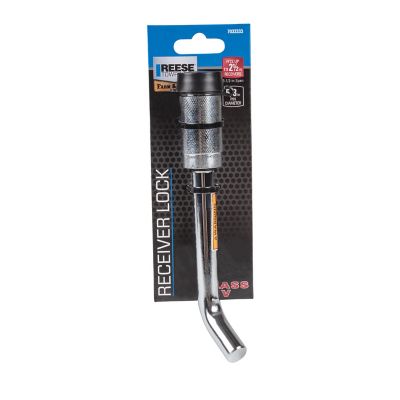
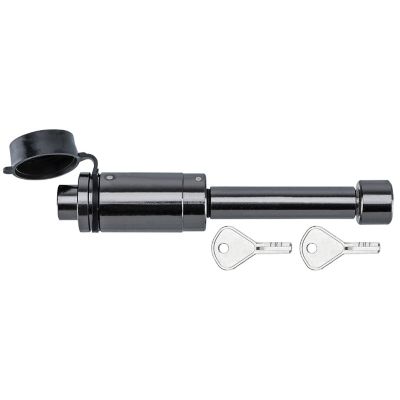
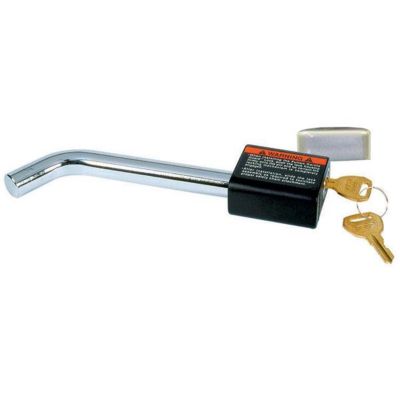
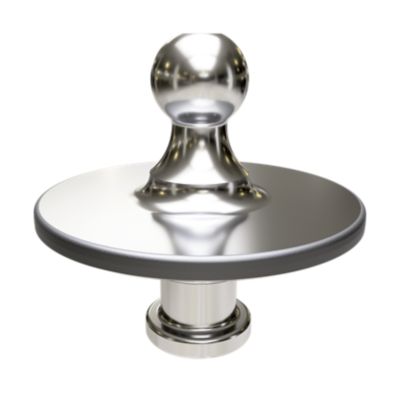
A 5th wheel lock, also called a king pin lock, is a trailer security device that fits over or around a fifth-wheel trailer’s king pin to help prevent unauthorized hookup. The king pin is the projecting steel connection point that engages the fifth-wheel hitch on a truck or tractor. With a lock secured around that connection, the hitch cannot couple normally, adding a physical barrier between a parked trailer and someone trying to haul it away. These locks are intended for detached trailers, whether that means a fifth-wheel camper beside the barn, a commercial trailer in an equipment yard, or a hauling trailer waiting for its next job. For farmers, contractors, truck operators, and RV owners, protecting the trailer also helps protect the time and effort tied up in keeping it ready to work or travel. A king pin lock addresses the coupling point itself, rather than securing a door, cargo compartment, or wheel. That distinction matters when comparing trailer security equipment: a padlock on the rear doors does not stop someone from connecting to the front, and a king pin lock does not secure the contents inside. It also differs from a hitch lock that secures towing hardware to the truck. Fifth-wheel locks stay with the disconnected trailer and block access to its connection point. Their compact size makes them practical for trailers that move between home, a jobsite, a campground, and a storage lot, where a permanent gate or enclosed building may not be an option. A clearly visible lock can also signal that the trailer has an added security measure in place. No portable lock makes a trailer theft-proof, but blocking ordinary hookup adds an obstacle that a bare king pin does not provide. For a trailer that spends plenty of time parked between trips, that is a useful layer of protection.
Fit comes first because a lock needs to match the king pin and have enough room to seat and close as its maker intends. Many fifth-wheel trailers have a nominal 2-inch king pin, but that common measurement alone does not establish compatibility. The shape of the lock opening, the portion of the pin it surrounds, and clearance beneath the hitch plate all matter. On an RV, the surrounding pin box can affect access; on a commercial trailer, nearby structure and the condition of the coupling area can influence how easily the lock goes on and comes off. Product dimensions and application details are more helpful than judging fit from a picture or assuming every fifth-wheel connection is identical. Depending on the design, a lock may slide over the lower end of the king pin or close around it, with an integrated cylinder or a separate locking mechanism holding the assembly shut. Materials such as hardened steel can help resist cutting and impact, while body thickness, joints, and protection around the locking mechanism also contribute to the overall security design. A heavy body alone does not tell the whole story. An exposed fastening point or a poor fit can leave an opening for tampering, so the complete construction deserves attention. Protective finishes can help limit corrosion, especially around surfaces that collect dirt or residue. Smooth operation matters, too: a lock that closes cleanly and gives a clear indication that it is secured is easier to work into a regular parking routine. Key access should remain manageable without awkward reaching beneath the trailer, and the lock should be removable without disturbing other hitch components. Ball-coupled trailers call for a different connection style;
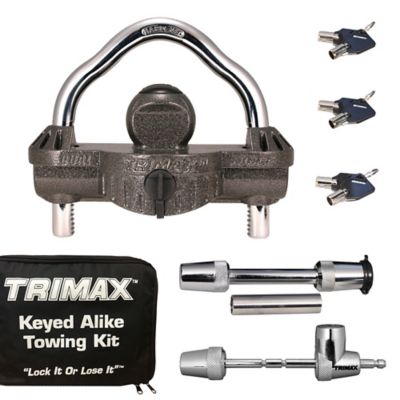
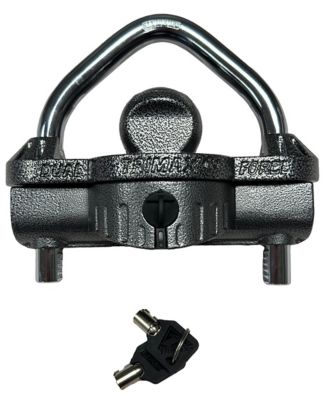
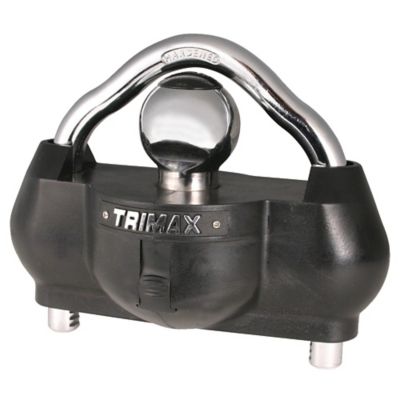
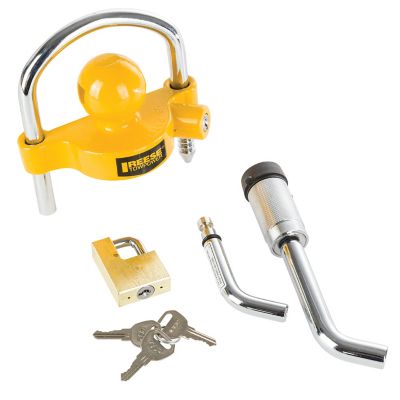
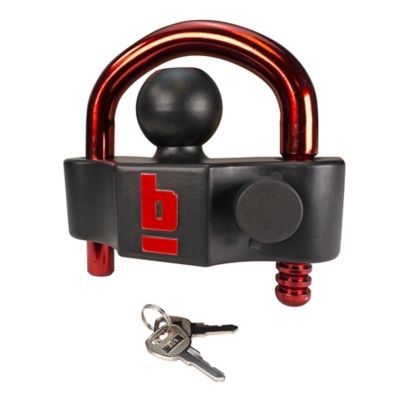
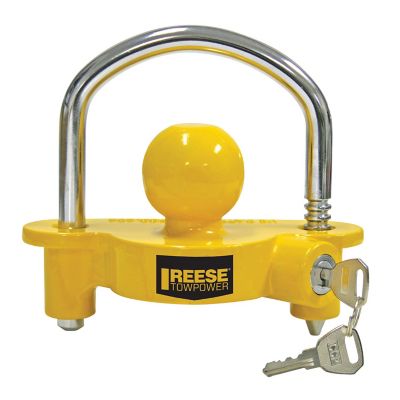
Universal Trailer Coupler Locks are a separate category to consider for those setups. Even when a lock carries a universal designation, the listed coupler dimensions and compatibility details still matter. A fifth-wheel king pin, a gooseneck coupler, and a bumper-pull ball coupler should not be treated as interchangeable.
Everyday handling and care help determine how well a fifth-wheel lock holds up over repeated trips. The coupling area can carry grease, grit, and road residue, so a lock benefits from a designated storage spot that keeps it from rolling around with chains, loose hardware, and tools. Wiping away buildup before storage helps keep debris out of the keyway and makes it easier to notice damage. Lubrication needs vary by locking mechanism, making the maker’s care directions a better starting point than applying whatever grease happens to be close at hand. Excess lubricant can collect dirt, and incompatible cleaners may affect finishes or internal parts. Regular checks for cracks, bent sections, sticking keys, loose components, or significant corrosion help catch trouble before the next departure. A lock that no longer closes fully or releases normally needs attention rather than extra force. Removal before hookup is just as important as installation after parking: a king pin lock is not towing hardware and should never remain on the pin while coupling. Keeping its key in a consistent place, with a spare stored separately from the trailer, can save a frustrating delay when the truck is lined up and the day's work is waiting. For households or operations with several trailers, clear key identification can make the routine easier without leaving access information on the trailer itself. Security also works better in layers. A king pin lock can complement secured trailer doors, controlled yard access, lighting, and other measures suited to the parking location, but it does not replace proper parking practices or wheel chocks. The right choice fits the connection, stands up to regular handling, and is straightforward enough to put on every time the trailer is left disconnected. Whether the next stop is a livestock auction, an equipment delivery, or a campground, a well-matched lock helps keep the trailer where it belongs until it is time to hook up.