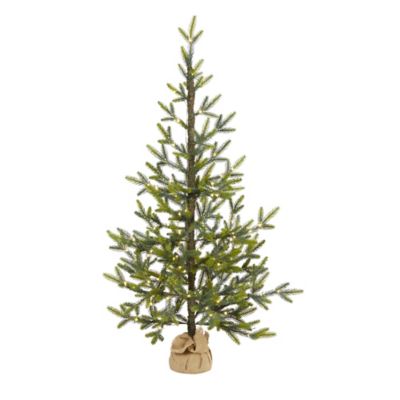
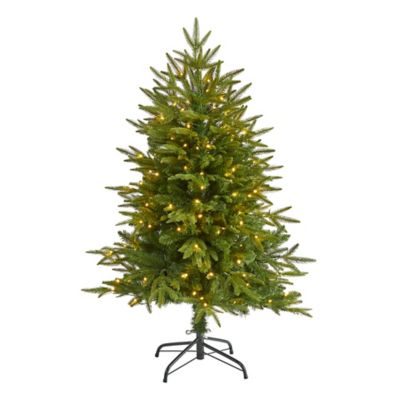
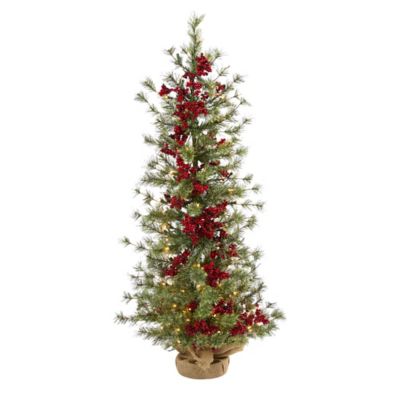
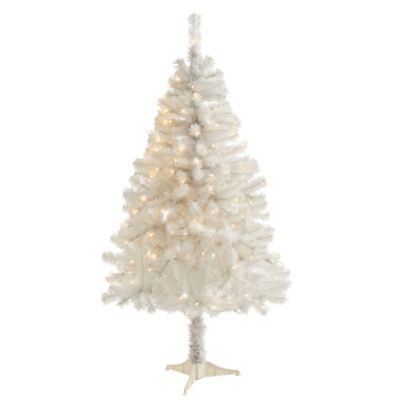
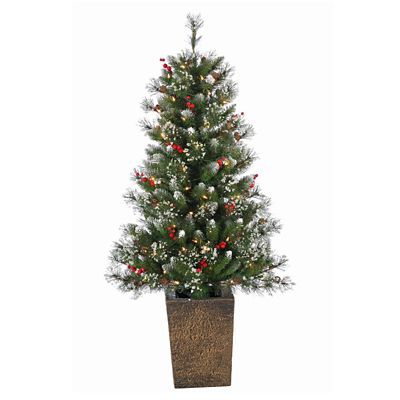
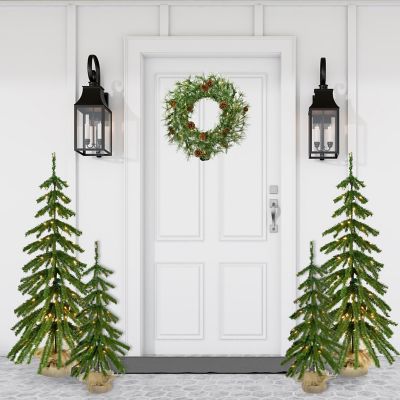
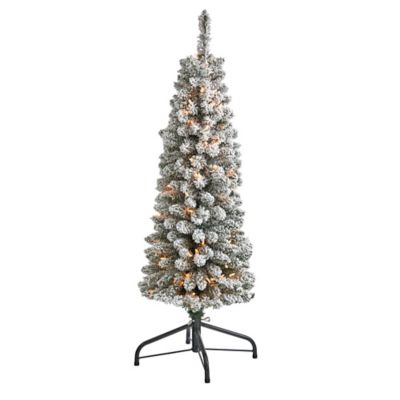
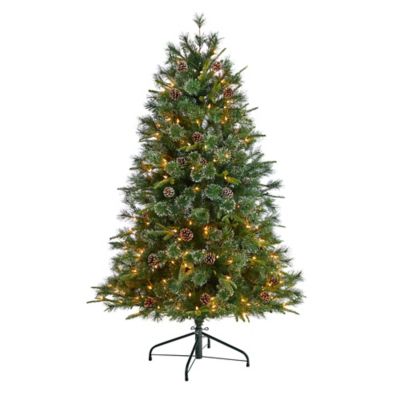
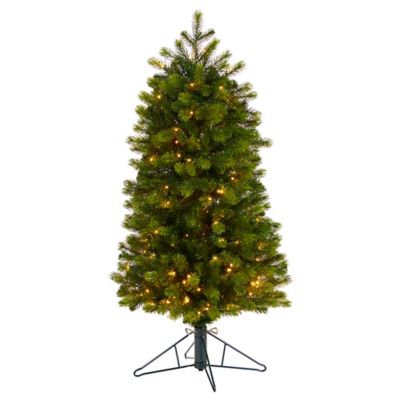
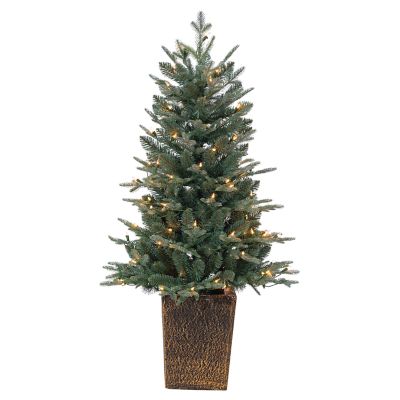
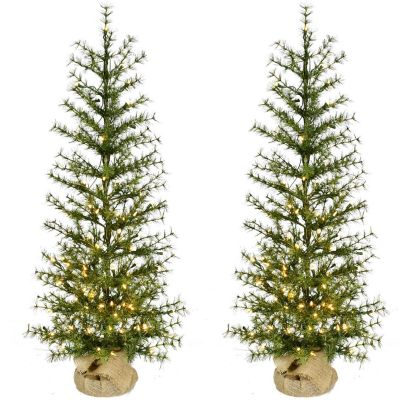
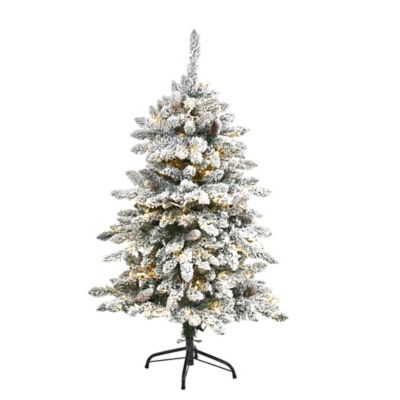
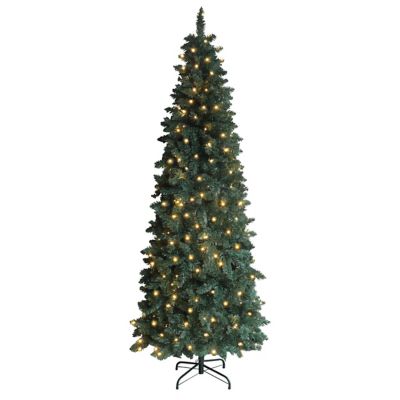
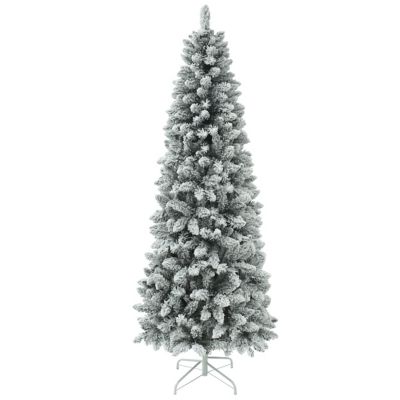
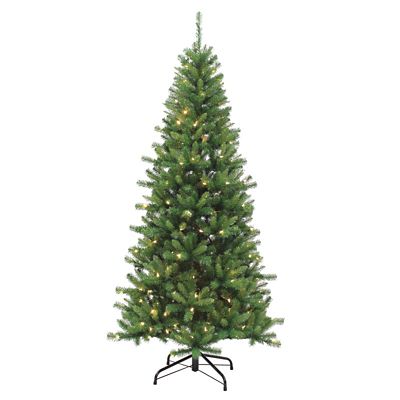
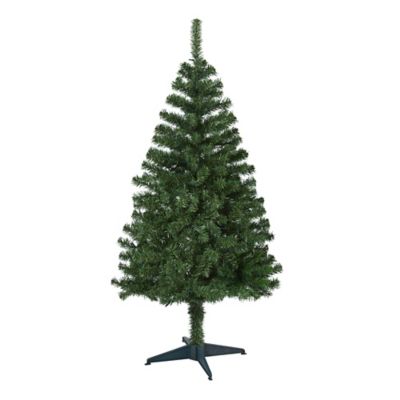
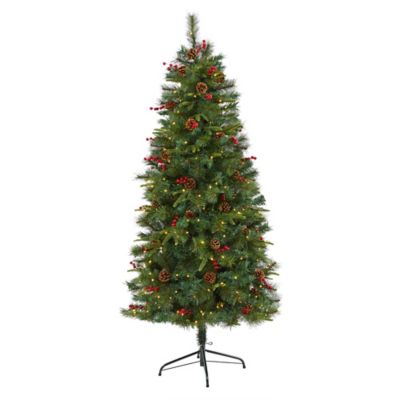
A 4 ft artificial Christmas tree brings the familiar shape of a Christmas tree into spaces where a taller tree would crowd the room. It can give a farmhouse kitchen, apartment living room, guest bedroom, or small front office a cheerful focal point without taking over the floor. That shorter height also leaves room for the things that keep a household moving, from a bench for pulling on boots to a clear path between the couch and the door. Height is only part of the fit, though. A full tree with broad lower branches can have a bigger footprint than its height suggests, while a slim profile leaves more breathing room around nearby furniture. Listed height may include the stand, so overall measurements matter when planning for a topper or placing the tree beneath a shelf. At floor level, a four-foot tree feels approachable and cozy; on a broad, sturdy table that safely supports the tree and its stand, it can bring ornaments closer to eye level. Either arrangement needs a level surface and enough clearance that passing coats, wagging tails, and opening doors will not catch the branches. Green needles offer a familiar evergreen look, while snowy finishes and lighter colors create a different backdrop for ribbon and ornaments. A simple arrangement of warm lights and wooden stars can feel right at home beside a quilt-covered chair, while bright glass ornaments give a small tree plenty of sparkle. The scale works especially well for a second Christmas tree filled with family keepsakes or a separate tree for a child’s room, with age-appropriate ornaments and adult help setting it up. For a larger room where a four-foot tree might feel lost,
6 Ft Artificial Christmas Trees offer a taller option, provided the ceiling height, branch spread, and walking space leave enough room.
Branch materials and construction help determine how a small artificial tree looks once it is standing. Many artificial trees have PVC needles, molded polyethylene tips, or a blend of the two. PVC can give branches a soft, full appearance, while molded tips can add more defined needle shapes and texture. A blend may combine shaped outer tips with fuller branches closer to the trunk. The effect depends on the whole tree rather than a single material, including branch spacing, color variation, and how much time goes into opening and arranging the tips. Some four-foot trees have a dense silhouette that suits a generous layer of ornaments; others leave more space between branches so individual keepsakes stand out. Hinged branches generally fold down from the center pole, while other constructions may require more assembly, making the setup method worth considering for a tree that will come out each Christmas. Branch strength matters, too. Lightweight felt shapes, small wooden ornaments, and ribbon sit differently from heavier glass pieces, and substantial ornaments need support closer to the trunk rather than at the outer tips. A pre-lit tree keeps the lighting woven through the branches, while an unlit tree leaves the choice of light color, spacing, and strand style open. Warm white lights create a soft glow beside natural wood furniture, and multicolor lights bring a playful feel to a family room. LED lights generally draw less electricity than incandescent lights, though power requirements and operating directions still depend on the lighting system. Some arrangements plug into an outlet; others may have different power needs, so cord reach and access to controls are part of the fit. A nearby outlet can keep the setup tidy without stretching a cord across a doorway. For any lighted tree, the marked indoor or outdoor rating matters more than whether the location seems sheltered, especially on a porch where damp air or wind-driven rain can reach the branches.
A smaller artificial Christmas tree can make the yearly setup easier to manage, but its stand and storage needs still deserve attention. A stand with a steady base helps keep the trunk upright, and properly seated sections prevent a lean that becomes more noticeable once ornaments are on the branches. Four-foot trees can be a practical fit for someone furnishing a first apartment, a household making room for visiting family, or anyone who enjoys Christmas touches in more than one room. They can also make a thoughtful gift for someone moving to a smaller home, especially when the recipient has room to display and store one. In a home with curious pets or young children, placement matters as much as size: a tree needs a steady spot away from climbing routes, tempting cords, and busy play areas. Nonbreakable ornaments on lower branches can help, though they do not replace supervision or a secure setup. Keep trees clear of fireplaces, wood stoves, portable heaters, and other heat sources, and follow the lighting instructions for operation and shutoff. Between holiday seasons, gentle handling helps preserve the branch shape and finish. Ordinary dust may lift with a soft brush or cloth when the manufacturer permits it; flocked branches often need a lighter touch because rubbing or moisture can disturb the snowy coating. Lights and electrical connections should stay dry, and damaged wiring calls for attention before the tree is lit again. After ornaments come off, branches can be folded inward according to the assembly directions rather than forced flat. A storage bag or properly fitting box helps protect tips from being crushed beneath heavier belongings, while a dry storage spot limits exposure to moisture. Keeping the stand, fasteners, and instructions together also saves a search when Christmas setup comes around again. With a footprint that suits the room and a finish that fits the household’s style, a four-foot tree can hold a meaningful collection of ornaments without needing a large corner of the house.