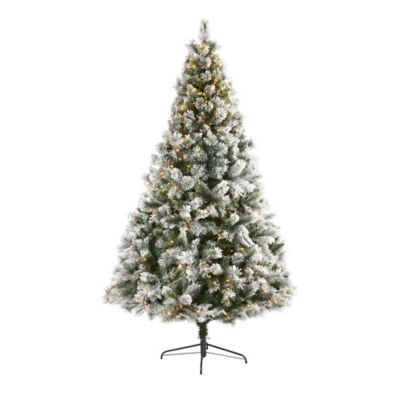
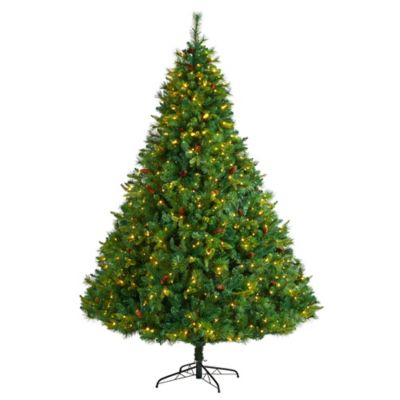
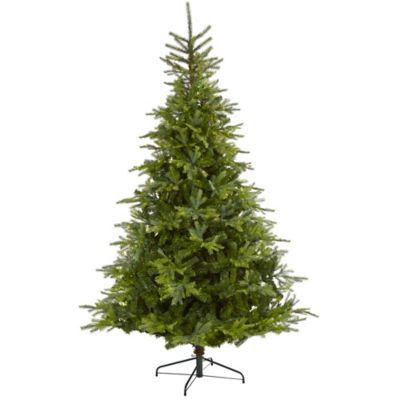
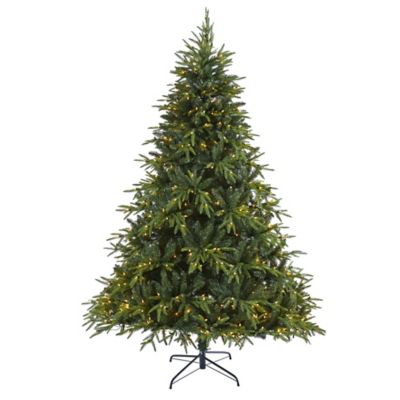
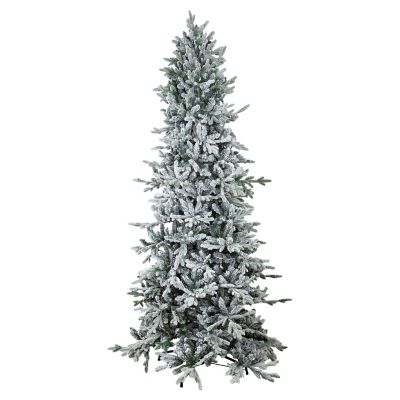
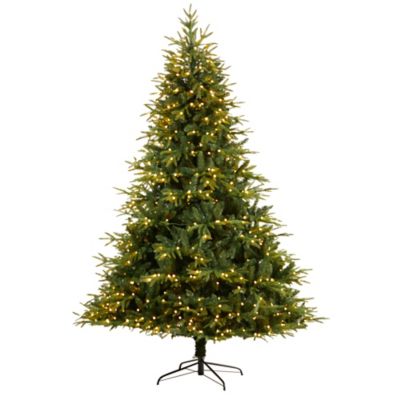
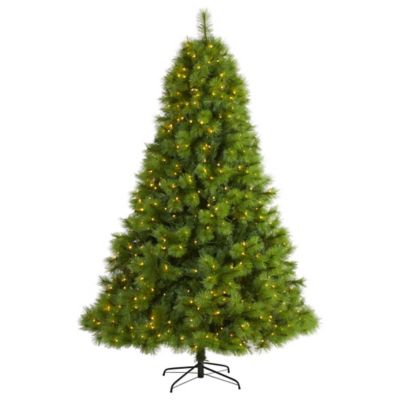
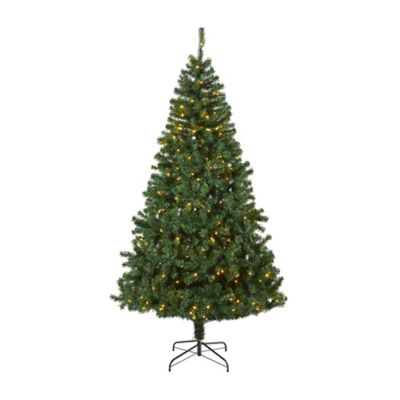
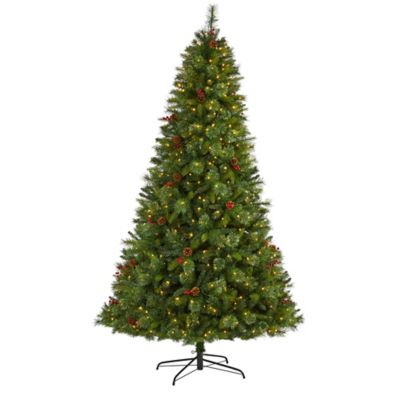
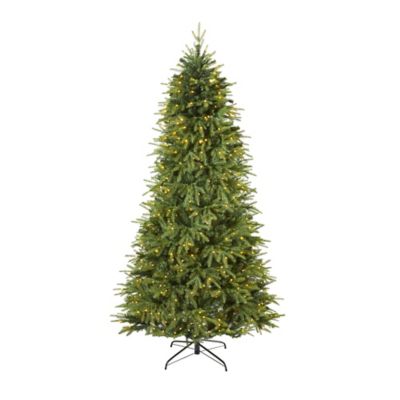
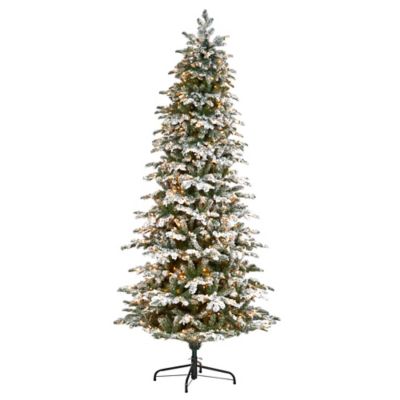
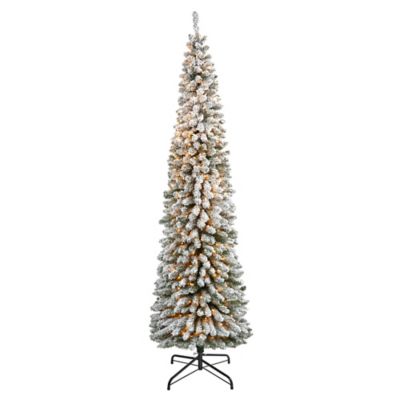
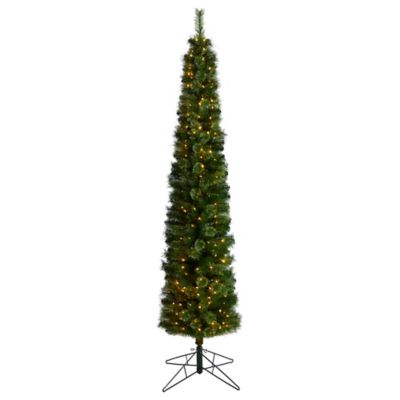
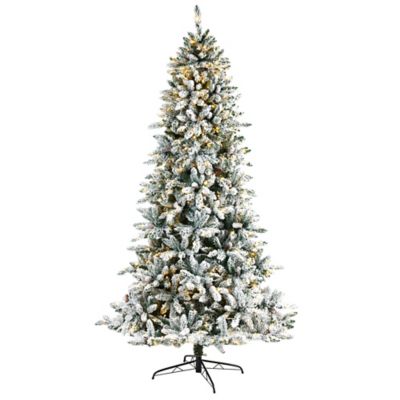
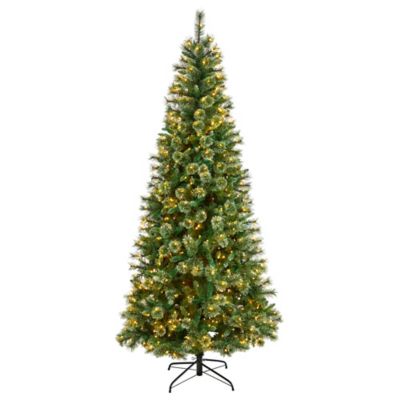
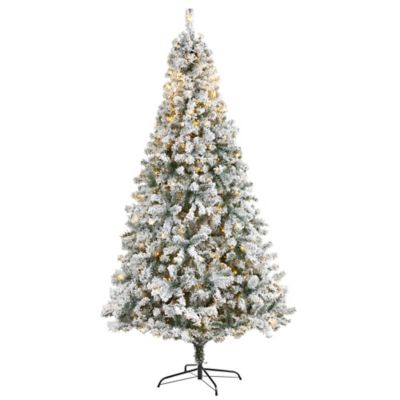
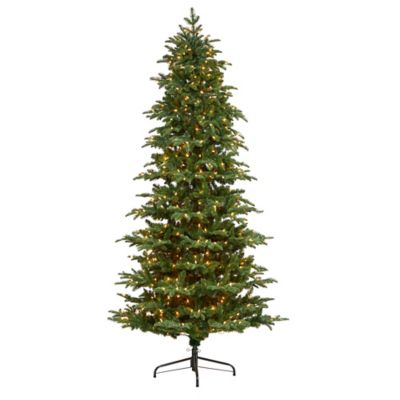
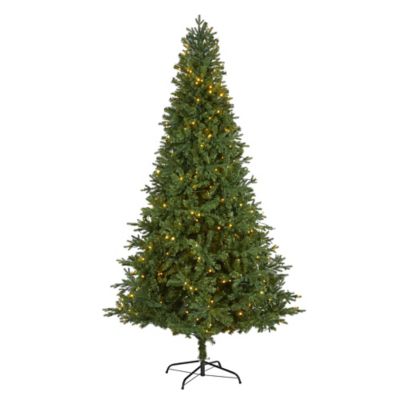
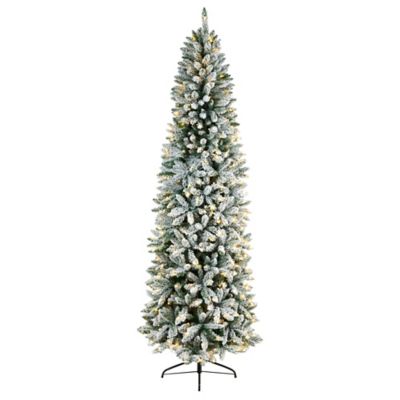
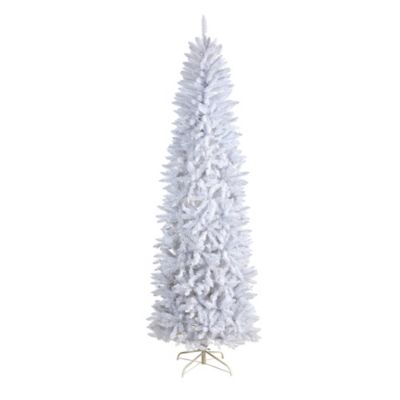
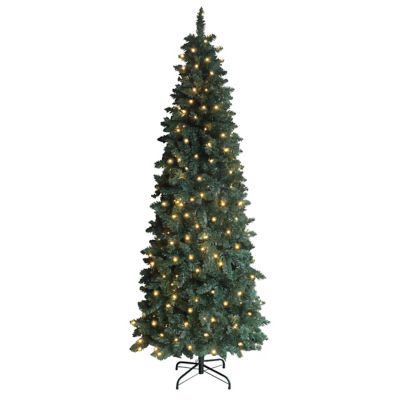
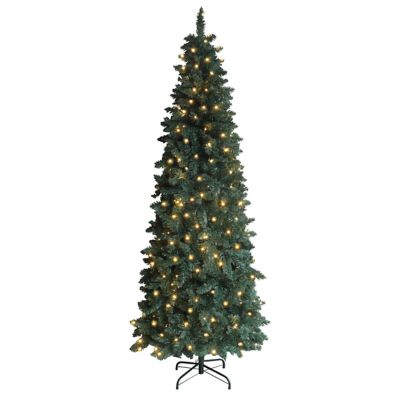
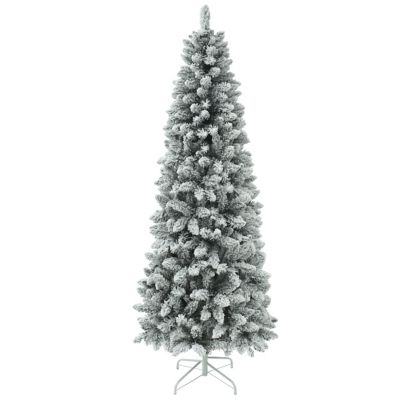
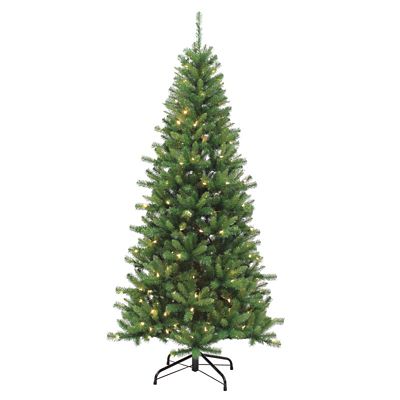
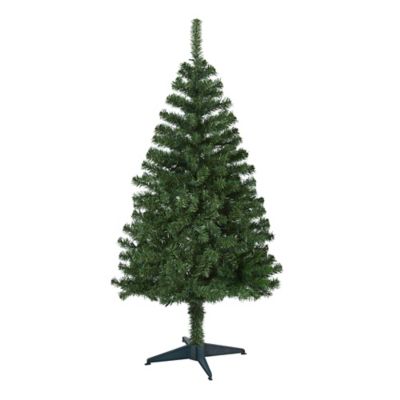
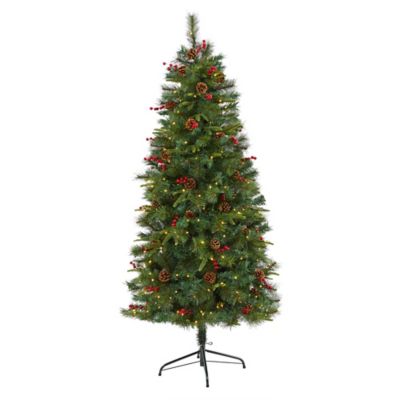
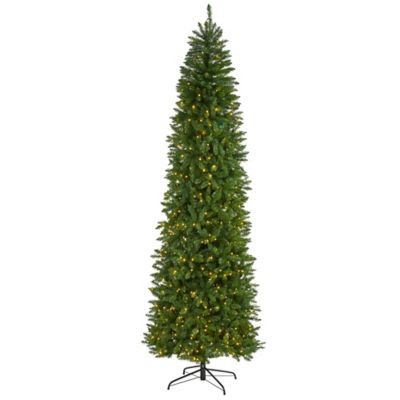
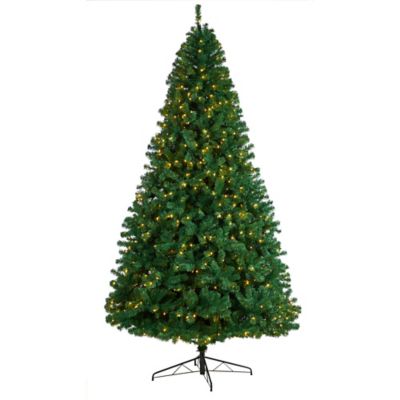
An 8-foot artificial Christmas tree brings the height and presence of a full-size holiday centerpiece to a great room, open living area, or roomy entryway. At 96 inches tall, it has plenty of room for family ornaments, ribbon, and lights without disappearing beneath a vaulted ceiling. The right fit depends on more than height, though. Listed tree height generally includes the stand and tallest branch tip, so the dimensions deserve a close look before bringing one home. A 9-foot ceiling leaves about a foot above an 8-foot tree, with that space shared by the topper and any clearance it needs. Overhead beams, ceiling fans, and hanging fixtures can also affect placement. Width matters just as much in a busy household: a broad tree can fill a picture window beautifully, while a slim profile leaves more room beside a sofa or along the path from the kitchen. The listed base diameter describes the tree at its widest point, which may extend well beyond the stand. Allowing space for low branches, wrapped presents, and foot traffic helps keep the room comfortable when family gathers. Full silhouettes suit larger spaces and generous ornament collections, while narrow shapes bring the same tall outline to rooms with less open floor space. Branch spacing changes the finished look, too. An airy arrangement gives larger ornaments room to hang freely; a denser shape creates a thick backdrop for lights and smaller keepsakes. Pine-, fir-, and spruce-inspired styles offer different needle lengths, branch patterns, and shades of green. Snow-flocked branches bring a wintry finish indoors, while plain green trees let colorful ornaments take center stage. An 8-foot artificial Christmas tree can feel right at home with a simple star and a few treasured ornaments or with ribbons and lights reaching from the top branches to the lowest boughs.
Materials and construction help determine how an artificial tree looks up close, how it handles ornaments, and how much attention it needs during setup. PVC needles typically have a flat, cut-film construction that creates a soft, full appearance. Molded polyethylene, often called PE, gives branch tips a more three-dimensional shape that resembles natural evergreen growth. Some trees combine the two, placing molded tips toward the outside and PVC foliage farther inside to build fullness around the center pole. Branch-tip count offers one point of comparison, but it does not tell the whole story: needle shape, branch length, silhouette, and the way the tips spread all influence how filled-out a tree appears. Hinged branches fold toward the trunk for storage and lower into place during assembly, while other constructions may require attaching branches separately. Section weight and connection design matter on a tree this tall, especially when the upper portion needs lifting into position. Most artificial trees still benefit from patient branch shaping, with tips spread in several directions to soften gaps and hide the trunk. Lighting is another practical distinction. Unlit trees leave the choice of light color, strand placement, and spacing entirely open, making them a good match for households that change their Christmas look from one year to the next. Prelit trees have lights already arranged through the branches, reducing the need to wind separate strands around an 8-foot frame. For that style,
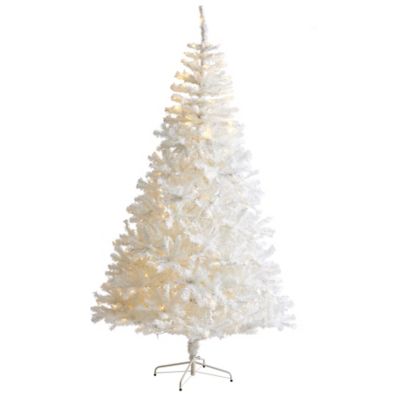
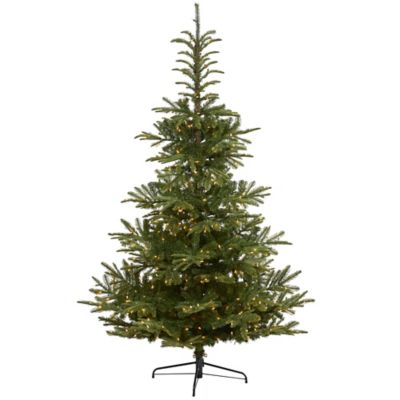
8ft Prelit Christmas Trees bring the focus to tall trees with built-in lighting. Depending on the design, lighting may include warm white, multicolor, or selectable settings. LED lights generally consume less electricity and give off less heat than incandescent lights, though electrical ratings and operating directions still apply. Light count alone does not determine the effect; bulb size, brightness, and distribution also shape whether the finished tree has a gentle glow or a more brightly lit appearance.
For households that celebrate Christmas with the same keepsakes year after year, an artificial tree provides a familiar starting point without watering or a fresh-cut trunk. It can suit a family living room, a farmhouse gathering space, or an indoor reception area with enough height and clearance. Branch support deserves attention when the ornament box includes heavier glass pieces, metal bells, or keepsakes made by the kids. Stronger inner branches are generally better places for heavier ornaments than slender outer tips, while lightweight pieces can fill the ends without pulling them down. A stable stand, secure section connections, and a level floor help support the whole display. In homes with curious pets or young children, placement away from climbing routes and busy walkways is especially important, and fragile ornaments belong beyond easy reach. Artificial trees are not fireproof, so keeping branches away from fireplaces, wood stoves, candles, and other heat sources remains essential. Indoor trees belong indoors unless their labeling expressly allows another setting; a roof over a porch does not by itself make an indoor tree suitable for damp air or wind. Day-to-day care is usually straightforward, with gentle dust removal according to the tree’s care directions and attention to any fallen flocking around the base. Flocked finishes can shed during shaping and packing, so a light touch helps preserve their appearance. For prelit trees, cords and connections need inspection before setup, and replacement bulbs or parts must match the manufacturer’s requirements. The same care carries through to storage. Removing ornaments, disconnecting power, and separating sections as directed helps prevent bent branches and strained wiring. A storage bag or container sized for an 8-foot tree protects the sections without forcing them into a tight space. Keeping the packed tree dry and away from excessive heat helps protect foliage, finishes, and electrical components between Christmas celebrations. With sensible handling and room for proper storage, a tall artificial tree can remain part of the family’s holiday routine for years, ready for another round of familiar ornaments and presents tucked beneath the branches.