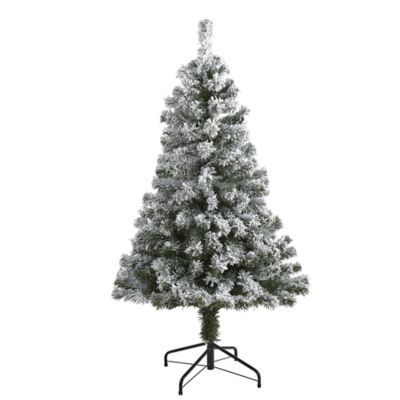
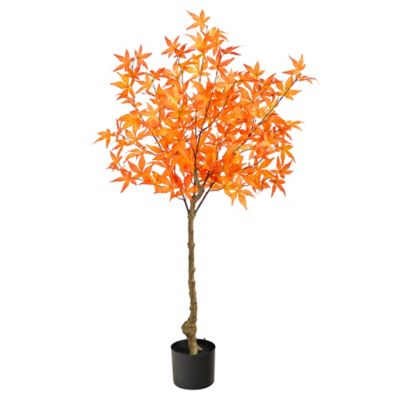
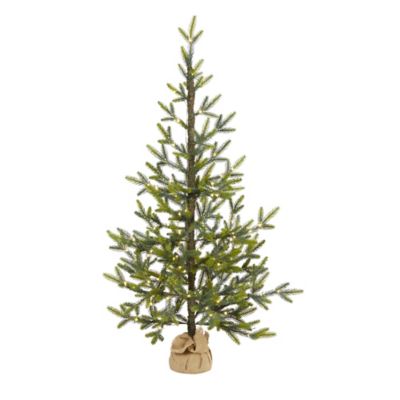
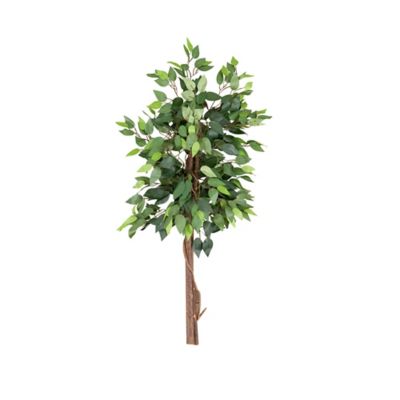
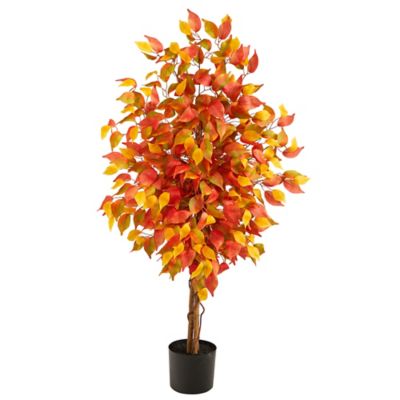
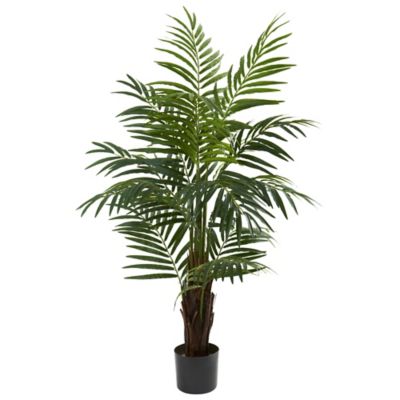
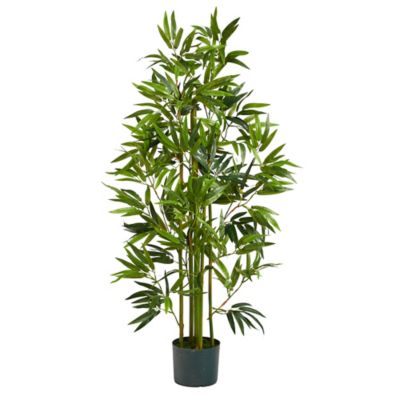
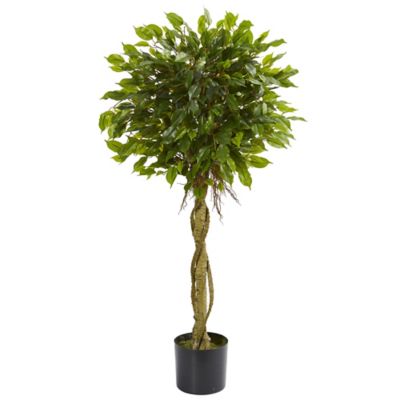
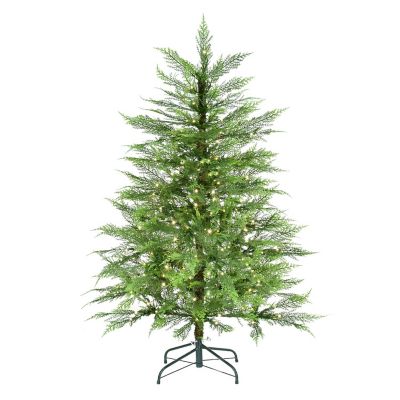
A 4 ft artificial tree stands about 48 inches tall and brings the look of greenery to a space without watering, pruning, or sweeping up fallen needles. This size can include leafy indoor trees, evergreen topiaries, and artificial Christmas trees, so the shape and intended setting matter as much as the height. A narrow evergreen fits differently from a broad, leafy tree, even when both reach the same height. Four-foot trees work well beside an entry bench, near a fireplace hearth with proper clearance, or in a corner that needs some color without a full-size tree taking over. They can also suit apartments, smaller living rooms, offices, and gathering spaces where floor space has to earn its keep. Construction varies by tree style. Evergreen branches may feature PVC needles, molded polyethylene tips, or a combination of the two, while leafy trees may have fabric or plastic leaves attached to wired stems. Textured trunks and mixed shades of green can help soften the look, especially where the tree will be seen up close. A metal center pole or internal frame supports the branches, and the base may be a separate stand or a weighted pot. Height measurements often include that stand or pot, so checking the listed dimensions helps set expectations for how much greenery will sit above a basket or planter. Width deserves the same attention: a four-foot tree with spreading branches can take up a fair bit of room beside a chair or doorway. For a snug spot, an upright shape leaves more walking space; for an open corner, a fuller canopy can look more at home. Branch spacing also changes the effect, from an airy silhouette that shows the trunk to dense foliage that creates a fuller patch of green. Looking at the tree’s overall proportions, rather than height alone, helps it fit naturally with nearby furniture, window trim, and the rest of the room.
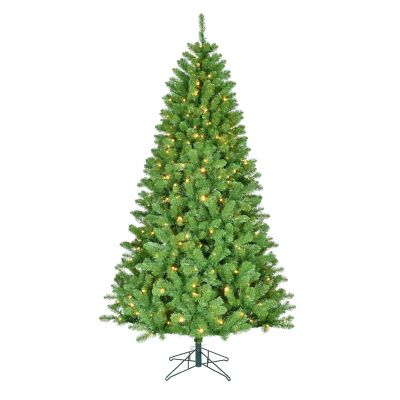
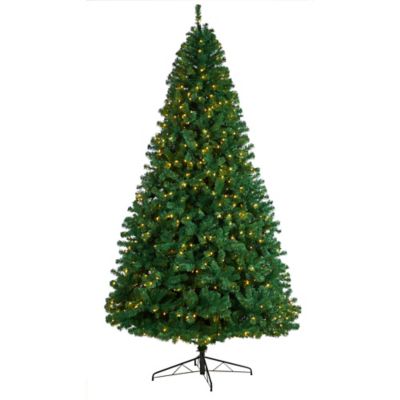
For Christmas, a 4 ft artificial tree offers room for lights and ornaments without needing the floor space of a taller tree. It can serve as the main Christmas tree in a small home, a second tree in a dining room, or a cheerful addition to a family gathering space. On the floor, its smaller scale keeps the display easy to see around; on a suitable raised surface, it can bring the branches closer to eye level. Any table or platform needs enough room for the entire base and enough strength to support the tree, lights, and ornaments without wobbling. A broad stand helps with balance, but heavy ornaments concentrated on one side can still pull a smaller tree out of shape. Lightweight ornaments tend to sit more comfortably on flexible branch tips, while stronger inner branches provide better support for heavier pieces within the manufacturer’s limits. An unlit tree leaves room to choose the light color and arrangement, while a pre-lit tree reduces the work of wrapping separate strands through the branches. For either setup, details such as the power source, cord length, light controls, and indoor or outdoor rating affect where the tree can go. Battery-powered lights may avoid a cord across the floor, but the battery compartment still needs to remain accessible. A nearby outlet is handy for a plug-in display, with cords kept clear of doorways and foot traffic. Homes with curious pets or young children benefit from a steady base and placement away from tempting climbing spots. The top branch needs breathing room, too, especially when adding a star or another topper. Where a four-foot tree feels too small for the room,
6 ft artificial Christmas trees provide another two feet of height, though their listed width and stand dimensions still matter when planning the space.
For greenery that stays out beyond Christmas, a four-foot artificial cedar, topiary, or leafy tree can add a welcoming touch beside a hallway console, in a home office, or near the entrance to a small business. A matching pair can frame an entrance, provided each tree is rated for its placement and neither blocks the door’s swing. Indoor-only foliage belongs indoors; a covered porch does not automatically provide enough protection for a tree without an outdoor rating. For outdoor placement, the manufacturer’s information should explain exposure limits and whether the foliage has protection against fading. The pot matters just as much as the branches. A weighted nursery-style pot can sit inside a larger planter for a more finished look, as long as the outer container accommodates the base without leaving the tree loose or tilted. Added height from a planter also changes the final height of the arrangement, something worth accounting for beneath a window or wall shelf. Day-to-day care is generally simple, but the materials determine the best cleaning method. A soft cloth or gentle duster can lift loose dust from leaves and needles; water, sprays, and cleaning solutions should only touch surfaces when the care directions allow them. Electrical parts need separate attention and should remain unplugged during cleaning. When a tree arrives with compressed branches, careful shaping can open the canopy and separate flattened tips without forcing the wire joints. Hinged branches and sectional trunks can make setup and storage easier, while a one-piece potted tree needs storage space for its full shape. A dry storage area and a cover or container that does not crush the foliage help protect the tree between displays. For someone settling into a first apartment, furnishing a farmhouse guest room, or wanting greenery without plant care, a four-foot artificial tree can also make a thoughtful gift when its size and style suit the space. The most useful choice is one that fits the room, rests securely, and is easy to keep looking tidy.