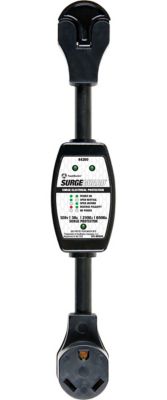
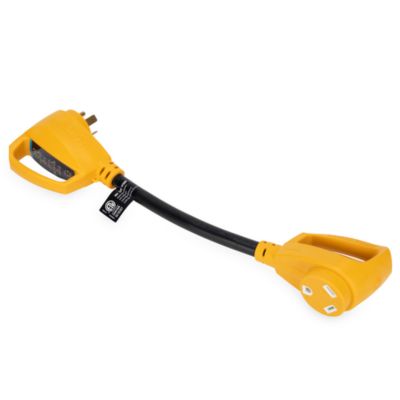
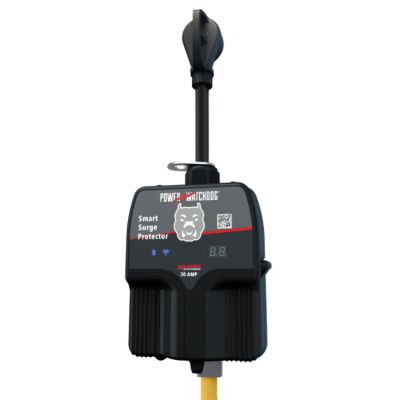
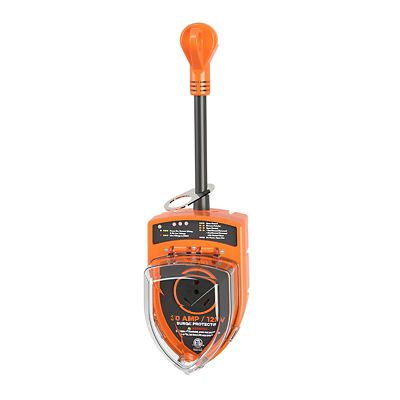
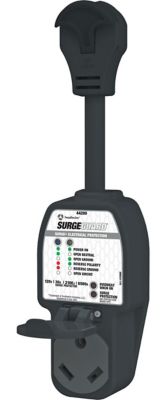
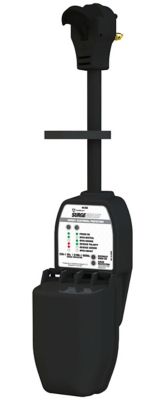
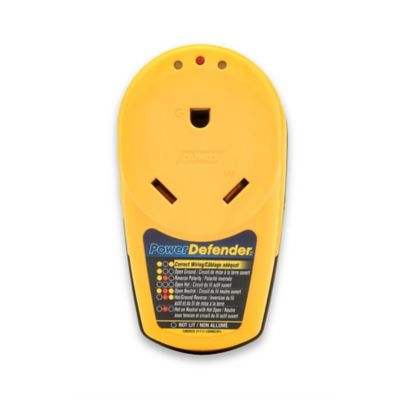
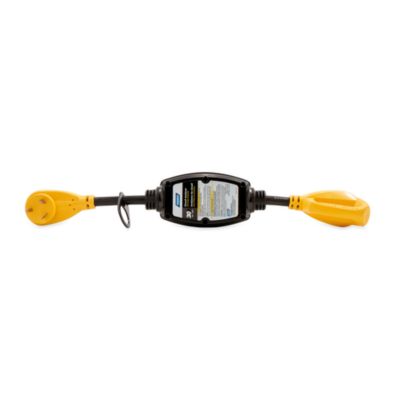
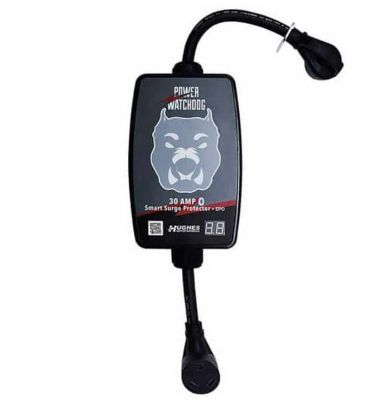
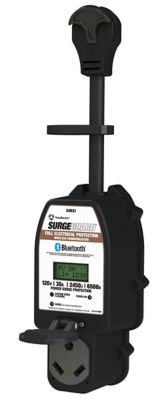
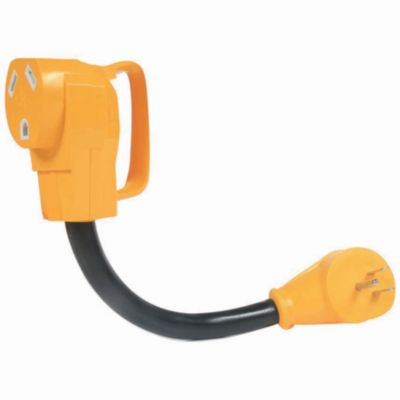
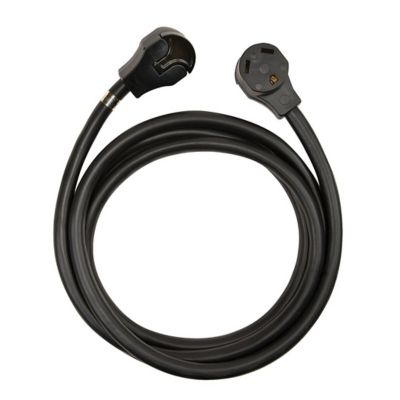
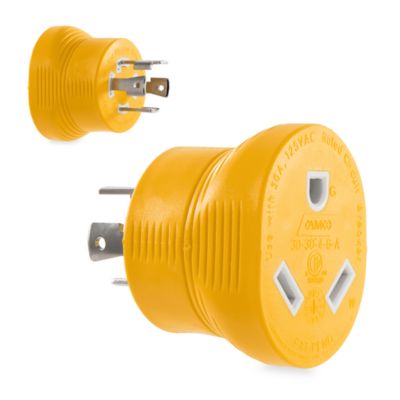
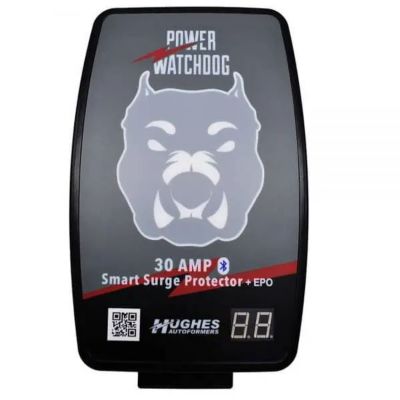
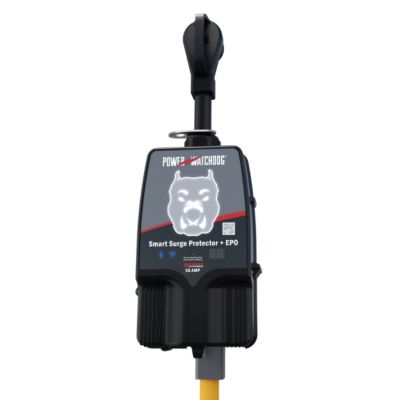
A 30 amp surge protector is a practical piece of equipment for RV owners who plug into campground power, seasonal sites, fairgrounds, or other outdoor electrical hookups. It connects between a 30 amp power pedestal and the RV’s shore power cord, helping protect sensitive electrical equipment from sudden voltage spikes that can damage a converter, refrigerator, air conditioner, television, microwave, battery charger, or other onboard appliances. Campground power can be dependable, but pedestals may be exposed to rain, dust, heat, lightning, aging wiring, and heavy demand from nearby campers. A surge protector gives you one more layer of defense before that power reaches the camper’s electrical system. It is especially useful during road trips, hunting and fishing weekends, tailgating, farm stays, and longer stays at a seasonal campsite, when a problem with the pedestal could leave you with an expensive repair instead of a relaxing evening by the fire. Before choosing one, confirm that your RV uses a 30 amp connection and match the plug and receptacle configuration carefully. A 30 amp RV connection is different from a 50 amp setup, and using the wrong equipment can create an unsafe situation. Campers who also use backup power may want to compare their electrical needs with
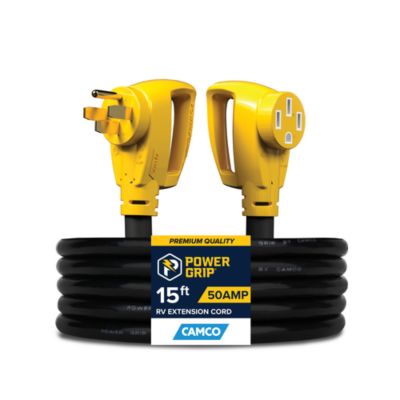
50 Amp Generators and check the ratings for every part of the system. Keep in mind that a surge protector is not a replacement for safe electrical practices, proper grounding, or a correctly rated generator and extension setup.
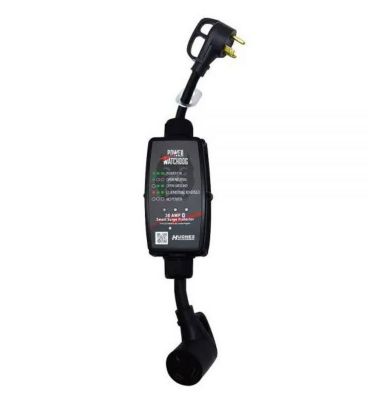
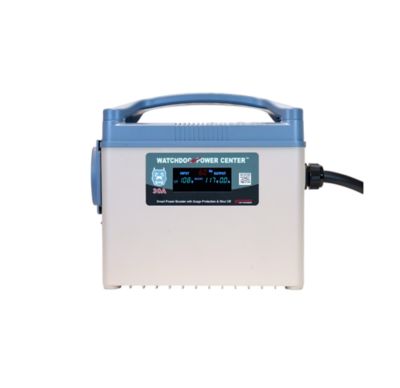
When comparing 30 amp surge protectors, start by deciding how much information and protection you need. Basic surge protection is designed primarily to help absorb high-voltage spikes, often with the protection level listed in joules. A higher joule rating generally indicates more capacity to handle surge energy, though the rating should be considered alongside the unit’s construction, safety features, and intended use. Many basic models include indicator lights that show whether the pedestal appears correctly wired and whether the protector is receiving power. These simple lights can be handy when arriving after dark, especially when you are setting up in gravel, wet grass, or a busy campground while the family is ready to get settled. More advanced units work as an electrical management system, often called an EMS. In addition to surge protection, an EMS can check for problems such as open ground, open neutral, reverse polarity, and voltage that is too high or too low. If it detects a dangerous condition, it can shut off power to help keep the issue from reaching the RV. Low voltage deserves attention because an air conditioner or other motor-driven appliance may draw extra current while trying to operate, which can lead to heat and premature wear. Look for clear diagnostic indicators, a suitable weather-resistant housing, strong plug and receptacle connections, and a cord or display that is easy to handle with cold or gloved hands. Some models offer thermal protection, while others include replaceable surge modules so the entire protector may not need to be replaced after a major electrical event. Portable units are convenient for moving between campsites, while a hardwired installation stays with the RV and keeps the equipment out of sight. A portable protector may be a better fit for someone who changes campers or wants to take the unit along on every trip; a hardwired style can appeal to an owner who prefers a permanent setup and does not want to remember another item at each stop.
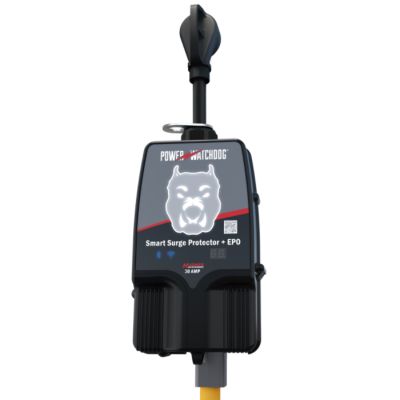
Smart monitoring is another consideration for campers who like to keep a close eye on their electrical use. Some higher-end 30 amp surge protectors can report voltage, amperage, faults, and power interruptions through Bluetooth or Wi-Fi, allowing you to check conditions from a phone rather than walking back to the pedestal. That can be useful when the RV is parked across a large campground, when you are inside during a storm, or when you want to see how much demand an air conditioner, heater, or kitchen appliance is placing on the system. A display or app does not take the place of reading the instructions, but it can make unusual readings easier to notice. Whichever style you choose, inspect the protector before each trip for cracked housings, bent blades, loose connections, water intrusion, or melted plastic, and follow the manufacturer’s directions for storage and use. Keep the connection off the ground when possible, use the locking tab or security feature if provided, and avoid placing it where standing water can collect. A 30 amp surge protector can make a thoughtful gift for a new RV owner, a grandparent who spends the cooler months traveling, or the friend who always has a camper ready for a weekend on the back forty. It is also a sensible addition to a campground tool kit alongside wheel chocks, leveling blocks, hoses, and a flashlight. As the weather warms and families start pulling campers out of storage, or as cooler weather brings quieter roads and comfortable nights around the fire, dependable electrical protection helps make setup easier and gives you more confidence when connecting to an unfamiliar pedestal.