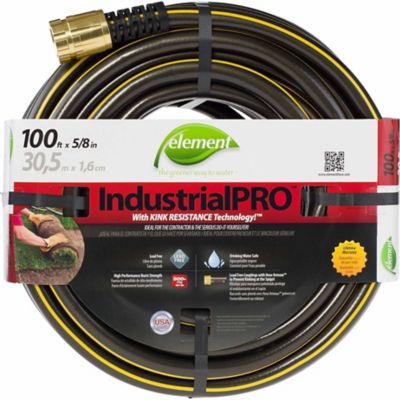
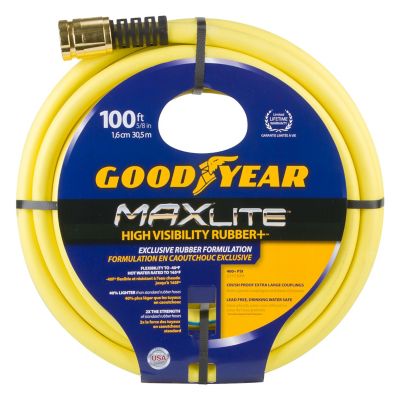
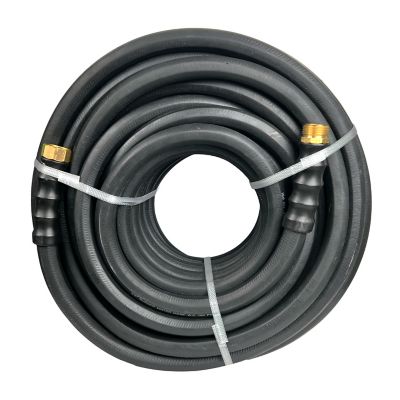
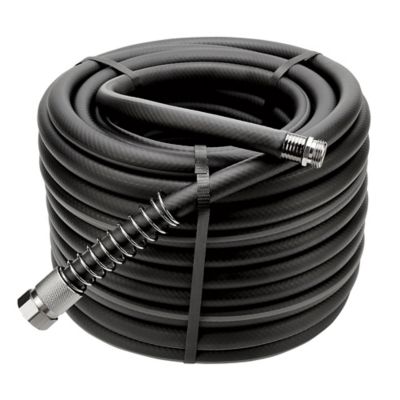
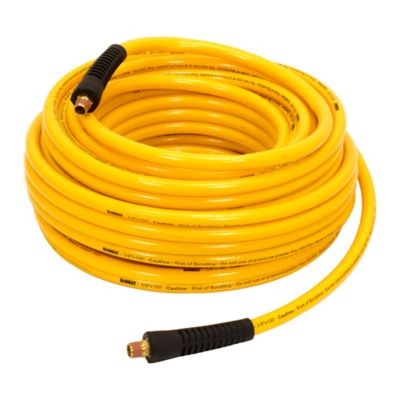
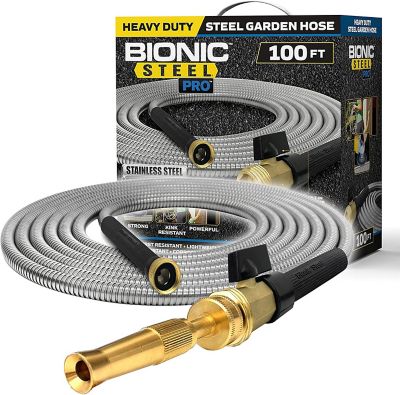
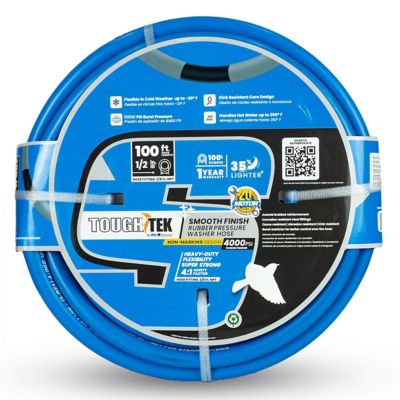
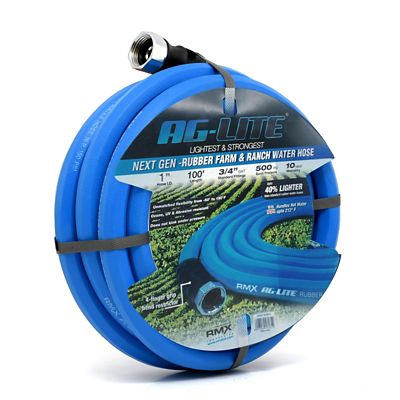
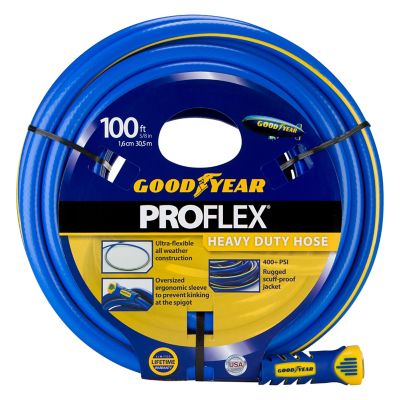
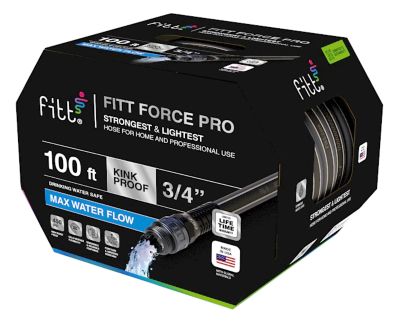
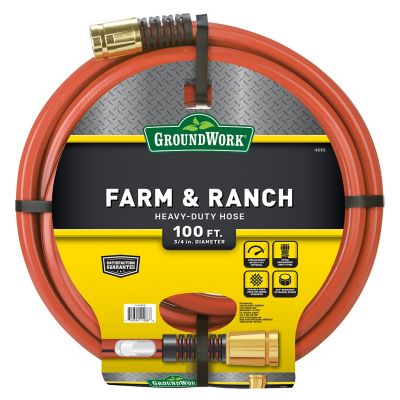
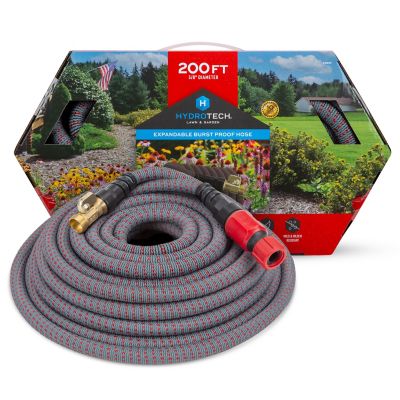
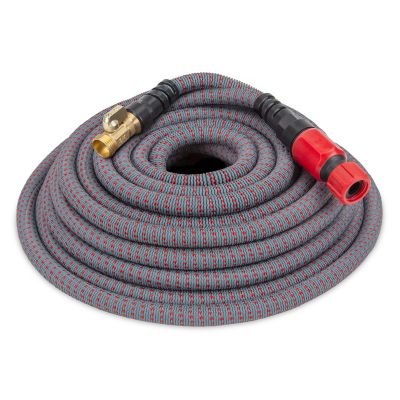
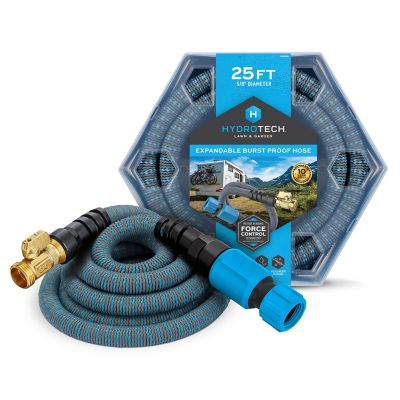
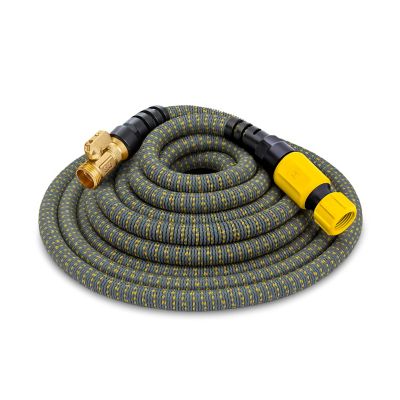
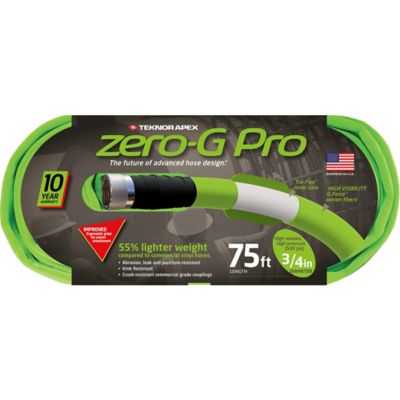
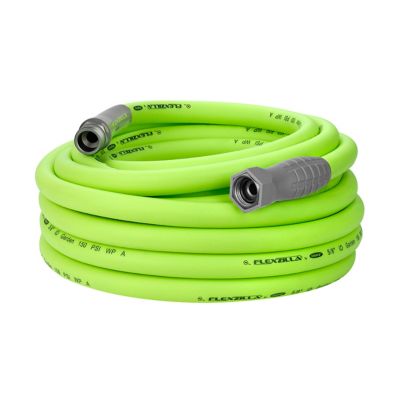
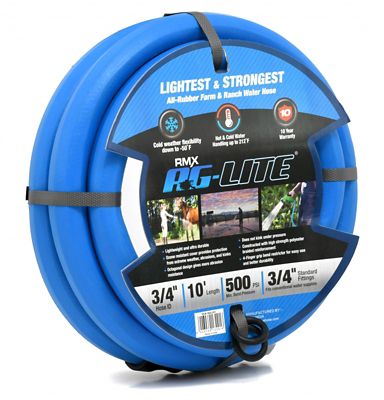
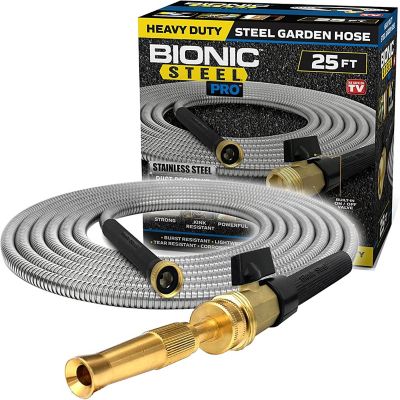
A 100-foot hose brings water farther from the spigot for chores around the yard, garden, barn, and small acreage. That extra reach can make the difference between watering the last row of vegetables and stopping short at the garden gate. It also gives room to rinse muddy equipment, fill a watering can beside a distant flower bed, or reach a livestock trough without joining several shorter hoses together. The length describes the hose itself, though, not a straight-line working distance in every setting. A route around a shed, through a gate, or along a fence takes up part of that reach, and a little slack helps keep the connection from pulling against the faucet. For expandable designs, the stated length generally refers to the hose when filled and pressurized; the manufacturer's specifications explain the working length and water pressure requirements. Inside diameter matters just as much as length. Common garden hose diameters include 1/2 inch, 5/8 inch, and 3/4 inch, with larger openings generally allowing more water flow under comparable conditions. A 5/8-inch hose is a common choice for everyday watering and washing, while a 3/4-inch hose may suit jobs where higher flow matters, provided the water supply and attachments can support it. Smaller-diameter hoses can be easier to carry, but their narrower passage creates more resistance to flow. Water pressure at the faucet, the full hose length, elevation changes, and the nozzle or sprinkler all affect what comes out at the other end. A long hose does not increase supply pressure, and adding length can reduce the pressure available while water is flowing. For someone moving between a backyard garden and a barnyard chore area, the best fit balances reach, carrying weight, and the amount of water each task calls for. A hose that stretches across the property still needs to be manageable when it is full of water and ready to roll back in.
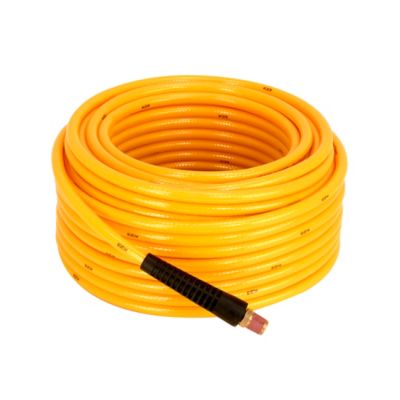
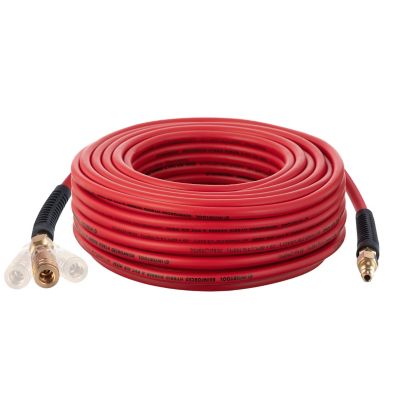
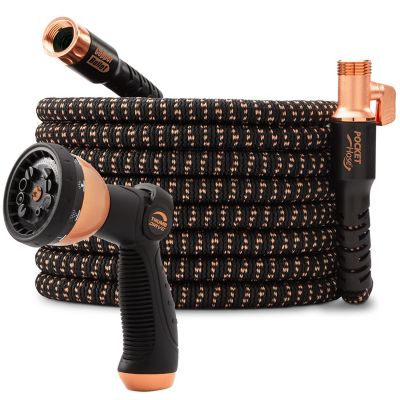
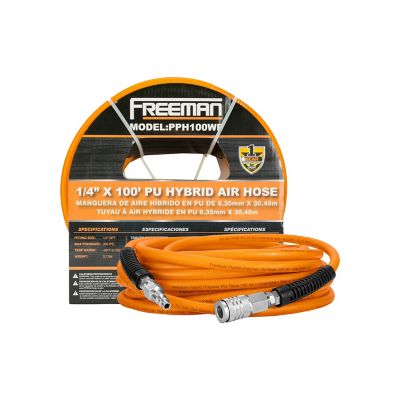
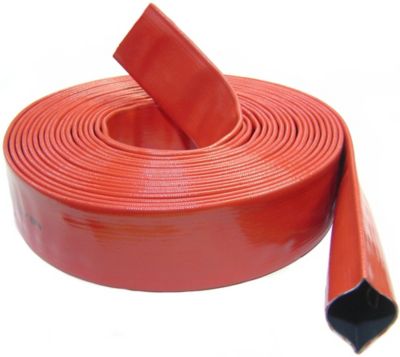
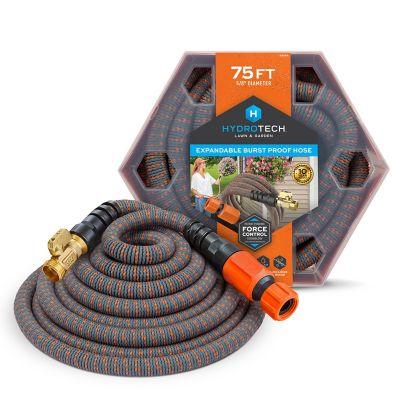
Construction makes a noticeable difference when a 100-foot garden hose gets pulled around corners, laid across gravel, or moved from one chore to the next. Rubber hoses often have a substantial feel and can suit frequent watering and washdown work, although their weight becomes more noticeable at this length. Vinyl hoses are often lighter, with reinforcement and wall construction influencing how they handle pressure, bending, and contact with rough ground. Hybrid polymer hoses combine materials to balance flexibility, handling, and resistance to abrasion. The material name alone does not tell the whole story: reinforcement layers, wall thickness, coupling design, and the manufacturer's pressure rating all deserve attention. Kink resistance is helpful when the hose runs past raised beds or around a water trough, but no hose is immune to a tight bend or a loop pulled too hard. Expandable hoses offer another approach, with a flexible inner tube and an outer covering that allow the hose to extend under water pressure and contract after draining. Their compact storage can be handy where space is tight, while the care directions determine whether a particular construction suits gravel, sharp edges, or frequent dragging. A soaker hose serves a different purpose from a general watering hose, releasing water along its length near plant roots rather than carrying it to a spray nozzle. Its layout and pressure requirements matter, especially over a long run. At the ends, fittings should match the faucet and attachments without forcing the threads. Many U.S. garden connections use 3/4-inch garden hose threads, which describe the connection rather than the hose's inside diameter. Garden hose threads and pipe threads are not interchangeable just because their listed sizes look similar. Brass or aluminum couplings, accessible grip surfaces, and strain relief near the ends can all affect everyday handling. A properly seated washer helps seal the joint, while an easy-to-grip coupling makes it simpler to move between the spigot, sprinkler, and nozzle without reaching for pliers every time.
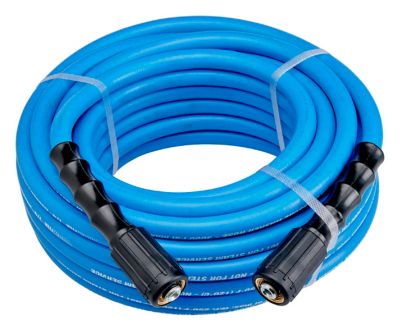
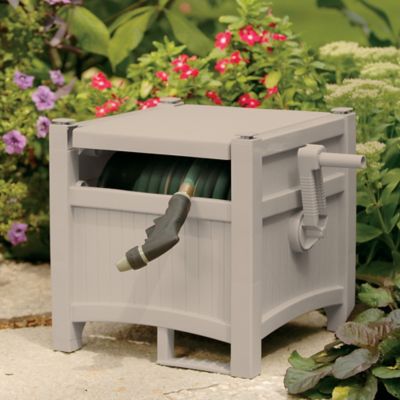
The right 100-foot water hose also depends on what the water will touch and how the hose will be put away after the job. Gardeners may value a hose that moves easily between planting rows, while property owners washing wheelbarrows or rinsing stock tanks may care more about abrasion resistance and a firm connection. Where water is intended for people to drink, a drinking-water-safe designation matters; an ordinary garden hose should not be assumed suitable. For filling pet bowls or livestock troughs, checking the manufacturer's stated applications helps match the hose to the task. Keeping the outlet out of standing water and using backflow protection where required helps protect the water supply. A general garden hose is not a substitute for a pressure washer hose, and its rated working pressure needs to suit the intended connection. Storage deserves some thought before bringing a full 100-foot length into the chore routine. A reel's capacity depends on both hose length and diameter, so a reel rated for a narrower hose may not hold the same length of a wider one. Broad coils help prevent sharp bends, and a clear storage spot keeps the hose out from under tires, mower blades, and livestock hooves. Draining after watering makes the hose easier to handle and reduces the weight going onto a reel. An occasional wipe removes grit before storage, while checking washers, fittings, and the hose wall can catch leaks or damage before a small drip becomes a puddle beside the barn. Pulling from the hose rather than yanking an attached nozzle helps limit strain at the end connection. Where the work stays closer to the faucet,
50 Foot Garden Hoses offer a shorter reach with less hose to carry and coil. For bigger yards and spread-out chores, a 100-foot hose earns its place by putting water where the work happens, with construction, connections, and handling suited to the ground it crosses.